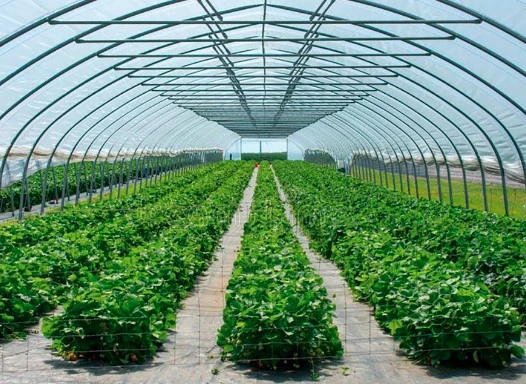

Introduction
Vertical farming represents a revolutionary approach to agriculture, enabling the cultivation of crops in vertically stacked layers or vertically inclined surfaces within controlled environments such as greenhouses or indoor facilities. This blog delves into the future prospects of vertical farming in protected cultivation, highlighting its potential benefits, emerging trends, and technological advancements shaping the industry.
The Rise of Vertical Farming
Vertical farming has gained traction in recent years due to its ability to address key challenges facing traditional agriculture, including limited arable land availability, water scarcity, and climate change impacts. By utilizing vertical space efficiently, vertical farms maximize land use while minimizing environmental footprint, making them suitable for urban areas and land-constrained regions.
Key Benefits of Vertical Farming
Vertical farming offers several benefits over conventional agriculture methods, including:
Year-Round Production: Vertical farms can operate year-round, independent of seasonal variations and external weather conditions, ensuring a consistent and reliable supply of fresh produce regardless of location or climate.Resource Efficiency: Vertical farming systems optimize resource use by utilizing space, water, and nutrients more efficiently than traditional farming methods. Advanced hydroponic or aeroponic systems deliver nutrients directly to plant roots, reducing water consumption and minimizing nutrient runoff.Reduced Environmental Impact: Vertical farms minimize environmental impact by reducing land use, conserving water, and eliminating the need for chemical pesticides and herbicides. By integrating renewable energy sources such as solar power and LED lighting, vertical farms further reduce carbon emissions and energy consumption.Click Here-To Know More About the Protected Cultivation Industry
Emerging Trends in Vertical Farming
Several emerging trends are shaping the future of vertical farming, including:
Automation and Robotics: Advances in automation and robotics are revolutionizing vertical farming operations, enabling precise control over planting, irrigation, harvesting, and crop monitoring. Robotic systems equipped with sensors and AI algorithms optimize crop growth conditions and minimize labor requirements, improving efficiency and productivity.Integration of AI and Data Analytics: Artificial intelligence (AI) and data analytics play a crucial role in optimizing vertical farming processes, from crop planning and monitoring to predictive maintenance and quality control. AI algorithms analyze vast amounts of data collected from sensors, cameras, and environmental monitors, providing actionable insights for informed decision-making and continuous improvement.Vertical Farming in Urban Environments: Vertical farming is increasingly being integrated into urban landscapes, leveraging unused spaces such as rooftops, vacant buildings, and shipping containers to establish urban farms. These urban vertical farms enable local food production, reduce food miles, and strengthen food security in densely populated areas.Technological Advancements Driving Innovation
Technological advancements continue to drive innovation in vertical farming, enabling growers to overcome challenges and unlock new opportunities. Key technological developments include:
LED Lighting Systems: LED lighting systems tailored to specific plant growth requirements provide optimal light spectrum and intensity, enhancing photosynthesis and crop productivity while minimizing energy consumption and heat generation.Smart Sensors and IoT Integration: Smart sensors and Internet of Things (IoT) devices monitor environmental conditions such as temperature, humidity, CO2 levels, and nutrient concentrations in real-time, enabling growers to maintain ideal growing conditions and respond promptly to changes or anomalies.Vertical Farming Software Platforms: Vertical farming software platforms integrate data analytics, crop modeling, and automation controls to optimize farm operations and maximize yield potential. These software solutions enable remote monitoring, predictive analytics, and decision support, empowering growers to manage their farms more efficiently and effectively.Conclusion
Vertical farming holds tremendous promise as a sustainable and efficient method of food production, offering numerous benefits over traditional agriculture. By leveraging emerging trends and technological advancements, vertical farming is poised to revolutionize the way we grow and consume food, addressing global challenges such as food security, resource scarcity, and climate change. As the vertical farming industry continues to evolve, stakeholders must collaborate, innovate, and invest in research and development to realize its full potential and create a more resilient and sustainable food system for future generations.



























Sign in to leave a comment.