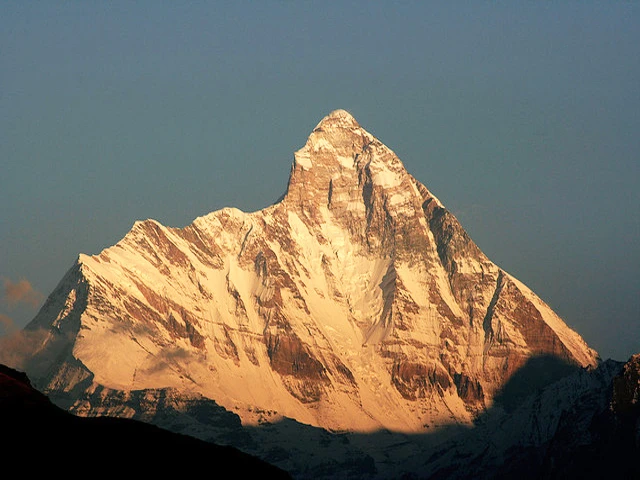

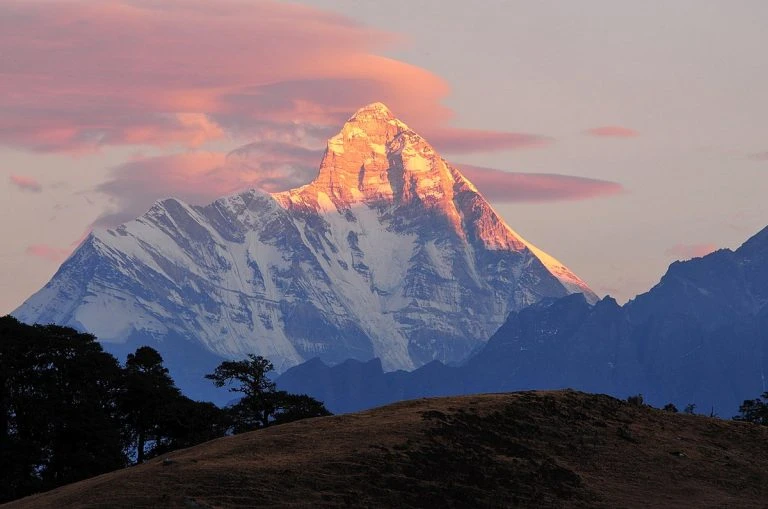
 Nestled amidst the breathtaking landscape of the Indian Himalayas lies the formidable Mount Nanda Devi East, a peak that beckons adventurers and mountaineers from across the globe. Standing tall at an elevation of 7,816 meters (25,643 feet), this majestic mountain offers a thrilling and awe-inspiring experience for those daring enough to undertake its ascent. In this guest post, we delve into the wonders of Mount Nanda Devi East, exploring its history, geography, challenges, and allure.
Introduction to Mount Nanda Devi East:
- Located in the Garhwal region of Uttarakhand, India, Mount Nanda Devi East is part of the Nanda Devi Sanctuary, a UNESCO World Heritage Site renowned for its natural beauty and biodiversity.
- The mountain is one of the highest peaks in India and holds significant spiritual and cultural significance for the local Garhwali people, who consider it sacred.
- Mount Nanda Devi East is part of the Nanda Devi mountain range, which comprises two main peaks: Nanda Devi Main (7,816 meters) and Nanda Devi East (7,434 meters).
Geography and Surroundings:
- Mount Nanda Devi East is surrounded by a rugged and remote terrain, characterized by deep valleys, glacier-fed rivers, alpine meadows, and dense forests.
- The mountain lies within the confines of the Nanda Devi Biosphere Reserve, a protected area that harbors a diverse range of flora and fauna, including rare and endangered species such as the snow leopard and Himalayan musk deer.
- The region\'s dramatic topography and pristine natural beauty make it a paradise for outdoor enthusiasts, offering opportunities for trekking, mountaineering, wildlife viewing, and spiritual retreats.
Mountaineering Challenges:
- Climbing Mount Nanda Devi East presents formidable challenges even to experienced mountaineers due to its extreme altitude, unpredictable weather conditions, technical terrain, and remoteness.
- The ascent typically involves traversing steep ice and rock faces, navigating crevasses, and braving high winds and low temperatures, requiring climbers to possess advanced technical skills and physical endurance.
- Access to the mountain is restricted, and climbers must obtain permits from the Indian authorities, adhere to strict environmental regulations, and undergo thorough acclimatization and training before attempting the ascent.
Historical Significance:
- Mount Nanda Devi East has a rich mountaineering history, with numerous expeditions attempting its summit since the early 20th century.
- One of the most famous expeditions to Mount Nanda Devi East was led by Eric Shipton in 1936, during which the team made the first ascent of the peak via the northeast ridge.
- The mountain has since been climbed by several other routes, each presenting its own set of challenges and adventures, adding to the allure and mystique of this Himalayan giant.
Cultural and Spiritual Importance:
- Mount Nanda Devi East holds profound cultural and spiritual significance for the people of Uttarakhand, who revere it as the abode of the goddess Nanda Devi.
- The mountain is the centerpiece of the Nanda Devi Raj Jat, a religious pilgrimage held once every twelve years, during which devotees embark on a sacred journey to the inner sanctuary of Nanda Devi.
- The pilgrimage is a vibrant celebration of faith, culture, and tradition, encompassing elaborate rituals, folk music and dance, and communal feasting, drawing pilgrims from far and wide to pay homage to the divine mountain goddess.
Preservation and Conservation:
- The fragile ecosystem of Mount Nanda Devi East and its surrounding area are under constant threat from human activities, including deforestation, overgrazing, and tourism.
- Efforts are underway to preserve and protect the region\'s biodiversity and cultural heritage through initiatives such as sustainable tourism practices, community-based conservation projects, and environmental education programs.
- It is essential for visitors and adventurers to tread lightly and respect the sanctity of this pristine wilderness, ensuring that future generations can continue to experience the awe-inspiring beauty of Mount Nanda Devi East.
Conclusion:
In conclusion, Mount Nanda Devi East stands as a testament to the indomitable spirit of exploration and adventure that has captivated mountaineers and travelers for generations. Its towering peaks, rugged terrain, and spiritual significance embody the essence of the Himalayas, drawing visitors into a world of wonder and discovery. As we navigate the challenges and complexities of our modern world, places like Mount Nanda Devi East remind us of the timeless beauty and resilience of our planet, inspiring us to cherish and protect these precious natural treasures for generations to come.


























Sign in to leave a comment.