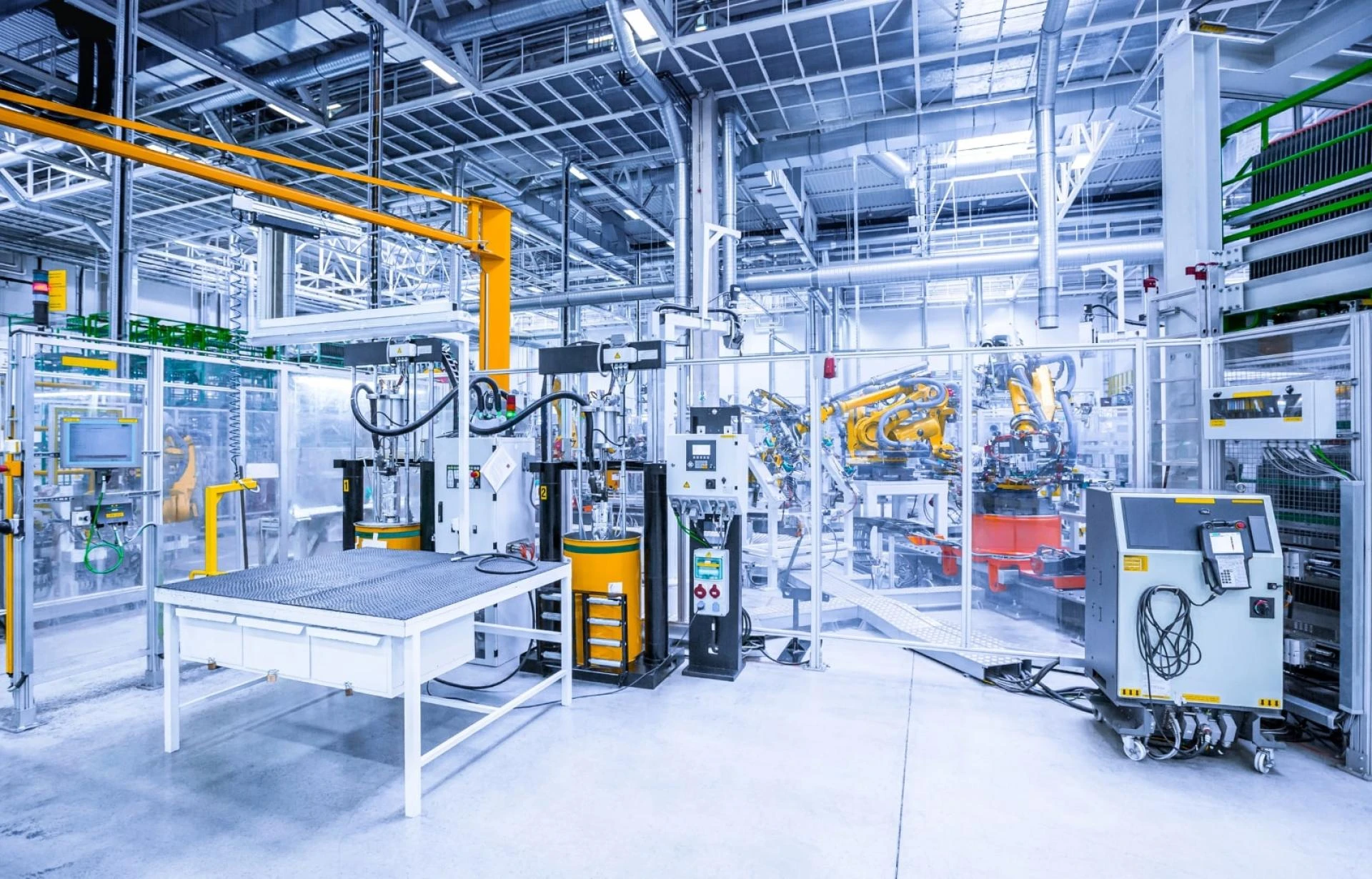

When it comes to ensuring workplace safety, the importance of industrial safety products cannot be overstated. Industrial safety products are designed to protect employees from a wide range of potential hazards in the workplace, including head injuries, chemical exposure, respiratory issues, and falls. With so many types of industrial safety products available, it can be difficult for employers to determine which products are right for their workplace. In this comprehensive guide, we will explore the range of industrial safety products available in Australia and provide valuable information on how to choose the right products to ensure the safety of employees in any industry.
The Importance of Workplace Safety
Workplace safety is of utmost importance in any industry. Ensuring the safety of employees should be a top priority for employers, as it not only protects employees from harm but also promotes a productive and efficient work environment. Workplace hazards can come in many forms, such as physical hazards (e.g. slips, trips, and falls), chemical hazards (e.g. exposure to hazardous chemicals), and biological hazards (e.g. exposure to infectious diseases). The presence of these hazards can lead to serious injuries or even fatalities if not properly addressed.
The first step in ensuring workplace safety is identifying and assessing potential hazards in the workplace. Employers should conduct regular risk assessments to identify and evaluate potential hazards and determine appropriate measures to mitigate risks. One of the most effective ways to mitigate workplace hazards is through the use of industrial safety products. Industrial safety products are designed to protect employees from potential hazards in the workplace.
There are various types of industrial safety products available in the market, such as isolation locks, hasps, locking brackets, isolation cabinets, mounting options and padlocks. Each type of industrial safety product is designed to protect employees from a specific type of hazard. The use of industrial safety products not only protects employees from harm but also promotes a culture of safety in the workplace. It sends a message to employees that their safety is a top priority and that their employer is taking appropriate measures to protect them. Employers who invest in industrial safety products demonstrate a commitment to ensuring a safe and healthy work environment for their employees.
Isolation Locks
Isolation locks play a crucial role in ensuring workplace safety during maintenance or repair work on machinery or equipment. They are designed to isolate machinery from its energy source, ensuring that it cannot be operated while workers are performing maintenance or repair tasks. There are various types of isolation locks available, each with its own unique features and benefits.
The most common types of isolation locks include electrical, pneumatic, and hydraulic locks. Electrical locks are designed to isolate electrical equipment by preventing the flow of electrical current. Pneumatic locks, on the other hand, are used to isolate pneumatic energy sources, such as air compressors. Hydraulic locks are designed to isolate hydraulic energy sources, such as hydraulic pumps.
Each type of isolation lock has its own unique features and benefits. For instance, electrical locks may be the most appropriate option when dealing with electrical equipment, while pneumatic locks may be more suitable for machinery that uses compressed air. Hydraulic locks may be the most effective option for machinery that uses hydraulic power. Understanding the differences between isolation locks is crucial when selecting the appropriate lock for a specific job.
When choosing the right isolation lock for a job, it's important to consider the specific needs of the task at hand. Factors to consider may include the type of energy source being used, the type of machinery being worked on, and the level of risk associated with the task. Employers should also ensure that their employees are properly trained in the use of isolation locks to ensure that they are being used correctly and effectively.
Hasps
Hasps are an important component of lockout-tagout (LOTO) procedures, which are designed to ensure the safety of employees during maintenance or repair work on machinery or equipment. Hasps are used to lockout machinery or equipment, preventing unauthorised access and ensuring that the machinery cannot be operated while maintenance or repair work is being performed. There are various types of hasps available, each with its own unique features and benefits.
The most common types of hasps include steel hasps, aluminium hasps, and plastic hasps. Steel hasps are the most durable and long-lasting option, making them ideal for use in harsh environments or with heavy machinery. Aluminium hasps are lighter in weight than steel hasps, making them more portable and easier to handle. Plastic hasps are the most cost-effective option and are typically used for less demanding applications.
Each type of hasp has its own unique features and benefits, and the selection of the appropriate hasp for a specific job is crucial. Factors to consider when choosing a hasp include the type of machinery or equipment being locked out, the level of security required, and the conditions in which the hasp will be used.
When choosing the right hasp for a job, it's important to consider the specific needs of the task at hand. For instance, a steel hasp may be the most appropriate option when dealing with heavy machinery or in harsh environments. An aluminium hasp may be more suitable for portable applications or for use with lighter equipment. Plastic hasps may be the most cost-effective option for less demanding applications.
Locking Brackets
Locking brackets are an essential component of lockout-tagout (LOTO) procedures, designed to ensure the safety of employees during maintenance or repair work on machinery or equipment. They are used to secure lockout devices in place, preventing unauthorised access to the machinery or equipment being serviced. There are various types of locking brackets available, each with its own unique features and benefits.
The most common types of locking brackets include steel locking brackets, aluminium locking brackets, and plastic locking brackets. Steel locking brackets are the most durable and long-lasting option, making them ideal for use in harsh environments or with heavy machinery. Aluminium locking brackets are lighter in weight than steel locking brackets, making them more portable and easier to handle. Plastic locking brackets are the most cost-effective option and are typically used for less demanding applications.
Each type of locking bracket has its own unique features and benefits, and the selection of the appropriate bracket for a specific job is crucial. Factors to consider when choosing a locking bracket include the type of machinery or equipment being serviced, the level of security required, and the conditions in which the bracket will be used.
When choosing the right locking bracket for a job, it's important to consider the specific needs of the task at hand. For instance, a steel locking bracket may be the most appropriate option when dealing with heavy machinery or in harsh environments. An aluminium locking bracket may be more suitable for portable applications or for use with lighter equipment. Plastic locking brackets may be the most cost-effective option for less demanding applications.
Isolation Cabinets
Isolation cabinets are an essential component of lockout-tagout (LOTO) procedures, designed to ensure the safety of employees during maintenance or repair work on machinery or equipment. They are used to isolate and contain hazardous energy sources, preventing them from being inadvertently activated during servicing. There are various types of isolation cabinets available, each with its own unique features and benefits.
The most common types of isolation cabinets include metal cabinets, plastic cabinets, and portable cabinets. Metal cabinets are the most durable and long-lasting option, making them ideal for use in harsh environments or with heavy machinery. Plastic cabinets are lighter in weight than metal cabinets, making them more portable and easier to handle. Portable cabinets are designed to be easily moved from one location to another and are ideal for use in areas where space is limited.
Each type of isolation cabinet has its own unique features and benefits, and the selection of the appropriate cabinet for a specific job is crucial. Factors to consider when choosing an isolation cabinet include the type of machinery or equipment being serviced, the level of security required, and the conditions in which the cabinet will be used.
When choosing the right isolation cabinet for a job, it's important to consider the specific needs of the task at hand. For instance, a metal cabinet may be the most appropriate option when dealing with heavy machinery or in harsh environments. A plastic cabinet may be more suitable for portable applications or for use with lighter equipment. Portable cabinets may be the most effective option for use in confined spaces.
Mounting Options
Mounting options are an important consideration when it comes to installing industrial safety products such as warning lights, sirens, or alarms. The choice of mounting option depends on several factors, including the type of product being installed, the location of the installation, and the intended purpose of the product. There are several different types of mounting options available, each with its own unique features and benefits.
The most common types of mounting options for industrial safety products include pole mounts, wall mounts, ceiling mounts, and magnetic mounts. Pole mounts are ideal for mounting warning lights or sirens in outdoor areas, such as parking lots or construction sites. Wall mounts are a popular choice for indoor installations and are suitable for a wide range of safety products. Ceiling mounts are commonly used in areas where wall space is limited, such as narrow hallways or corridors. Magnetic mounts are an easy-to-install option for temporary installations or for use with vehicles.
Each type of mounting option has its own unique features and benefits, making it important to choose the appropriate option for the job. For instance, a pole mount may be the best option for outdoor installations where visibility is key, while a wall mount may be the most practical choice for indoor installations where space is limited.
When selecting the right mounting option for a job, it's important to consider several factors, including the location of the installation, the type of product being installed, and the intended purpose of the product. Other factors to consider may include the material of the mounting surface, the weight of the product, and the level of security required.
Looking For Industrial Safety Products?
In conclusion, industrial safety products are an essential part of maintaining a safe and secure workplace environment. From warning lights and alarms to safety signs and lockout equipment, there are a wide variety of products available to suit the unique needs of any workplace. It's important for employers to take a proactive approach to workplace safety and invest in high-quality safety products that are designed to meet industry standards and regulations.
If you're looking for reliable and effective industrial safety products in Australia, look no further than Lock Safe. With years of experience in the industry and a commitment to quality and safety, we offer a comprehensive range of safety products to help keep your workplace secure. Contact them today to learn more about their products and services, and to find out how they can help you enhance safety and security in your workplace.
























Sign in to leave a comment.