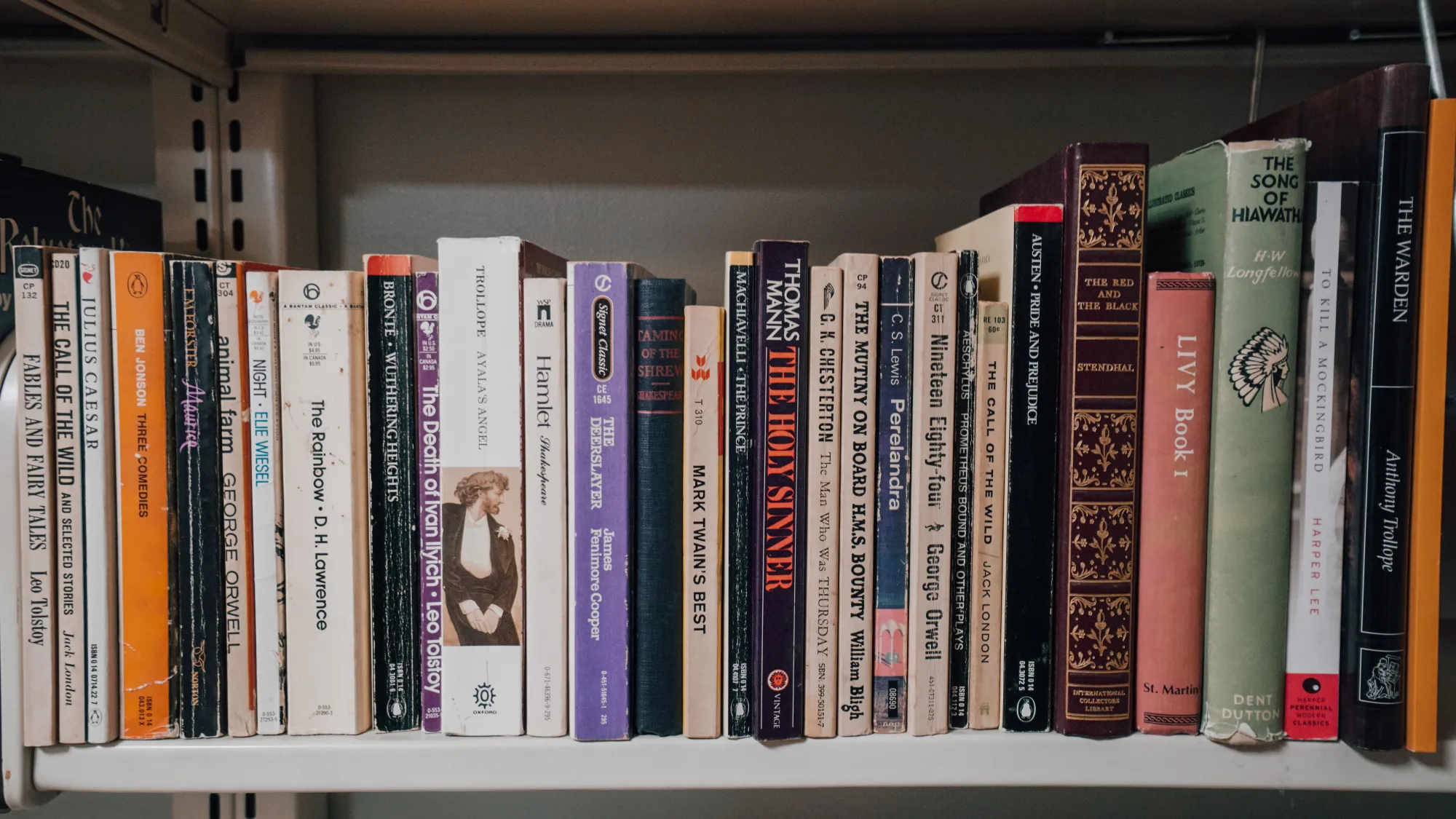

The landscape of contemporary fiction continues to evolve as authors experiment with new storytelling techniques, diverse perspectives, and layered narratives. Within this creative environment, Erika T. Wurth has established a distinctive literary voice that combines emotional storytelling with elements of horror, speculative fiction, and psychological suspense. Her work demonstrates how genre fiction can move beyond entertainment to examine identity, memory, resilience, and the complexities of the human experience.
Rather than following predictable genre conventions, her stories invite readers into carefully crafted worlds where atmosphere, character development, and thematic depth work together. This creative approach has earned recognition among readers and critics who appreciate fiction that balances compelling narratives with thoughtful exploration of broader ideas.
A Vision Rooted in Meaningful Storytelling
Every accomplished writer develops a unique creative vision that shapes the stories they tell. In contemporary horror and speculative fiction, that vision often determines how themes are introduced, how characters respond to conflict, and how readers interpret the narrative.
One of the defining characteristics of Erika's writing is her ability to blend emotional realism with imaginative storytelling. Instead of presenting events solely for dramatic effect, each narrative element contributes to a larger purpose. Characters are developed with care, settings enhance emotional impact, and suspense unfolds gradually through thoughtful pacing.
This storytelling philosophy creates novels that reward careful reading while remaining accessible to audiences who enjoy engaging and character-driven fiction.
Identity as a Central Theme
Identity is one of the most significant themes explored throughout modern literature. Rather than presenting characters with straightforward journeys, contemporary authors often examine how personal experiences, relationships, and environments influence an individual's understanding of themselves.
In literary horror and speculative fiction, identity becomes even more compelling because extraordinary circumstances often challenge familiar beliefs and perceptions.
Readers are encouraged to consider questions such as:
- How do past experiences shape present decisions?
- What defines a person's sense of belonging?
- How do memories influence emotional growth?
Can confronting fear lead to personal transformation?
These thematic questions create stories that extend beyond surface-level suspense.
The Role of Atmosphere in Narrative Design
Atmosphere is one of the strongest tools available to horror writers. Instead of relying only on sudden scares, effective storytelling gradually builds anticipation through carefully described settings, emotional tone, and subtle narrative clues.
Successful atmosphere often includes:
- Detailed environmental descriptions.
- Controlled pacing.
- Psychological uncertainty.
- Emotional tension.
Symbolic locations.
These elements work together to immerse readers in the fictional world before major conflicts emerge. The result is a more engaging reading experience where suspense develops naturally instead of feeling forced.
Character Development That Supports Every Theme
Memorable fiction depends on believable characters whose motivations evolve throughout the story. Rather than functioning as simple participants in frightening situations, well-written protagonists become the emotional foundation of the narrative.
Erika Wurth emphasizes characters with personal histories, emotional complexity, and meaningful relationships. Their internal struggles often become just as important as the external conflicts they encounter.
This layered characterization offers several benefits:
- Stronger emotional investment.
- Greater narrative realism.
- More effective suspense.
- Authentic dialogue and relationships.
Lasting emotional impact.
Readers connect more deeply with stories when they understand not only what characters experience but also why those experiences matter.
Balancing Horror with Literary Craft
Modern horror increasingly blends genre conventions with literary techniques that enhance both emotional and intellectual engagement. Instead of emphasizing constant action, many contemporary authors focus on pacing, symbolism, and carefully structured narratives.
This balance creates stories that appeal to a broad audience. Horror enthusiasts appreciate the suspense, while literary readers value the thoughtful themes and polished writing style.
Important literary techniques include:
- Symbolism that reinforces central ideas.
- Gradual escalation of conflict.
- Rich descriptive language.
- Consistent narrative pacing.
Emotional authenticity.
These techniques demonstrate how horror can function as both compelling entertainment and meaningful literature.
A Contemporary Perspective on Storytelling
Readers today often seek fiction that reflects diverse viewpoints and authentic experiences. Contemporary literature continues to expand by embracing stories that explore different cultures, perspectives, and personal histories while remaining universally relatable.
This broader approach strengthens storytelling by introducing fresh voices and expanding the range of experiences represented in modern fiction.
When combined with psychological suspense and carefully developed narratives, these perspectives create stories that resonate with readers long after they finish the final page.
Critical Recognition and Growing Influence
Recognition from respected publishers, literary reviewers, reading communities, and author interviews reflects both creative achievement and lasting influence. Positive critical attention introduces new audiences to an author's work while highlighting contributions to contemporary literature.
As literary horror continues to grow, authors who combine originality with strong technical storytelling help shape the future of the genre. Thoughtful narrative construction, memorable characters, and thematic depth contribute to long-term recognition within both literary and genre communities.
This continued appreciation demonstrates that readers value stories offering substance alongside suspense.
Why Readers Continue to Connect with Her Work
The enduring appeal of contemporary fiction often depends on its ability to combine entertainment with meaningful exploration of human experiences.
Readers appreciate stories that offer:
- Emotional depth.
- Immersive settings.
- Thought-provoking themes.
- Carefully developed characters.
Balanced literary and genre storytelling.
These qualities encourage multiple readings while allowing different audiences to interpret the narratives in their own ways.
Such versatility has become an important characteristic of successful contemporary fiction.
Conclusion
The creative vision behind Erika T Wurth reflects a commitment to thoughtful storytelling, emotional authenticity, and literary craftsmanship. Through carefully constructed narratives, memorable characters, and layered themes, her work demonstrates how horror and speculative fiction can explore identity, resilience, memory, and personal transformation without sacrificing suspense or atmosphere.
As contemporary literature continues to embrace innovative voices and meaningful storytelling, Erika T. Wurth remains a notable contributor to the genre. Her ability to unite literary techniques with engaging narratives ensures that her work continues to resonate with readers seeking fiction that is both intellectually rewarding and emotionally compelling.





























Sign in to leave a comment.