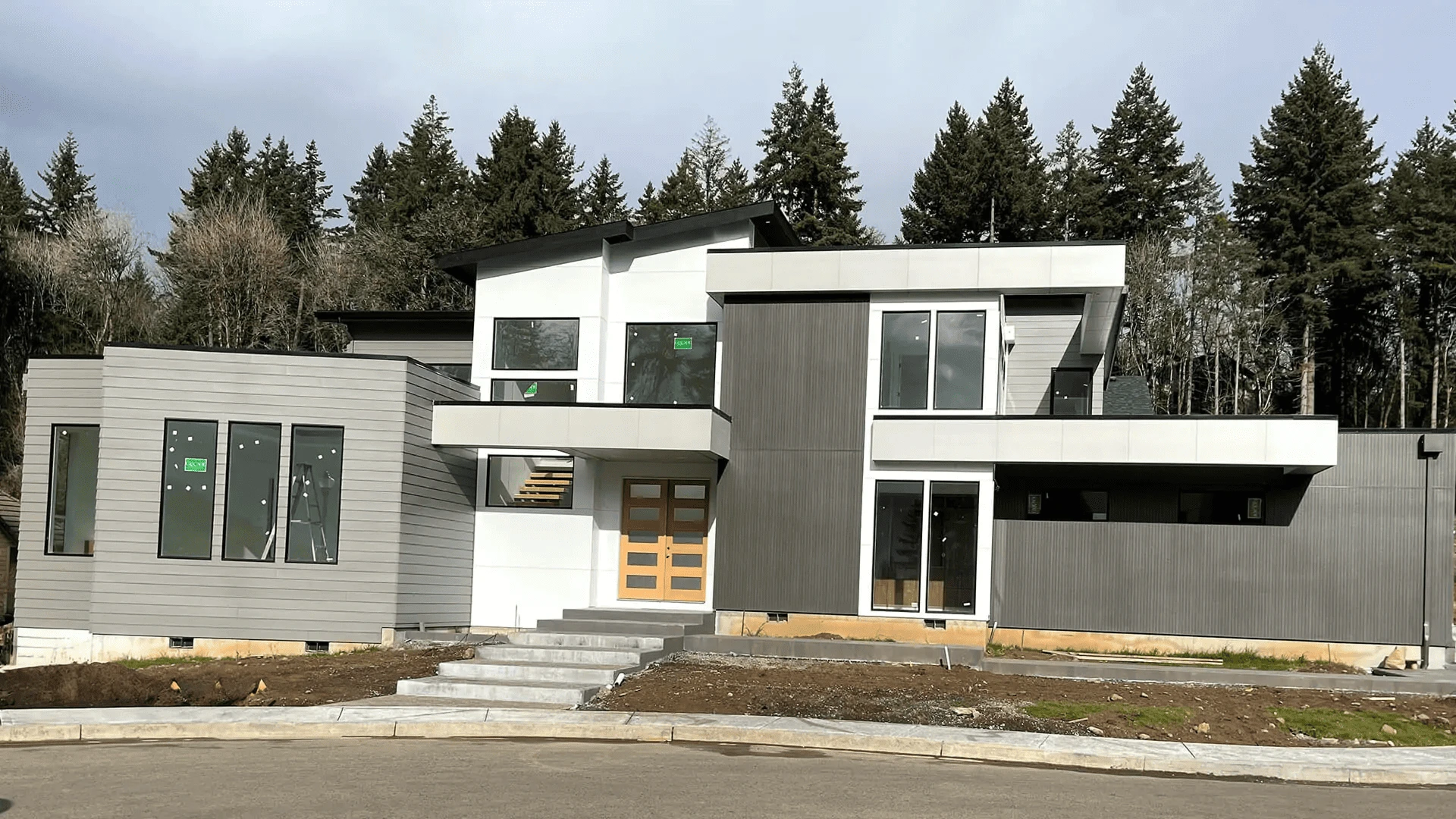

Most exterior problems start quietly, then announce themselves only when the surface can no longer hide them. Homeowners often first hear this from a siding contractor in Portland, OR, because the visible “damage” is usually the end of a long chain, not the beginning. By the time paint bubbles or trim softens, the underlying system has already been stressed through multiple wet-and-dry cycles.
The most common hidden issue is moisture moving where it shouldn’t. Wind-driven rain doesn’t just hit walls — it follows edges, corners, and tiny openings around windows, doors, vents, and roof-to-wall lines. If flashing is missing, layered incorrectly, or interrupted by later work, water can slip behind the surface and travel downward. You may never see a leak inside, yet sheathing can stay damp, fasteners can corrode, and wood can slowly lose strength.
Air leakage is another invisible driver. Small gaps at transitions let warm, moist air push into cooler wall cavities. That moisture can condense, especially during temperature swings, creating damp conditions without a single dramatic event. Homes then feel drafty, rooms near exterior walls feel harder to heat or cool, and utility costs creep up. The exterior may look fine, but the house is quietly paying for it every month.
Patchwork repairs can hide the real story. When different areas are updated at different times — new caulk here, a replaced panel there — the surface looks “maintained,” yet the drainage path becomes inconsistent. Water gets redirected onto details that weren’t built to handle it, and the first visible sign might be staining under a window or swelling at a corner trim joint. What looks like a local failure is often a system mismatch.
Exposure differences make the damage uneven. North-facing walls dry slower. Areas near grade stay damp longer. Roof overhangs, gutters, and downspouts change where water lands. If runoff is concentrated onto one section, materials there age faster, and the contrast can make the home feel like it’s failing in random spots. It isn’t random — weather is simply testing the weakest, slowest-drying locations first.
Hidden damage also builds around fasteners and penetrations. Nails and screws can loosen as materials expand and contract, creating openings that widen over time. A slight lift at a lap or corner becomes a capillary path for water, especially during wind-driven rain.
Window and door perimeters are another quiet trouble zone. Even good units can struggle if surrounding layers aren’t integrated. A gap in head flashing or trim that traps runoff can keep areas damp without obvious interior leaks, leading to paint that won’t last and joints that fail repeatedly.
Interrupted drying is just as costly. Walls need a way to release moisture after storms and seasonal swings. If older repairs added layers that block airflow, drying slows down, and swelling or odors appear even though “nothing is leaking.”
Insects often arrive after moisture has already softened wood. The goal isn’t to seal the house like a container — it’s to control where water goes and how the structure dries after every storm.
Base-of-wall details are another early failure point. Splashback from hard surfaces and soil contact keep lower sections wet longer, so small gaps at the starter line can feed moisture upward. Look for missing kickout flashing where a roof edge meets a wall, or downspouts that dump runoff onto siding — both create “mystery” rot in predictable places. It’s rarely visible until trim feels soft so.
A full inspection looks for patterns, not just broken pieces. It checks where layers meet, how water exits, and whether assemblies can dry. That’s why experienced roofing and siding contractors focus on transitions and sequencing more than cosmetics. When you correct the hidden paths — water direction, airflow, drying space — the visible damage usually stops repeating, because the cause is finally removed.
























Sign in to leave a comment.