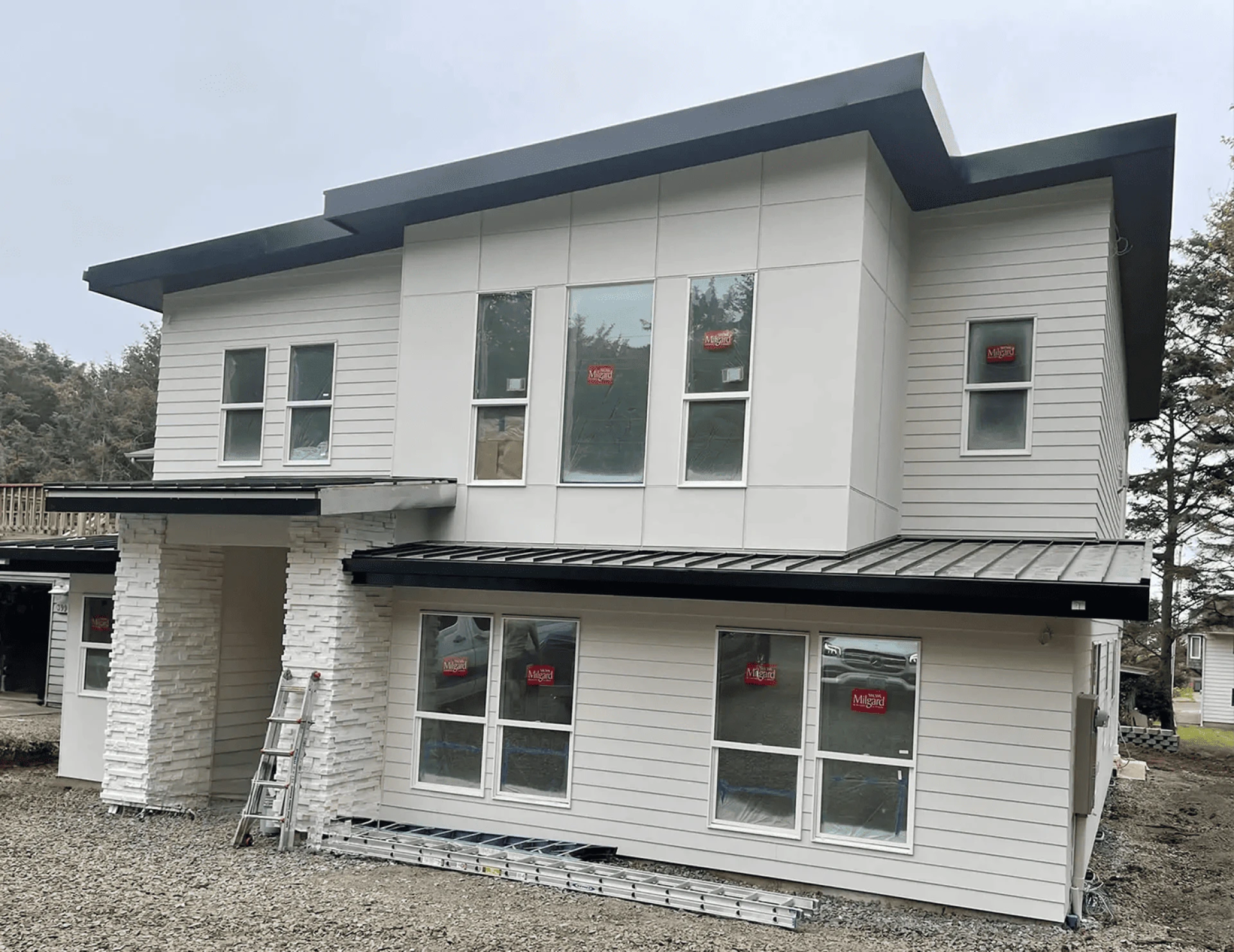

Most homeowners think energy efficiency begins with the furnace or new windows. In reality, it often starts with the exterior envelope, which is why a siding contractor in Tigard, OR will talk about gaps, layers, and drying paths before brands or colors. When outside air can slip through transitions, your HVAC system is forced to “fix” the house every hour of the day.
Energy loss usually shows up at seams: where roof meets wall, where trim interrupts siding, where penetrations were sealed but not detailed. These spots don’t always leak water, but they leak air, and air carries heat with it. Add moisture to that mix and insulation performs worse, because damp assemblies don’t hold temperature the same way, and materials cycle through expansion and contraction more aggressively.
A smart exterior upgrade reduces this waste without changing your daily routine. Proper overlaps, integrated flashing, and consistent detailing tighten the boundary while still letting the wall dry after rain. You also reduce the chance that small leaks turn into bigger repairs later, because controlled airflow and controlled moisture usually travel together.
The long-term benefit is predictability: fewer “cold corners,” less overworking of equipment, and lower bills that aren’t dependent on perfect weather. That’s why experienced roofing and siding contractors treat efficiency as a building behavior issue, not a gadget problem. They look for simple wins like corrected transitions and balanced ventilation, because those changes compound season after season quietly. When the outside works correctly, the inside becomes easier to manage.























Sign in to leave a comment.