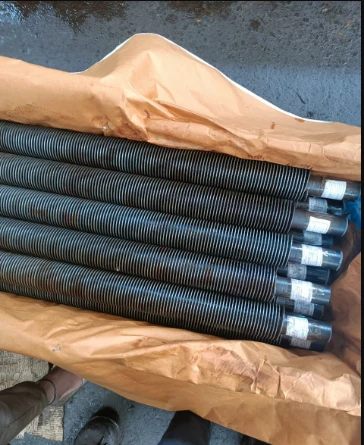

Refineries are among the most complex industrial environments, operating under extreme temperatures, high pressures, and continuous workloads. In such conditions, efficiency and durability of heat transfer equipment play a vital role in ensuring smooth operations. Among the different components used, finned tubes stand out as an essential element in heat exchangers, air coolers, and other refinery systems. Over the years, two types of finned tubes—extruded and welded—have been widely used. However, extruded fin tubes are steadily emerging as the preferred choice for refineries due to their superior performance, longevity, and reliability.
In this blog, we will explore the advantages of extruded fin tubes over welded fin tubes in refinery applications and explain why industries are making the switch.
Understanding Finned Tubes in Refineries
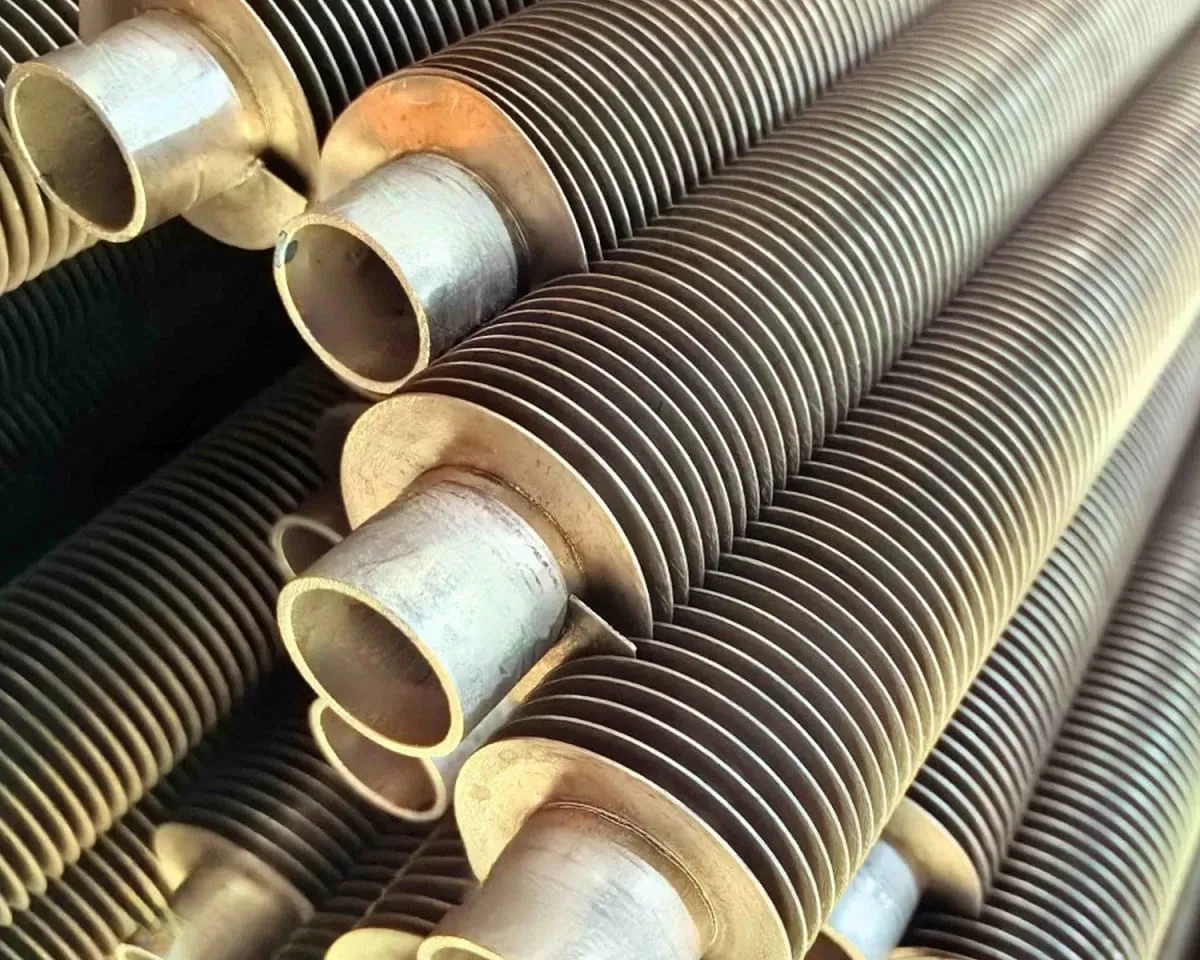
Finned tubes are specialized heat transfer components that maximize the surface area available for heat exchange. By attaching fins to the base tube, the efficiency of heat transfer between fluids or gases is significantly improved. This makes them indispensable in refinery operations, where cooling, heating, and energy recovery are constant requirements.
The two common manufacturing methods for finned tubes are:
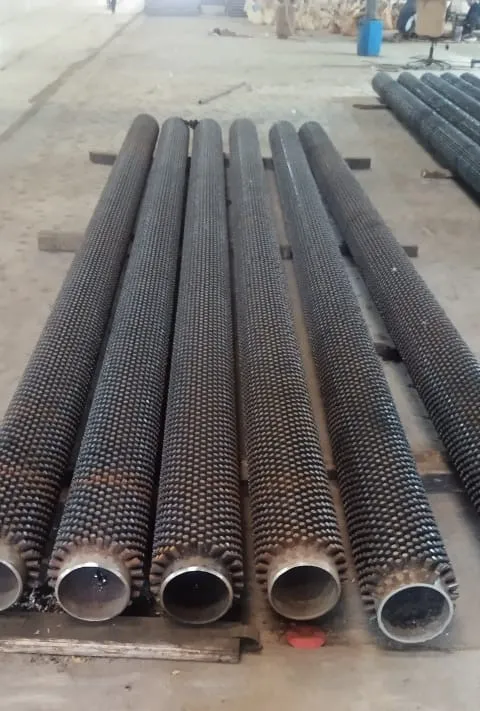
- Welded Fin Tubes – Fins are welded onto the base tube, typically through high-frequency welding or other mechanical processes.
- Extruded Fin Tubes – Fins are formed by extruding aluminum or other materials directly onto the base tube, ensuring a strong metallurgical bond without welding.
While both types serve their purpose, the differences in manufacturing and performance make extruded fin tubes better suited for the demanding conditions of refineries.
Limitations of Welded Fin Tubes
To appreciate the advantages of extruded fin tubes, it’s important to understand the drawbacks of welded ones:
- Risk of Corrosion: The weld joints often act as weak spots, prone to corrosion when exposed to aggressive refinery environments.
- Mechanical Weakness: Welded connections may loosen or crack under high vibration or thermal cycling.
- Lower Heat Transfer Efficiency: Welded fins may not have uniform contact with the base tube, reducing overall efficiency.
- Higher Maintenance Needs: Frequent inspections and replacements are required to maintain performance.
These issues can lead to higher operational costs and downtime, making welded fin tubes less desirable in modern refinery operations.
Advantages of Extruded Fin Tubes in Refineries
1. Superior Heat Transfer Efficiency
Extruded fin tubes are manufactured by extruding fins directly from a sleeve material onto the base tube under high pressure. This process creates an excellent bond with no air gaps, ensuring maximum heat transfer between the fin and the tube. For refineries, where efficient thermal management directly impacts productivity, this advantage is crucial.
2. Enhanced Corrosion Resistance
Since extruded fins completely cover the base tube, the risk of exposure to corrosive refinery gases and chemicals is minimized. The protective layer shields the tube from direct contact, extending its service life significantly compared to welded designs.
3. Mechanical Strength and Durability
The extrusion process creates a strong metallurgical bond between the fin and the tube. Unlike welded fins that can break or detach, extruded fins are more resistant to vibration, thermal cycling, and mechanical stress—common challenges in refineries.
4. Improved Service Life
With higher resistance to corrosion, oxidation, and wear, extruded fin tubes last much longer than welded alternatives. This translates into fewer replacements, reduced downtime, and overall lower lifecycle costs.
5. Uniform Fin Structure
Extruded finned tubes provide consistent fin geometry and spacing, resulting in predictable and reliable heat transfer performance. This uniformity enhances the design accuracy of refinery heat exchangers and improves overall energy efficiency.
6. Low Maintenance Requirements
Because extruded fins are stronger and better bonded, they require less frequent maintenance and inspection. This is especially valuable in refinery environments, where equipment downtime directly affects profitability.
7. Higher Operational Safety
By reducing the risk of fin detachment or corrosion-related failures, extruded fin tubes contribute to safer refinery operations. Safety is always a top priority in such high-risk industries.
Applications of Extruded Fin Tubes in Refineries
Extruded fin tubes find widespread applications across refinery operations, including:
- Air-Cooled Heat Exchangers (ACHEs) – For cooling process fluids and gases.
- Heat Recovery Units – For capturing waste heat and improving energy efficiency.
- Gas Coolers and Condensers – For effective phase change and cooling processes.
- Process Heaters – To maintain optimal temperatures in various refinery stages.
- Reboilers and Evaporators – For heating and separation processes.
In each of these applications, the advantages of extruded fin tubes over welded ones become evident through better reliability and performance.
Cost Considerations: Extruded vs. Welded Fin Tubes
At first glance, welded fin tubes may seem more affordable due to lower initial manufacturing costs. However, when you factor in maintenance, replacement frequency, energy efficiency, and downtime, extruded fin tubes offer better long-term value. Refineries that prioritize reliability and efficiency increasingly recognize the cost-effectiveness of extruded designs.
The Growing Trend Toward Extruded Fin Tubes
With advancements in manufacturing technologies and growing awareness about lifecycle costs, many refineries are shifting from welded to extruded finned tubes. The emphasis is no longer just on upfront costs but on performance, durability, and sustainability. Extruded fin tubes support these goals by ensuring higher energy efficiency, reduced material waste, and longer operating life.
Conclusion
In the demanding environment of refineries, choosing the right type of finned tubes can make a significant difference in efficiency, cost, and safety. While welded fin tubes have served industries for decades, extruded fin tubes offer clear advantages in terms of heat transfer efficiency, corrosion resistance, durability, and maintenance savings.
For refineries aiming for long-term performance and reduced operational risks, extruded fin tubes are undoubtedly the smarter choice.
Anand Seamless Limited, a trusted manufacturer of seamless tubes and finned tubes, continues to deliver high-quality solutions tailored to refinery and industrial applications. By adopting extruded fin tubes, industries can achieve reliable performance and enhanced productivity, ensuring that their operations remain competitive in a challenging global market.


























Sign in to leave a comment.