
Let’s start with a simple question: when you think back to the last food exhibition you attended, what stayed with you longer—the design of the stand or the person who spoke to you?
Walk through any food or ingredient expo today, and you’ll see stands competing visually. High-resolution screens, carefully chosen fonts, and perfectly aligned panels. Yet, despite all that polish, many stands struggle to leave a lasting impression. The reason is straightforward. Design can attract attention, but people create trust. And in the food industry, trust is the real differentiator.
This isn’t about dismissing good design. It’s about recognizing what truly influences decision-making on the exhibition floor.
Why Human Interaction Carries More Weight in Food Businesses
Food industry decisions are rarely spontaneous. Whether buyers are evaluating ingredient suppliers, processing partners, or long-term sourcing options, they’re looking for reliability and reassurance.
That reassurance doesn’t come from reading wall text.
It comes from:
- Clear, honest explanations
- Direct answers to practical concerns
- Conversations that feel grounded and accountable
Exhibition visitors often arrive with specific questions around quality standards, supply consistency, or operational fit. A real conversation addresses these concerns far more effectively than static visuals ever can.
The Psychology Behind Faces Over Fonts
There’s a reason visitors instinctively look for people before they read anything else.
Human interaction naturally builds:
- Trust—People trust people, not printed promises
- Recall – Conversations are remembered longer than layouts
- Comfort—Tone and body language reduce hesitation
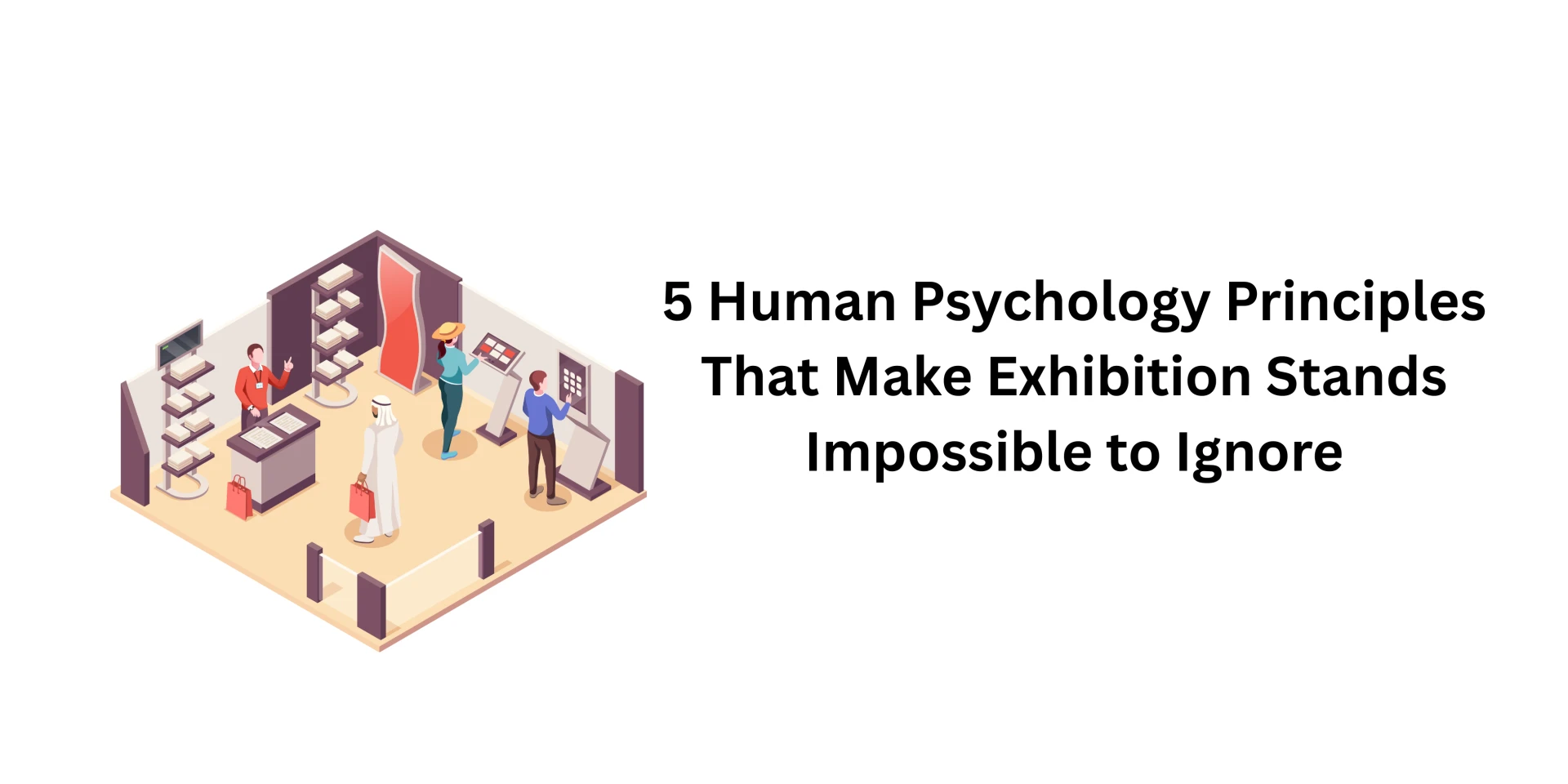
These ideas closely align with the behavioural insights discussed in The Standout Factor: 5 Psychological Levers to Make Your Exhibition Stand Unforgettable, where emotional connection plays a stronger role than visual perfection alone. A stand becomes memorable not because it looks impressive, but because it feels human and engaging.
What Even the Best Graphics Can’t Do
Well-designed visuals have their place, but they come with limits.
Graphics can:
- Communicate positioning
- Support brand credibility
- Create initial interest
But they cannot:
- Respond to follow-up questions
- Adapt to the visitor’s intent
- Read hesitation or curiosity
- Build genuine rapport
In food industry discussions, conversations often shift quickly—from pricing to logistics to compliance. That flexibility only comes from people.
How to Put Faces First Without Sacrificing Design
Successful food brands don’t choose between people and design. They design around interaction.
What works consistently on the exhibition floor:
1. Design for Conversation
Avoid cluttered panels. Give space for people to talk without visual noise competing for attention.
2. Focus on Team Readiness
Stand staff should be comfortable:
- Starting conversations naturally
- Listening before explaining
- Speaking clearly and simply
3. Let Visuals Invite Dialogue
Use short prompts or visuals that spark questions instead of explaining everything upfront.
4. Keep People Visible
Open layouts and clear sightlines make it easier for visitors to approach and engage.
These practical choices reinforce the same principles highlighted in The Standout Factor: 5 Psychological Levers to Make Your Exhibition Stand Unforgettable, where human presence becomes central to recall and engagement—especially in high-trust sectors like food.
The Real Takeaway
In the food industry, trust isn’t built through perfect graphics. It’s built through presence, clarity, and conversation.
Strong visuals may catch the eye. Genuine human interaction earns confidence and long-term recall.
So when planning your next exhibition stand, ask yourself one honest question:
Are we designing something that looks good—or something that invites real conversation?
Because in the end, faces will always beat fonts.
























Sign in to leave a comment.