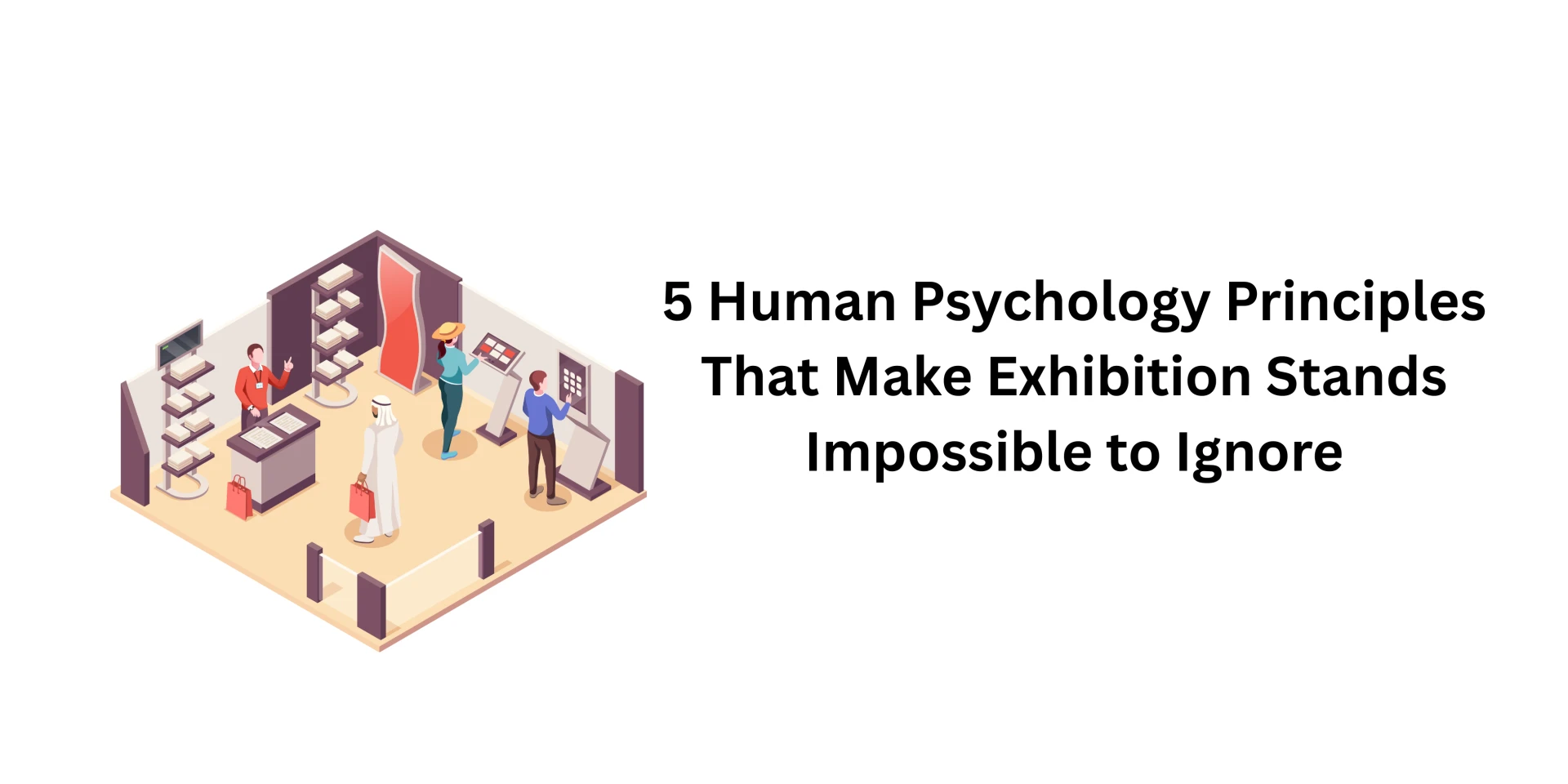

Exhibitions remain one of the most effective channels for B2B companies to meet decision-makers face to face. However, most exhibition halls are crowded with similar-looking stands competing for the same attention. Some attract steady footfall and meaningful conversations, while others are passed by without a second glance.
The difference often comes down to human psychology. Business leaders make quick, instinctive decisions before engaging logically. When exhibition stands align with how people naturally think and react, they gain attention, trust, and recall. Below are five human psychology principles that make exhibition stands impossible to ignore and help convert visibility into business value.
How Human Psychology Influences Exhibition Decisions
Visitors do not analyze every stand they see. In a busy exhibition environment, the brain filters information rapidly to avoid overload. Within seconds, people decide whether a stand feels relevant, credible, and approachable.
For B2B audiences, especially VPs, CXOs, and Directors, time is limited and focus is goal-driven. They stop only when something feels clear and familiar. Understanding these mental shortcuts is essential for creating exhibition stands that attract the right audience rather than just more people.
1. Visual Simplicity Drives Immediate Attention
The human brain reacts faster to simple visuals than complex ones. In exhibitions, clarity wins. Stands with too many messages, images, or design elements create confusion, which leads visitors to move on.
A strong stand communicates one clear idea. A short headline, focused message, and uncluttered design allow visitors to understand what the brand offers within seconds. Senior professionals value efficiency. When information is easy to process, it signals confidence and competence, increasing the likelihood of engagement.
2. Familiarity Builds Instant Trust
People naturally trust what feels familiar. This psychological response plays a major role in exhibition environments. Consistent branding across colors, typography, and messaging makes a stand feel organized and reliable.
Inconsistency, on the other hand, raises doubts about credibility. For decision-makers considering partnerships or investments, these details matter. A professionally executed exhibition presence reinforces brand confidence and helps establish trust even before conversations begin.
3. Open Space Reduces Psychological Barriers
Physical space has a direct impact on emotional comfort. Crowded or closed layouts make people feel restricted, which leads to avoidance. Open designs invite entry and reduce hesitation.
Clear walkways, visible entrances, and comfortable spacing allow visitors to move freely and engage without pressure. When people feel comfortable, they stay longer and ask better questions. For B2B brands, this translates into deeper discussions rather than rushed exchanges.
4. Human Engagement Triggers Interest
While design attracts attention, people ultimately respond to other people. Staff behavior plays a critical psychological role in exhibition success. Calm, welcoming, and well-informed team members make a stand feel approachable.
Visitors prefer genuine conversations over sales pressure. Knowledgeable staff who listen and offer relevant insights create trust and interest. For senior professionals, respectful engagement reflects professionalism and increases the chance of meaningful follow-up after the event.
5. Message Focus Improves Recall After the Event
Exhibitions expose visitors to hundreds of brands. As a result, memory is selective. Most people remember only one or two clear messages after the event ends.
Successful exhibition stands focus on a single core benefit rather than multiple offerings. Repetition across visuals, conversations, and materials strengthens recall. When the message is simple and consistent, it is more likely to be remembered during post-event decision-making and follow-up discussions.
Using Psychology to Improve Exhibition Results
Ignoring psychology often leads to wasted exhibition budgets. Understanding how people think, feel, and decide helps brands design stands that attract attention and build trust naturally.
Visual clarity, familiarity, open space, human engagement, and focused messaging are not design trends. They reflect basic human behavior. When applied thoughtfully, these principles turn exhibition stands into effective business tools that support stronger conversations, better lead quality, and higher long-term returns.






























Sign in to leave a comment.