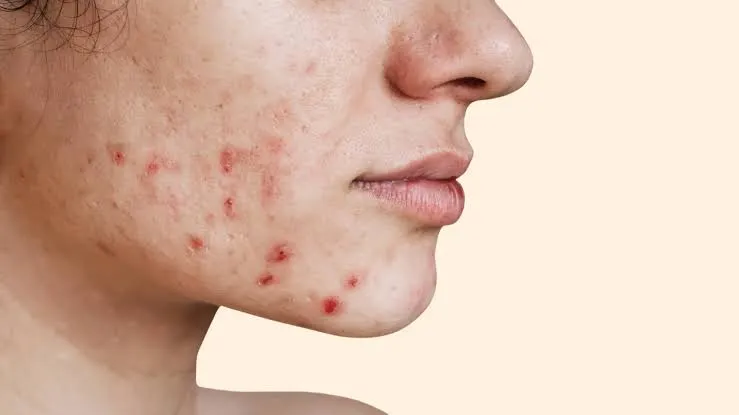

Acne is a persistent skin condition that affects millions of individuals across all age groups. While often associated with adolescence, facial breakouts frequently extend into adulthood, causing both physical discomfort and emotional distress. Finding an effective, long-term solution requires understanding the biological mechanisms behind breakouts and exploring clinically proven interventions.
At Rania Aesthetic Studio, we focus on advanced dermatological care and personalized skin rejuvenation strategies to restore clarity and confidence.
Understanding the Primary Causes of Facial Acne Breakouts
Facial acne occurs when hair follicles become clogged with oil, dead skin cells, and bacteria. While the visible result is often a bump or lesion on the skin surface, the underlying causes are multifaceted and often interconnected.
Excessive Sebum Production
Sebaceous glands produce sebum, an oily substance that naturally lubricates and protects the skin. However, hormonal fluctuations, stress, and genetic factors can cause these glands to overproduce oil. Excess sebum creates a heavy environment where dead skin cells stick together instead of naturally shedding, forming microcomedones—the precursors to acne.
Accumulation of Dead Skin Cells
The human skin constantly renews itself through cellular turnover. When this process slows down or functions improperly, dead skin cells build up inside the pore opening. This buildup traps sebum beneath the surface, leading to blackheads, whiteheads, and inflamed pimples.
Bacterial Proliferation (Cutibacterium acnes)
Cutibacterium acnes (formerly Propionibacterium acnes) is a naturally occurring bacterium on human skin. When a pore becomes blocked with excess oil and dead skin, it creates an oxygen-deprived environment where C. acnes thrives rapidly. The bacteria feed on the trapped sebum, triggering an inflammatory response from the immune system.
Inflammation and Hormonal Triggers
Inflammation is responsible for the redness, swelling, and soreness associated with deeper acne lesions. Hormonal changes—such as those experienced during puberty, menstrual cycles, pregnancy, or periods of high stress—stimulate androgen receptors in the sebaceous glands, compounding oil production and accelerating inflammatory breakouts.
The Role of Laser Technology in Modern Acne Management
Topical treatments and oral medications are traditional approaches to acne care, but they can take months to show results and may cause systemic side effects or localized dryness. Advanced energy-based therapies offer a targeted non-invasive alternative that treats acne directly at its source.
If you are seeking advanced clinical skincare solutions, exploring professional laser treatment in sugar land can provide a powerful path toward targeted skin healing and long-term clarity.
How Laser Therapy Targets Acne
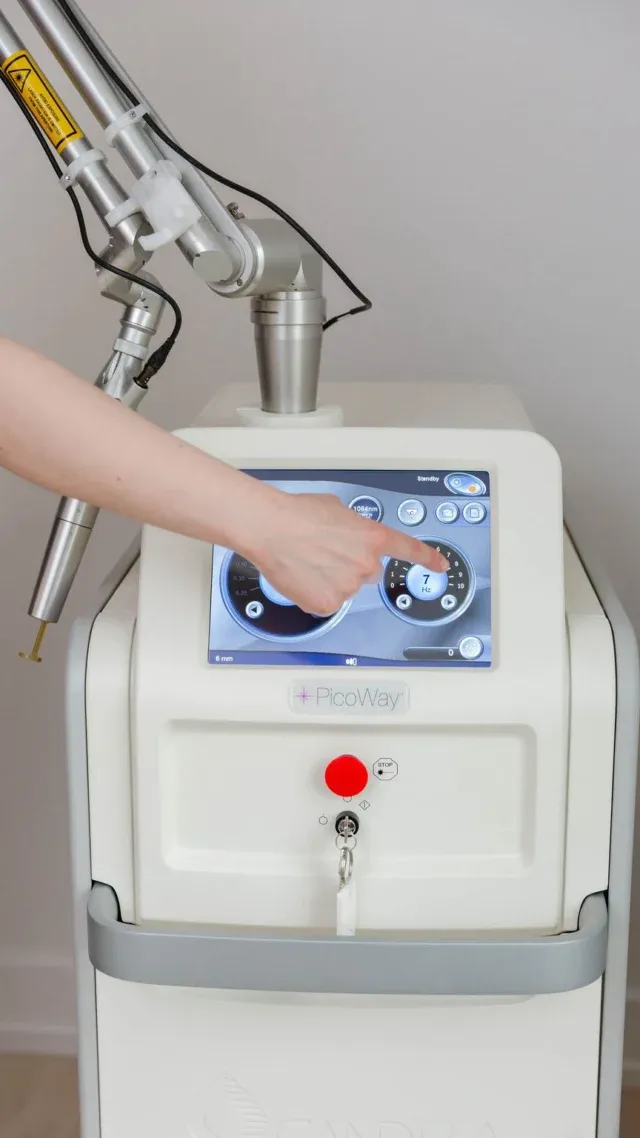
Laser treatments utilize specific wavelengths of light energy to penetrate beneath the surface layer of the skin without damaging the outer epidermal layer. This targeted light approach works through three primary mechanisms:
- Eliminating Acne Bacteria: Photothermal energy breaks down the cell walls of acne-causing bacteria, reducing their population deep within the pores.
- Shrinking Sebaceous Glands: Controlled thermal heat temporarily reduces the size and activity of overactive oil glands, drastically lowering sebum production.
- Calming Active Inflammation: Light wavelengths stimulate microcirculation and cellular repair, soothing red, swollen skin and speeding up the natural healing cycle.
Preventing Post-Acne Scars and Hyperpigmentation
One of the greatest challenges of recurring acne is the damage left behind, such as post-inflammatory hyperpigmentation (dark spots) or textural scarring. By suppressing active inflammation early and promoting collagen remodeling in the deeper dermis, laser therapy not only resolves current breakouts but also helps prevent future structural scarring.
What to Expect During a Professional Consultation and Treatment Session
A successful clinical outcome begins with a comprehensive skin analysis. Every skin type, tone, and acne severity level requires a tailored protocol to balance efficacy and safety.
Initial Assessment and Skin Mapping
A thorough consultation evaluates active lesion types, skin barrier strength, medical history, and past treatment responses. This step ensures that energy settings are precisely customized to target your specific concerns without irritating surrounding tissues.
The Treatment Procedure
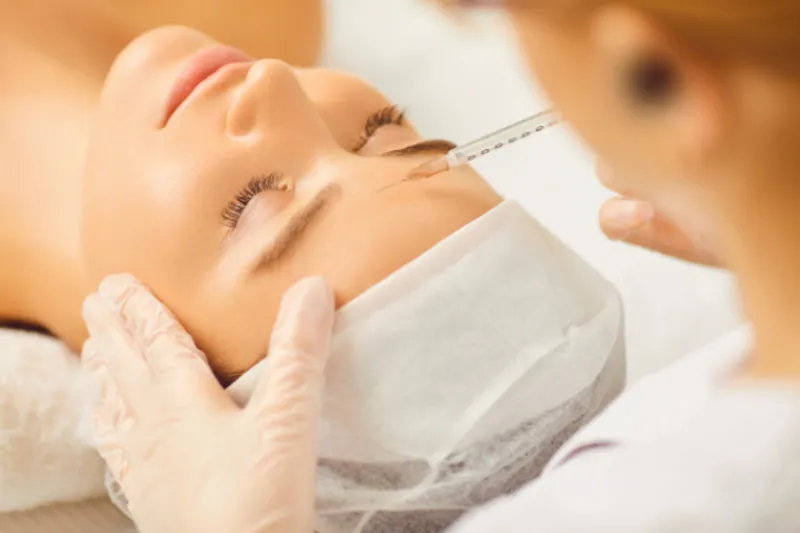
During a session, the targeted area is thoroughly cleansed. Protective eyewear is provided to shield the eyes from light exposure. As the laser handpiece moves across the skin, patients typically experience a mild warming sensation or a gentle snapping feeling. Treatment sessions are quick, often lasting between 30 to 45 minutes depending on the total area treated.
Post-Care and Recovery
Laser acne therapies generally require minimal down time. Skin may appear mildly flushed for a few hours following the session, similar to a slight sunburn. Applying broad-spectrum sunscreen, avoiding direct heat, and using gentle, non-comedogenic hydrating products during the recovery window protects the skin barrier and optimizes final results.
Building a Comprehensive Path to Clear Skin
While laser treatments offer profound results for stubborn breakouts, optimal outcomes are achieved when clinical procedures are combined with proper daily maintenance. Using balanced cleansers, maintaining adequate hydration, avoiding picking at active lesions, and protecting skin from UV damage reinforce the benefits of professional therapies.
Understanding your skin's unique needs is the first step toward lasting health. With expert care, advanced technology, and personalized treatment plans, achieving a clearer, smoother, and healthier complexion is entirely within reach.


























Sign in to leave a comment.