

Job satisfaction is a critical element that drives employee engagement, retention, and overall success. It refers to an individual's level of contentment and happiness with their job, including the work environment, compensation, and overall work experience.
Several factors can influence job satisfaction, and it is essential for employers and managers to understand these factors to create a fulfilling work environment that attracts and retains top talent. This article will explore the primary factors that affect job satisfaction and provide insights into how organizations can improve their employees' overall work experience.
Compensation and Benefits: Fair Pay for Fair Work
Compensation and benefits are critical drivers of employee satisfaction. Employees expect to be paid fairly for the work they do and receive competitive benefits, including health insurance, paid time off, and retirement savings plans. When employees feel that their compensation is equitable and commensurate with their skills and experience, they are more likely to feel valued and motivated to perform at their best.
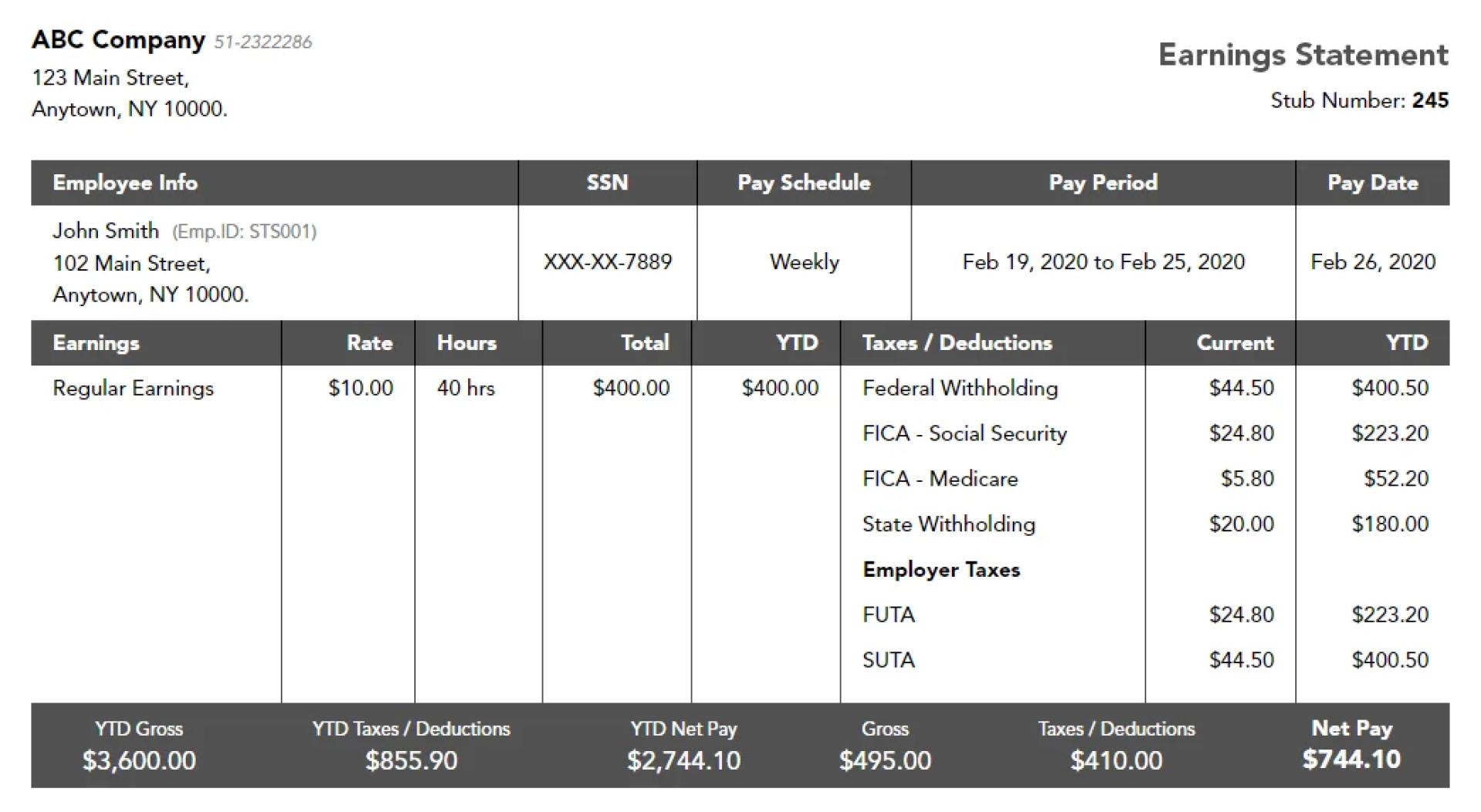
However, compensation and benefits are not the only factors that drive job satisfaction. A recent study found that employees ranked work-life balance, job security, and opportunities for growth and development higher than pay and benefits in terms of overall job satisfaction. In addition, timely and accurate wage payment is always received well.
Work-Life Balance: Balancing Work and Personal Life
Achieving work-life balance is crucial for employee happiness and job satisfaction. Employees who have a healthy balance between their work and personal life are less stressed, more productive, and have higher job satisfaction. Employers can facilitate work-life balance by providing flexible work schedules, remote work options, and offering generous paid time off. By providing employees with the tools and support they need to achieve work-life balance, organizations can enhance employee well-being and overall job satisfaction.
Job Autonomy: Empowering Employees to Take Control
Employees who feel empowered and trusted to make decisions and take control over their work are more satisfied and engaged in their jobs. Job autonomy refers to the level of control employees have over their work, including the ability to make decisions and take ownership of their responsibilities. Providing employees with job autonomy can increase their sense of fulfillment and motivation, leading to higher job satisfaction.
Work Environment: Creating a Positive and Supportive Workplace
The work environment can have a significant impact on employee happiness and job satisfaction. A positive and supportive work environment can enhance employee morale, motivation, and productivity. Employers can create a positive work environment by promoting open communication, providing regular feedback, recognizing employee achievements, and fostering positive relationships among colleagues.
Relationships with Colleagues: Building Strong Bonds
Strong relationships with colleagues can also enhance job satisfaction. Employees who feel supported and valued by their colleagues are more likely to enjoy their work and have higher levels of job satisfaction. Employers can promote positive relationships among employees by facilitating team-building activities, encouraging collaboration, and promoting a culture of respect and inclusivity.
Additional Factors Affecting Job Satisfaction
In addition to the factors mentioned above, several other factors can influence job satisfaction, including:
Opportunities for Growth and Development: Employees who have access to opportunities for growth and development are more likely to feel fulfilled and motivated in their jobs. Employers can provide these opportunities by offering training and development programs, career advancement opportunities, and coaching and mentoring programs.Recognition and Rewards: Employees who feel recognized and rewarded for their hard work and achievements are more likely to feel valued and motivated to continue performing at their best. Employers can provide recognition and rewards through bonuses, promotions, public recognition, and other forms of acknowledgment.Job Security: The level of job security can also impact job satisfaction. Employees who feel secure in their jobs are less stressed and more likely to feel content and happy in their roles. Employers can provide job security by offering stable employment contracts, competitive compensation, and benefits packages, and creating a stable work environment.Job Fit: Employees who feel that their skills and interests align with their job responsibilities are more likely to be satisfied with their job. Employers can promote job fit by aligning employees' skills and interests with their job responsibilities and providing opportunities for employees to engage in work that aligns with their strengths.Barriers to Job Satisfaction
It is important to note that several barriers can prevent employees from achieving job satisfaction, even when employers provide the factors discussed above. Some of these barriers include:
Workload: When employees feel overwhelmed by their workload or are unable to complete their tasks effectively, they are more likely to experience stress, burnout, and low job satisfaction. Employers can help by providing employees with appropriate resources, training, and support to manage their workload effectively.Lack of Communication: Poor communication between employees and their managers or colleagues can create misunderstandings, conflicts, and frustration. Employers can promote open communication by encouraging regular feedback, providing channels for communication, and modeling effective communication skills.Unhealthy Work Environment: A toxic or unhealthy work environment can lead to low morale, high turnover rates, and low job satisfaction. Employers can address unhealthy work environments by promoting a culture of respect, inclusivity, and support, and by addressing negative behavior and conflicts promptly.Inadequate Training and Support: Employees who do not receive adequate training and support to perform their jobs effectively may feel stressed and disengaged. Employers can provide appropriate training and support to employees to ensure they have the tools and resources they need to succeed.Increase Employee Satisfaction Today
Job satisfaction is a complex and multifaceted concept that is influenced by several factors, including compensation and benefits, work-life balance, job autonomy, work environment, relationships with colleagues, opportunities for growth and development, recognition and rewards, job security, and job fit.
Employers and managers must understand these factors and address the barriers to job satisfaction to create a positive work environment that promotes employee happiness and success. By addressing these factors and barriers, organizations can enhance employee well-being, engagement, and retention, and create a culture of success and growth.



























Sign in to leave a comment.