In an era of rapid urbanization and global climate uncertainty, farming is no longer confined to rural fields and traditional practices. Instead, modern agriculture is evolving to meet the demands of a growing urban population while also adapting to environmental challenges. At the heart of this evolution lies a powerful synergy between urban farming, innovative farming equipment, and climate smart agriculture. From preparing the soil to selling produce in local markets, farmers today whether rural or urban must adopt sustainable, efficient, and forward-thinking methods.
This article explores the journey of farming, starting from soil preparation and crop selection to post-harvest handling and marketing. Along the way, we’ll focus on how urban farmers can succeed using the latest tools and climate-resilient practices.
1. Preparing the Foundation: Understanding Your Soil
Every successful farm starts with healthy soil. Whether you're cultivating a rooftop garden or a backyard plot, soil quality directly impacts crop yield, pest resistance, and plant health.
A. Soil Testing and Improvement
- Use soil testing kits to determine pH, nutrient levels, and organic matter content.
- Amend poor-quality soils with compost, manure, or biochar to improve fertility and water retention.
- Urban growers should be cautious of contaminated soil. Raised beds and urban farming containers filled with clean, organic soil can mitigate risks.
B. Composting for Sustainability
Organic composting turns kitchen and garden waste into nutrient-rich soil conditioners. It reduces landfill pressure, enhances soil microbiology, and supports climate smart agriculture goals by minimizing methane emissions.
2. Choosing the Right Crops: Adaptability and Demand
Crop selection depends on space, climate, market demand, and sustainability. Urban growers often choose high-yield, fast-growing vegetables and herbs to maximize space and value.
Ideal Crops for Urban Farming
- Leafy greens: Spinach, kale, lettuce
- Herbs: Basil, mint, coriander
- Root crops: Radish, beets, carrots
- Fruits: Tomatoes, strawberries, chilies
Choosing climate-resilient varieties
like drought-tolerant or disease-resistant seeds helps farmers adapt to unpredictable weather patterns, a core tenet of climate smart agriculture.
3. Farming Equipment: Tools That Make a Difference
Whether you're growing in an urban apartment or a suburban backyard, having the right farming equipment can save time, increase yield, and reduce environmental impact.
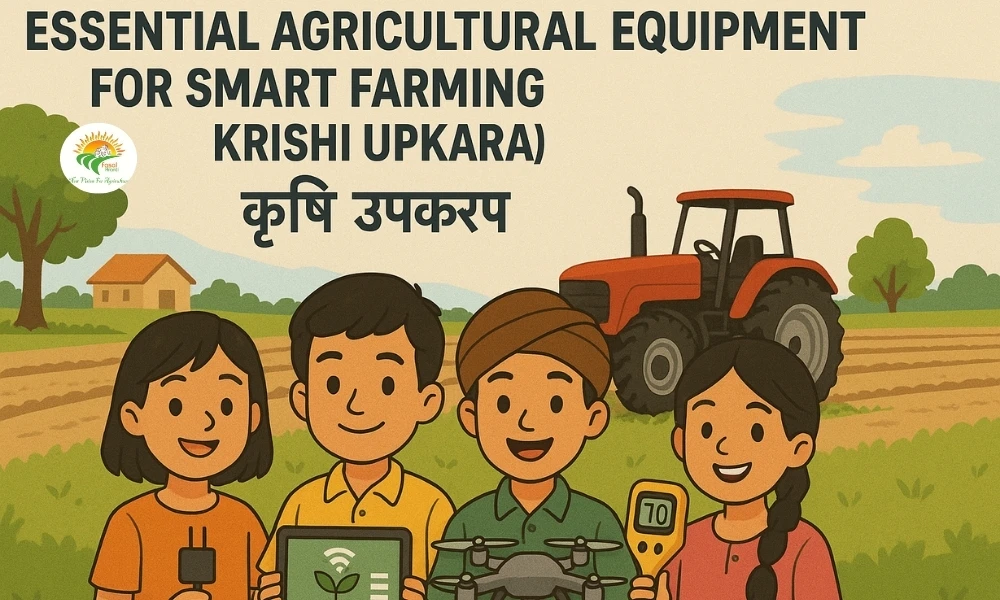
Essential Farming Equipment for Modern Growers
- Hand tools: Trowels, pruners, weeding forks for precision tasks in tight spaces.
- Irrigation systems: Drip irrigation kits deliver water directly to roots, conserving water key to climate smart agriculture.
- Grow lights: LED lights support plant growth indoors where sunlight is limited.
- Compost bins: For easy organic waste recycling.
- Portable greenhouses: Extend growing seasons in urban setups.
- Sensors and smart controllers: Help automate watering, monitor soil moisture, and manage temperature, improving overall crop management.
Tech Integration in Urban Farming
Smartphone and IoT (Internet of Things) are transforming urban farming. Mobile apps now help farmers:
- Track crop growth and health
- Schedule irrigation
- Monitor weather conditions
- Manage harvest schedules
This digitization makes climate smart agriculture not just a buzzword but a practical reality for everyday farmers.
4. Climate Smart Agriculture: Adapting for the Future
Climate smart agriculture (CSA) refers to techniques and technologies that boost productivity, reduce greenhouse gas emissions, and enhance resilience to climate change.
CSA Techniques for City and Small-Scale Growers
- Rainwater Harvesting: Store rainwater for irrigation to reduce dependency on municipal supplies.
- Crop Rotation: Prevents soil depletion and controls pests.
- Inter cropping: Growing multiple crops in the same space increases yield and biodiversity.
- Organic Mulching: Conserves moisture, suppresses weeds, and enriches soil.
- Renewable Energy Integration: Solar-powered pumps and lights cut energy costs and emissions.
Urban Application of CSA
City growers face unique climate-related challenges like heat islands and air pollution. Implementing green walls, rooftop gardens, and urban forests can:
- Lower ambient temperatures
- Improve air quality
- Capture carbon emissions
- These practices contribute to both local and global environmental goals.
5. Water Management: The Lifeline of Farming
Efficient water use is crucial, especially in urban environments where water can be scarce or expensive.
Smart Watering Systems
- Drip Irrigation: Reduces water loss and delivers moisture directly to the roots.
- Hydroponics and Quadraphonic: Use up to 90% less water than soil-based systems and are perfect for space-constrained city farms.
- Moisture Sensors: Help farmers water only when necessary, avoiding overwatering or root rot.
Water management is not just good practice it’s essential for sustainable agriculture and forms the backbone of climate smart agriculture.
6. Pest and Disease Management: Natural, Smart Solutions
Urban farms are not immune to pests. However, chemical pesticides may not be suitable for small spaces or safe in densely populated areas.
Eco-Friendly Pest Control Methods
- Companion Planting: Certain plants repel pests naturally (e.g., marigold with tomatoes).
- Neem Oil and Soap Sprays: Effective organic solutions for common pests.
- Physical Barriers: Netting and row covers protect plants from insects and birds.
- Beneficial Insects: Ladybugs, spiders, and bees help pollinate and protect crops.
Using integrated pest management (IPM) supports climate smart agriculture by minimizing chemical usage and preserving ecological balance.
7. Harvesting and Post-Harvest Handling
Harvest time is rewarding but requires care to ensure product quality and longevity.
Harvesting Tips
- Pick crops at peak ripeness for flavor and nutrition.
- Harvest during cooler parts of the day to maintain freshness.
- Use clean, sanitized tools to prevent contamination.
Post-Harvest Storage and Packing
- Store perishables in cool, shaded areas or refrigerated spaces if available.
- Pack produce in breathable containers (like perforated crates).
- Use Eco-friendly packaging for market-bound goods.
8. From Farm to Market: Selling Your Produce
Once crops are ready, city growers can explore several marketing channels.
Urban Marketing Strategies
- Farmer’s Markets: Connect directly with local customers and get instant feedback.
- Community Supported Agriculture (CSA) Boxes: Pre-sell weekly boxes of fresh produce to regular subscribers.
- Online Platforms: Use social media, local listing sites, or delivery apps to reach wider audiences.
- Restaurants and Cafes: Partner with chefs looking for fresh, local, and organic ingredients.
Branding for Urban Farmers
- Highlight your Eco-friendly, locally grown, and pesticide-free produce.
- Share your story: photos, growing methods, and community engagement build customer loyalty.
- Offer recipes, workshops, or plant kits to diversify income and connect with your community.
9. Building a Farming Ecosystem: Community and Education
Urban farming thrives on collaboration and shared knowledge.
Community Involvement
- Start or join local gardening clubs.
- Partner with schools for educational workshops.
- Organize urban farming tours or open farm days.
Education and Training
- Enroll in urban agriculture courses (many are now online).
- Attend webinars on climate smart agriculture and sustainable practices.
- Follow agricultural influences and innovators on social media for tips and ideas.
Conclusion: Bridging Innovation and Nature
Farming today is more than just planting seeds it's about creating a sustainable system from soil to market. Whether you're a rooftop gardener, a balcony farmer, or managing a community plot, your role is vital in reshaping how cities grow, distribute, and consume food.
By investing in the right farming equipment, adopting urban farming strategies, and following climate smart agriculture principles, modern growers can not only feed themselves but also contribute to healthier communities and a more resilient planet.


























Sign in to leave a comment.