
Homeowners in Milton often enjoy the beauty of mature trees, shaded yards, and green landscapes. However, rapid tree growth around residential properties can quietly create structural and safety issues. Many homeowners searching for tree service in Milton begin noticing problems such as branches touching roofs, roots lifting sidewalks, or heavy limbs hanging over driveways.
Fast-growing trees can quickly become difficult to manage without proper maintenance. When growth outpaces pruning and inspection, it can lead to property damage, safety hazards, and expensive repairs. Understanding why this happens and what signs to watch for helps homeowners protect both their yard and their home.
Why Trees Grow Faster Around Residential Properties
Trees in suburban neighborhoods often grow faster than expected. Several environmental and landscaping factors contribute to this rapid growth.
Favorable Soil and Water Conditions
Residential yards typically provide rich soil and regular irrigation. Lawn watering systems and rainfall retention create ideal growing conditions for trees. While this helps trees thrive, it also accelerates branch development and canopy expansion.
Reduced Competition
In forests, trees compete with each other for sunlight and nutrients. In landscaped yards, trees often stand alone or in small groups, allowing them to grow outward quickly. This can result in wide canopies that extend toward roofs, fences, and neighboring properties.
Fertilized Lawns
Fertilizers used for grass can also feed nearby trees. Over time, nutrients encourage faster branch and leaf growth, sometimes beyond what the tree structure can safely support.
How Fast Tree Growth Leads to Roof Damage
One of the most common concerns homeowners face is roof damage caused by expanding branches.
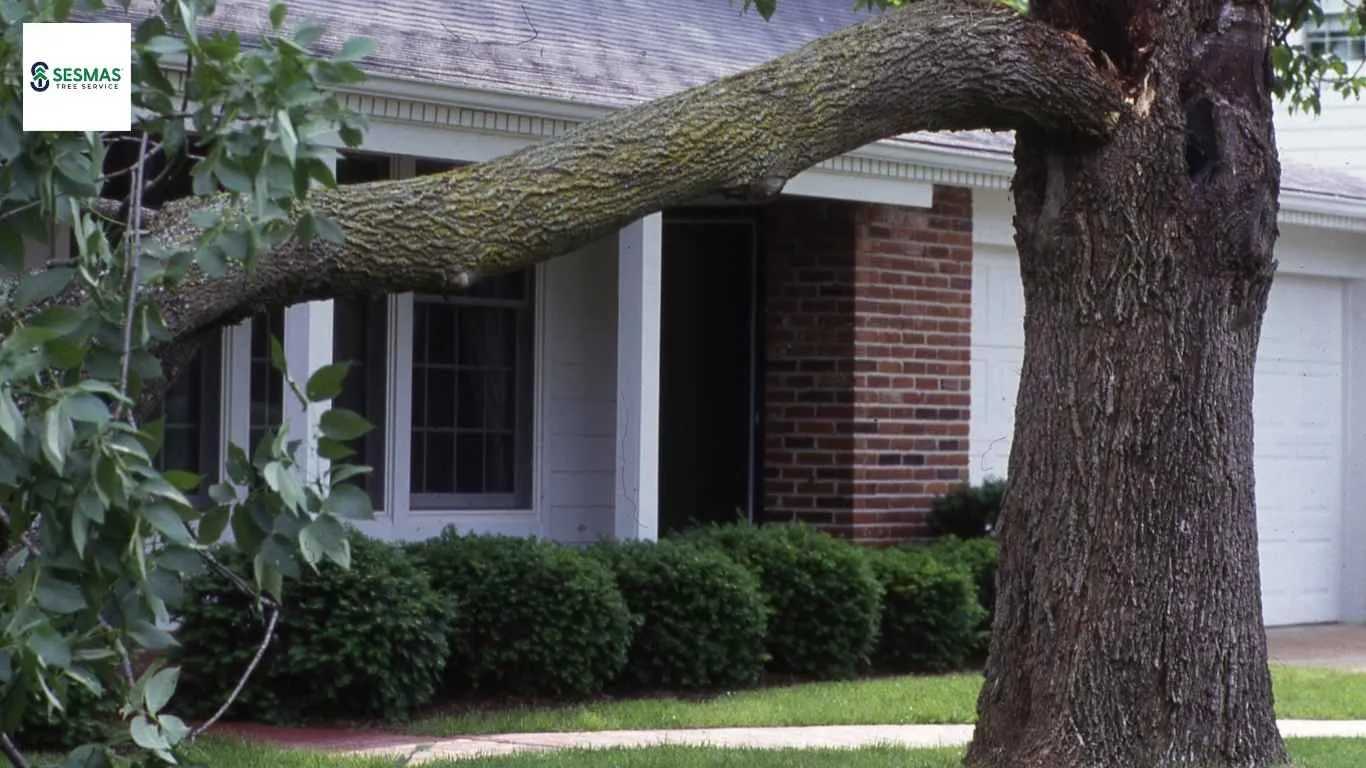
Branches Hanging Over the Roof
As trees grow rapidly, limbs can extend directly above homes. During storms or strong winds, these branches may scrape roofing materials, dislodge shingles, or break entirely.
Over time, even light contact between branches and roofing can wear down protective surfaces.
Increased Leaf and Debris Buildup
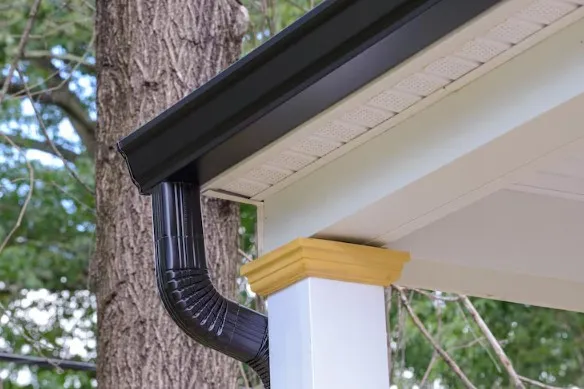
Larger canopies shed more leaves, twigs, and seeds. This debris often collects in gutters and valleys of the roof, trapping moisture and increasing the risk of water damage.
Shade and Moisture Problems
Dense branches over rooftops can block sunlight. Without proper sunlight exposure, roofs remain damp longer after rain, which can contribute to mold, algae growth, and roof deterioration.
Yard and Landscape Problems Caused by Rapid Tree Growth
Beyond roof damage, fast-growing trees can create several yard-related issues that homeowners may not immediately connect to tree growth.
Root Systems Expanding Under Hard Surfaces
As trees grow quickly above ground, their root systems expand underground. These roots can push up sidewalks, patios, and driveways.
Signs of root damage include:
- Uneven pavement or lifted concrete
- Cracks in walkways
- Driveway sections rising or shifting
Roots may also interfere with underground pipes or irrigation systems.
Overcrowded Yard Space
Large trees can take over yard space faster than expected. Branches may spread across fences, block sunlight for gardens, or limit outdoor usability.
This often leads to:
- Poor lawn growth due to shade
- Reduced space for outdoor activities
- Increased maintenance needs
Storm Damage Risk
Fast-growing trees tend to develop long, heavy limbs that may be structurally weaker. When storms arrive, these branches are more likely to snap or fall.
This increases the risk of:
- Broken fences
- Damaged outdoor furniture
- Blocked driveways
- Property hazards during storms
Warning Signs Your Trees Are Growing Too Fast
Homeowners often notice small issues before major damage occurs. Recognizing early warning signs helps prevent costly repairs later.
Look for these indicators:
- Branches touching or nearly touching the roof
- Large limbs hanging above driveways or walkways
- Excessive leaf accumulation in gutters
- Roots lifting concrete or paving stones
- Sudden leaning or uneven tree growth
Regular tree inspections help detect these problems before they become serious.
Why Professional Tree Maintenance Matters
Tree care involves more than simply cutting branches. Proper maintenance requires understanding tree structure, growth patterns, and safety practices.
Professional arbor care helps by:
- Removing dangerous or overextended branches
- Balancing canopy weight to reduce storm risk
- Improving airflow and sunlight exposure
- Preventing roots from causing structural damage
Routine pruning also helps trees grow healthier and stronger over time.
Preventing Future Tree-Related Property Problems
Homeowners can take several preventative steps to protect their yards and homes from tree growth issues.
Schedule Routine Tree Inspections
Regular inspections help detect structural weaknesses, disease, or overgrowth before they create safety risks.
Maintain Proper Pruning Cycles
Strategic pruning keeps branches balanced and prevents them from growing toward rooftops or power lines.
Monitor Root Growth
If roots begin affecting sidewalks or patios, early intervention can prevent expensive hardscape repairs.
Remove Hazardous Trees Early
In some cases, removing a tree that has become unstable or dangerously positioned is the safest long-term solution.
When Tree Growth Becomes a Safety Concern
Sometimes tree problems escalate beyond simple yard maintenance. Homeowners should seek professional help if they notice:
- Large branches hanging over roofs
- Trees leaning toward the house
- Cracks appearing in patios or driveways
- Storm-damaged limbs stuck in canopies
Ignoring these issues may lead to structural damage or injury during storms.
Frequently Asked Questions
1. Why do trees grow faster in residential yards?
Residential yards often provide better soil, consistent watering, and less competition from other trees, which encourages faster growth.
2. Can tree roots damage my driveway or sidewalk?
Yes. As roots expand, they can lift or crack concrete surfaces, creating uneven walkways and potential safety hazards.
3. How often should trees be pruned?
Most residential trees benefit from pruning every 1–3 years, depending on the species and growth rate.
4. Are branches touching the roof dangerous?
Yes. Branches rubbing against roofs can damage shingles, trap moisture, and eventually break during storms.
5. What are the signs a tree may become hazardous?
Common warning signs include leaning trunks, cracked limbs, root damage to pavement, and branches extending over structures.
Final Thoughts
Trees bring beauty, shade, and environmental benefits to residential neighborhoods. However, rapid growth can quietly lead to roof damage, root problems, and yard maintenance challenges. Regular monitoring and proper pruning help maintain a healthy balance between landscape beauty and property safety.
Homeowners who begin noticing overgrown branches, root damage, or storm risks often benefit from professional guidance. Local experts like Sesmas Tree Service LLC help homeowners assess tree health, manage growth safely, and prevent long-term property damage through responsible tree care practices.

























Sign in to leave a comment.