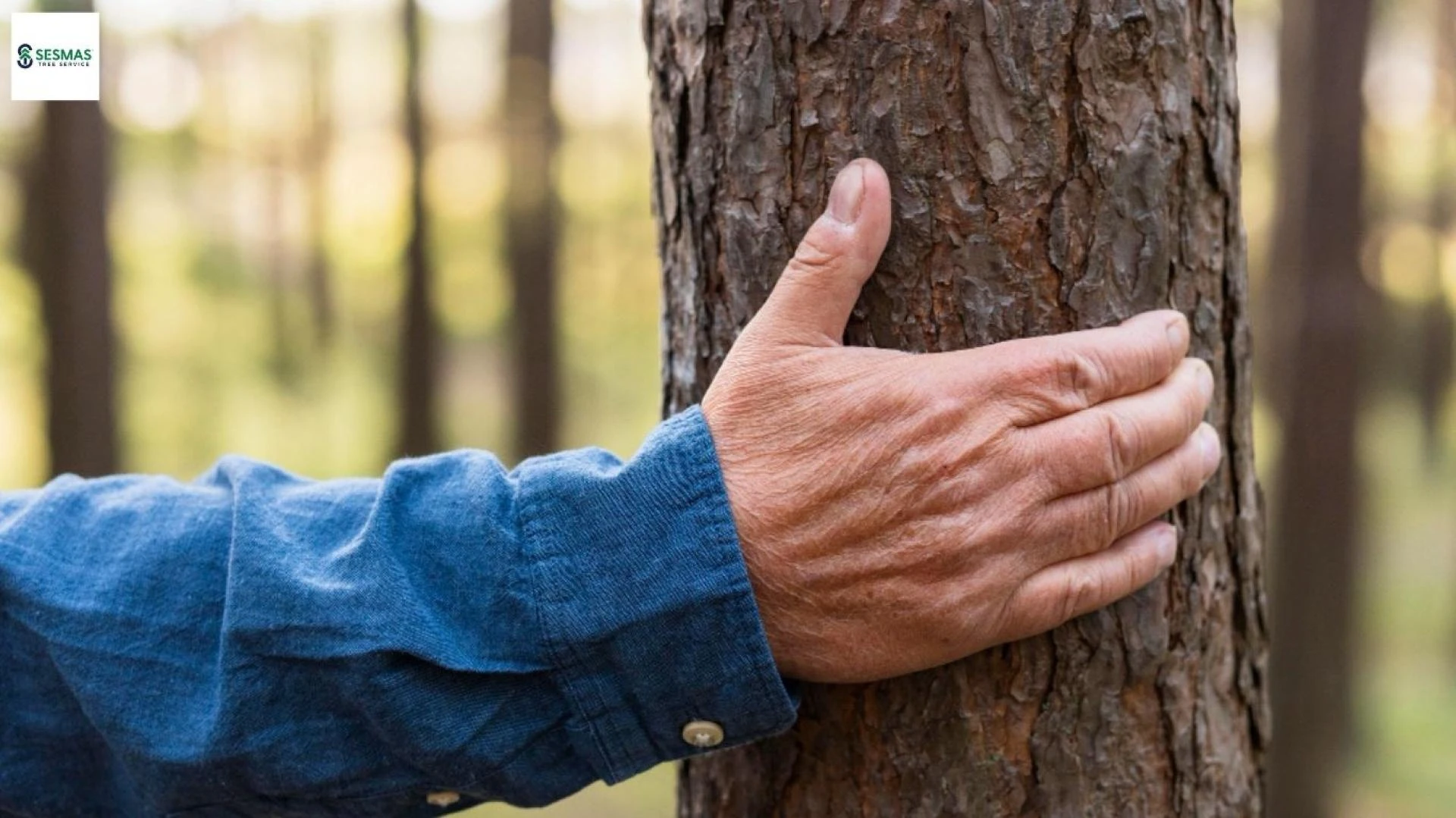

Trees add beauty, shade, and value to your property. But when a tree becomes unstable or diseased, it can quickly turn from an asset into a serious liability. For homeowners and property managers, knowing the early warning signs can prevent costly damage, injuries, and emergency situations.
If you live in Marietta, understanding when to consider tree removal in Marietta is not just about landscaping—it’s about protecting your home, vehicles, and family.
Let’s explore the critical warning signals every property owner should watch for.
Why Tree Safety Should Be a Priority in Marietta
Marietta’s seasonal storms, heavy rainfall, humidity, and occasional high winds can weaken trees over time. Even healthy-looking trees may have hidden structural problems. When a tree fails unexpectedly, it can:
- Damage your roof, siding, or foundation
- Crush vehicles in the driveway
- Knock down power lines
- Block driveways or road access
- Create legal liability if it falls on a neighbor’s property
Proactive inspections and timely action can save thousands of dollars in repairs.
Visible Warning Signs a Tree May Be Dangerous
Not all tree problems are obvious. However, these visible signs often indicate that removal or professional evaluation is necessary.
1. Large Dead Branches or Hanging Limbs
Dead branches, especially those hanging over your roof or driveway, are major red flags. These limbs can fall without warning, particularly during storms.
If more than 25–30% of the canopy is dead, the tree may be in decline and unsafe.
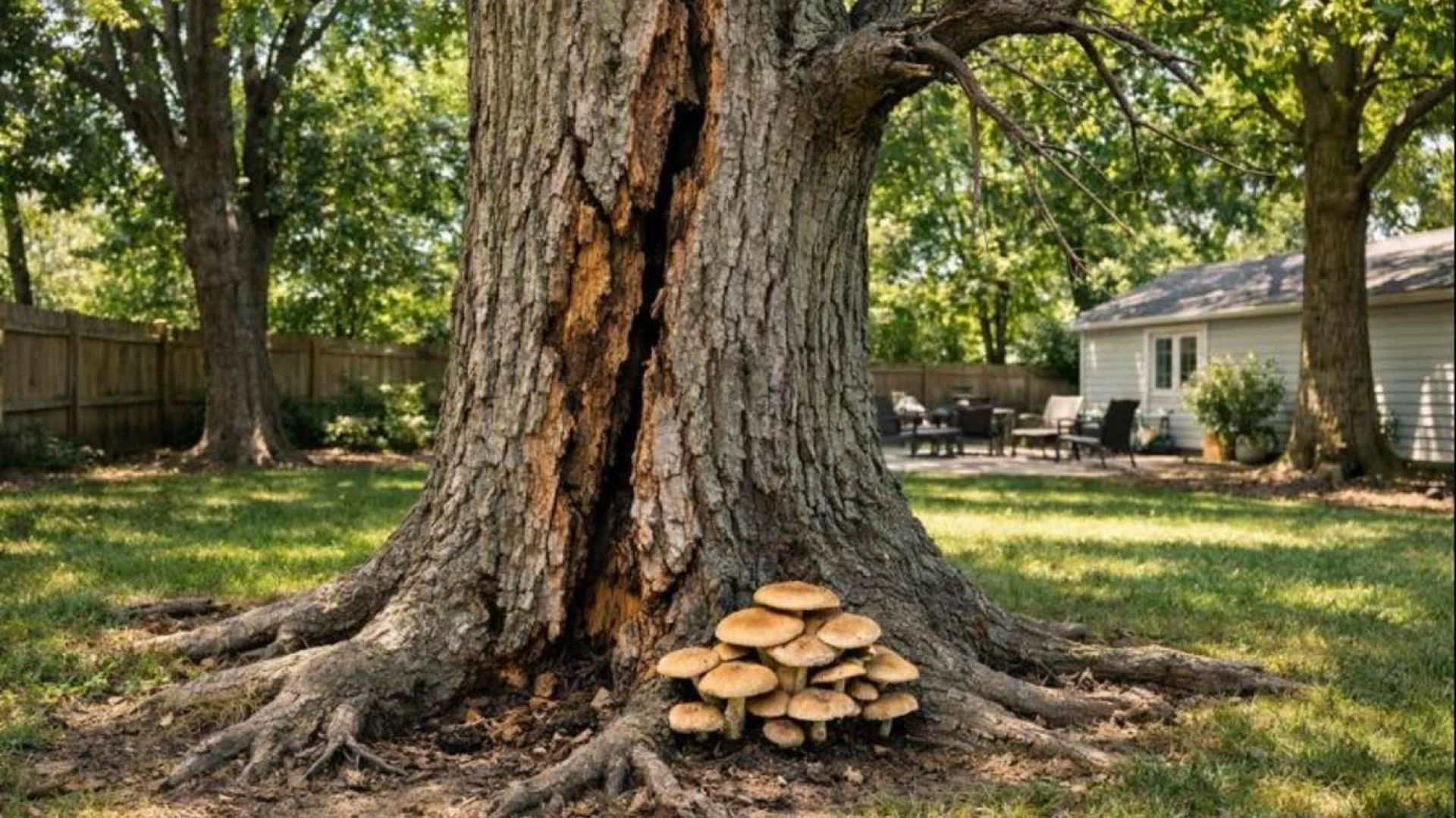
2. Deep Cracks or Splits in the Trunk
Vertical cracks, hollow sections, or splits in the trunk weaken the tree’s structural integrity. These defects often mean the tree cannot support its own weight long-term.
A cracked trunk combined with leaning increases the risk significantly.
3. Sudden or Severe Leaning
A tree that has always grown slightly angled may be stable. However, a sudden lean, especially after a storm, signals root failure.
Warning signs include:
- Exposed roots
- Soil heaving around the base
- Cracks in the ground near the trunk
When roots lose grip, the entire tree can topple quickly.
4. Fungal Growth at the Base
Mushrooms or fungal conks growing near the base often indicate internal decay. Fungi break down wood from the inside, meaning the tree may be hollow or weakened even if the outside looks healthy.
This is one of the most commonly overlooked signs before emergency tree removal in Marietta becomes necessary.
5. Cavities and Hollow Trunks
While some trees can survive with small cavities, large hollow areas reduce stability. If more than one-third of the trunk is hollow, structural failure becomes much more likely.
A professional assessment is strongly recommended.
Hidden Structural Problems You Shouldn’t Ignore
Some risks aren’t immediately visible.
Root Damage from Construction
If you’ve recently:
- Installed a driveway
- Added a patio
- Dug trenches for plumbing
- Changed soil grading
You may have unknowingly damaged major roots. Root systems extend far beyond the visible trunk. Cutting them weakens the entire tree.
Pest Infestation
Borers, termites, and other insects can hollow out trees internally. Signs include:
- Small holes in bark
- Sawdust-like material around the base
- Peeling bark
Infested trees become brittle and prone to collapse.
Internal Decay
Trees can rot from the inside out. You may notice:
- Soft wood
- Excessive leaf drop
- Reduced canopy density
Internal decay often requires expert evaluation to determine if removal is the safest solution.
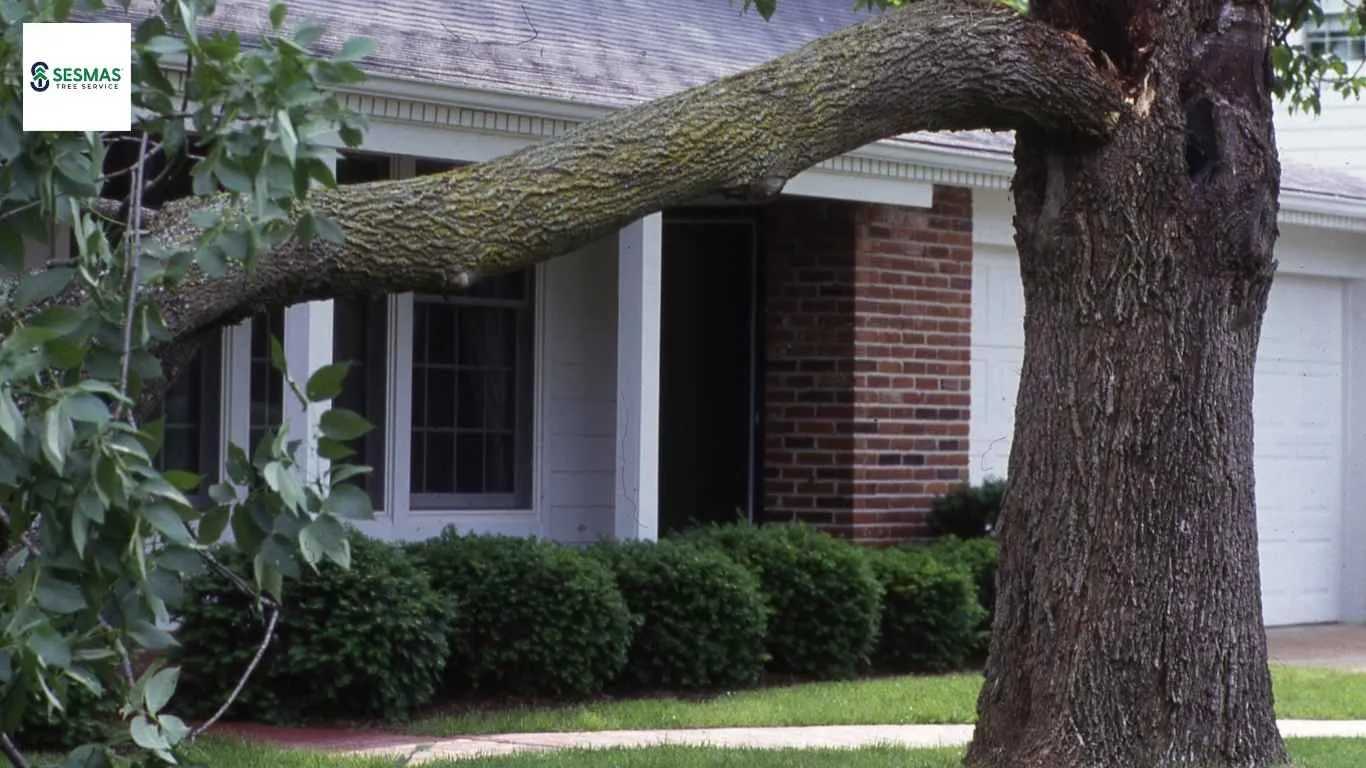
Trees That Are Too Close to Structures
Even healthy trees can be risky if planted too close to buildings.
Potential issues include:
- Roots cracking foundations
- Branches scraping roofs
- Falling limbs damaging gutters
- Blocked visibility near driveways
When trees grow within striking distance of your home, professional trimming may help—but sometimes full removal is the safest option.
If you’re unsure whether trimming is enough, consulting an expert in tree removal in Marietta can provide clarity.
After-Storm Tree Damage: When to Act Immediately
Marietta storms can leave trees partially uprooted or cracked. After severe weather, inspect for:
- Split trunks
- Broken main limbs
- Leaning trees
- Trees entangled in power lines
⚠ Never attempt to handle storm-damaged trees yourself, especially near electrical lines. Emergency professionals have the equipment and training to handle high-risk removals safely.
When Tree Removal Is the Best Option
Not every tree needs to be cut down. However, removal becomes necessary when:
- The tree is dead
- Structural damage is severe
- Disease is advanced
- Roots are failing
- The tree poses immediate danger
Delaying action often leads to emergency situations, which are more expensive and stressful.
Planned tree removal in Marietta is typically safer and more cost-effective than emergency removal after a fall.
The Cost of Ignoring a Hazardous Tree
Many property owners delay removal due to cost concerns. However, ignoring warning signs can lead to:
- Insurance claims
- Higher premiums
- Home repair costs
- Liability lawsuits
- Emergency service fees
Preventive action protects both your property and financial security.
Why Professional Assessment Matters
DIY inspections can identify obvious issues, but certified professionals evaluate:
- Structural integrity
- Root health
- Soil conditions
- Wind exposure
- Tree species vulnerability
They also ensure removal is done safely without damaging nearby property.
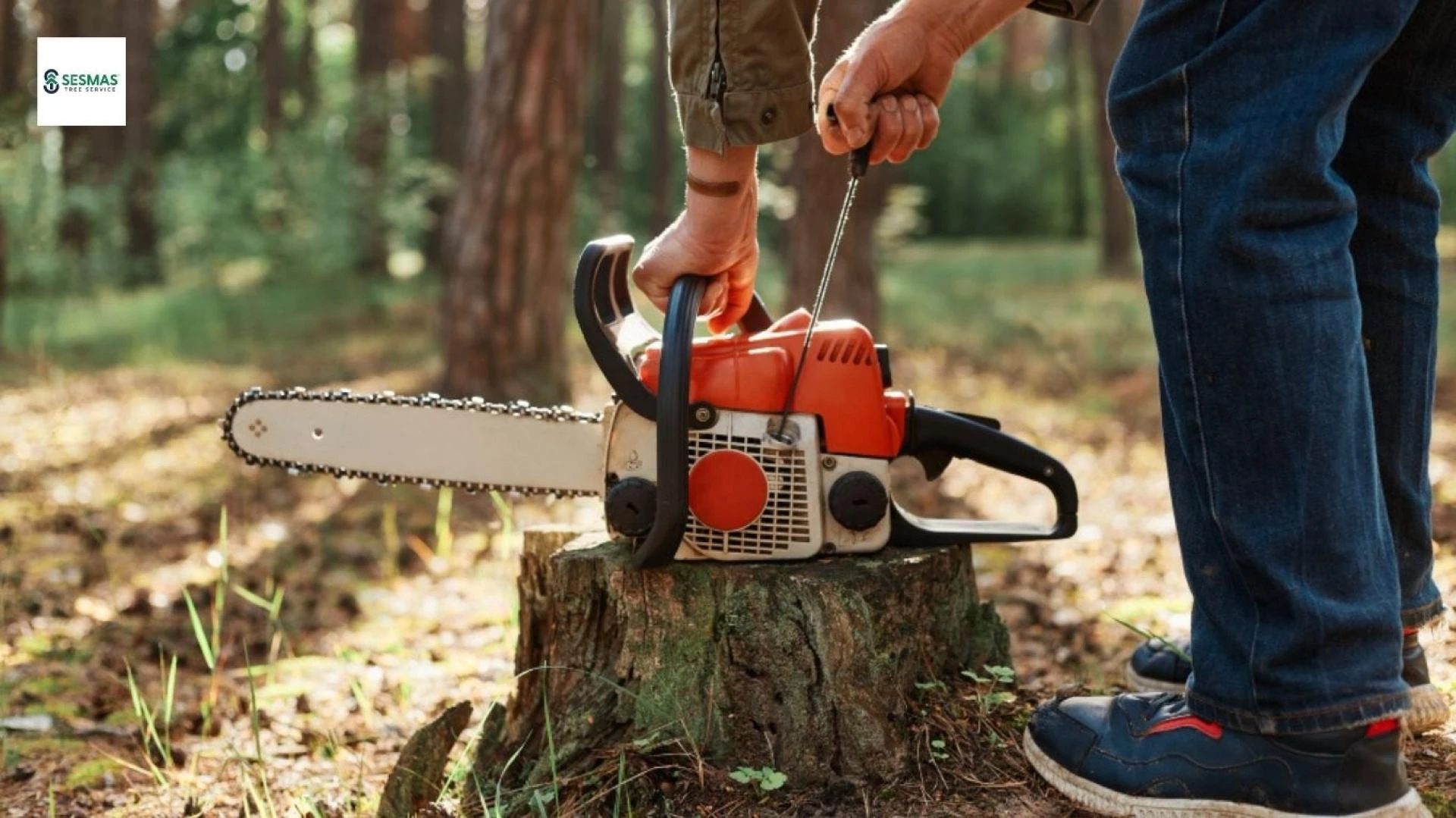
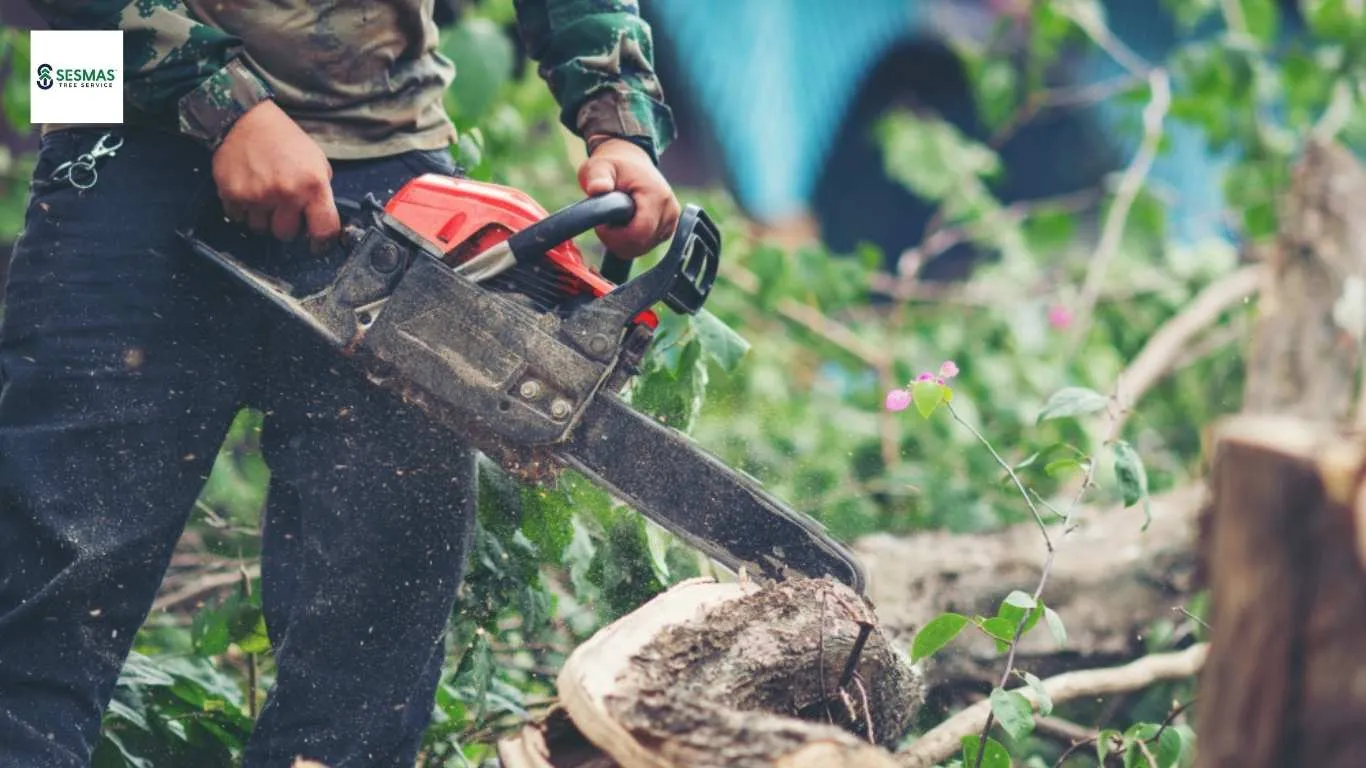
Improper cutting techniques can cause uncontrolled falls or property damage. Professional equipment and safety protocols reduce these risks significantly.
FAQs About Tree Safety in Marietta
1. How do I know if my tree is at risk of falling?
Look for leaning, cracked trunks, root damage, dead branches, and fungal growth. If multiple warning signs are present, schedule a professional inspection immediately.
2. Can a partially dead tree be saved?
Sometimes pruning can help. However, if a large portion of the tree is dead or structurally compromised, removal may be the safest solution.
3. Is tree removal expensive in Marietta?
Costs vary depending on size, location, and risk level. Planned removal is usually less expensive than emergency removal after storm damage.
4. Will homeowners insurance cover tree removal?
Insurance may cover removal if the tree falls due to a covered event (like a storm) and damages insured structures. Preventive removal is typically not covered.
5. Should I remove a tree close to my house?
If the tree shows signs of disease, leaning, or structural weakness, removal is recommended. Healthy trees may only need trimming—but professional evaluation is key.
Protect Your Property Before It’s Too Late
A hazardous tree rarely collapses without warning. Cracks, leaning, decay, and dead limbs are nature’s signals that something is wrong. Acting early reduces risk, lowers costs, and protects your loved ones.
If you suspect a tree on your property may be unsafe, it’s wise to consult a trusted local expert. Sesmas Tree Service LLC provides professional inspections, trimming, and safe tree removal in Marietta to help homeowners make informed decisions. Their experienced team understands local conditions and prioritizes safety, efficiency, and property protection.
Don’t wait for a storm to reveal a hidden problem. A simple inspection today can prevent a major emergency tomorrow.



























Sign in to leave a comment.