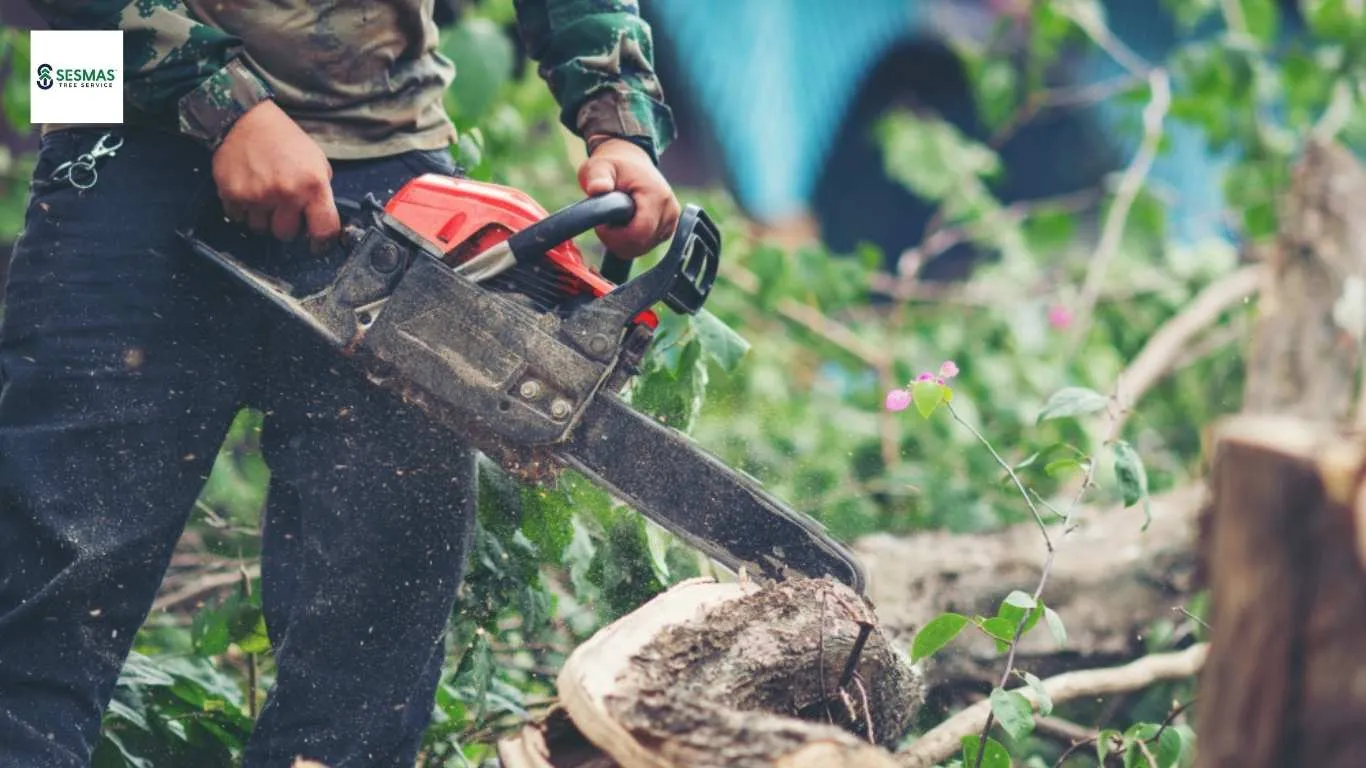

Trees add beauty, shade, and value to properties across Woodstock. However, when trees develop structural weaknesses, they can quickly turn from assets into serious liabilities. Cracked trunks, leaning stems, and decaying roots may not look alarming at first, but they often lead to expensive repairs, especially after storms. Many homeowners only consider tree removal in Woodstock after damage has already occurred, but early detection and prevention are far more cost-effective.
Understanding the causes of weak tree structures and taking proactive steps can help you protect your home, vehicles, fences, and nearby power lines.
What Causes Weak Tree Structures?
Tree weakness does not happen overnight. It usually develops over time due to environmental stress, improper care, or natural aging.
1. Poor Branch Attachments
Some trees grow with narrow branch angles, creating weak unions. These branches are more likely to split during heavy winds or rainfall.
2. Internal Decay
Fungal infections and rot can hollow out trunks from the inside. While the tree may look healthy externally, its structural integrity may already be compromised.
3. Root Damage
Construction work, soil compaction, or trenching near the base of a tree can damage roots. Since roots anchor the tree, any weakness below ground increases the risk of falling.
4. Storm Stress
Woodstock experiences seasonal storms with strong winds and heavy rain. Repeated exposure can weaken trunks, loosen roots, and create cracks.
5. Overextended Canopy Growth
When trees grow unevenly or become top-heavy, the weight distribution shifts. This imbalance often leads to leaning or sudden branch failure.
Warning Signs You Should Never Ignore
Identifying risk early can prevent thousands of dollars in property damage. Watch for these red flags:
- Deep cracks in the trunk
- Large dead branches
- Hollow or soft wood
- Mushrooms growing at the base
- Sudden leaning
- Exposed or lifted roots
- Multiple trunks splitting from one base
If you notice any of these symptoms, it may be time for a professional tree inspection.
How Weak Trees Cause Property Damage
When structurally unstable trees fail, the results can be severe.
Roof and Structural Damage
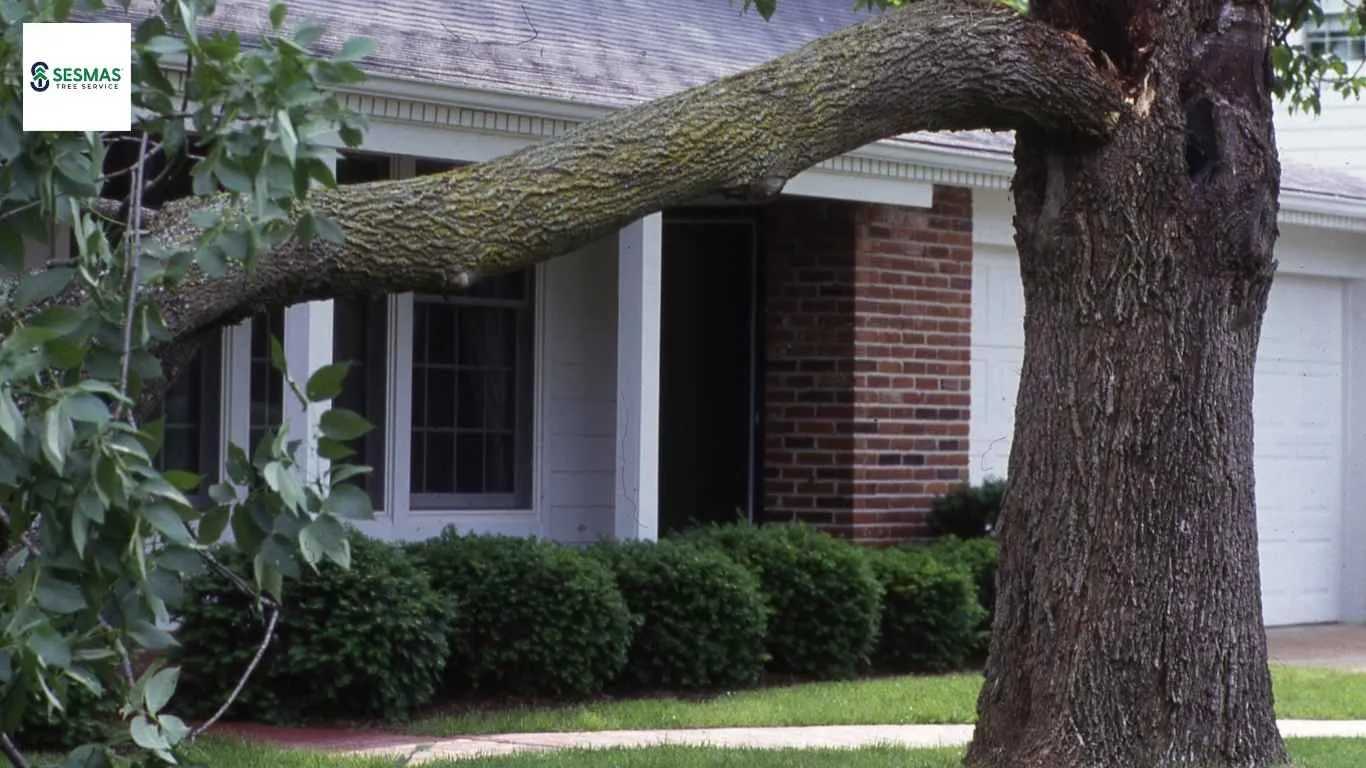
Large branches or entire trees can fall onto homes, damaging shingles, gutters, and structural framing.
Vehicle Damage
Driveways and parked cars are common targets during storms.
Fence and Landscape Destruction
Falling limbs often destroy fencing, gardens, patios, and decorative landscaping.
Power Line Hazards
Branches contacting utility lines create fire risks and outages.
Repairing these damages is often far more expensive than preventive tree care.
Prevention Strategies to Protect Your Property
Taking proactive measures significantly reduces risk.
Regular Tree Inspections
Schedule professional evaluations at least once a year, especially before storm season. Certified arborists can identify hidden decay and structural weaknesses.
Proper Pruning
Strategic pruning improves weight distribution and removes weak or dead branches. Crown thinning also reduces wind resistance.
Cabling and Bracing
For valuable mature trees, structural support systems can stabilize weak limbs and reduce splitting risk.
Soil Health Management
Healthy soil promotes strong root systems. Avoid compacting soil around tree bases and consider mulching properly.
Timely Removal
When a tree is beyond saving, removal is often the safest option. Delaying necessary action increases risk and liability.
Common Tree Species in Woodstock That Develop Structural Issues
Certain trees in the area are more prone to weakness:
- Bradford Pear (known for splitting)
- Silver Maple (fast-growing but brittle)
- Pine trees (shallow root systems)
- Water Oak (prone to internal decay)
Understanding species-specific risks helps homeowners plan maintenance accordingly.
Seasonal Risks in Woodstock
Spring Storms
High winds combined with saturated soil increase uprooting risk.
Summer Heat
Drought stress weakens tree vitality, making branches brittle.
Fall Weather Shifts
Temperature fluctuations may cause cracks and splitting.
Winter Ice
Ice accumulation adds excessive weight, especially to already weak limbs.
Routine maintenance before these seasonal changes can prevent emergencies.
The Cost of Ignoring Tree Weakness
Many homeowners delay action due to concerns about service costs. However, the financial impact of inaction can be far greater:
- Roof repairs can exceed thousands of dollars
- Insurance deductibles increase after claims
- Emergency services often cost more than planned work
- Property value may decrease due to visible hazards
Preventive care is typically more affordable than post-disaster repairs.
When to Call a Professional
You should seek expert evaluation if:
- A tree leans more than 15 degrees
- Cracks are visible after a storm
- Large branches hang over your roof
- Roots are exposed or lifting pavement
- You hear creaking during windy conditions
Professional arborists use specialized tools to assess internal decay and structural integrity safely.
5 Frequently Asked Questions
1. How do I know if my tree is structurally unsafe?
Look for visible cracks, hollow trunks, leaning, or large dead branches. A professional inspection provides the most accurate assessment.
2. Can pruning fix a weak tree?
In many cases, proper pruning can reduce weight and improve balance. However, severe decay or root damage may require removal.
3. Are leaning trees always dangerous?
Not always. Some trees naturally grow at slight angles. Sudden or increasing lean is more concerning and should be evaluated.
4. Does homeowners insurance cover tree damage?
Most policies cover damage caused by fallen trees but not preventive maintenance. It’s better to address risks before an incident.
5. How often should trees be inspected?
At least once per year and after major storms. Older or previously damaged trees may require more frequent monitoring.
Protecting Your Woodstock Property Long-Term
Healthy trees enhance curb appeal and provide environmental benefits, but weak tree structures can create serious hazards if neglected. Early identification, proper pruning, and routine inspections significantly reduce the risk of costly property damage. Acting before storm season and addressing visible warning signs helps maintain both safety and property value.
For homeowners seeking dependable guidance and professional tree care, Sesmas Tree Service LLC is a trusted tree service provider across Atlanta, Georgia and nearby areas, offering experienced solutions to help protect properties from preventable tree-related damage.



























Sign in to leave a comment.