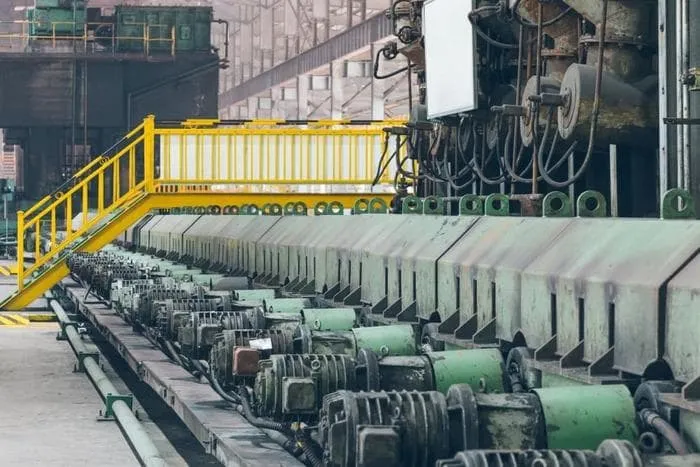

Modern metal manufacturing depends on equipment that can maintain speed, accuracy, and consistency while handling demanding production schedules. As processors seek better throughput, lower waste, and more dependable output, advanced blanking lines have become an important part of efficient sheet and coil operations. These systems are designed to feed, straighten, measure, cut, and organize material with coordinated movement. When properly selected and configured, advanced blanking equipment can support dependable production while improving dimensional control, reducing handling requirements, and creating a smoother workflow from incoming coil material to finished blanks.
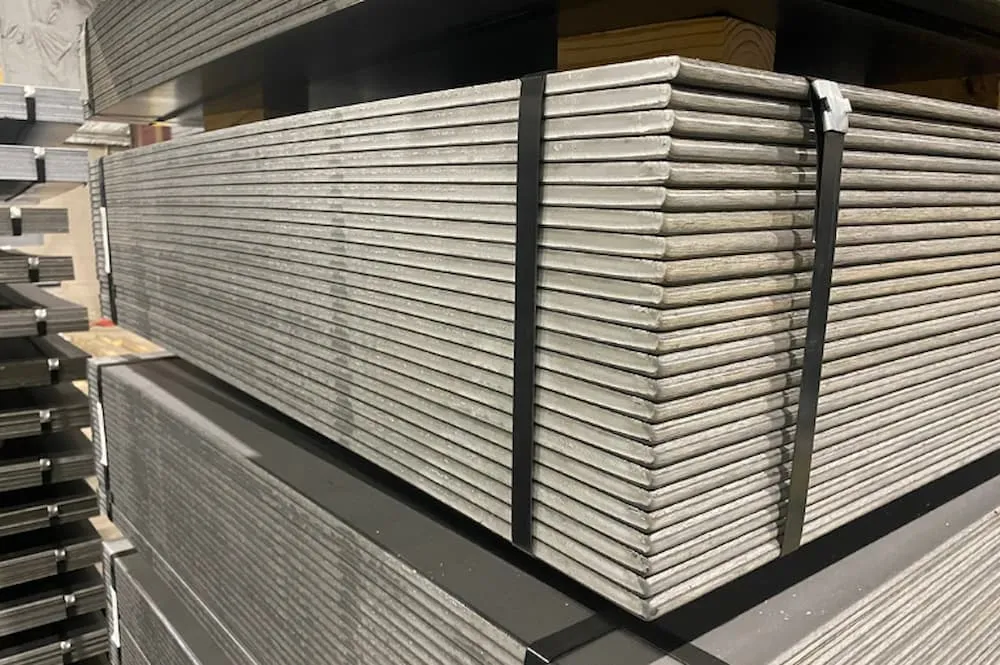
Blanking equipment converts coiled or continuous metal into accurately sized sheets, blanks, or shaped pieces required for downstream manufacturing. The process typically combines coil feeding, straightening, measuring, cutting, and stacking functions within one coordinated production system. This integrated approach helps maintain consistent dimensions while limiting unnecessary manual intervention. For manufacturers producing automotive components, appliances, construction products, or other formed parts, reliable blanking technology can provide a practical way to prepare material efficiently. Proper system design also helps processors match production requirements with material characteristics, line speed, and finished product specifications.
Improving Production Speed
One of the most noticeable advantages of modern blanking equipment is improved production speed. Automated feeding and synchronized cutting allow material to move through the process with fewer interruptions between individual operations. Consistent movement can help reduce idle time and support higher output during extended production runs. Advanced controls can also coordinate feeding rates, cutting cycles, and stacking operations according to programmed requirements. By reducing unnecessary pauses and manual adjustments, a well designed line can help manufacturers increase productive operating time while maintaining the repeatability needed for demanding manufacturing environments.
Supporting Better Dimensional Accuracy
Accuracy is essential when blanks must fit precisely into later forming, stamping, or fabrication processes. Modern systems use controlled feeding and measurement functions to maintain consistent blank lengths and positioning. Straightening equipment can help correct unwanted curvature or shape variation before cutting begins, allowing the material to enter the cutting stage in a more controlled condition. Accurate measurement and repeatable cutting can reduce dimensional inconsistencies that may otherwise create downstream problems. Better control of each stage therefore supports more predictable results and can contribute to improved overall product quality.
Reducing Material Waste
Material efficiency has a direct effect on manufacturing costs, particularly when processors work with expensive metals or large production volumes. Advanced blanking systems can help reduce waste by maintaining accurate feed lengths and consistent cutting patterns. Programmable controls may allow operators to establish repeatable settings for different production requirements, reducing errors caused by inconsistent manual adjustments. Better control also supports efficient use of available coil material and can minimize unnecessary scrap. Over time, these improvements can help manufacturers make better use of raw materials while supporting stable production costs and more responsible resource utilization.
Enhancing Automated Material Flow
Automation can connect several stages of blank production so that material moves through the line with limited manual handling. Feeding, leveling, cutting, conveying, and stacking functions can be coordinated through integrated controls, creating a more organized production sequence. Automated movement can also reduce the physical effort required from operators and help keep material positioned correctly throughout the process. When the equipment is configured around actual production needs, automation can improve workflow consistency without sacrificing operational flexibility. This makes modern blanking technology valuable for facilities seeking dependable output and more efficient material movement.
Choosing Equipment for Material Requirements
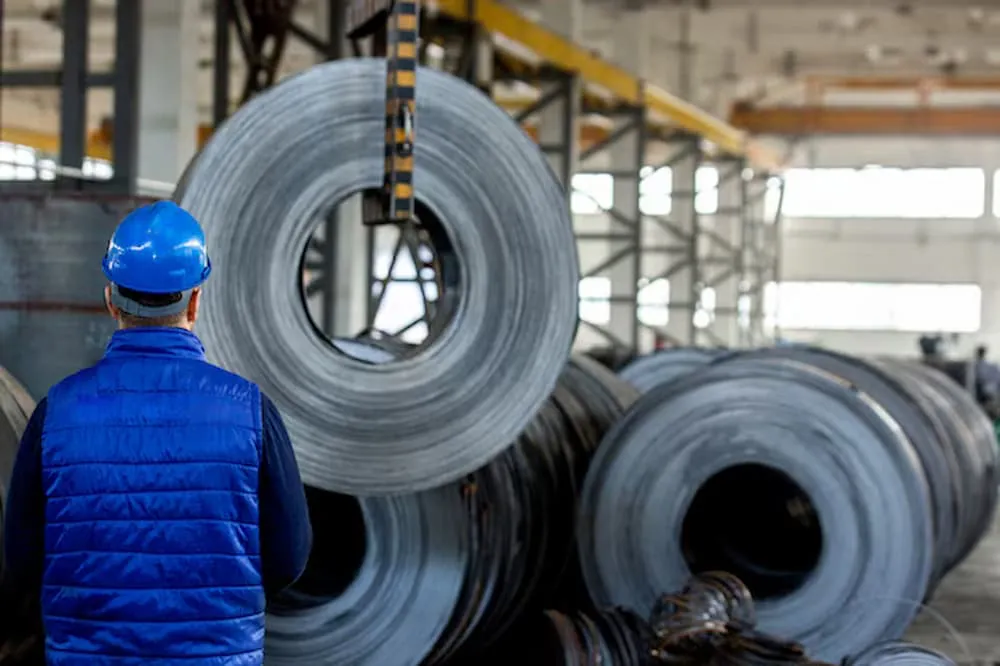
Different metals, thicknesses, widths, and coil weights can require different equipment configurations. A system intended for light material may not provide the same performance when processing heavier or wider stock. Manufacturers therefore need to consider material specifications, maximum coil dimensions, target blank sizes, required line speed, and expected production volume before selecting equipment. Understanding these factors helps ensure that the line has appropriate feeding, leveling, cutting, and handling capabilities. Careful planning can also prevent capacity limitations that may reduce productivity as production requirements grow over time.
Considering Line Configuration
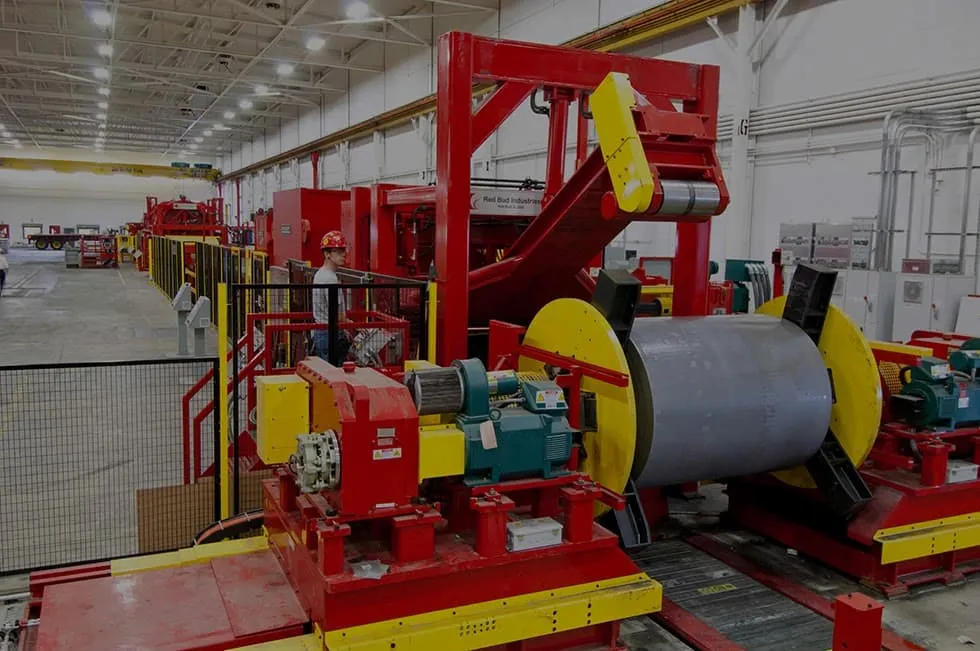
A blanking line can include several components that work together to create a complete processing sequence. Common elements may include coil loading equipment, payoff systems, straighteners, feed devices, shears, conveyors, stackers, and control systems. The exact configuration depends on the material and finished blank requirements. Proper coordination between these components is important because a limitation in one area can affect the performance of the entire line. A balanced configuration allows each stage to operate effectively while supporting consistent material flow. This approach can improve reliability and simplify day to day production management.
Supporting Consistent Quality
Consistent quality depends on repeatable processing conditions throughout every production cycle. Advanced blanking equipment can help establish those conditions by controlling feed movement, cutting timing, material alignment, and stacking operations. Consistent settings can make it easier to reproduce the same results across multiple batches, even when production schedules involve frequent changes. This repeatability is especially useful when customers or downstream processes require closely controlled dimensions. By supporting stable production conditions, modern equipment can reduce variation and help manufacturers deliver blanks that meet established specifications more reliably.
Maintenance and Long Term Performance
Reliable production also depends on regular maintenance and appropriate equipment care. Feeding components, cutting mechanisms, straightening rolls, sensors, drives, and control systems should be inspected according to established maintenance schedules. Preventive attention can identify wear or alignment issues before they become larger production problems. Operators and maintenance personnel can also monitor unusual vibration, inconsistent feeding, unexpected noise, or changes in cut quality as potential warning signs. Maintaining equipment properly helps preserve accuracy and performance while reducing unexpected downtime. A proactive maintenance approach can therefore contribute to longer service life and dependable production capability.
The Value of Proper System Planning
Successful blanking operations begin before equipment reaches the production floor. Engineers and production teams can evaluate material characteristics, facility space, production targets, automation requirements, safety considerations, and future expansion plans during the planning stage. This assessment helps determine how individual components should work together and where supporting equipment should be positioned. Careful planning can also identify potential workflow bottlenecks before installation. When the system is designed around real manufacturing conditions rather than isolated equipment specifications, processors can achieve a more practical balance between production speed, flexibility, accuracy, and long term operating efficiency.
Conclusion
Advanced blanking technology can provide manufacturers with a strong foundation for faster, more accurate, and more consistent metal processing. Properly configured systems can improve production speed, reduce material waste, support dimensional accuracy, simplify material handling, and strengthen overall workflow control. Equipment selection should reflect material characteristics, production targets, facility requirements, and future capacity needs. Regular maintenance and thoughtful planning further support reliable performance over time. For manufacturers seeking dependable processing capabilities and practical automation, Red Bud Industries can serve as a valuable resource when evaluating modern blanking solutions for demanding production environments.






















Sign in to leave a comment.