
When you're working on insulation whether for machinery, piping, or home repairs, you’ll come across many options. It can feel like a maze. Among them, fiberglass cloth stands out. But with so many materials out there such as foam, mineral wool, or ceramic fibre, how do you know which one's right?
Let’s walk through it together, so you feel confident in your decision. You deserve clarity before you commit your time, your budget, and your peace of mind.
Why Fiberglass Cloth Doesn’t Flinch Under Heat
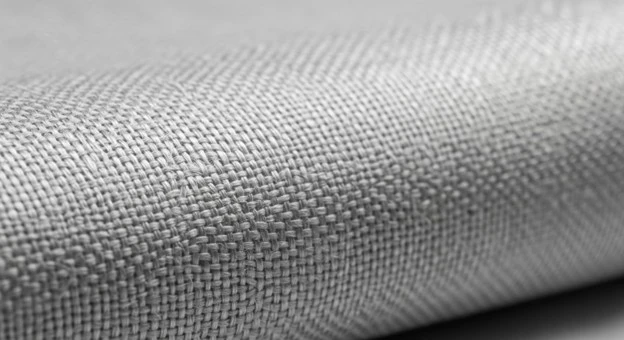
You need something that won’t buckle under pressure or high heat. Fiberglass cloth is made from woven glass fibres that create a sturdy but flexible fabric. It’s trusted in industries where heat, flame, and stress are the daily norm. If you’ve ever heard of heat resistant fiberglass fabric, that’s exactly what we’re talking about.
It resists fire. It holds its shape. And it won’t give out when the environment turns hostile. That’s real peace of mind especially when downtime isn’t an option.
Sure, Foam’s Easy Until Things Heat Up
Foam can seem appealing. It’s lightweight. It fits snugly in walls. But it’s not made for fire. If things go wrong, say, if there’s heat or sparks, foam won’t protect you. In fact, it might do the opposite by releasing harmful fumes. That’s a risk you shouldn’t have to take.
With fiberglass cloth, you're choosing something that doesn't ignite, doesn’t melt, and doesn’t turn dangerous under stress. You’re choosing to sleep better at night, knowing your space is wrapped in a material that won’t fail you in a crisis.
Mineral Wool’s Strong but Not Exactly Flexible
Mineral wool is dense. It’s solid. And it’s often used for acoustic control and fire-rated walls. But when you need to wrap around a pipe or cover an uneven surface, it gets tricky. That’s where woven glass fiber material like fiberglass cloth shines.
You can cut it, sew it, roll it, or coat it. It goes where other materials can’t, and it doesn’t fight back when you need it to flex. If your project demands adaptability, you’ll feel relief reaching for this. Because fighting with your materials mid-install is the last thing you need.
Ceramic Fibre Takes the Heat But Not Without Trade-Offs
Ceramic fibre does have higher heat resistance than fiberglass. That’s true. But it’s also more expensive and fragile. It chips. It breaks. It can even pose health risks if you're not careful during installation. You shouldn’t have to worry about that.
With fiberglass cloth, you’re getting serious performance without the extra stress. You’ll spend less time replacing parts and more time knowing your insulation's doing its job. And honestly, isn't that what you're really after?
Let’s Talk About What Actually Matters in the Field
It’s one thing to read specs. It’s another to see what happens in the real world. Fiberglass cloth performs under pressure. It’s used in cars, aerospace systems, ductwork, and machinery. It wraps, shields, and insulates. All without adding weight or wearing down too fast.
You don’t want something that works well in theory. You want it to show up when it counts. That’s what this material does, and it does it quietly, without fuss.
Moisture? It’s Manageable When You Plan for It
No insulation’s perfect. Fiberglass cloth can get worn down by long-term moisture if left unprotected. But you’re not going in unprepared. You can coat it. You can layer it. Add silicone or PTFE, and suddenly, it’s water-resistant and chemical-resistant. That means less worry in damp areas and longer service life in tough spots.
You’ve got options. You’ve got control. You’re not stuck using the wrong thing in the wrong place. That’s a win in any industry.
Got Vibration or Movement? This One’s Built to Ride
If your setup involves motion, you need something that can flex without falling apart. Foam crumbles. Mineral wool shifts. But fiberglass cloth? It holds on.
It doesn’t sag. It doesn’t degrade. And it keeps doing its job even when things get loud or fast. That’s why industries with moving parts keep choosing it. If you’ve got engines, ducts, or machines in motion, you’ll want something just as reliable.
Sometimes, It’s the One Material That Pulls Everything Together
One of the best things about fiberglass cloth? It plays well with others. You can wrap it around foam, layer it over mineral wool, or use it as a skin over ceramic panels. It adds structure. It extends life. And it keeps everything looking and performing better.
When you’re working on a complex system, you’ll appreciate how easy it is to cut, shape, and blend. It fits your build instead of fighting against it. It’s a real problem-solver and honestly, every project needs one of those.
Safety Shouldn’t Be a Gamble
You’ve got a right to safe materials. You shouldn’t have to guess whether something is toxic or brittle or unsafe when heated. Newer fiberglass cloth uses bio-soluble fibres that reduce health concerns. It contains no asbestos. And it’s trusted worldwide.
Wear gloves. Use a mask during install. Then let it do the heavy lifting. That’s what reliable materials are supposed to do.
Cost, Access, and Who You Can Trust to Deliver
You don’t need to dig too deep to find quality suppliers. Fiberglass cloth is stocked and ready through many partners. A good industrial fiberglass textile provider will offer the right weave, finish, and sizing. If your project needs added support, a reinforced fiberglass sheet supplier can help you source what’s right.
Want to inspect materials before ordering? Visit a fabric showroom near Chinatown Singapore. And if you’re working with a wholesale fabric distributor, or looking for custom fabric sourcing, you’ll find what you need. You’ll even spot some cotton, linen, and silk fabrics nearby. That’s the beauty of choice and connection.
Your Insulation Should Solve Problems, Not Create Them
You’ve got enough on your plate. Your insulation shouldn’t be another worry. Fiberglass cloth gives you reliability without hassle. It protects what matters without burning out, breaking down, or locking you into a rigid form.
Your job is already demanding. Don’t let poor material choices make it harder. Choose something built to support you.
So take a breath. Consider what problem you’re truly aiming to fix. And then pick the insulation that actually helps you get there.





























Sign in to leave a comment.