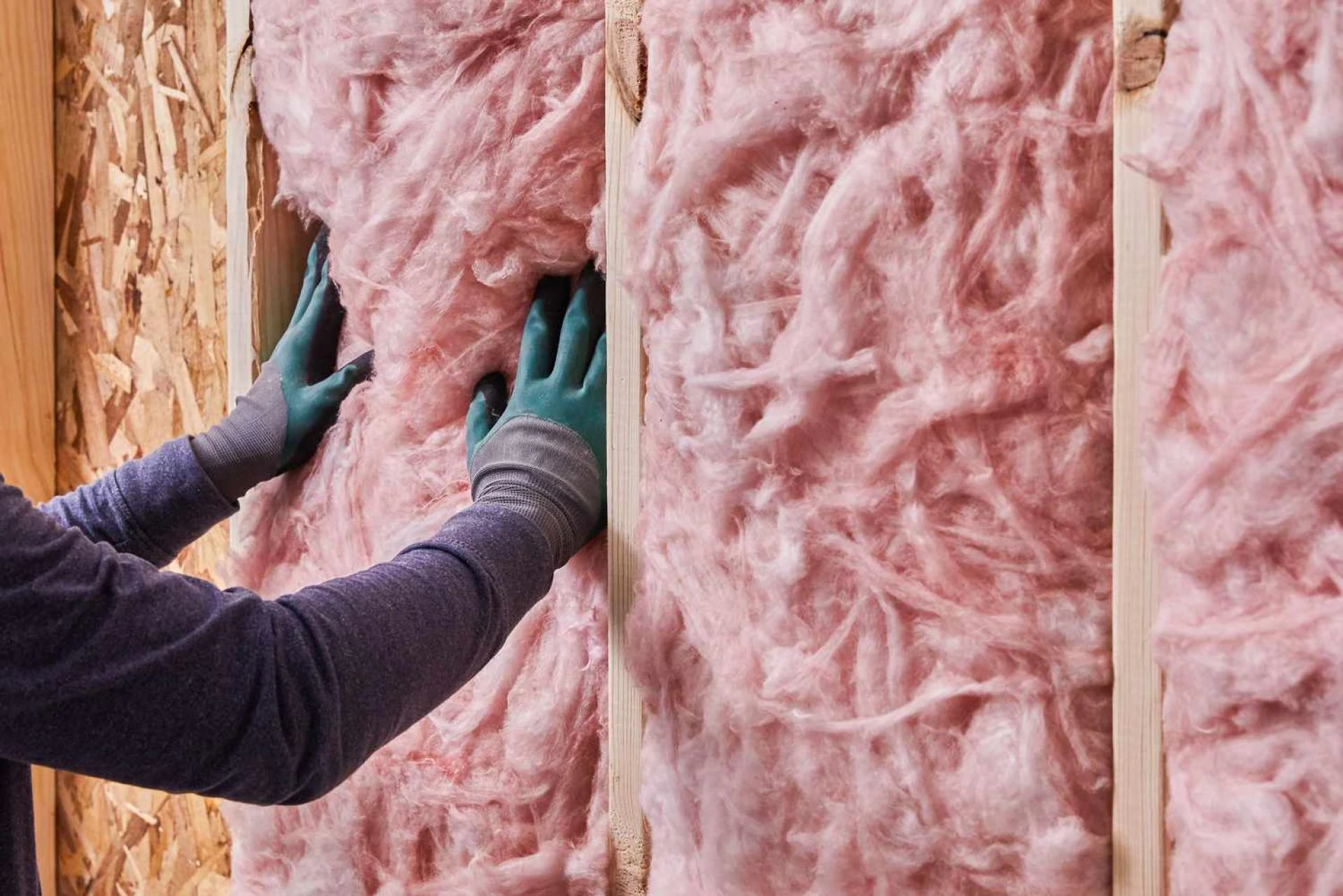
When people think about green building materials, their minds often jump to bamboo floors or reclaimed wood. Insulation might not be the first thing that comes to mind, yet it's one of the most impactful components of a sustainable home. Modern fiberglass insulation, in particular, strongly aligns with green building goals through three key attributes. First, it is manufactured with a very high percentage of recycled content, reducing landfill waste. Second, its production has become more efficient, and the latest versions use formaldehyde-free binders, which supports healthier indoor air quality. Most importantly, when installed correctly, it provides decades of energy savings that far outweigh the initial energy used to produce it.
While newer insulation materials often get more attention, today’s fiberglass is a sophisticated product that has evolved significantly. This overview, based on the practical experience of insulation professionals, explains how this trusted material fits squarely into the framework of modern, sustainable construction.
The Sustainable Lifecycle of Modern Fiberglass
A core principle of green building is the responsible use of resources. The lifecycle of modern fiberglass, from its creation to its long-term performance, reflects this principle.
High Recycled Content
One of the most compelling green features of fiberglass insulation is its composition. It's made from sand, an abundant natural resource, and a large portion of recycled glass. Major manufacturers now produce fiberglass with up to 60% recycled content, primarily sourced from post-consumer glass bottles and post-industrial window scraps. This has two major environmental benefits:
- It diverts millions of pounds of glass from landfills where it would sit for centuries without decomposing.
- It reduces the energy needed for manufacturing. Using recycled glass cullet requires less energy to melt than starting with raw materials from scratch.
Formaldehyde-Free Binders and Healthier Air
For years, the binder used to hold fiberglass strands together was phenol-formaldehyde based. While stable in the final product, this raised concerns about indoor air quality. A major innovation in the industry was the development of formaldehyde-free binders. Most major brands now use bio-based binders, often derived from plant starches, or other acrylic binders that are free of formaldehyde.
This change means that modern fiberglass no longer off-gases formaldehyde, a common indoor air pollutant. This is a huge step forward for creating healthier living spaces, a primary goal of green building certifications like LEED and the WELL Building Standard.
Bonus Tip: When choosing fiberglass insulation for a green project, look for products that have third-party air quality certifications, such as GREENGUARD Gold. This certification verifies that the product meets some of the world's most rigorous standards for low chemical emissions.
Energy Savings: The Ultimate Green Feature
The single biggest contribution any insulation makes to sustainability is the energy it saves over the life of a building. The energy required to heat and cool buildings is a massive source of carbon emissions. A properly insulated building can cut this energy use by 30% or more.
Fiberglass insulation, with its reliable thermal performance, can provide these savings for 50 years or more without degrading. The energy saved over just the first year of a properly insulated home can be many times greater than the energy it took to manufacture the insulation in the first place. This long-term, passive energy efficiency is the cornerstone of its green credentials. However, to achieve these savings, the installation must be done correctly.
Unlocking Performance with Professional Installation
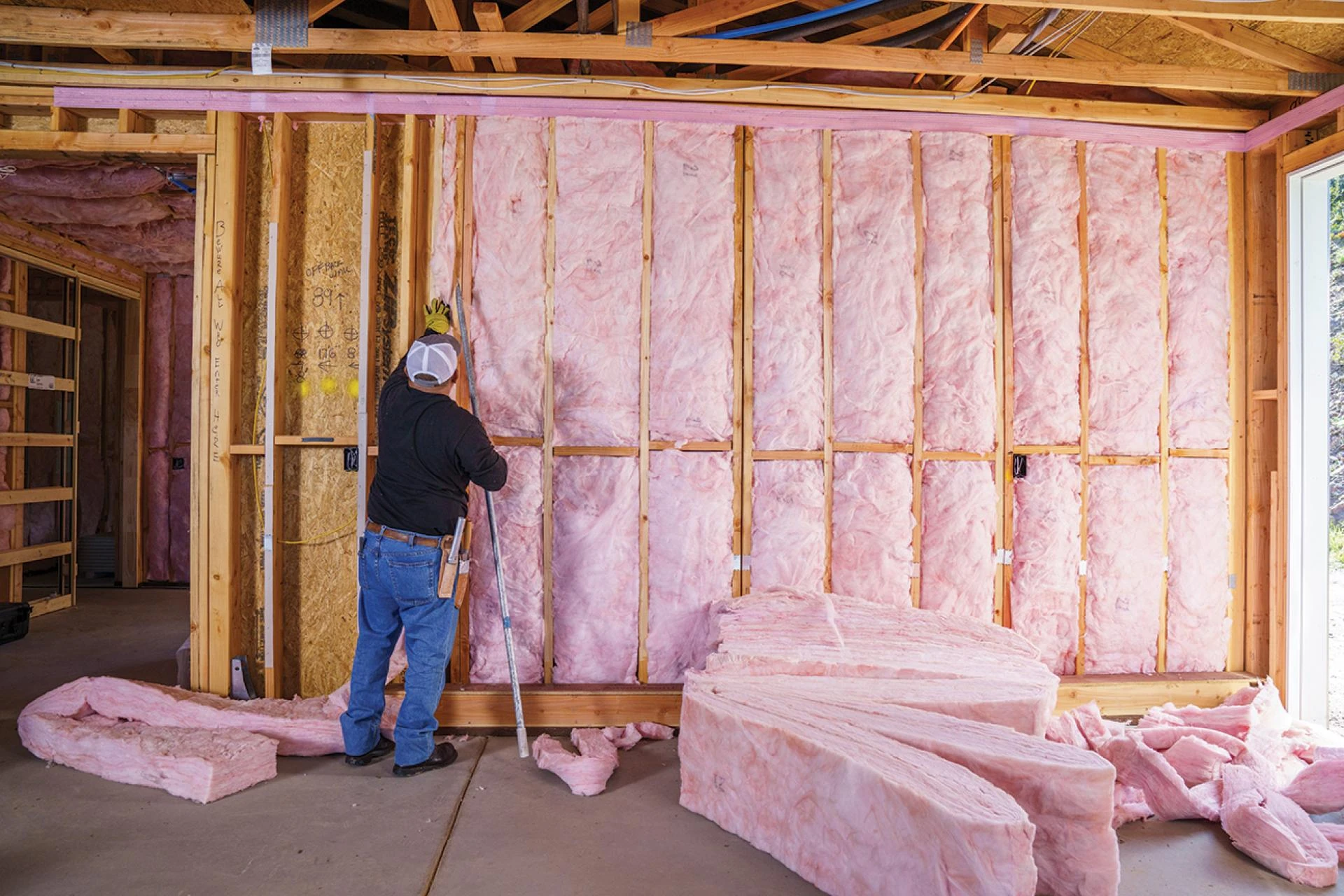
Fiberglass insulation Installation is not an air barrier. Air can move through it, and if it's installed with gaps, its effective R-value drops dramatically. This is why a green building approach to fiberglass focuses heavily on the quality of the installation. A professional contractor who understands building science will:
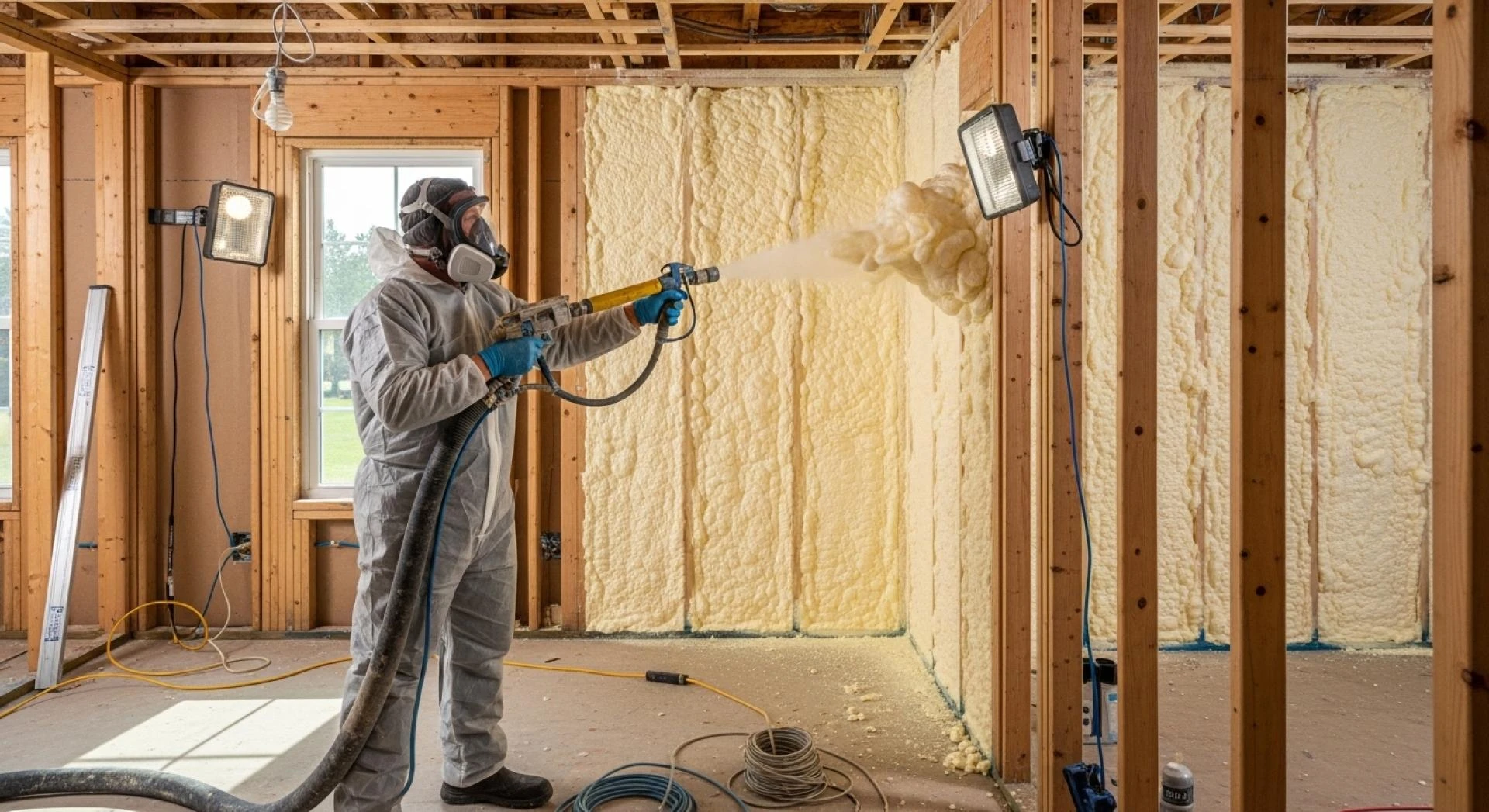
- Air-Seal First: Before any fiberglass is installed, a meticulous effort is made to seal all air leaks between the conditioned space and the outside, using caulk, foam, and other materials.
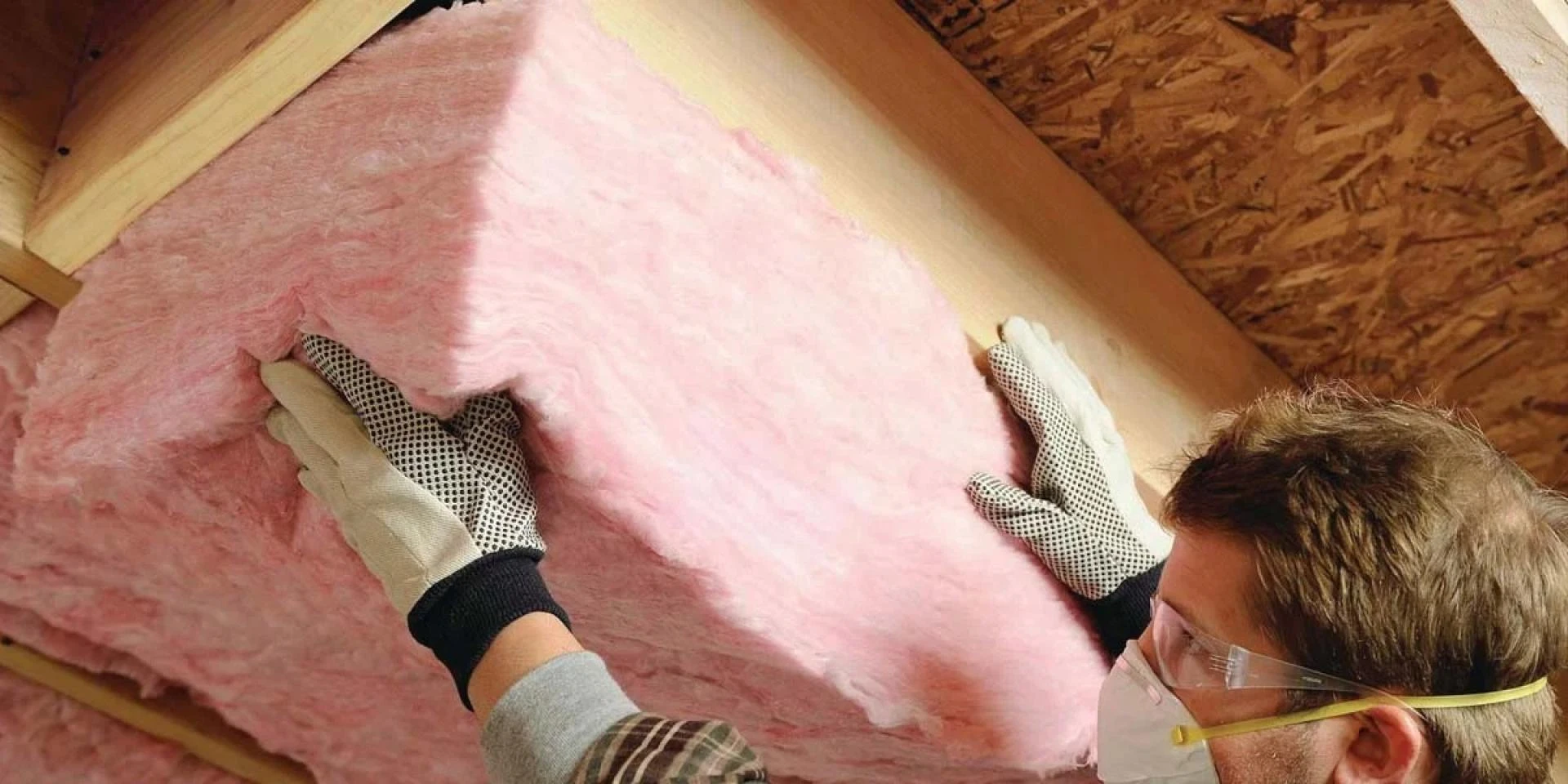
- Install with Precision: Batts are carefully cut to fit snugly around wiring, plumbing, and electrical boxes. They are never compressed, as that squeezes out the air pockets that give the insulation its R-value.
- Ensure Full Coverage: In attics, blown-in fiberglass is often the preferred method as it flows into irregular spaces, creating a more continuous thermal blanket than batts can achieve.
A company with expertise in these techniques, such as Prestige Insulation Solutions, can ensure that the fiberglass performs to its full potential, delivering the energy savings that make it a truly green product.
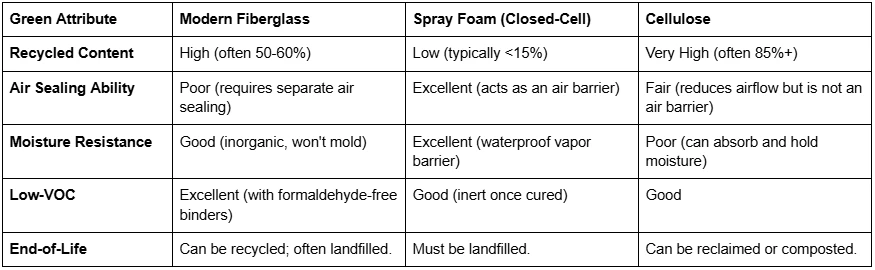
A Comparative Look at Green Insulation Attributes
Different insulation materials have different green strengths. The best choice often depends on the specific goals of the project.
Questions People Ask About Green Fiberglass
Is fiberglass insulation flammable?
No, glass fibers themselves are naturally non-combustible and will not burn. Some products have a kraft paper facing which is flammable, but building codes require it to be covered by a fire-resistant material like drywall.
Does fiberglass insulation break down over time?
The glass fibers are extremely durable and will not rot or decay. Fiberglass insulation can easily last for the life of the building if it is kept dry and is not physically disturbed. This longevity is a key feature of its sustainability.
Is cellulose insulation a greener choice?
Cellulose has a higher recycled content (made from recycled paper), which is a big advantage. However, it is more susceptible to moisture damage than fiberglass. The choice often comes down to the specific application and climate.
How does the cost compare to other "green" insulation?
Fiberglass is generally one of the most affordable insulation options available. This makes it an accessible choice for builders and homeowners looking to improve energy efficiency without a massive upfront investment.
Can old fiberglass insulation be recycled?
While fiberglass is recyclable, the infrastructure to collect and process it from demolition sites is not widely available yet. However, this is an area of growing industry focus.
A Smart and Sustainable Choice
Modern fiberglass insulation is a powerful tool for achieving green building goals. With its high recycled content, improved indoor air quality profile, and, most importantly, its ability to deliver massive long-term energy savings, it stands as a practical and cost-effective choice for sustainable construction. The key to unlocking these benefits lies in a professional, detail-oriented installation that prioritizes air sealing and proper technique. When done right, it's an investment in a healthier, more efficient, and more sustainable home.
Getting Professional Advice on Green Insulation
Choosing the right sustainable insulation for your project involves weighing many factors. A professional insulation contractor can provide expert guidance on which materials and techniques will best meet your performance and environmental goals. For those looking to use modern, high-performance fiberglass, the team at Prestige Insulation Solutions can offer detailed consultations. They can be reached by phone at (850) 429-4969 or by email at [email protected] to discuss your project needs.
Author: Rene Zamarripa is a spray foam installer with 17 years of experience in the insulation industry, starting with Key Insulation in 2008. He now owns his own insulation company, focusing on high-quality residential and commercial applications.
Reviewer: Benjamin Lee has worked in the spray foam industry for over 13 years, specializing in helping insulation businesses improve their technical processes and connect with local clients.






















Sign in to leave a comment.