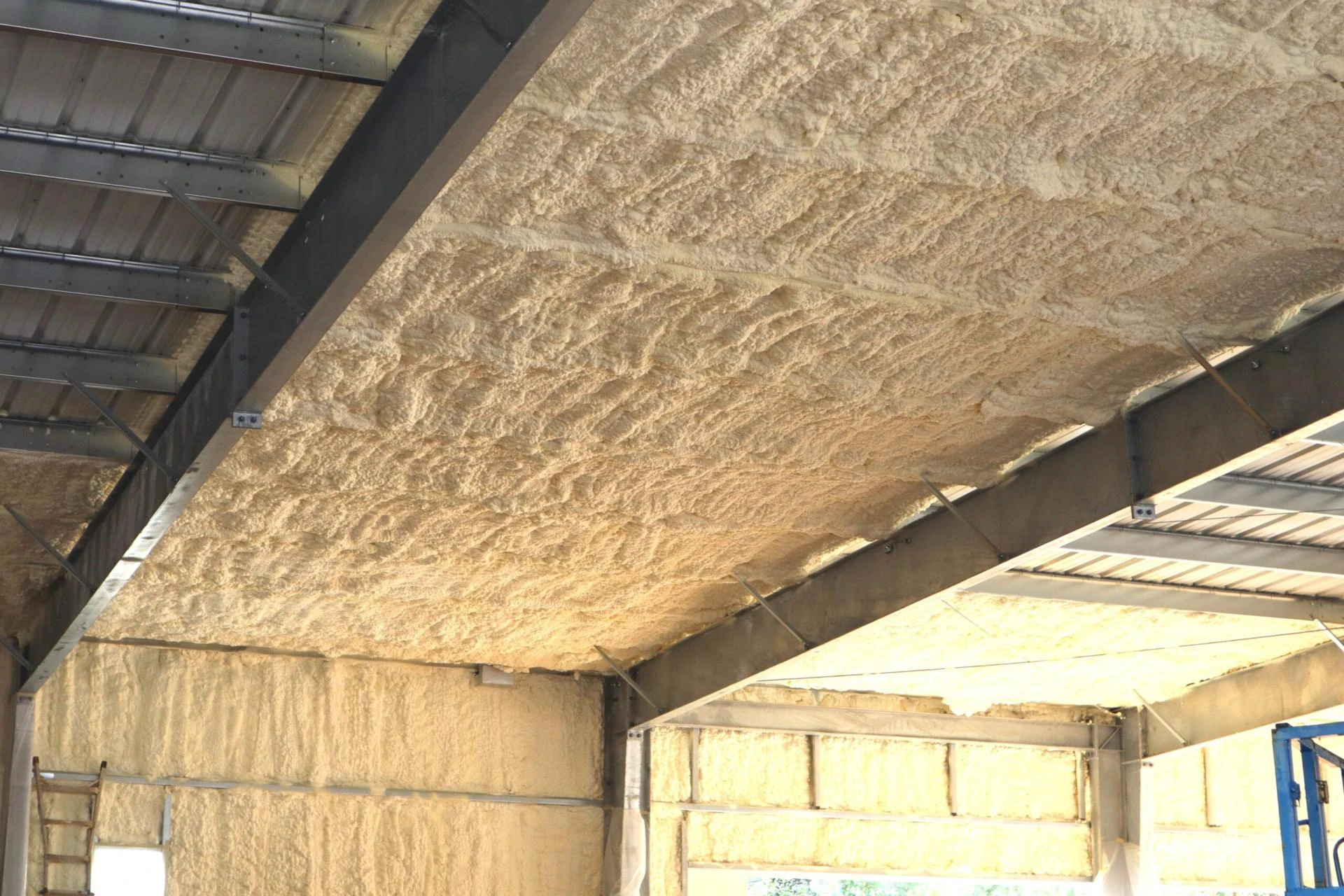

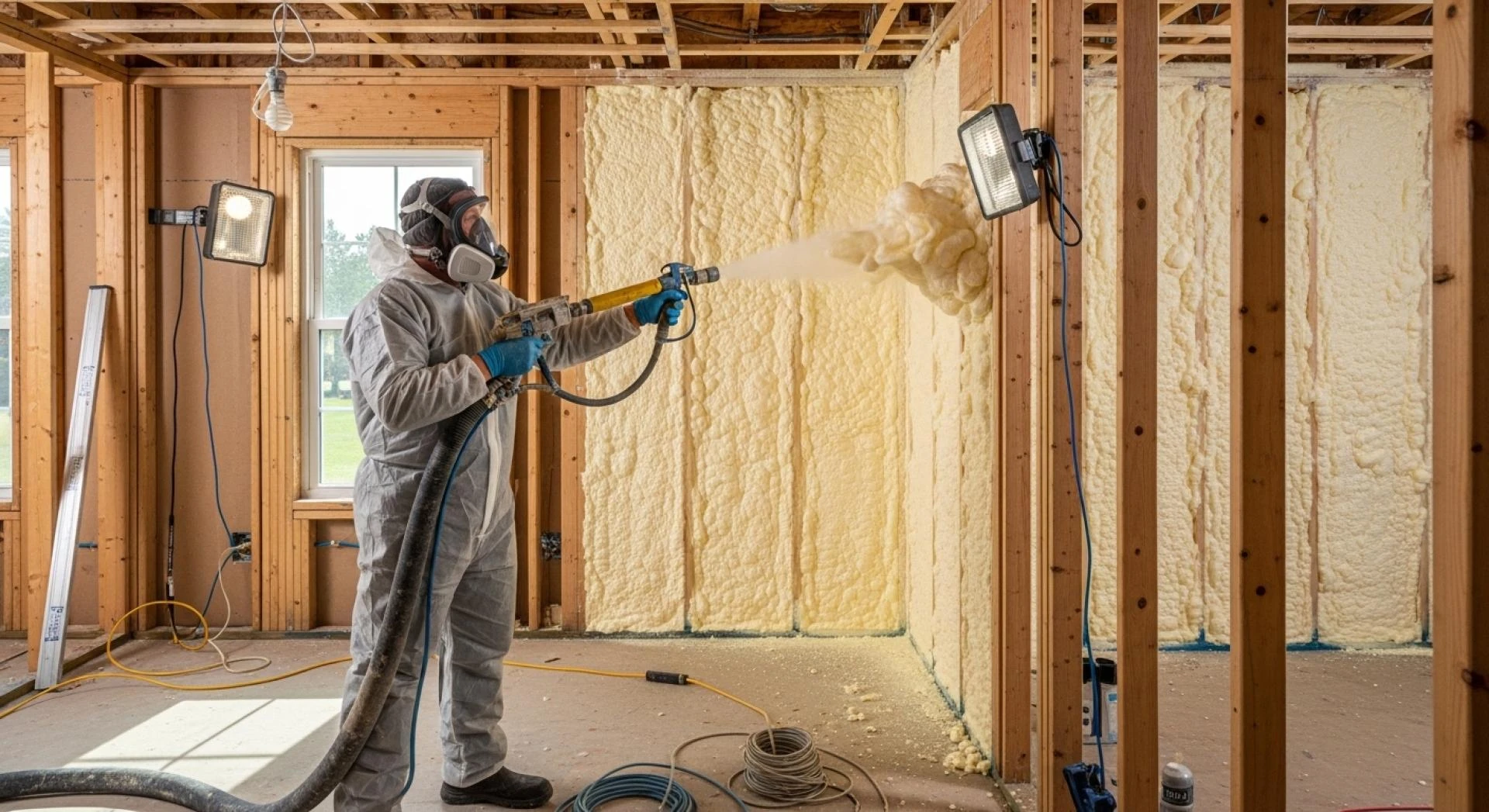
When upgrading commercial insulation, choosing a product like closed-cell spray foam does more than improve thermal performance; it actively adds structural strength to the building. This happens because closed-cell foam is not a passive material that simply fills a cavity. Instead, it is applied as a liquid that expands and cures into a dense, rigid solid, acting as a high-strength adhesive. It bonds directly to the roof deck, wall sheathing, studs, and joists, effectively gluing these separate structural components together into a single, unified assembly. This process significantly increases a building's resistance to racking forces from wind and seismic activity and improves its ability to withstand wind uplift on the roof.
For commercial property owners and facility managers, this is a powerful, often overlooked benefit. An insulation upgrade becomes an investment not just in energy efficiency but in the building's long-term resilience and durability. This article, based on the practical application and building science knowledge of insulation experts, explores exactly how this strengthening process works.
The Science of Structural Reinforcement with Insulation
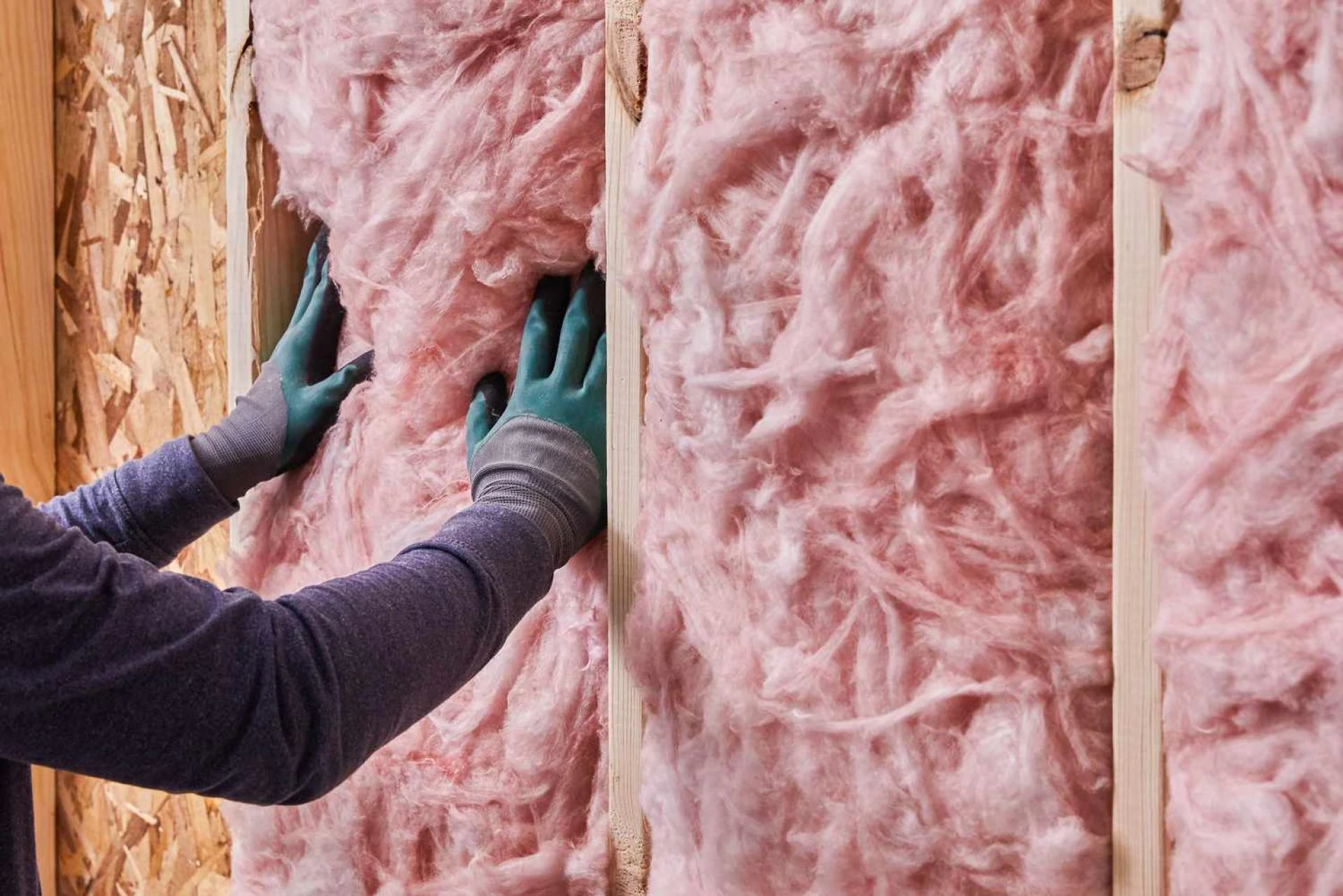
Traditional insulation materials, such as fiberglass batts or rigid foam boards, are placed within or against the building's frame. They do an excellent job of resisting heat flow, but they contribute very little to the building's structural integrity. They are essentially passengers within the structure.
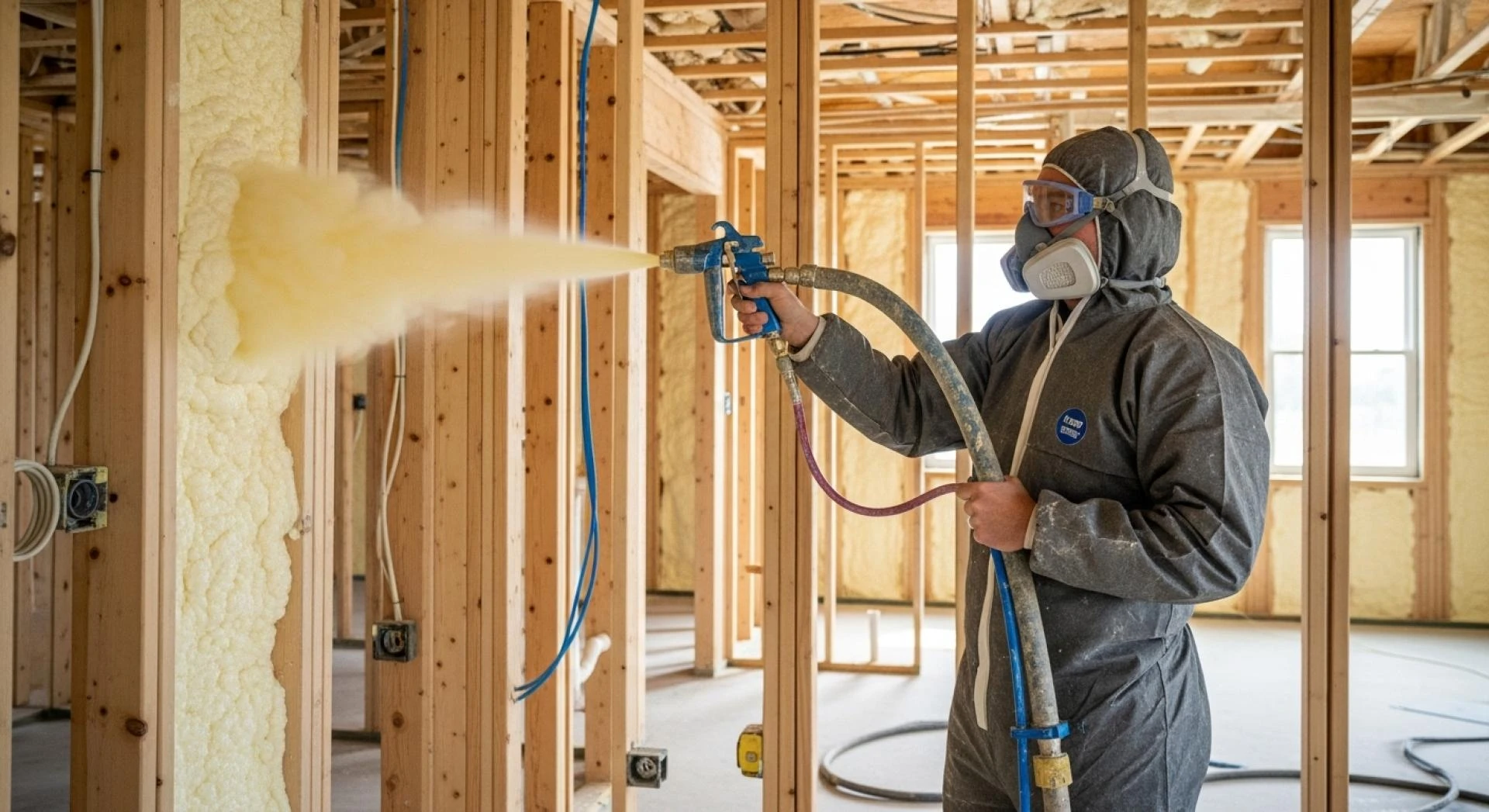
Closed-cell spray polyurethane foam (ccSPF) works differently. During application, a chemical reaction creates a foam that expands and adheres tenaciously to almost any surface it touches. The key to its strength lies in its properties once cured:
- High Density and Rigidity: Closed-cell foam is very dense and hard. This rigidity helps to stiffen the entire assembly it is a part of, reducing flex and movement.
- Adhesive Power: The foam forms an incredibly strong bond with wood, metal, and concrete. This adhesive quality is what ties the different parts of the structure together.
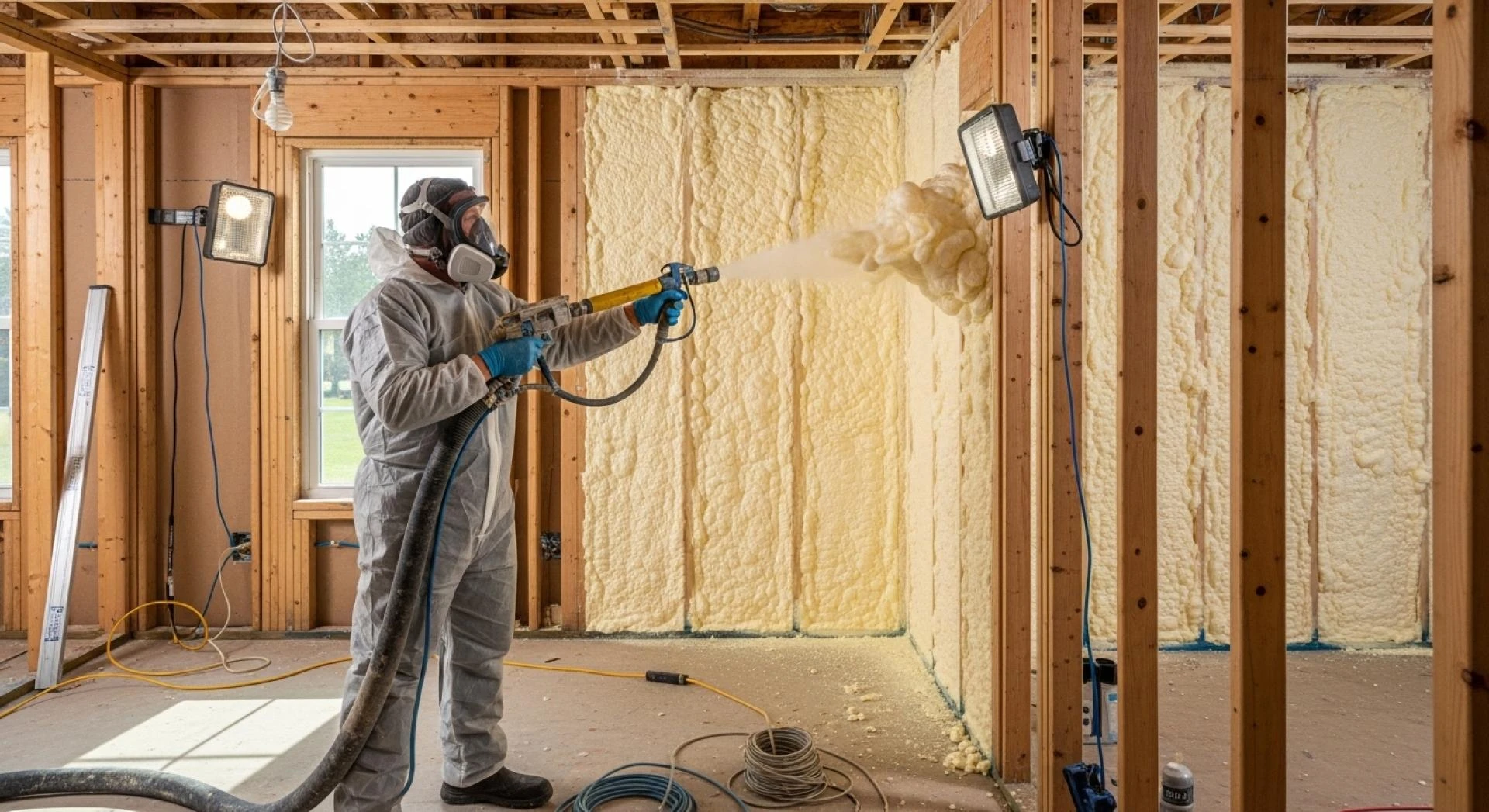
When applied inside a wall cavity, the foam bonds the exterior sheathing (like OSB or plywood) to the studs. This creates a composite structure that is much stronger than the individual components on their own. Tests conducted by the National Association of Home Builders (NAHB) Research Center have shown that wall assemblies with spray foam can have a racking strength that is 75% to 200% greater than walls with conventional insulation.
A Critical Defense Against Wind Uplift on Commercial Roofs
Commercial buildings, particularly warehouses, manufacturing facilities, and retail centers, often have large, low-slope or flat roofs. These roofs are highly susceptible to the powerful forces of wind uplift during severe storms. The wind blowing over the top of the building creates a pressure differential, essentially trying to suck the roof off the structure.
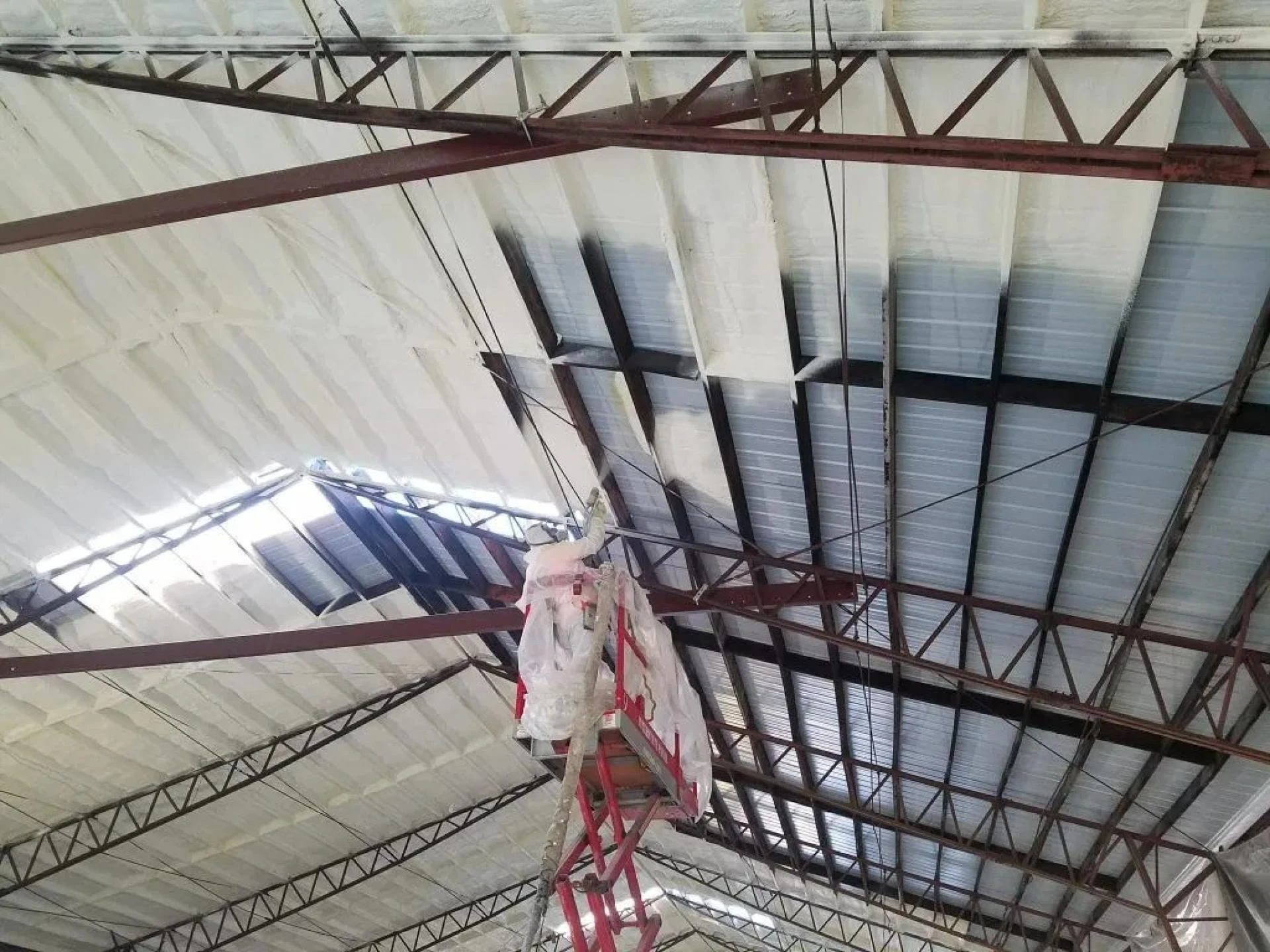
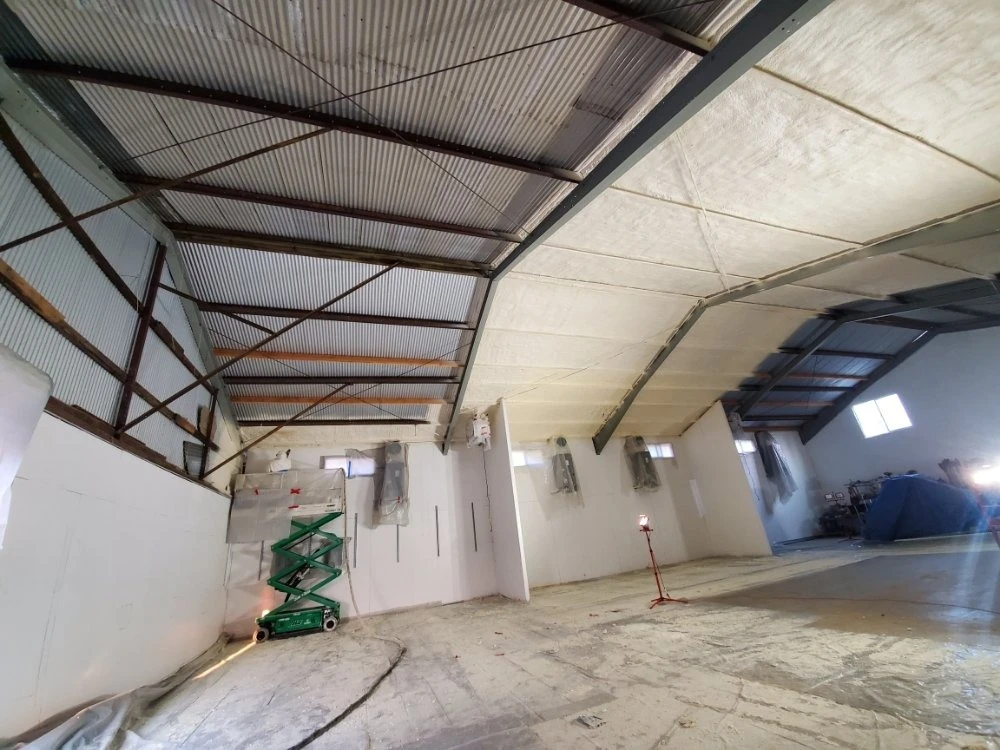
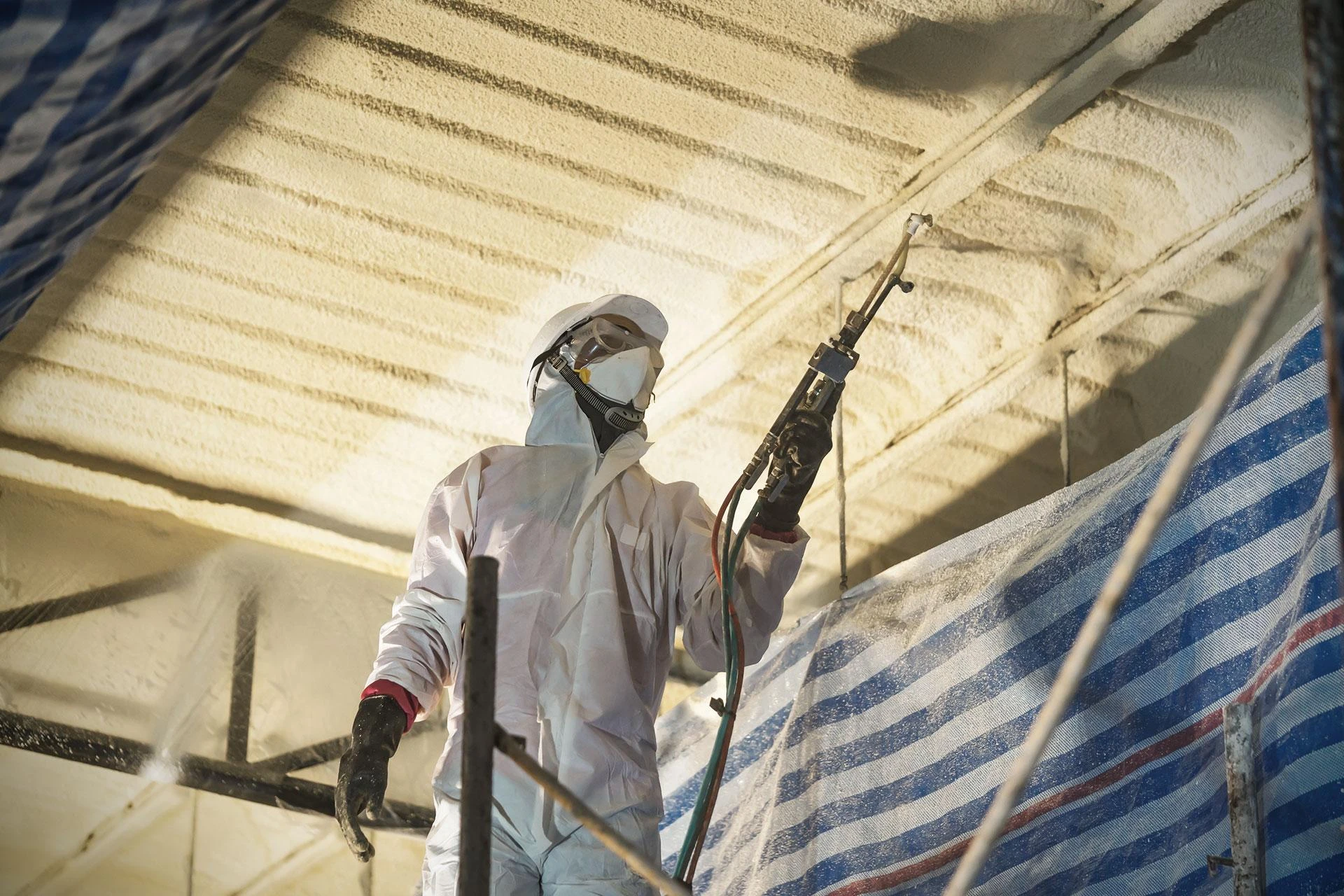
This is where applying closed-cell spray foam directly to the underside of the roof deck provides a massive structural advantage. The foam acts as a powerful adhesive, "gluing" the roof sheathing to the roof trusses or joists below. This creates a monolithic roof system that is far more resistant to being peeled apart by the wind. In hurricane-prone regions, this single application can be one of the most effective upgrades for improving a building's resilience. Major storms in recent years have highlighted the vulnerability of commercial roofs, making this structural benefit more relevant than ever. For older metal buildings, this same application can also dramatically stiffen the structure, reduce noise from rain, and seal the countless small air leaks common in that type of construction.
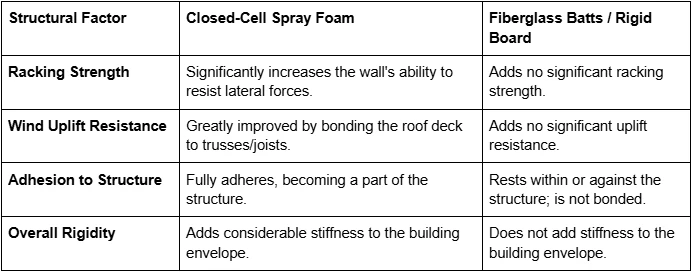
Comparing Structural Contributions of Insulation Types
The structural advantages of closed-cell foam become clear when compared directly to conventional insulation materials:
Protecting the Structure from Moisture and Degradation
Strength isn't just about resisting immediate forces; it's also about long-term durability. Closed-cell spray foam also adds strength by protecting the structural components from the slow, steady attack of moisture.
Because it acts as a complete air and vapor barrier, it prevents moisture-laden air from entering the building envelope and condensing on cooler surfaces. This keeps the wood or metal framing dry, preventing the rot, rust, and corrosion that can weaken a structure over decades. By protecting the bones of the building, the foam ensures that the structure maintains its design strength for much longer. This preventative action is a key part of the value proposition for commercial building owners who are focused on the total lifecycle cost of their property.
To achieve these long-term structural benefits, however, a few key factors must be considered before starting a project.
Things to Consider Before a Structural Insulation Upgrade
While the benefits are significant, achieving them requires a well-planned and professionally executed project.
The Substrate Must Be Sound
Spray foam will adhere to almost anything, but the surface it's applied to must be clean, dry, and structurally sound. It cannot fix a rotten roof deck or a rusted metal panel. Before any insulation work begins, a thorough inspection of the building's envelope should be conducted, and any existing issues like leaks or corrosion must be repaired.
The Installer's Expertise is Non-Negotiable
The structural benefits of spray foam are entirely dependent on a proper application. The foam must be applied at the correct thickness and density, and the chemical mix must be perfect to ensure it cures to its full strength. This is not a job for a general contractor. Business owners should seek out an experienced, certified spray foam insulation contractor who has a deep understanding of building science and a proven track record with commercial projects.
Bonus Tip: When getting quotes, ask the contractor about their quality control process. A professional crew will be able to explain how they monitor temperatures and pressures on their equipment and how they test the foam during application to ensure a quality product.
Questions People Ask About Insulation and Building Strength
Can spray foam replace traditional structural bracing like sheathing?
No. Spray foam is a performance enhancer, not a replacement for primary structural components. It should be applied to a building that is already designed and built to meet all structural codes. It adds to the strength and resilience of that existing system.
Does open-cell spray foam also add strength?
Not in any significant way. Open-cell foam is light, flexible, and has a spongy texture. While it's an excellent air barrier and sound absorber, it does not cure into a rigid solid and therefore does not provide the structural reinforcement that closed-cell foam does.
How much thickness is needed to get the structural benefit?
Generally, even a couple of inches of closed-cell spray foam will provide a significant structural boost because of its adhesive properties. The final thickness will be determined by the R-value required by local energy codes, but the strength benefit is present even at minimum depths.
Can this be applied to concrete or block walls?
Yes. Closed-cell spray foam adheres very well to concrete masonry units (CMU) or poured concrete walls. It adds a superior thermal and moisture barrier to these structures, though its contribution to their inherent compressive strength is less significant than in a wood or steel-framed building.
Can this upgrade help with my building's insurance?
In some cases, yes. Insurance providers in storm-prone areas may offer discounts or better terms for buildings that have documented wind-mitigation upgrades. An insulated and sealed roof deck is often considered a positive feature. It's worth discussing with an insurance agent.
Get a Professional Building Assessment
Upgrading a commercial building's insulation with closed-cell spray foam is a strategic investment that pays multiple dividends. Beyond immediate energy savings, it delivers a stronger, more durable, and resilient building that better protects assets, inventory, and people. To understand how an insulation upgrade could improve the strength and efficiency of a specific commercial property, a professional evaluation is the necessary first step. An experienced team can inspect the building envelope and provide a detailed plan for improvement. For businesses looking for a comprehensive assessment, the experts at Prestige Insulation Solutions specialize in commercial applications. They can be reached for a consultation by phone at (850) 429-4969 or by email at [email protected].
By Rene Zamarripa, an insulation professional with 17 years of hands-on experience. He started in the industry in 2008 and now owns a successful insulation company, possessing deep knowledge of various insulation types and the technical skills required for high-quality application.
Reviewer: Benjamin Lee reviewed this content, bringing over 13 years of specialized experience in spray foam insulation to ensure the information helps businesses connect effectively with local clients.
























Sign in to leave a comment.