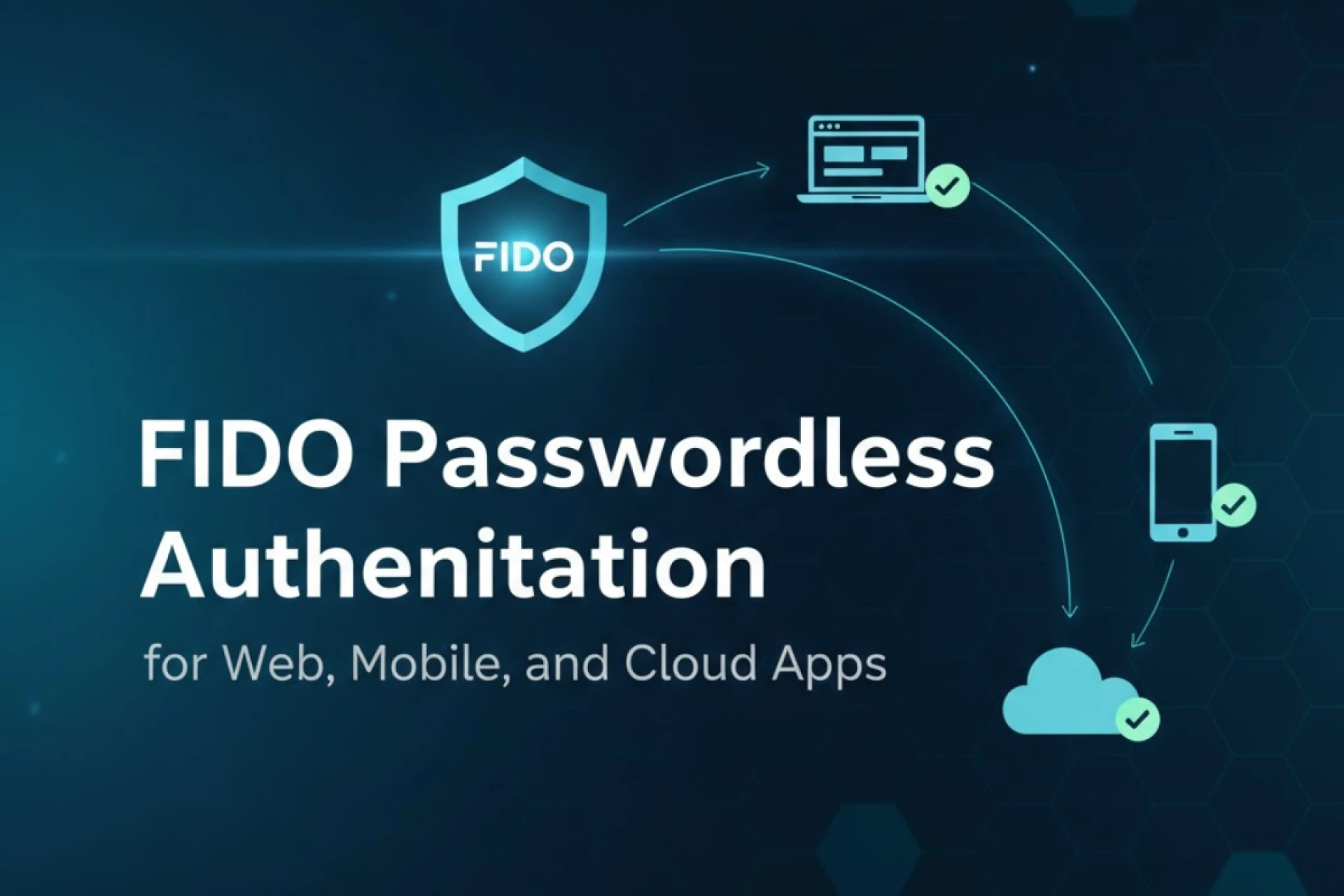

Passwords are tired. You can feel it in the way people sigh before logging in, or the way sticky notes still cling to office monitors even in 2026. We’ve all been there—reset links, locked accounts, that tiny panic when a login fails right before a meeting. Somewhere in the middle of all that mess sits FIDO Passwordless Authentication, quietly doing what passwords never quite managed to do: make logins simple, safe, and honestly… kind of forgettable in the best way.
At Ensurity, we’ve watched teams move from old-school credentials to FIDO-based login flows, and the mood shift is real. Fewer support tickets. Fewer “I forgot my password” emails. People just get in and move on with their day. That’s the point, right?
Why Passwords Are Still a Problem Nobody Loves Talking About
Everyone knows passwords are weak. We still use them. Habit. Legacy systems. That one app nobody wants to touch because “it still works.” Yet breaches keep happening. Phishing emails still trick smart people. Credential stuffing scripts run nonstop.
There’s something oddly fragile about a system that relies on humans remembering random strings. Even when rules get stricter—caps, symbols, length—it doesn’t fix the core issue. Passwords can be stolen. Reused. Guessed. Shared. Logged.
FIDO authentication flips that idea. No shared secrets. No passwords moving across networks. Nothing useful for attackers to grab.
What FIDO Passwordless Authentication Really Is (Minus the Jargon)
At its heart, FIDO passwordless login uses public-key cryptography. A private key stays locked inside the user’s device. A public key lives on the server. When someone signs in, their device proves it owns the private key. No password needed. No secret typed.
It can look like:
- A fingerprint tap
- Face recognition
- A security key
- A phone prompt
- A built-in platform authenticator
Same idea each time. The user proves “it’s me” without typing anything secret.
It feels almost boring once you get used to it. Which is a compliment.
FIDO for Web Apps: Quietly Fixing a Loud Problem
Web apps carry the heaviest password baggage. Old frameworks. Third-party plugins. Millions of user accounts.
Adding FIDO passwordless authentication to a web app changes how logins behave:
- No password fields
- No reset flows
- No lockout storms
- No reused credentials
Users sign in with biometrics or a device-bound key. Phishing pages can’t replay the login. Even if someone clones your site, the cryptographic challenge won’t match.
At Ensurity, web teams often say the same thing a few weeks in: “Why didn’t we do this sooner?” Usually followed by a shrug and a smile.
FIDO for Mobile Apps: Feels Native, Because It Is
Mobile devices already live in a biometric-first world. Face ID. Fingerprints. Secure enclaves. Hardware-backed storage.
So FIDO on mobile feels natural. You open the app. You glance at the screen. You’re in.
No extra SDK drama. No ugly pop-ups. No weird permission loops.
Real-world moment: a fintech app rolled out FIDO-based login and saw a noticeable drop in abandoned sessions. People stopped bailing at the login screen. Less friction. More completed actions. Quiet win.
FIDO for Cloud Apps: Security That Doesn’t Slow People Down
Cloud platforms love passwords. They also hate breaches. That’s the contradiction.
FIDO passwordless authentication works well across cloud environments because:
- It ties identity to real devices
- It resists phishing and replay attacks
- It fits zero-trust models
- It works with SSO and IAM stacks
Admins still control access. Users still log in fast. Auditors still get logs. Attackers still get nothing useful.
The cloud stops being the weak link. It becomes the strong one.
How Ensurity Fits Into All This (Without the Salesy Noise)
Ensurity focuses on making FIDO authentication work in real systems. Not demos. Not just theory.
That means:
- WebAuthn support
- FIDO2 compliance
- Device-bound credentials
- Cross-platform login flows
- Identity lifecycle management
- Risk-aware access controls
We’ve seen companies roll this out gradually. Start with internal users. Then customers. Then partners. It scales at a human pace. No big bang drama.
Some teams go all-in fast. Others tiptoe. Both approaches work.
Real Benefits People Actually Notice
Not the brochure stuff. The day-to-day stuff.
- Fewer password reset tickets
- Shorter login times
- Lower phishing success rates
- Happier users
- Fewer breach headaches
- Less credential reuse risk
A small startup told us their support inbox went weirdly quiet after switching. They thought something broke. It didn’t. People just stopped needing help.
That kind of quiet is underrated.
Compliance, Standards, and the Stuff Legal Teams Care About
FIDO2 is backed by the FIDO Alliance. It’s supported by:
- Apple
- Microsoft
- Major browsers
- Enterprise IAM vendors
It plays nicely with:
- GDPR requirements
- Zero-trust models
- Strong customer authentication rules
- Data protection standards
Security teams sleep better. Legal teams stop pacing. Auditors get their boxes checked.
Not glamorous. Very necessary.
Use Cases That Make Sense Right Now
This isn’t some “maybe later” tech.
It already fits well for:
- SaaS platforms
- Banking and fintech apps
- Healthcare portals
- Internal enterprise tools
- E-commerce admin panels
- Developer platforms
- Remote workforce logins
Anywhere passwords still live, FIDO can replace them.
Gradually or all at once.
Common Doubts (Because Everyone Has Them)
“What if users lose their device?”
Recovery flows exist. Backup keys. Multi-device credentials. Identity proofing.
“What about older users?”
They adapt faster than expected. Biometrics feel easier than typing.
“Is this expensive?”
Support savings alone often cover rollout costs.
“Will it break our login system?”
It layers in alongside existing auth. You don’t have to burn anything down.
People worry. Then they try it. Then they stop worrying.
Why FIDO Feels Like the Right Direction
Not flashy. Not buzzword-heavy. Just solid.
It removes shared secrets. It blocks phishing. It works across web, mobile, and cloud apps. It respects user experience instead of fighting it.
And once people stop typing passwords, they rarely ask to go back.
Funny how that works.
A Small Story Before Wrapping Up
One product manager said something that stuck with us:
“Users don’t talk about login anymore. That’s the win.”
No tickets. No complaints. No panic resets. No lockouts before demos.
Just… access.
That’s what FIDO passwordless authentication delivers when it’s done right.
And that’s where Ensurity quietly helps teams get there.
























Sign in to leave a comment.