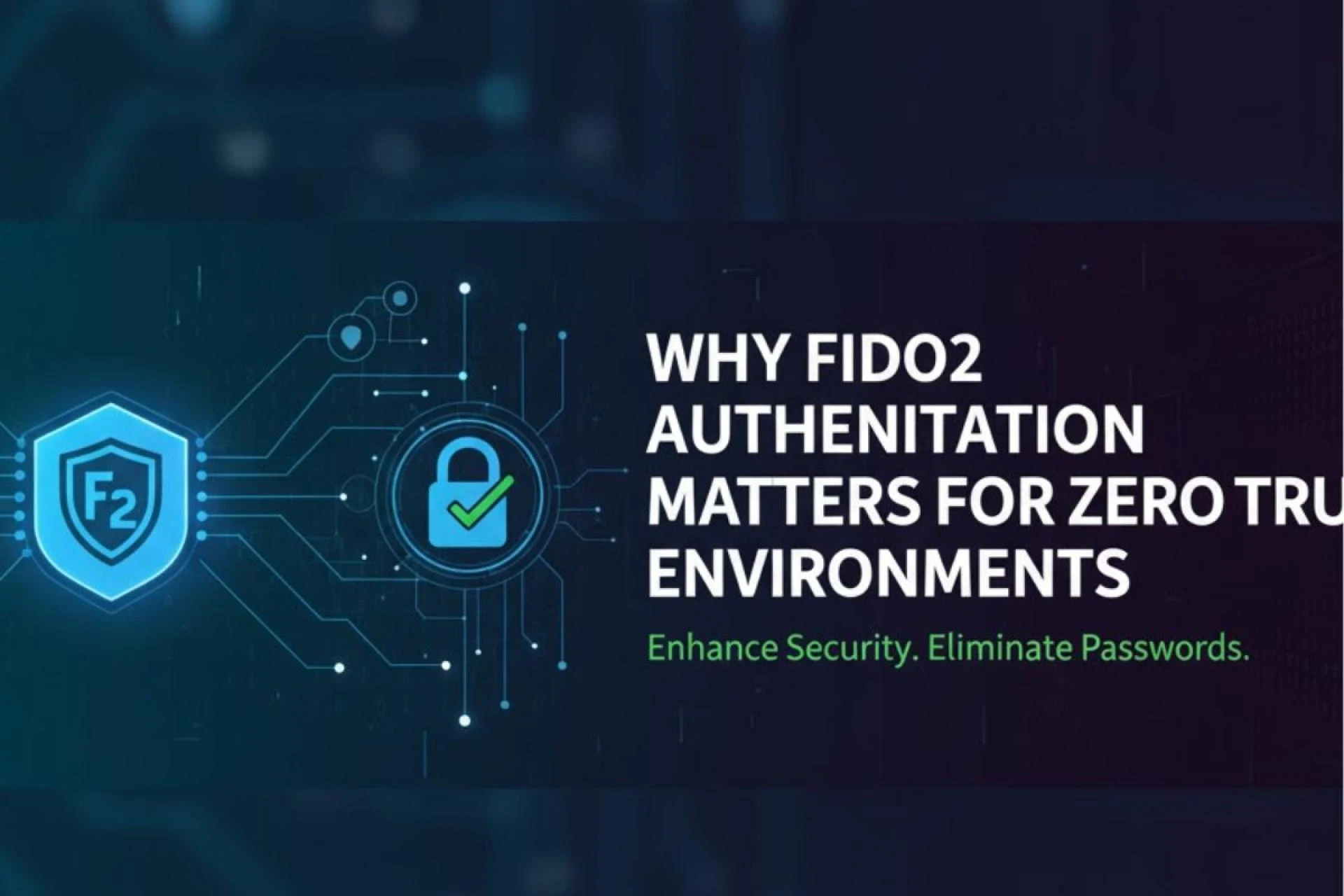

The Rise of Zero Trust Security
Modern cybersecurity strategies are moving away from the traditional “trust but verify” model toward a zero trust environment, where no user or device is inherently trusted. Every access request must be verified, monitored, and authenticated. In this context, relying on passwords alone is insufficient.
FIDO2 authentication provides a solution that aligns perfectly with zero trust principles. By replacing passwords with device-bound, cryptographic verification, organizations can enforce strong identity verification at every access point.
Understanding FIDO2 Authentication
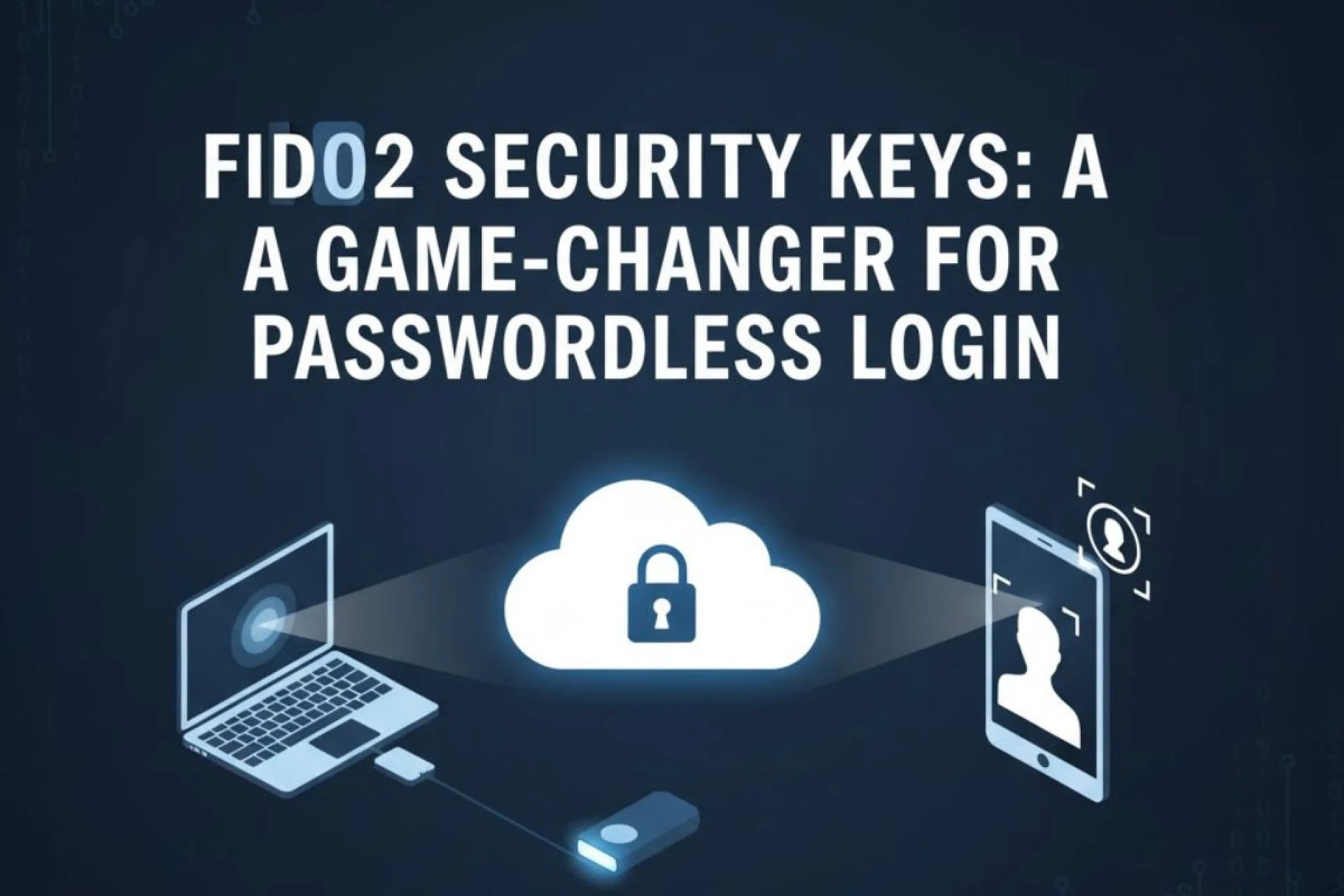
FIDO2 is a global standard for passwordless login that uses public-key cryptography. During registration, a unique key pair is generated: the private key stays on the user’s device, and the public key is stored on the server. This ensures that authentication is tied to the physical device and cannot be replicated remotely.
FIDO2 authentication can be combined with biometric verification or PINs, offering multi-layered security without relying on vulnerable passwords. It supports both enterprise applications and cloud platforms, making it versatile for zero trust deployments.
Why FIDO2 Authentication Supports Zero Trust
- Device-Centric Security - Each login is validated using the registered device, so even stolen credentials cannot grant unauthorized access. This aligns with the zero trust principle of verifying every access request.
- Phishing Resistance - FIDO2 ensures authentication is specific to the original website or service, preventing attackers from tricking users with fraudulent login pages.
- Strong Multi-Factor Authentication - The combination of device-based keys and optional biometrics fulfills multi-factor authentication requirements without introducing friction for users.
- Elimination of Password Vulnerabilities - Since passwords are removed from the authentication process, the risk of reuse, weak passwords, or database breaches is eliminated, enhancing overall security posture.
- Granular Access Control - Zero trust frameworks require precise control over who can access which resources. FIDO2 allows organizations to define access policies based on device, location, and user credentials.
Implementing FIDO2 Authentication in a Zero Trust Model
To integrate FIDO2 authentication effectively:
- Register Devices for Each User: Assign and manage devices with registered keys for authentication.
- Combine With Biometric Verification: Enhance security by requiring fingerprint or facial recognition alongside device validation.
- Monitor and Audit Access: Continuously track login attempts to detect unusual behavior or potential breaches.
- Integrate With Identity Platforms: Ensure FIDO2 works seamlessly with existing identity and access management systems for unified control.
Following these steps ensures that organizations maintain strong access verification without compromising usability.
Benefits of FIDO2 Authentication in Zero Trust Environments
- Enhanced Security: Reduces the risk of credential theft, phishing, and insider attacks.
- User-Friendly Experience: Passwordless login simplifies access, reducing frustration and support tickets.
- Regulatory Compliance: Meets stringent standards for authentication and data protection.
- Future-Ready Infrastructure: Supports the move toward broader zero trust adoption and cloud-based security frameworks.
FIDO2 authentication not only aligns with zero trust principles but also strengthens them by making every login session uniquely verified.
Real-World Applications
- Enterprise Networks: Employees access internal systems securely without relying on passwords.
- Cloud Services: Cloud providers integrate FIDO2 to safeguard customer and administrative accounts.
- Healthcare Systems: Staff access sensitive patient data using device-bound credentials.
- Financial Institutions: Banks protect online accounts and internal tools against phishing and account takeover.
These examples illustrate how FIDO2 authentication reinforces trust while simplifying user access.
FAQs
Q1: What is FIDO2 authentication?
FIDO2 authentication is a passwordless login standard that uses public-key cryptography to verify user identity through devices and optional biometrics.
Q2: How does it fit with zero trust security?
It aligns perfectly by verifying each access request at the device and user level, ensuring no implicit trust is granted.
Q3: Can FIDO2 work with existing systems?
Yes. FIDO2 integrates with most identity and access management platforms, cloud services, and enterprise applications.
Q4: Does it require special hardware?
Some implementations use security keys, but many modern devices with built-in biometric sensors support FIDO2 without additional hardware.
Q5: Is FIDO2 resistant to phishing?
Yes. Logins are tied to the original domain and device, preventing credentials from being intercepted or reused on fake sites.
Conclusion
FIDO2 authentication is a critical component for zero trust environments. By removing passwords and verifying every login through cryptographic device-bound methods, organizations can achieve stronger security without sacrificing usability. As businesses adopt zero trust frameworks, FIDO2 ensures that access is verified, identity is protected, and systems remain resilient against modern threats.

























Sign in to leave a comment.