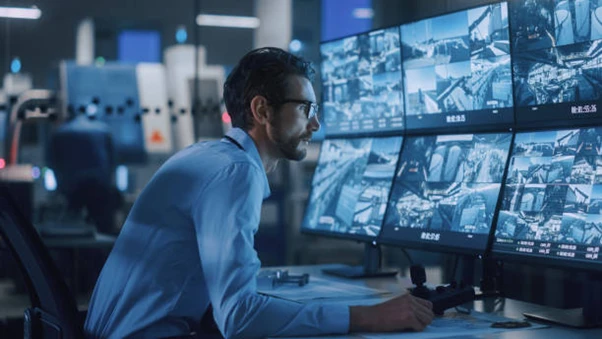

The Cost Considerations of Remote Video Monitoring
Remote video monitoring solutions have become an integral part of modern security systems, providing businesses and individuals with the ability to monitor their premises and assets from a remote location. However, it's essential to consider the financial aspects when evaluating the implementation of such systems.
Initial Investment and Equipment Costs
Implementing a remote video monitoring solution requires an initial investment in equipment and infrastructure. This includes cameras, recording devices, monitors, and networking equipment.
The cost will depend on the scale and complexity of the surveillance system needed. It is important to carefully assess the specific requirements of your property to ensure an optimal balance between security needs and budget limitations.
Installation and Setup Expenses
Beyond the equipment costs, installation and setup expenses should also be taken into account. Depending on the complexity of the system and the size of the property, professional installation services may be necessary.
These services ensure proper placement of cameras, wiring, and connectivity, which can be critical for effective surveillance. While installation costs add to the upfront investment, they help guarantee the system's optimal functionality and reduce the risk of potential issues in the future.
Ongoing Maintenance and Support
Once the remote video monitoring solution is in place, ongoing maintenance and support costs should be considered. Regular maintenance, including camera cleaning, software updates, and troubleshooting, is crucial to ensure the system's longevity and reliability.
Additionally, technical support services may be required to address any issues that arise and provide assistance in case of emergencies. Evaluating the potential costs associated with maintenance and support will help plan for long-term sustainability and uninterrupted security operations.
Data Storage and Bandwidth Requirements
Remote video monitoring systems generate a significant amount of data that needs to be stored securely. This necessitates the allocation of sufficient storage capacity, either through local devices or cloud-based solutions. The cost of data storage should be carefully evaluated, as it can vary depending on the storage method, duration of retention, and the number of cameras in use.
Bandwidth requirements are another financial consideration. High-definition cameras and real-time video streaming demand substantial network bandwidth. Ensuring adequate internet connectivity is essential to support seamless video transmission and avoid potential bottlenecks.
It's important to assess the impact on existing network infrastructure and explore potential upgrades or dedicated connections to accommodate the video monitoring system.
Return on Investment (ROI) and Cost Savings
While there are upfront and ongoing costs associated with remote video monitoring solutions, it's crucial to assess the potential return on investment and cost savings. These systems offer several benefits, including improved security, deterrence of criminal activity, and potential reduction in losses due to theft or vandalism.
By minimizing security breaches and mitigating risks, businesses can save on insurance premiums and avoid costly incidents.
Additionally, remote video monitoring solutions can enhance operational efficiency by remotely monitoring multiple sites from a centralized location. This can lead to savings in security personnel costs, as a smaller team can manage surveillance operations effectively.
Automation features such as motion detection and alerts can further optimize resource allocation and reduce the need for constant human monitoring.
You can also read a detailed blog on Remote Video Monitoring Services Cost in 2023
Conclusion
In conclusion, when considering remote video monitoring solutions, it's essential to evaluate the financial aspects alongside security needs. The initial investment, ongoing maintenance, data storage, and bandwidth requirements should be carefully analyzed.
By understanding the costs involved, businesses can make informed decisions and determine the potential return on investment and cost savings that these solutions can bring.
























Sign in to leave a comment.