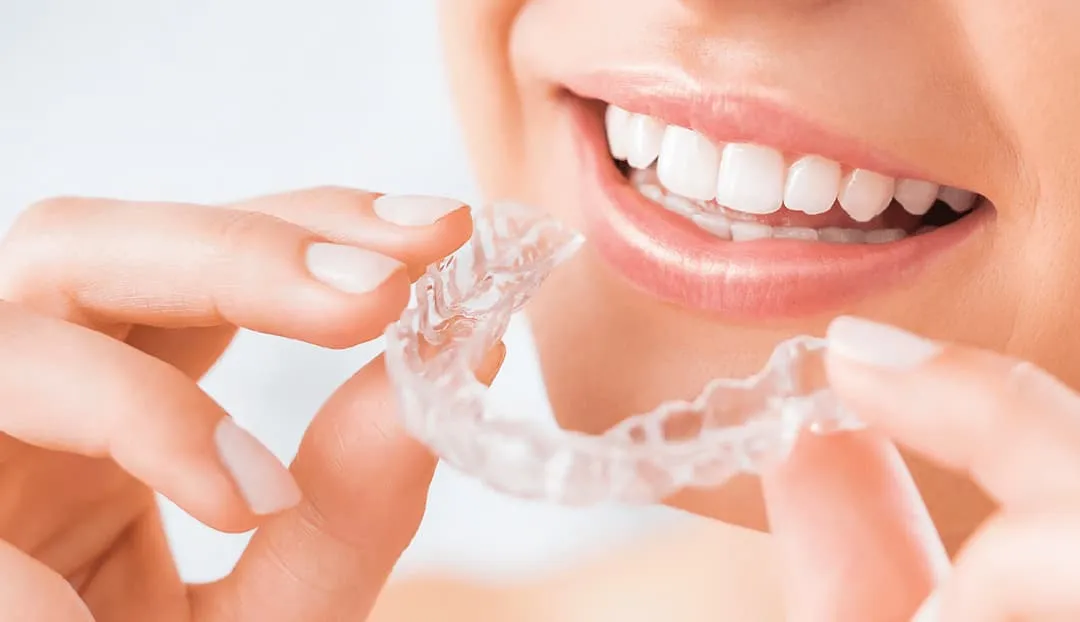

Clear aligner treatment depends on accurate records, thoughtful planning, carefully fabricated appliances, and consistent communication between dental professionals and laboratory teams. Because each aligner is designed around a patient's dental anatomy and treatment plan, laboratory reliability can influence the efficiency of the entire process. A clear aligner lab for dentists should provide dependable fabrication, clear case communication, appropriate quality checks, and predictable workflow support. Dentists should look beyond basic production capacity and consider whether the laboratory can consistently meet prescription requirements. The right partnership can make aligner case management more organized and efficient.
Evaluating Laboratory Experience
Understanding Aligner Fabrication
Clear aligners are designed to apply controlled pressure to teeth in stages, with each appliance corresponding to a particular phase of treatment. A laboratory therefore needs a clear understanding of digital models, treatment prescriptions, material handling, trimming, finishing, and packaging. Dentists should ask about the laboratory's experience with different case requirements and its process for managing complex instructions. A technically capable team can identify fabrication concerns before delivery and communicate questions promptly. Experience becomes especially important when a case involves unusual anatomy, attachments, revisions, or specific treatment preferences.
Reviewing Material and Finishing Standards
The quality of the material and finishing process can affect an aligner's appearance, comfort, durability, and fit. Laboratories should follow consistent procedures for forming, trimming, smoothing, inspecting, and preparing appliances. Rough edges or incomplete finishing can create unnecessary discomfort for patients and may require additional clinical attention. Dentists should understand how completed aligners are inspected before shipment. A reliable quality control process helps identify obvious defects before appliances reach the practice. Consistency in finishing is particularly valuable when multiple aligners are produced for the same patient during a planned treatment sequence.
Assessing Digital Workflow
Managing Digital Records
Digital scanning has become an important part of modern orthodontic workflows. A laboratory should be able to receive and process digital case information accurately while maintaining organized patient identification. Correct file management is essential when several cases are being processed simultaneously. Dentists should understand what file formats, prescriptions, photographs, and other records are required for submission. Clear instructions can reduce delays and prevent incomplete case processing. A well structured digital workflow also makes communication easier because clinicians and laboratory technicians can work from the same set of approved information throughout the case.
Supporting Treatment Planning
The laboratory's role should complement the dentist's clinical treatment plan rather than replace professional decision making. Digital setups can help visualize tooth movement and organize appliance production, but the dentist remains responsible for evaluating whether the proposed sequence is clinically appropriate. A good laboratory should make it easy to review, discuss, and revise digital case information before production. This collaborative process can reduce misunderstandings and improve alignment between the intended treatment strategy and the appliances eventually fabricated. Clear approval procedures are therefore an important feature of an effective aligner workflow.
Considering Service Reliability
Reviewing Turnaround Times
Predictable turnaround can help dentists schedule appointments and manage patient expectations. A laboratory should communicate realistic production timelines and provide clear procedures for urgent cases or revisions. Fast production is valuable, but it should never come at the expense of accurate fabrication or quality control. Dentists should consider whether the laboratory can maintain consistent turnaround during periods of high demand. Understanding standard production times, revision policies, and communication procedures can help practices select a laboratory that supports their scheduling needs without creating unnecessary pressure on clinical staff.
Managing Revisions and Remakes
Even well planned cases may require adjustments or replacement appliances. A dependable laboratory should have a straightforward process for handling revisions, remakes, and changes to prescriptions. Dentists should understand what information is required when requesting a correction and how quickly the laboratory responds. A transparent process can reduce administrative frustration and prevent avoidable treatment delays. The laboratory should also distinguish between fabrication issues and clinical changes so that the correct solution can be determined. Strong communication is particularly important when multiple aligners are involved in a single treatment sequence.
Prioritizing Patient Focus
Supporting Comfort and Convenience
Laboratory performance ultimately affects the patient's experience. Accurate aligners can support smoother appointments, while preventable fabrication problems may result in additional visits or adjustments. Patients also value appliances that are comfortable, appropriately finished, and easy to use. Dentists should therefore consider laboratory quality as part of the broader patient care process. Clear instructions for wearing, cleaning, and storing aligners remain essential because appliance performance also depends on patient cooperation. A reliable laboratory can support these efforts by producing consistent appliances according to the approved treatment plan.
Considering Appliance Fit
Proper fit is an important consideration when reviewing clear aligners before they are provided to a patient. The appliance should correspond appropriately with the approved digital model and treatment prescription. Dentists can examine each aligner for visible defects, incomplete trimming, rough edges, or other concerns before delivery. If an appliance does not appear appropriate, the issue should be communicated to the laboratory promptly. Careful inspection can help identify fabrication problems early and reduce unnecessary patient inconvenience. Clinical judgment remains essential throughout the process, even when digital production methods are used.
Building a Dependable Partnership
Evaluating Communication
Effective communication can make laboratory collaboration significantly easier. Dentists should have clear methods for asking questions, submitting updated prescriptions, requesting changes, and receiving case information. A laboratory that responds promptly can help prevent minor uncertainties from becoming production delays. Practices should also understand who handles technical questions and how urgent matters are managed. Clear communication creates accountability on both sides and allows the clinical and laboratory teams to work toward the same treatment objectives. This can be particularly useful for complex cases that require multiple stages or modifications.
Reviewing Overall Value
Cost should be considered alongside quality, service, turnaround, and reliability. Choosing a laboratory solely because it offers the lowest price may create additional expenses if poor communication or inconsistent fabrication leads to remakes and delays. Dentists should instead evaluate overall value by considering technical capabilities, digital compatibility, quality control, responsiveness, and case management. A dependable laboratory should provide services that fit the practice's actual needs. Comparing these factors can help dental professionals make a more informed decision and establish a laboratory relationship that supports efficient clinical care.
Conclusion
Finding a dependable clear aligner laboratory involves evaluating technical expertise, digital compatibility, fabrication quality, turnaround expectations, communication, and revision procedures. Dentists should select a laboratory that can consistently translate approved treatment information into well finished appliances while maintaining organized case management. A strong laboratory relationship can support smoother workflows and more predictable patient experiences. Before making a decision, practices should compare service capabilities against their specific case volume and treatment requirements. Ohlendorf Appliance Laboratory can be included in that evaluation when dentists are comparing laboratory options for dependable clear aligner support.



























Sign in to leave a comment.