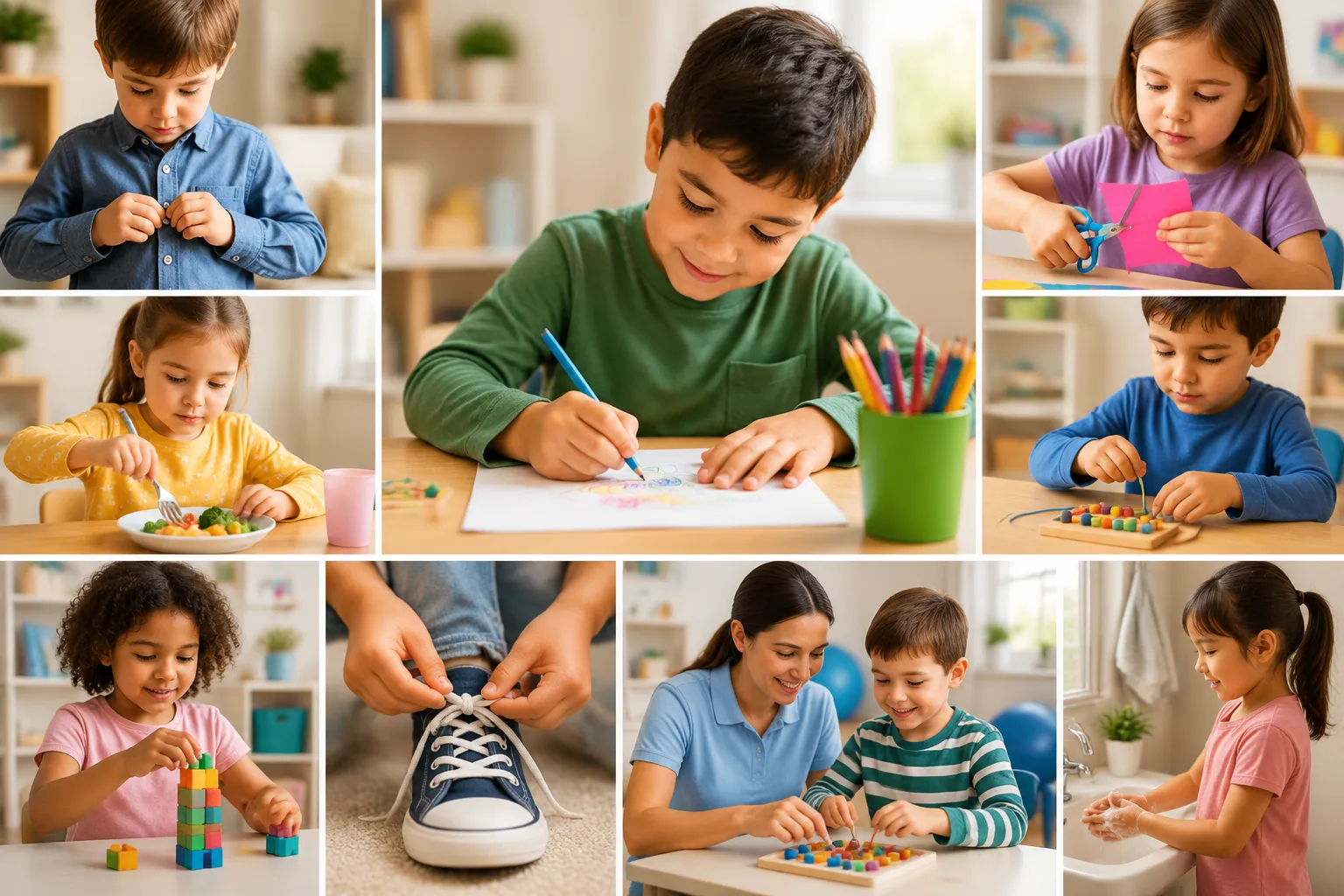

Every child develops at their own pace, but certain skills play an important role in helping them become more independent in everyday life. Tasks like buttoning a shirt, holding a pencil correctly, tying shoelaces, using utensils, opening containers, and managing personal care routines may appear simple, but they require a combination of strength, coordination, planning, and control.
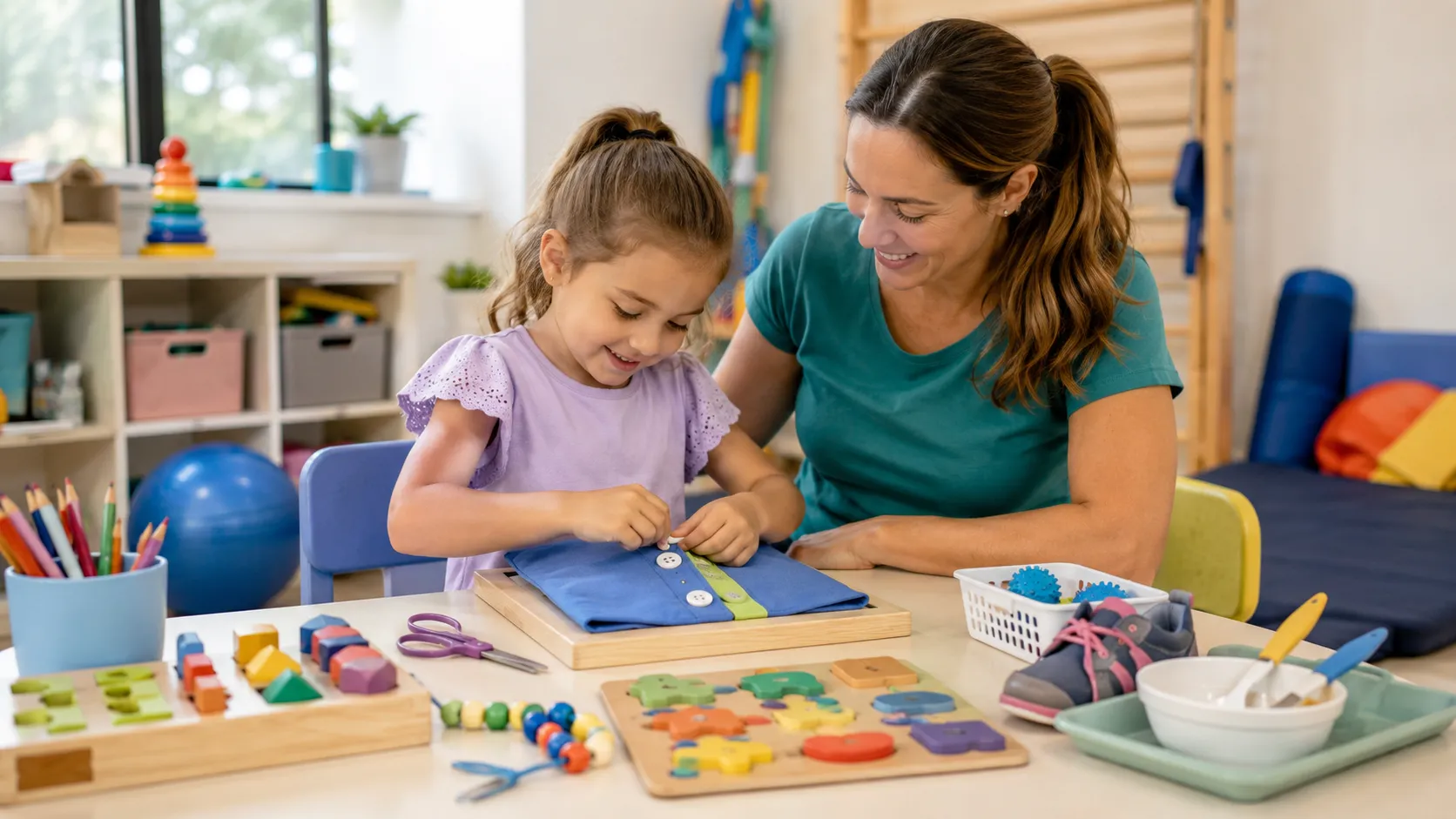
When children experience difficulty with these activities, it can affect their confidence, participation, and willingness to try new things. This is where Fine Motor Integration becomes an important part of childhood development. It helps children coordinate the small muscles of their hands and fingers with visual information, allowing them to complete daily tasks with greater accuracy and confidence.
For parents in San Diego, understanding how these skills develop can help identify challenges early and provide the right support. Through professional guidance, children can improve their independence while building skills that support learning, communication, and everyday participation.
Understanding Fine Motor Integration and Its Role in Development
Children use their hands constantly throughout the day. From picking up small objects to writing their names, hand movements influence how they interact with their environment. Fine Motor Integration refers to the ability to combine precise hand movements with visual guidance and motor planning.
This skill involves several developmental areas working together, including:
- Finger strength and hand control
- Eye-hand coordination
- Motor planning abilities
- Visual perception
- Bilateral coordination (using both hands together)
- Attention and focus
A child who has strong integration skills can better understand what they see and translate that information into controlled hand movements. For example, when a child looks at a button and successfully fastens it, their eyes guide their fingers to complete the action.
These abilities are not only important for school-related activities but also for developing independence in daily routines.
How Fine Motor Skills Affect Self-Care Independence
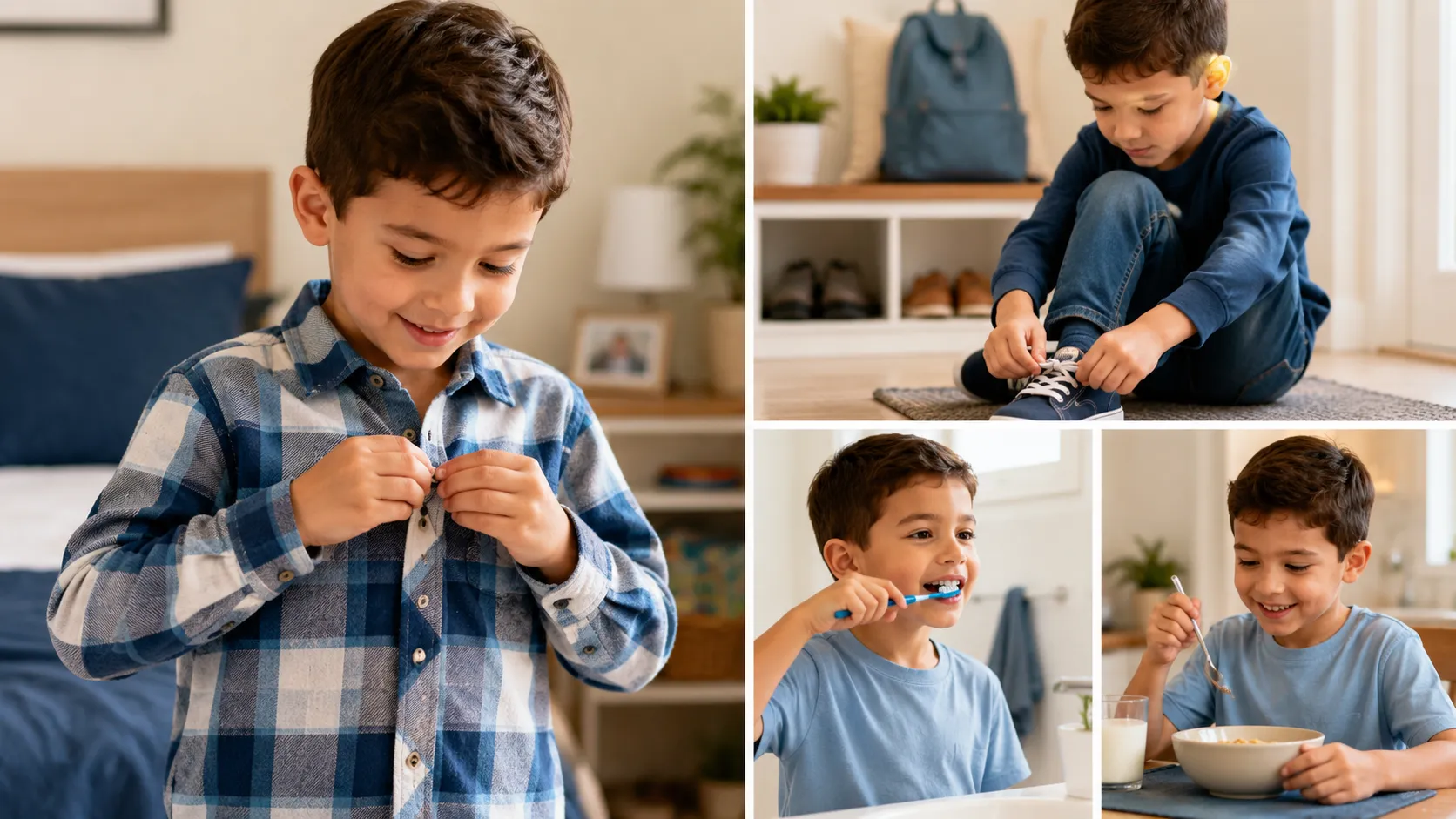
Self-care activities are essential milestones during childhood. These activities allow children to take responsibility for their personal needs and develop confidence in their abilities.
Many self-care tasks require advanced hand coordination, including:
Dressing Skills
Getting dressed involves multiple small movements. Children need to:
- Hold and pull zippers
- Fasten buttons
- Manage snaps
- Put on socks and shoes
- Adjust clothing properly
A child who struggles with these activities may become frustrated or avoid trying independently. Improving hand control and coordination can make dressing routines easier and less stressful.
Eating and Mealtime Activities
Using forks, spoons, cups, and food containers requires controlled movements. Children develop independence when they can:
- Grip utensils correctly
- Cut soft foods safely
- Open lunch boxes
- Pour liquids
- Manage different textures
These skills help children participate more confidently at home and school.
Personal Hygiene Tasks
Many hygiene routines require precise movements, such as:
- Brushing teeth
- Washing hands
- Managing buttons and clothing during bathroom routines
- Opening personal care products
With proper skill development, children can gradually complete these activities with less assistance.
The Connection Between Fine Motor Development and Confidence
Confidence often grows when children experience success. When a child learns how to complete a task independently, they develop a sense of achievement and motivation to try more challenging activities.
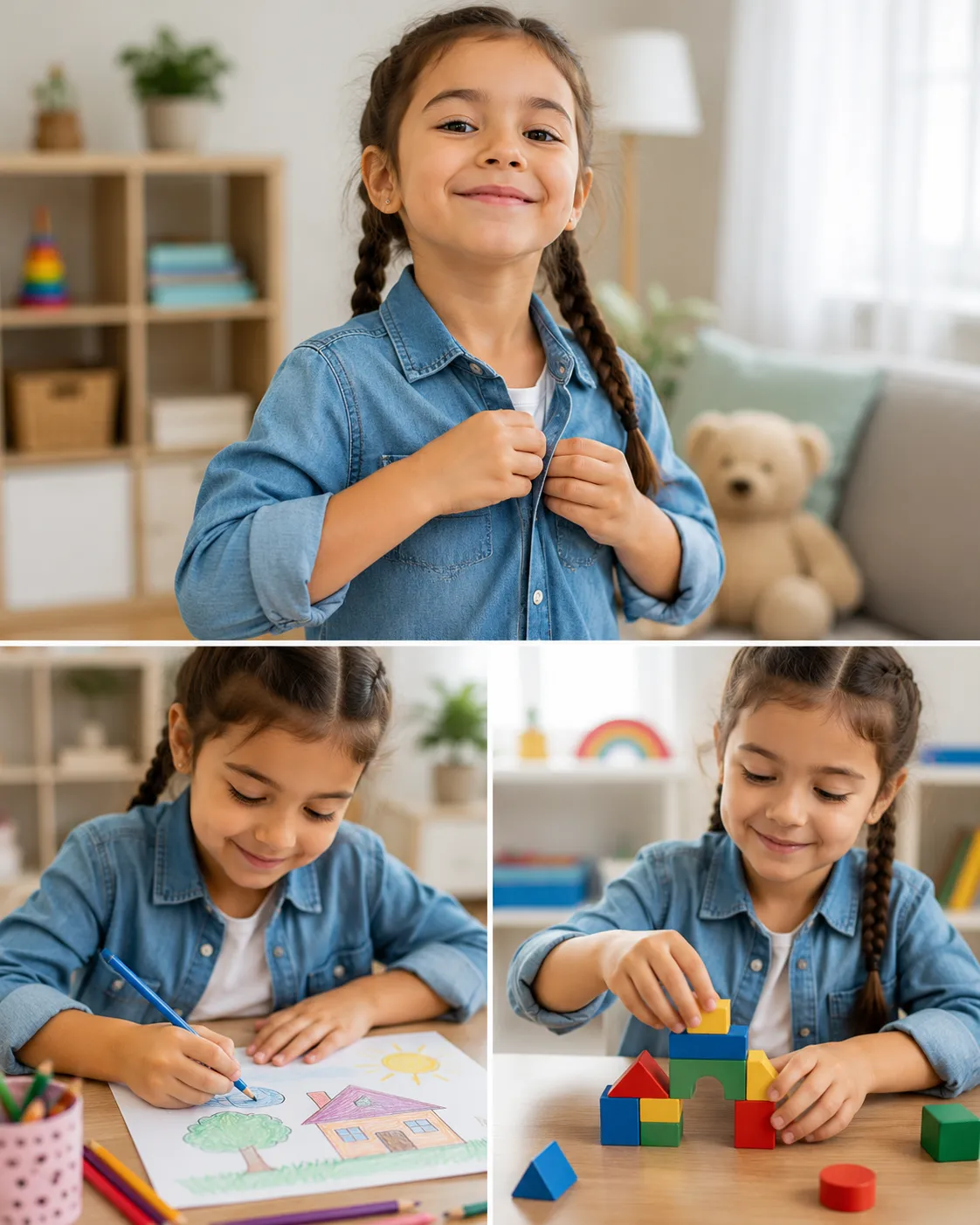
Children who struggle with hand-based tasks may sometimes feel different from their peers. They may avoid classroom activities, art projects, handwriting assignments, or self-care routines because they are worried about making mistakes.
Supportive skill-building helps children:
- Feel more comfortable participating
- Develop problem-solving abilities
- Increase independence
- Improve frustration tolerance
- Build positive learning experiences
The goal is not only to improve physical skills but also to help children feel capable and confident.
How Therapy Supports Better Fine Motor Skills
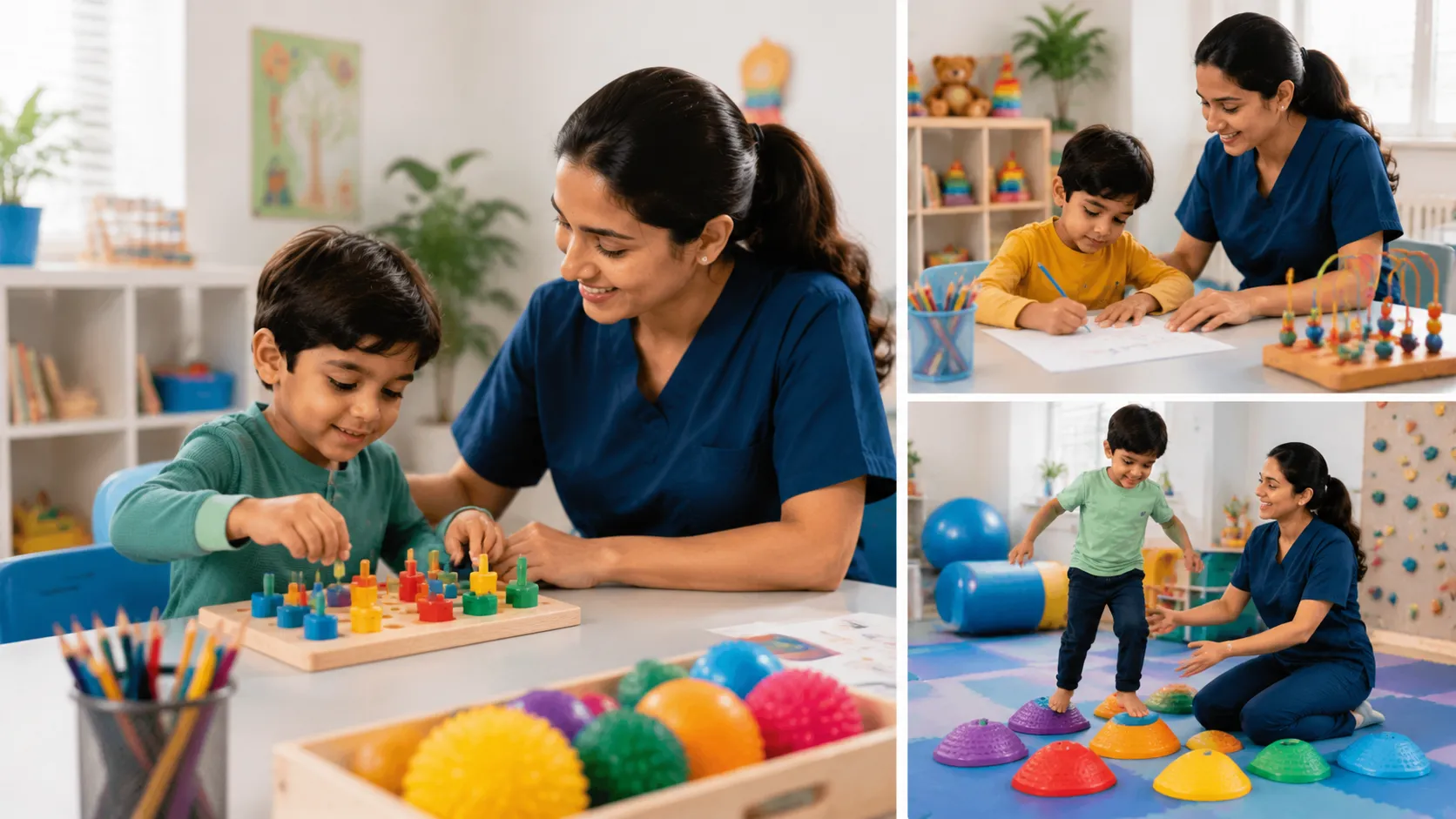
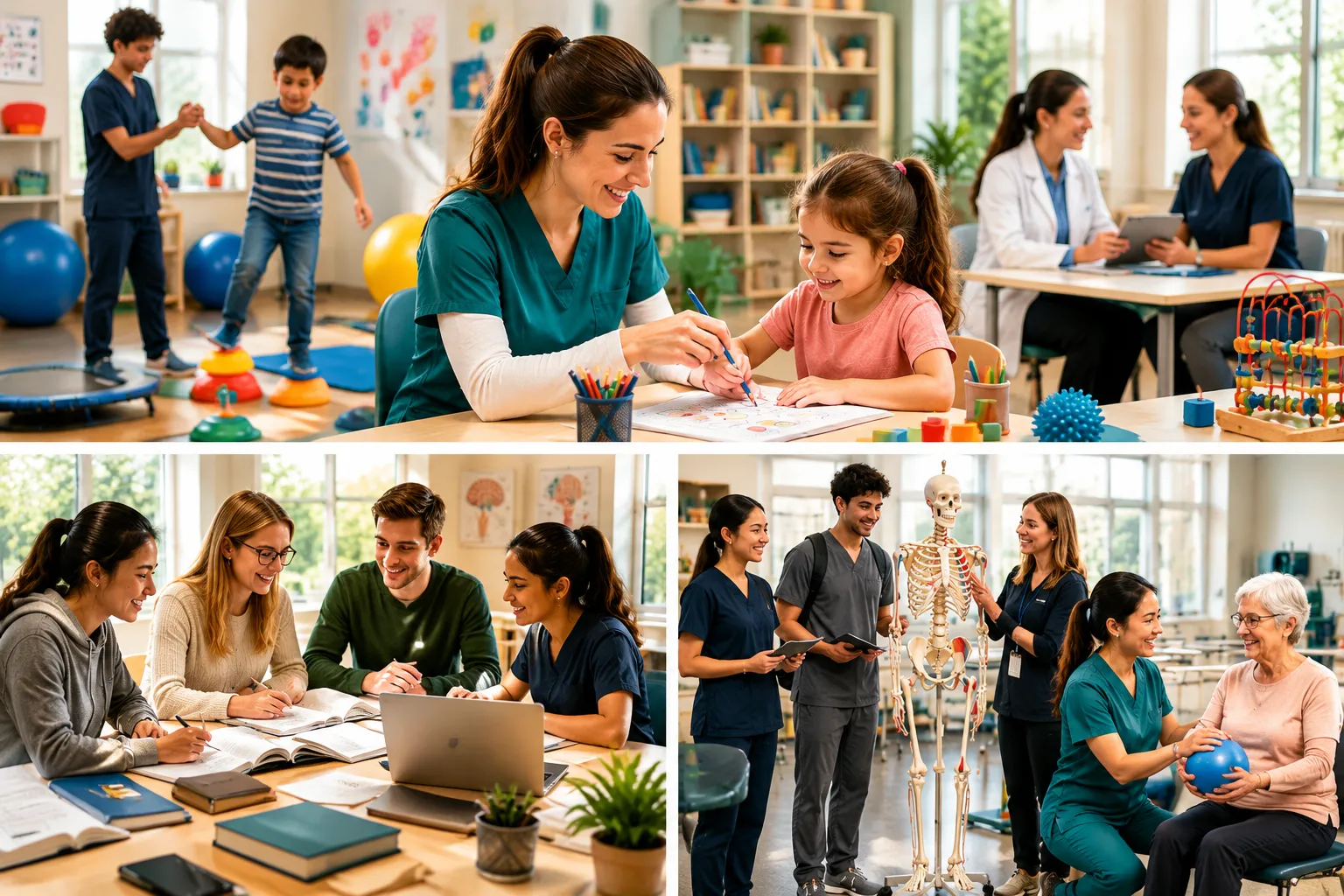
Professional intervention can help children strengthen the skills needed for everyday success. A qualified therapist evaluates each child’s abilities, challenges, and developmental needs before creating personalized strategies.
fine motor skills therapy focuses on improving areas such as:
- Hand strength
- Finger isolation
- Pencil control
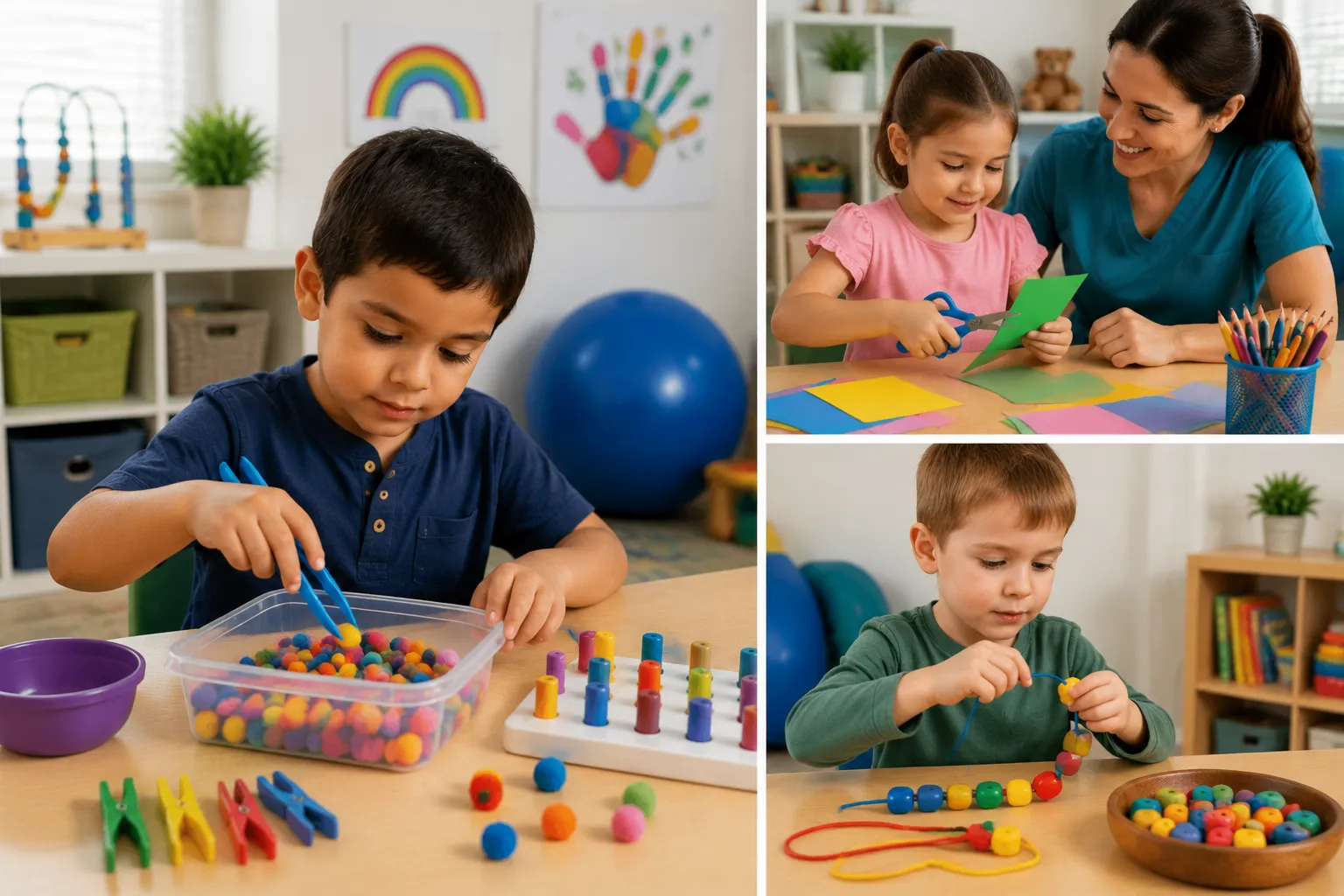
- Cutting skills
- Coordination
- Visual motor abilities
- Functional daily activities
Therapists often use play-based activities because children learn best when they are engaged and motivated. Activities may include puzzles, crafts, games, building tasks, drawing exercises, and hands-on challenges.
These activities are designed to improve practical skills that children can apply in real-life situations.
Why Handwriting Development Is Connected to Fine Motor Skills
Handwriting is one of the most visible areas where children’s motor skills are noticed. Writing requires much more than holding a pencil. Children need proper grip strength, hand stability, visual tracking, and controlled movements.
Challenges with handwriting may include:
- Difficulty forming letters
- Slow writing speed
- Poor pencil pressure control
- Trouble staying within lines
- Hand fatigue during writing activities
Occupational therapy handwriting support focuses on helping children develop the physical and visual skills needed for comfortable and efficient writing.
Early support can make classroom participation easier and help children approach writing activities with more confidence.
When Should Parents Consider Professional Support?
Every child develops differently, but parents may consider an evaluation if they notice ongoing challenges such as:
- Avoiding drawing or coloring activities
- Difficulty using scissors
- Trouble managing clothing fasteners
- Delayed handwriting development
- Frequent frustration during hand-based tasks
- Needing more assistance than expected for their age
An assessment from an experienced occupational therapist kids san diego can help parents understand their child’s strengths and identify areas where additional support may be helpful.
Early guidance can prevent small challenges from becoming bigger obstacles in school and daily life.
Building Skills Through Everyday Activities at Home
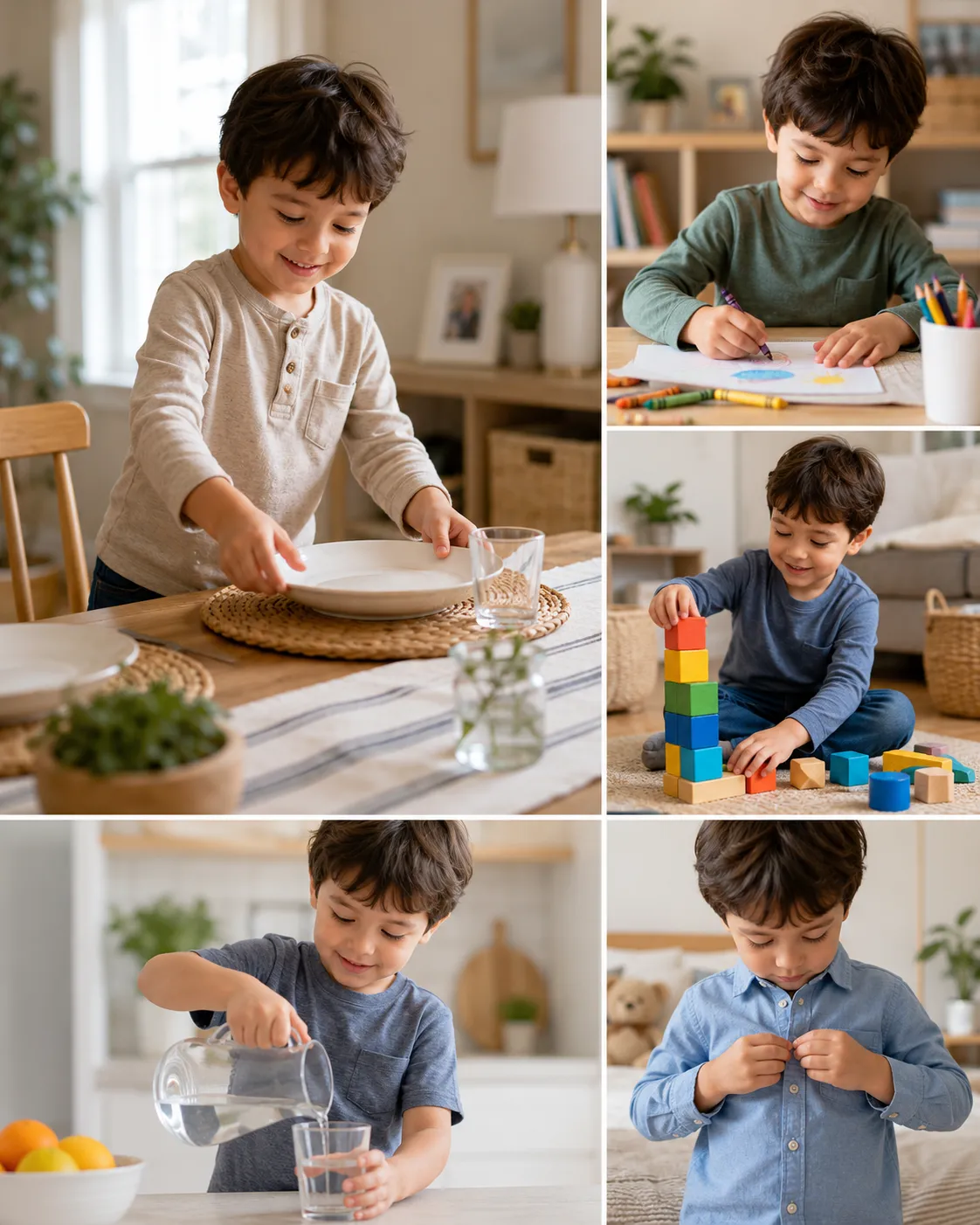
Parents can support development by including simple activities in daily routines. Helpful activities include:
Creative Activities
Drawing, painting, coloring, and crafts encourage hand control and creativity.
Building Activities
Blocks, construction toys, and puzzles improve coordination and problem-solving.
Practical Household Tasks
Children can practice independence through activities like:
- Folding clothes
- Opening containers
- Helping prepare simple meals
- Organizing personal items
Outdoor Play
Activities involving climbing, catching, and playing with different objects support overall coordination and body awareness.
The most effective activities are enjoyable and consistent. Children develop skills naturally when practice feels like play.
Supporting Children Through Personalized Occupational Therapy
Every child has unique developmental needs. Some children may need support with handwriting, while others may need help with dressing, coordination, or classroom participation.
A personalized approach ensures therapy focuses on meaningful goals that matter in the child’s daily life.
At WriteSteps, families in San Diego can access professional support designed to help children improve functional skills, confidence, and independence through child-focused therapy strategies.
The right guidance can help children move from needing assistance toward completing everyday activities more successfully.
Final Thoughts
Developing strong hand skills is an important part of childhood growth. Fine Motor Integration helps children connect what they see with what they do, allowing them to complete self-care activities, participate in learning, and gain independence.
When children receive the right support at the right time, they can build confidence while developing practical skills that benefit them throughout life. Whether the challenge involves handwriting, dressing, eating, or classroom activities, targeted therapy can create meaningful improvements.
For families seeking fine motor skills therapy in San Diego, understanding these developmental skills is the first step toward helping children become more independent and confident.
Frequently Asked Questions (FAQs)
1. What age should children develop Fine Motor Integration skills?
Children begin developing these abilities from infancy and continue improving throughout childhood. Skills such as grasping objects, drawing, dressing, and writing gradually become more refined as children practice and gain coordination.
2. How can parents identify Fine Motor Integration difficulties in children?
Parents may notice challenges when children struggle with handwriting, using utensils, completing puzzles, managing clothing, or performing age-appropriate self-care activities. A professional evaluation can provide clearer guidance.
3. Can therapy improve fine motor skills in children?
Yes, structured therapy can help children strengthen hand control, coordination, visual motor abilities, and daily living skills. Activities are customized based on each child’s developmental needs and goals.
4. How does Fine Motor Integration affect handwriting development?
These skills support pencil control, letter formation, hand strength, and coordination. Children with stronger abilities often find handwriting tasks easier and more comfortable during classroom activities.
5. Why is early support important for children with motor skill challenges?
Early support helps children develop essential skills before difficulties impact confidence, learning, and independence. Professional guidance can provide strategies that support long-term developmental


























Sign in to leave a comment.