
Fires can cause devastating losses to property and belongings. In such unfortunate events, having fire damage insurance can provide a sense of relief, knowing that financial assistance is available to help rebuild and recover. However, navigating the process of filing a fire damage insurance claim can be complex and overwhelming. Understanding the ins and outs of fire damage insurance claims is crucial for ensuring a smooth and successful claims process.
Understanding Fire Damage Insurance
A fire damage insurance claim typically covers a wide range of damages caused by fire, including structural damage to buildings, damage to personal belongings, and additional living expenses incurred due to displacement. However, it\'s essential to review your insurance policy carefully to understand the specific coverage limits and exclusions.
While fire damage insurance provides financial protection against fire-related losses, certain types of damage may not be covered. For instance, damages caused by arson or intentional acts may be excluded from coverage. Additionally, some policies may have limitations on coverage for certain types of property, such as jewelry or artwork.
Steps to Take After Fire Damage
In the aftermath of a fire, taking prompt action is crucial for ensuring safety and maximizing insurance coverage. The first step is to ensure everyone\'s safety and evacuate the premises if necessary. Once the immediate danger has passed, contacting your insurance company should be a top priority. Promptly reporting the fire damage to your insurer can expedite the claims process and prevent any further damage.
When filing a fire damage insurance claim, it\'s essential to gather documentation to support your claim. This may include photographs or videos of the damage, inventory lists of damaged belongings, and any relevant receipts or invoices. Providing detailed documentation can help substantiate your claim and expedite the claims process.
Filing a Fire Damage Insurance Claim
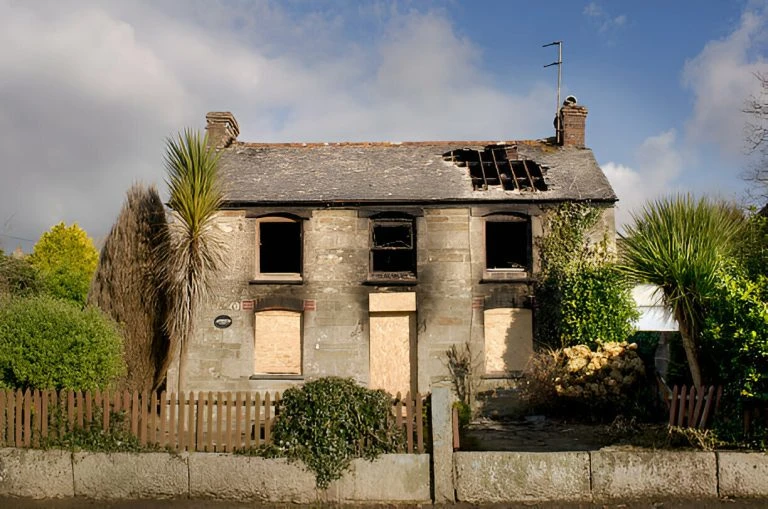
Filing a fire damage insurance claim involves completing claim forms provided by your insurance company. These forms typically require detailed information about the cause of the fire, the extent of the damage, and an inventory of damaged property. It\'s essential to fill out these forms accurately and truthfully to avoid any delays or complications in processing your claim.
After submitting your claim, an insurance adjuster will be assigned to assess the damages and determine the extent of coverage. The adjuster will conduct an inspection of the property to evaluate the damage and gather evidence to support your claim. Cooperating fully with the adjuster and providing access to the damaged property can facilitate the claims process.
Assessment and Inspection
During the inspection process, the insurance adjuster will assess the extent of the fire damage and document any visible damage to the property and belongings. They may also interview witnesses and gather additional information to support the claim. It\'s essential to accompany the adjuster during the inspection and provide any necessary assistance to ensure a thorough assessment of the damages.
Once the assessment is complete, the adjuster will prepare a report detailing their findings and recommendations for the settlement of the claim. This report will serve as the basis for determining the amount of compensation you are entitled to under your insurance policy.
Negotiating the Claim
After receiving the adjuster\'s report, the next step is negotiating the settlement of the claim. Insurance companies may offer an initial settlement amount based on the adjuster\'s assessment, but it\'s essential to carefully review the offer and ensure that it adequately covers all fire-related damages.
Negotiating a fair settlement may involve providing additional evidence or documentation to support your claim, such as repair estimates or appraisals. It\'s also essential to understand the terms of your insurance policy and any applicable deductibles or coverage limits. Seeking guidance from a public adjuster or legal counsel can help ensure that you receive fair compensation for your losses.
Common Challenges in Fire Damage Claims
Fire damage claims can sometimes be fraught with challenges, including disputes over coverage, delays in processing claims, and disagreements over the value of damages. Insurance companies may also attempt to minimize payouts or deny coverage based on technicalities or policy exclusions.
In such situations, it\'s crucial to stay informed about your rights as a policyholder and advocate for yourself throughout the claims process. Keeping detailed records of all communications with your insurance company, including emails, letters, and phone calls, can help protect your interests in the event of a dispute.
Seeking Legal Assistance
If you encounter difficulties in resolving your fire damage insurance claim, seeking legal assistance may be necessary. An experienced insurance attorney can provide valuable guidance and representation, ensuring that your rights are protected and helping you navigate any legal complexities associated with your claim.
Legal representation can be particularly beneficial in cases involving disputed claims, denied coverage, or bad faith practices by insurance companies. An attorney can negotiate on your behalf, advocate for a fair settlement, and, if necessary, pursue legal action to enforce your rights under the insurance policy.
Conclusion
Navigating the process of filing a fire damage insurance claim can be challenging, but understanding the steps involved and being prepared can help streamline the process and maximize your chances of a successful outcome. By taking prompt action, documenting the damages, and advocating for your rights, you can ensure that you receive fair compensation for your losses and begin the process of rebuilding and recovery.
FAQs
What does fire damage insurance cover?
Fire damage insurance typically covers structural damage to buildings, damage to personal belongings, and additional living expenses incurred due to displacement.
Are there any exclusions in fire damage insurance?
Exclusions in fire damage insurance may include damages caused by arson or intentional acts, as well as limitations on coverage for certain types of property.
What should I do immediately after a fire?
After a fire, it\'s essential to ensure everyone\'s safety, evacuate if necessary, and promptly contact your insurance company to report the damage.
How can I expedite the claims process?
Gathering detailed documentation, such as photographs of the damage and inventory lists of damaged belongings, can help expedite the claims process.
When should I seek legal assistance with my fire damage insurance claim?
If you encounter difficulties in resolving your claim or face disputes over coverage, seeking legal assistance from an experienced insurance attorney may be necessary.


























Sign in to leave a comment.