
Introduction: Rethinking Fire Safety in the Modern Workplace
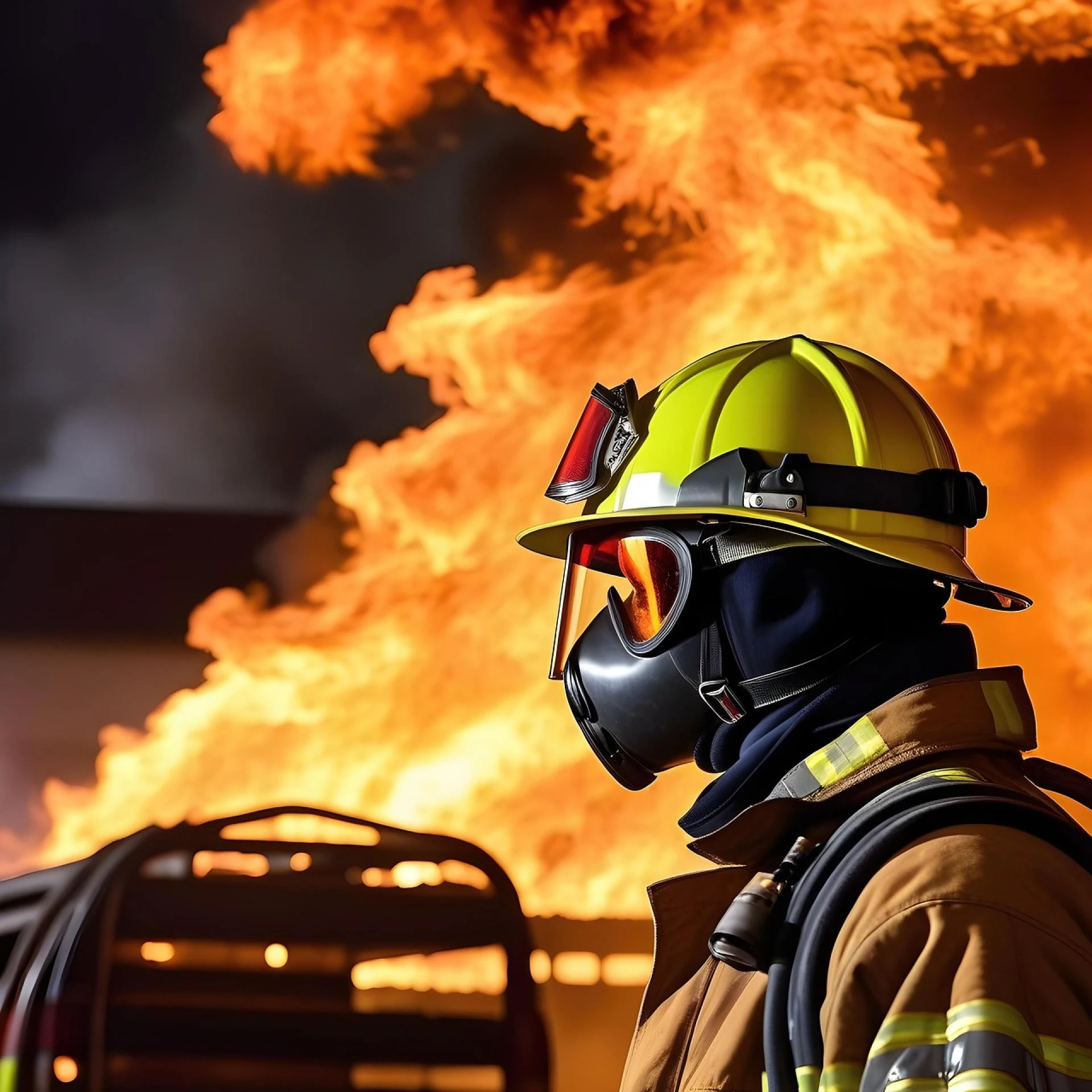
Fire emergencies remain one of the most common and dangerous risks across industries. Whether in manufacturing plants, office buildings, warehouses, or healthcare facilities, the ability to respond quickly and correctly during a fire can save lives and protect property. However, traditional fire safety training often falls short. Slide decks, printed manuals, and occasional drills cannot replicate the urgency and complexity of real emergencies. That is where a VR training company can offer a transformative solution, bringing realism, consistency, and adaptability to fire safety preparedness.
Understanding the Gaps in Traditional Fire Safety Training
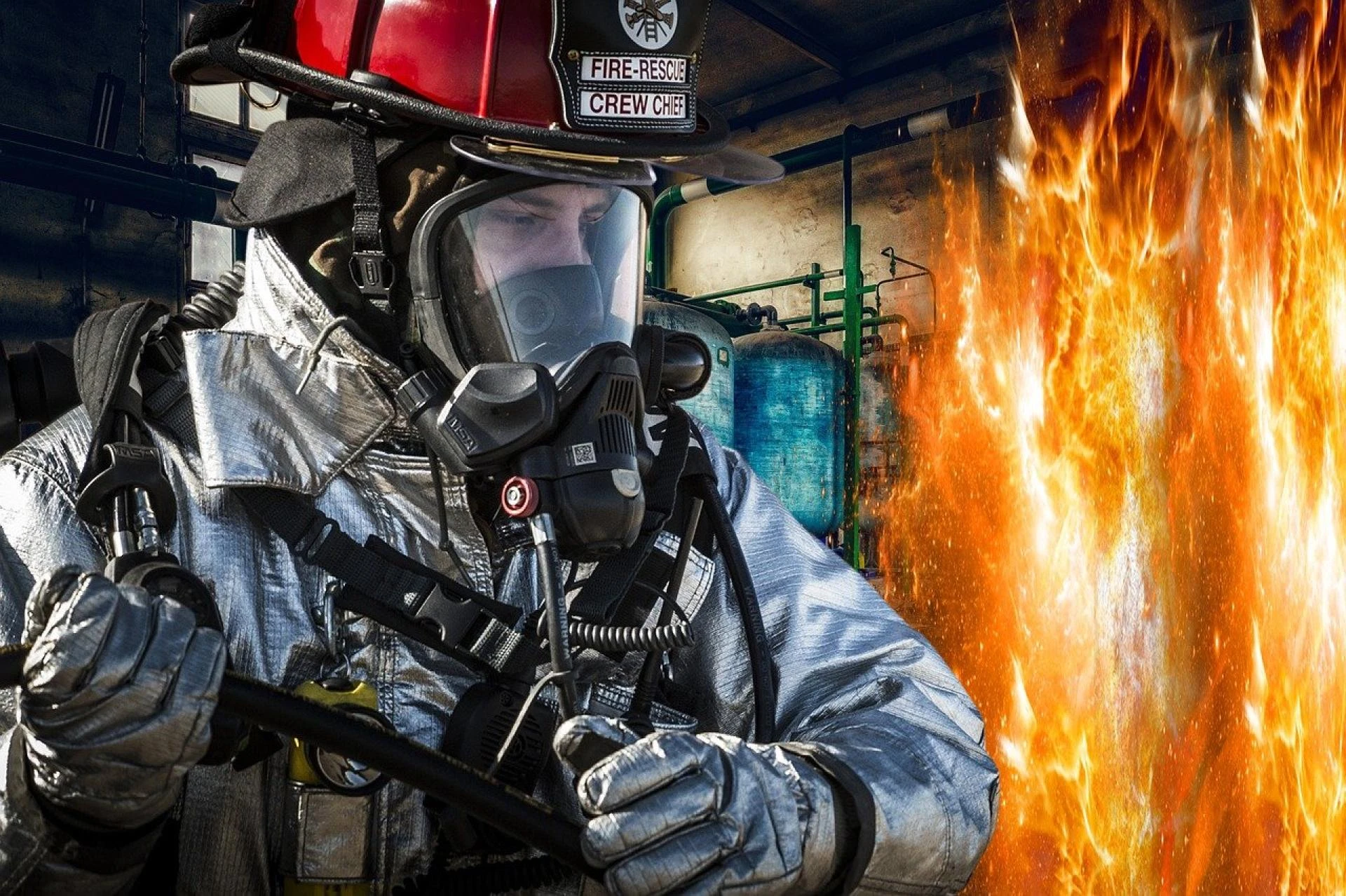
Most fire safety training programs rely heavily on passive learning. Employees are taught fire prevention techniques, evacuation procedures, and extinguisher use through lectures or videos. While this provides a theoretical foundation, it lacks hands-on practice and emotional engagement. As a result, people often freeze or forget their training in the heat of a real emergency.
Moreover, live fire drills, while helpful, are limited in frequency and scope. They can be disruptive to operations and may not accurately simulate high-stress situations. They also fail to account for varied building layouts, different types of fire scenarios, or unexpected obstacles that often occur in real emergencies.
How VR Elevates Fire Safety Training
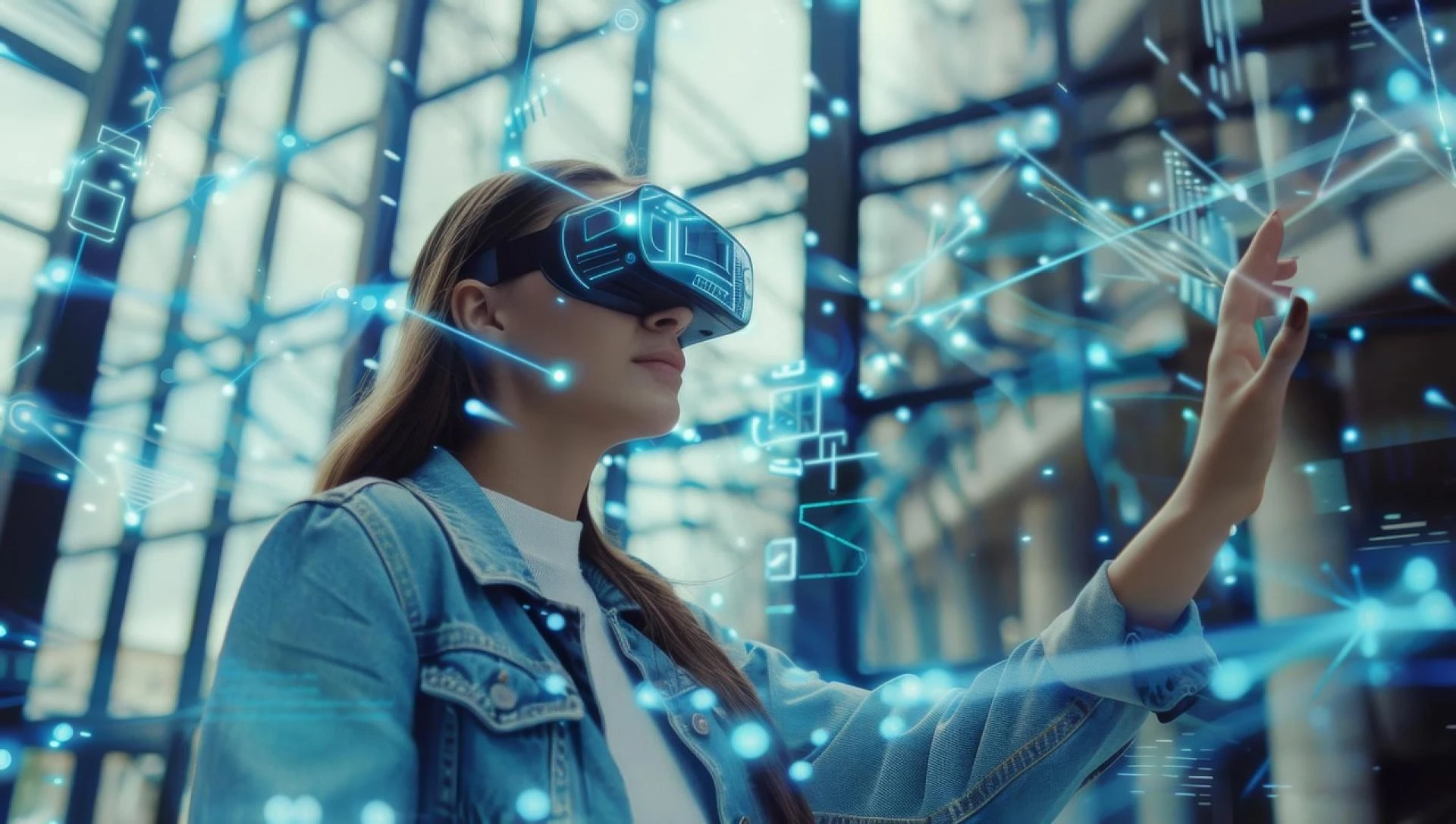
Virtual reality introduces a new level of immersion and interactivity into fire safety education. Trainees are placed inside a realistic 3D environment that mimics their actual workplace. From the sounds of alarms to the visual effects of smoke and fire spread, the experience feels authentic. They can practice identifying hazards, navigating evacuation routes, using fire extinguishers, and making decisions under pressure.
The advantage is not just the realism, but also the ability to repeat scenarios multiple times until the trainee gains full confidence. This repetition helps build muscle memory and improves response time during actual emergencies. VR also eliminates the physical risks involved in traditional fire training exercises.
Custom Scenarios for Different Industries
Every workplace has unique fire safety challenges. A hospital requires a different evacuation strategy than a chemical plant. An office tower may have different fire suppression systems compared to a factory. A VR training company can develop customized training modules tailored to the specific needs of each industry.
These modules can include industry-specific hazards, building layouts, emergency equipment, and role-based responsibilities. For example, facility managers can train on system shutdowns, while employees can focus on safe exits and basic firefighting techniques. This targeted approach ensures that everyone is prepared for the specific risks they may encounter.
Measurable Performance and Real-Time Feedback
One of the most powerful benefits of VR training is the ability to track performance. The system can record how quickly a person identifies a hazard, how accurately they follow protocol, and where they struggle. This data allows safety managers to identify gaps in knowledge and provide additional support where needed.
Trainees also receive instant feedback, which reinforces learning. They understand what went wrong and how to correct it in future simulations. Over time, this creates a more capable and confident workforce that is genuinely prepared for emergencies.
Cost Effectiveness and Scalability
At first glance, VR might seem like an expensive investment. However, when considering the long-term benefits, the value becomes clear. Traditional fire drills and live demonstrations involve recurring costs and operational downtime. VR eliminates the need for physical setups, props, or repeated logistical planning.
Additionally, VR training can be rolled out across multiple locations quickly, ensuring standardized training for all employees regardless of site or shift. This scalability makes it a smart choice for large organizations or those with high turnover.
Improving Safety Culture and Employee Engagement
People remember what they experience. VR training is engaging, interactive, and memorable. Employees take the training more seriously because it feels real and relevant. This boosts participation and retention, which are key components of a strong safety culture.
When workers feel that their safety is being taken seriously and that they are being equipped with practical skills, it increases morale and builds trust. It also fosters a proactive mindset, where employees are more likely to report hazards or suggest safety improvements.
Conclusion: Smarter Fire Safety Starts with Smarter Training
Fire emergencies demand a fast and focused response. There is little room for hesitation or error. By working with a VR training company, organizations can provide realistic, repeatable, and role-specific fire safety training that goes far beyond what traditional methods offer. It is not just about compliance, but about building a culture of preparedness and resilience. In today’s evolving workplaces, smarter fire safety truly begins with smarter training.
To explore more about our work and real-time updates, check out AutoVRse on Twitter, Instagram, and LinkedIn.

























Sign in to leave a comment.