
Introduction: Building a Smarter Training Ecosystem
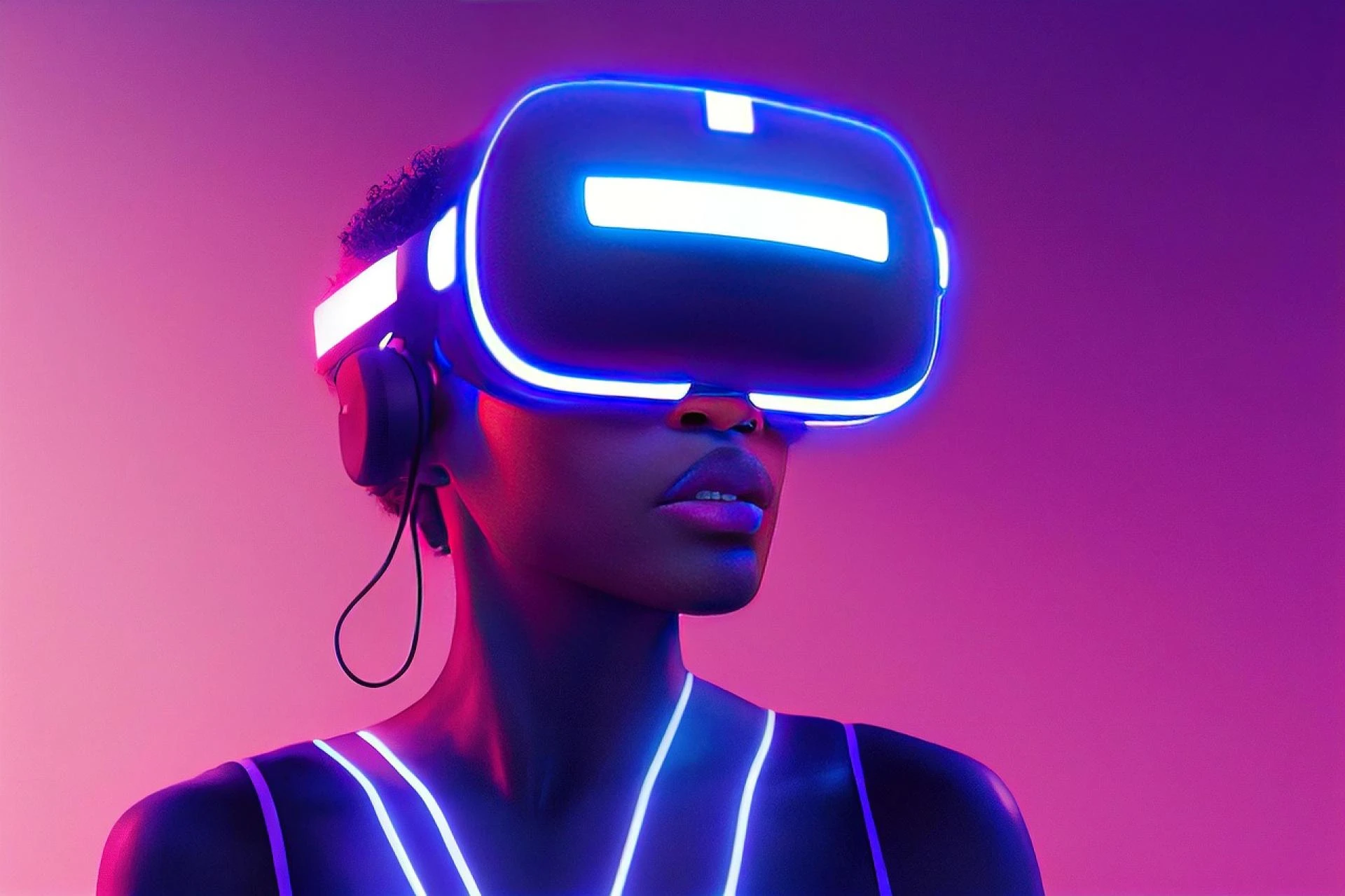
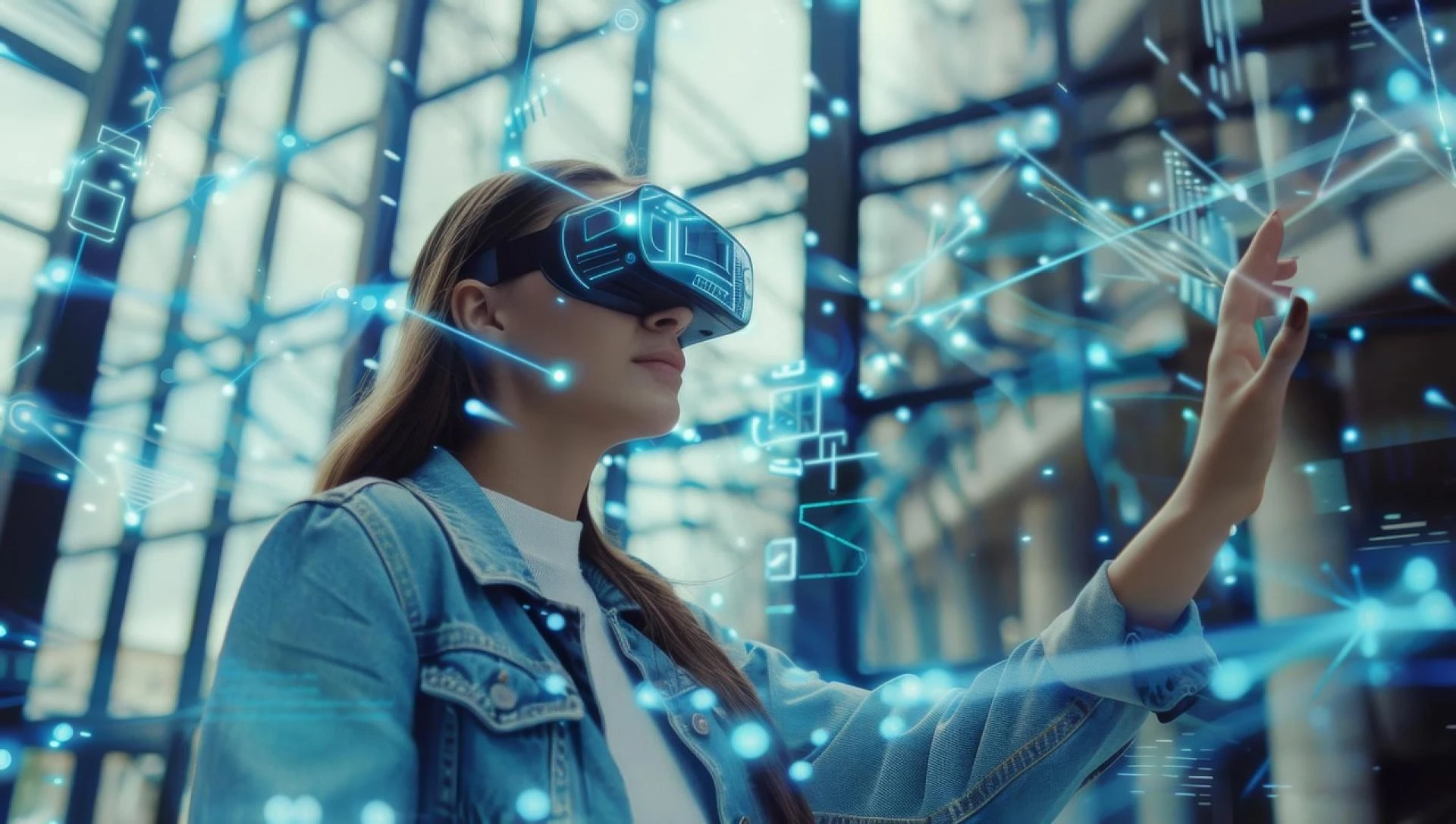
Virtual reality is rapidly transforming how enterprises approach training, safety, and employee development. But as the technology matures, forward-thinking companies are not stopping at VR alone. One of the most powerful additions to the immersive learning stack is the use of digital twins.
A digital twin is a virtual replica of a physical environment, process, or asset that behaves and responds like the real thing. When integrated into simulations, it allows for greater precision, real-time feedback, and more relevant learning scenarios. Any leading VR training company today is already leveraging digital twins to deliver smarter, safer, and more effective training experiences.
What Are Digital Twins and Why Do They Matter?
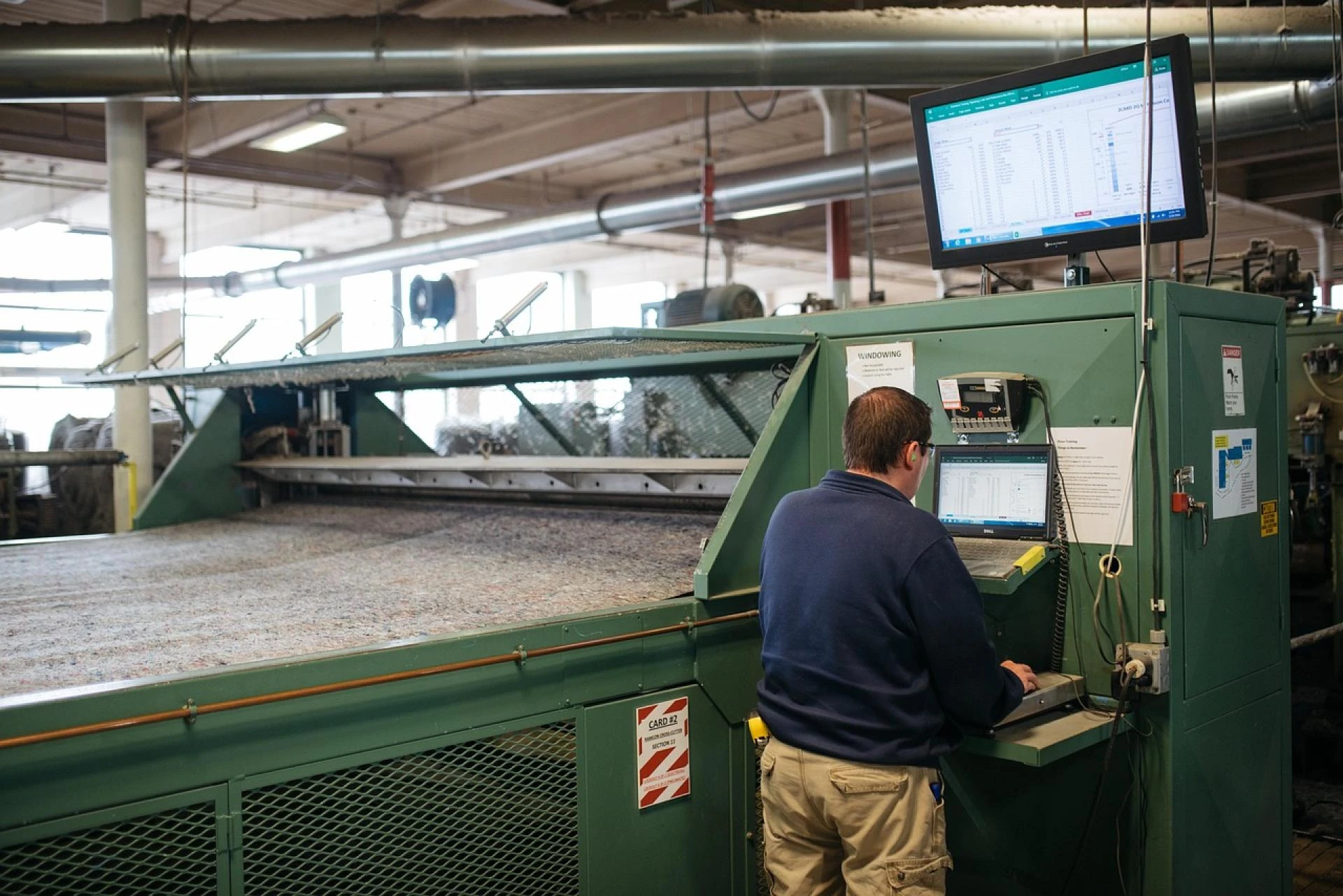
Digital twins are not just 3D models. They are dynamic systems that mirror the behavior, structure, and function of real-world elements. Using real-time data and machine learning, these models can replicate everything from a factory floor to a turbine engine to a pharmaceutical cleanroom.
By creating a virtual environment that functions just like the physical one, learners can practice in conditions that are almost indistinguishable from reality. This leads to better muscle memory, sharper decision-making, and more efficient onboarding.
Realistic Context, Safer Learning
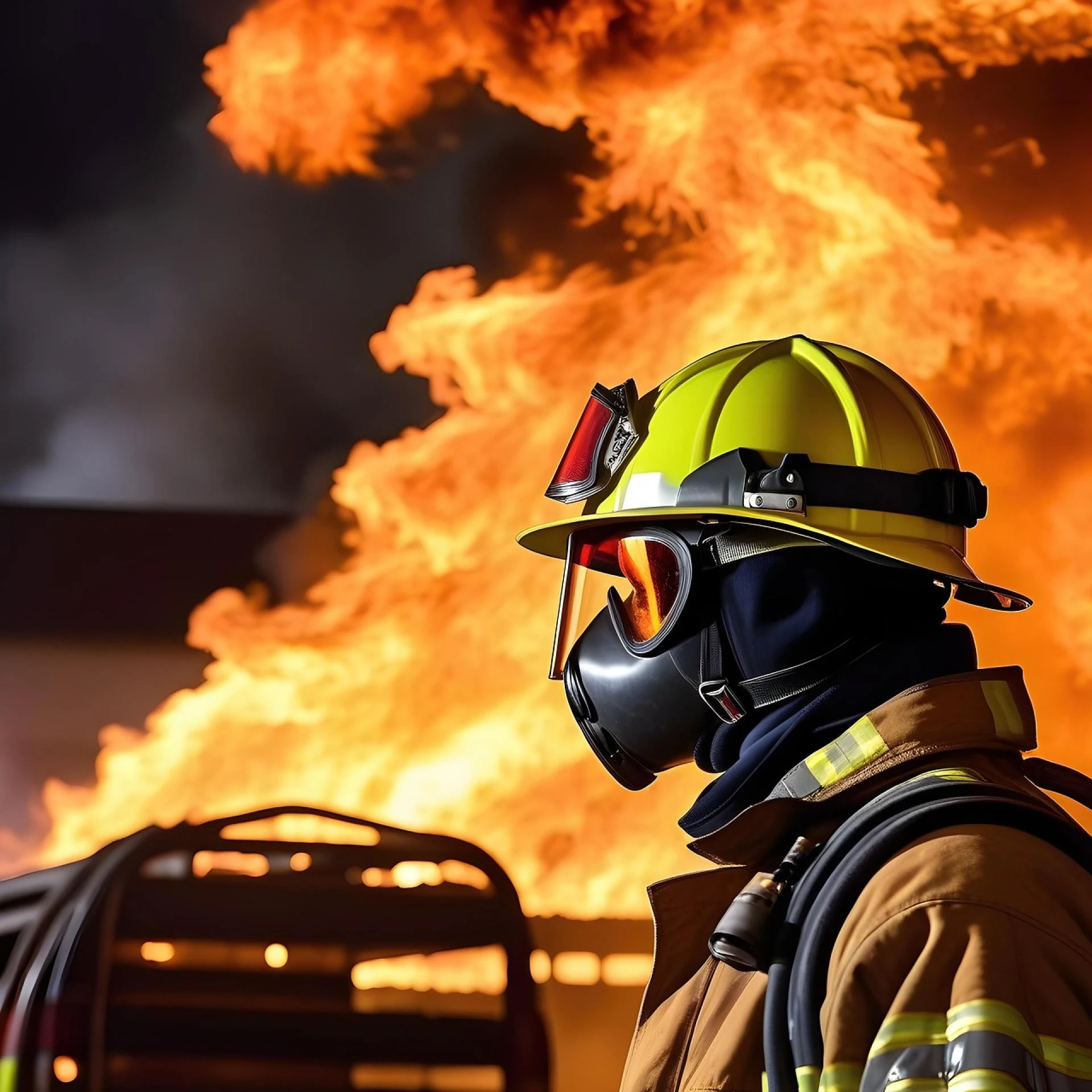
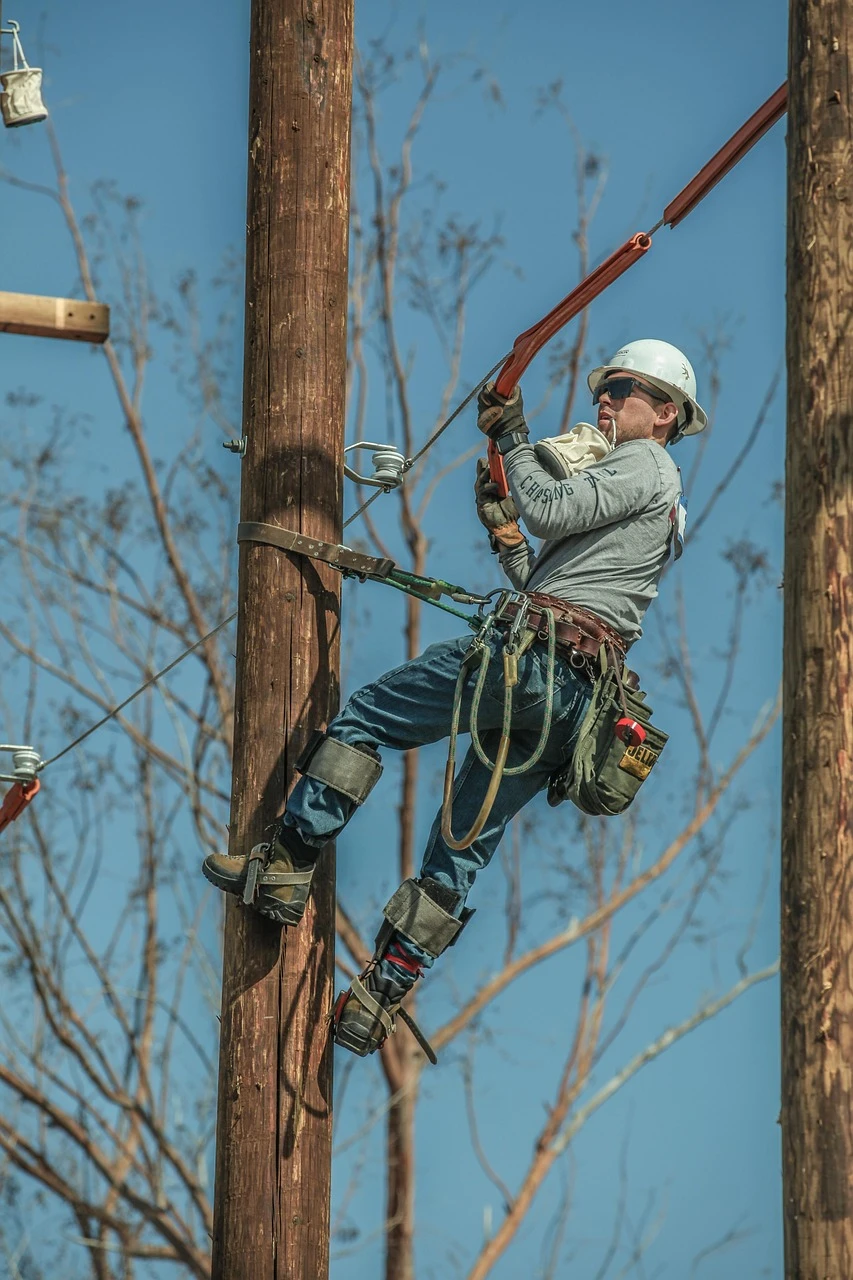
In high-risk industries like construction, manufacturing, or oil and gas, hands-on training often comes with significant safety concerns. Digital twins make it possible to simulate these environments with exact specifications while removing real-world dangers.
Trainees can explore dangerous spaces, interact with complex equipment, and even run through emergency protocols — all within the safety of VR. This not only increases safety but also builds confidence before employees ever step foot on the job site.
Improving Process Understanding and Troubleshooting
Complex processes can be difficult to explain using traditional training methods. By pairing digital twins with VR, instructors can show employees how a process flows, what variables affect it, and where problems typically occur.
For example, in a power plant simulation, a digital twin can visualize how each part of a system works together. If a component malfunctions, the trainee can experiment with different solutions, learning in a risk-free environment.
This approach fosters deeper comprehension and critical thinking, especially for technical roles.
Data-Driven Training Personalization
Digital twins are not just visual aids. When powered by real-time data, they provide an opportunity for adaptive learning. Trainees can interact with a system that responds to their input, reflects actual equipment behavior, and changes based on performance.
This means training modules can adapt to each learner’s pace and choices. The system can even track how different employees respond to various challenges and offer targeted feedback.
Facilitating Collaboration and Remote Training
One overlooked benefit of digital twins is their ability to enable collaborative learning. Teams from different locations can enter the same virtual environment and work together on a task, troubleshoot a problem, or run through a new SOP.
This kind of real-time collaboration mirrors what they will do on the job. It also makes it easier to train global workforces without flying in instructors or staff.
Shortening Time to Productivity
For industries facing high turnover or frequent reskilling needs, time is of the essence. A VR environment built on digital twin technology allows employees to experience the job before they start.
Instead of passively watching videos or reading manuals, learners interact with the very systems they will use. This shortens the learning curve and gets them productive faster.
Ensuring Compliance and Audit Readiness
Digital twins offer detailed tracking of what was learned, how it was practiced, and how employees performed. This audit trail is incredibly valuable for regulated industries such as pharma, energy, or defense.
Training teams can easily demonstrate that employees have completed required modules, practiced relevant procedures, and passed assessments. It also makes compliance reporting simpler and more transparent.
Enhancing the Lifecycle of Training Programs
A digital twin is not static. It can be updated as systems change, equipment is upgraded, or new standards are introduced. This flexibility allows training programs to evolve alongside the business.
Instead of building new modules from scratch, teams can update components of the twin and apply changes across all relevant training experiences. This keeps content fresh and aligned with real-world operations.
Conclusion: The Future is Integrated
In the evolving landscape of immersive learning, digital twins are becoming essential tools for any serious VR training company. They bridge the gap between virtual practice and real-world performance, bringing accuracy, insight, and adaptability to enterprise learning.
As industries move toward smarter training ecosystems, companies like AutoVRse are leading the way with powerful integrations of VR and digital twin technology.
Curious to see what this looks like in action? Follow AutoVRse on LinkedIn, Instagram, and Twitter for real-world use cases, expert tips, and immersive training success stories.



















Sign in to leave a comment.