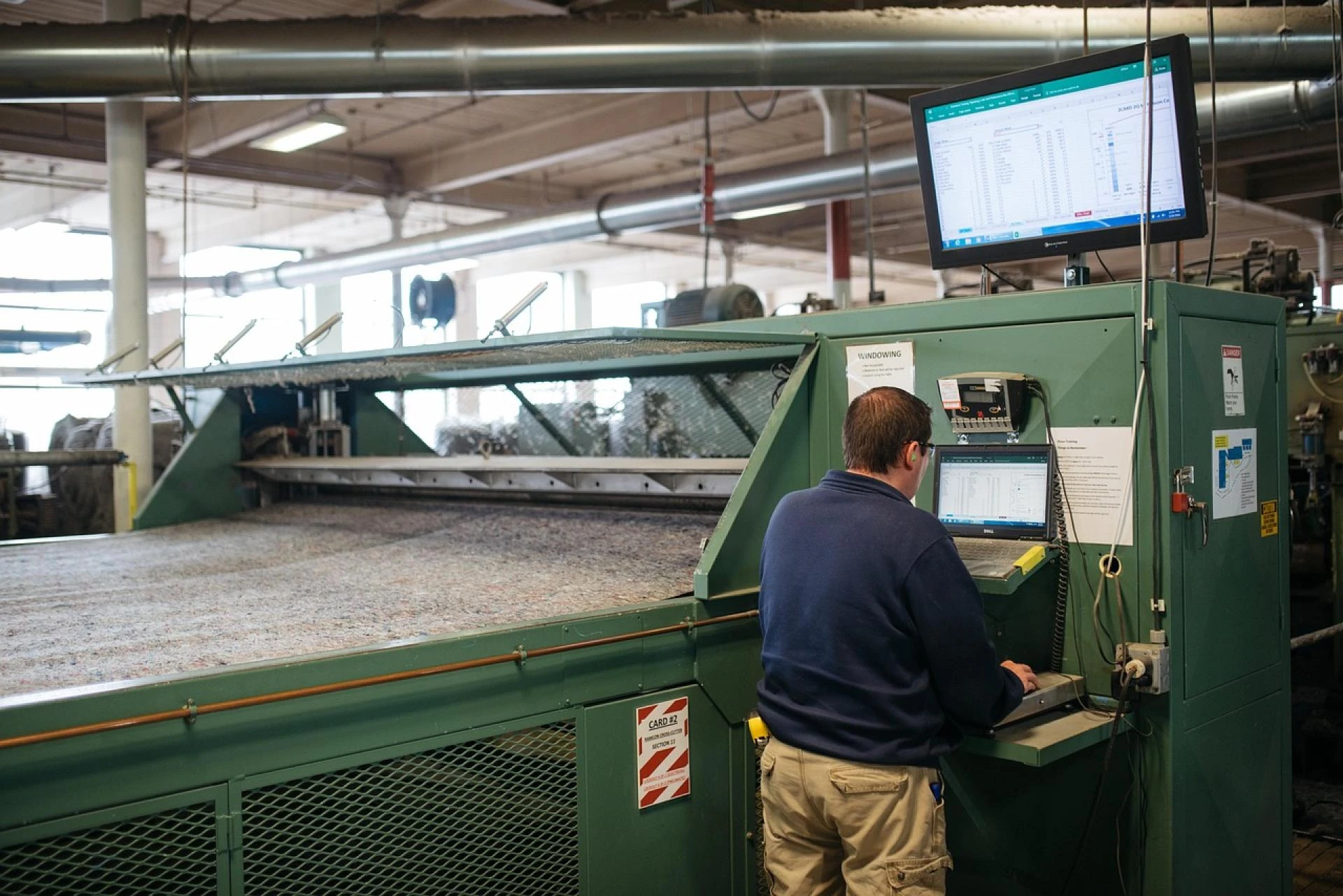

Introduction: Safety and Speed in Manufacturing
Manufacturing is an industry that values precision, speed, and above all, safety. With evolving machinery, fast-paced assembly lines, and strict compliance requirements, training workers effectively is more important than ever. This is where VR manufacturing training plays a powerful role. It provides workers with immersive, repeatable, and controlled learning environments that support both safety and performance.
Let us explore how virtual reality training is reshaping workforce readiness across modern manufacturing plants.
The Traditional Gap in Safety Training
Conventional safety training often relies on manuals, videos, and occasional shadowing of experienced workers. While these methods pass along essential knowledge, they rarely allow for hands-on practice without risk. This gap in experiential learning can result in unsafe behavior, delayed responses in emergency scenarios, and over-reliance on supervision.
Additionally, not all workers learn the same way. What clicks in a lecture for one person may go completely over another’s head. Traditional methods can fail to address diverse learning preferences.
What VR Brings to the Table
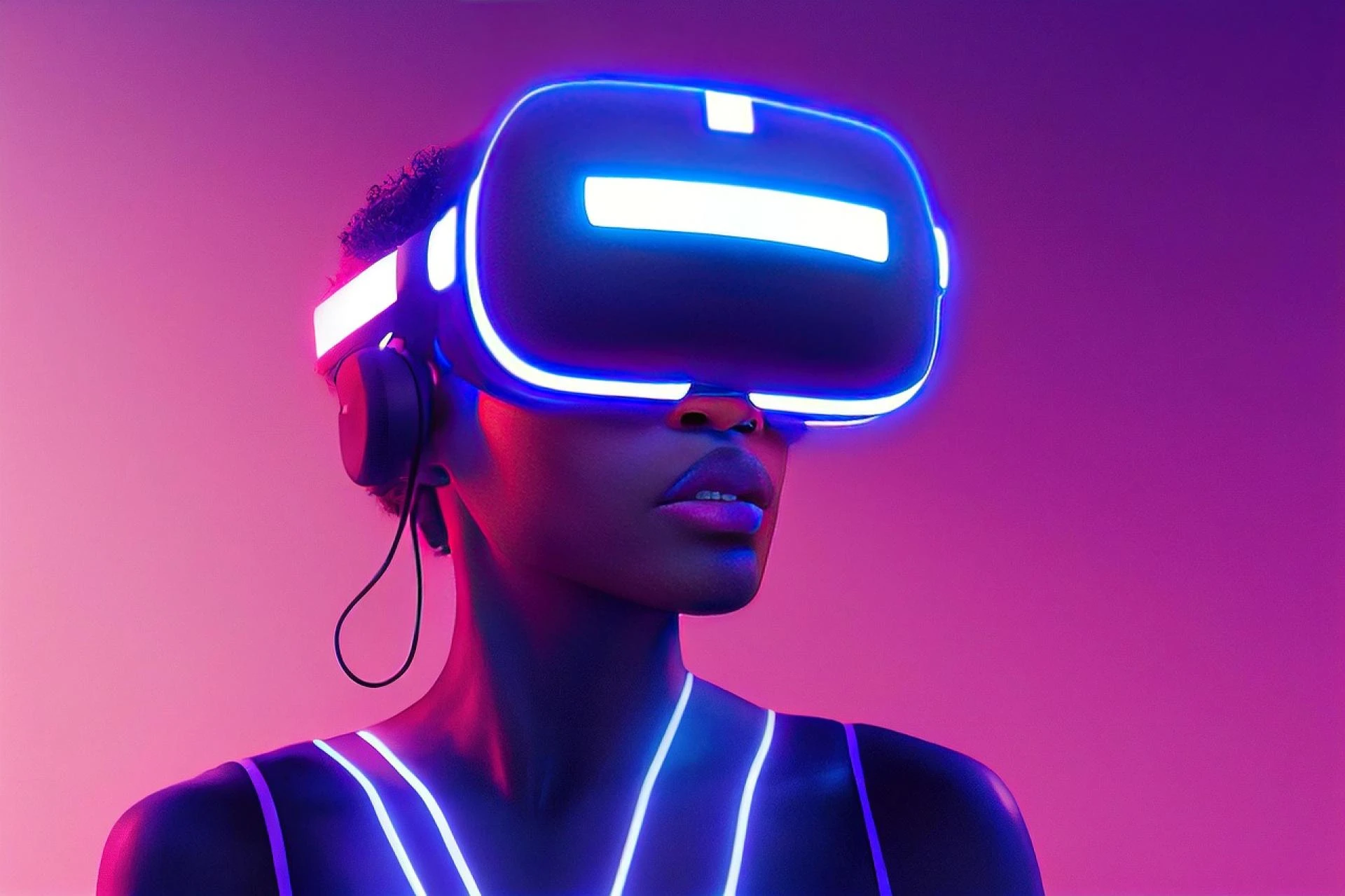
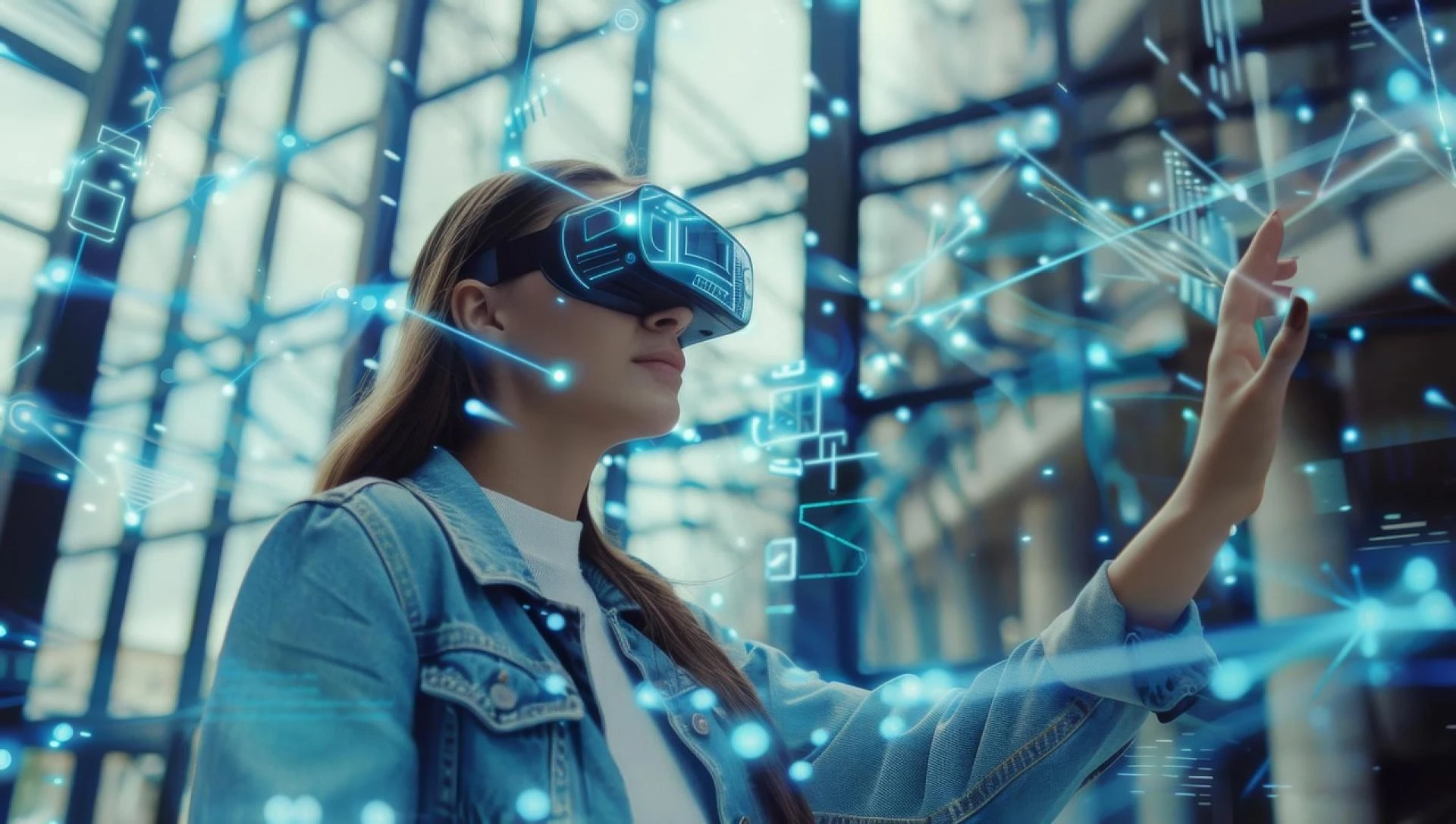
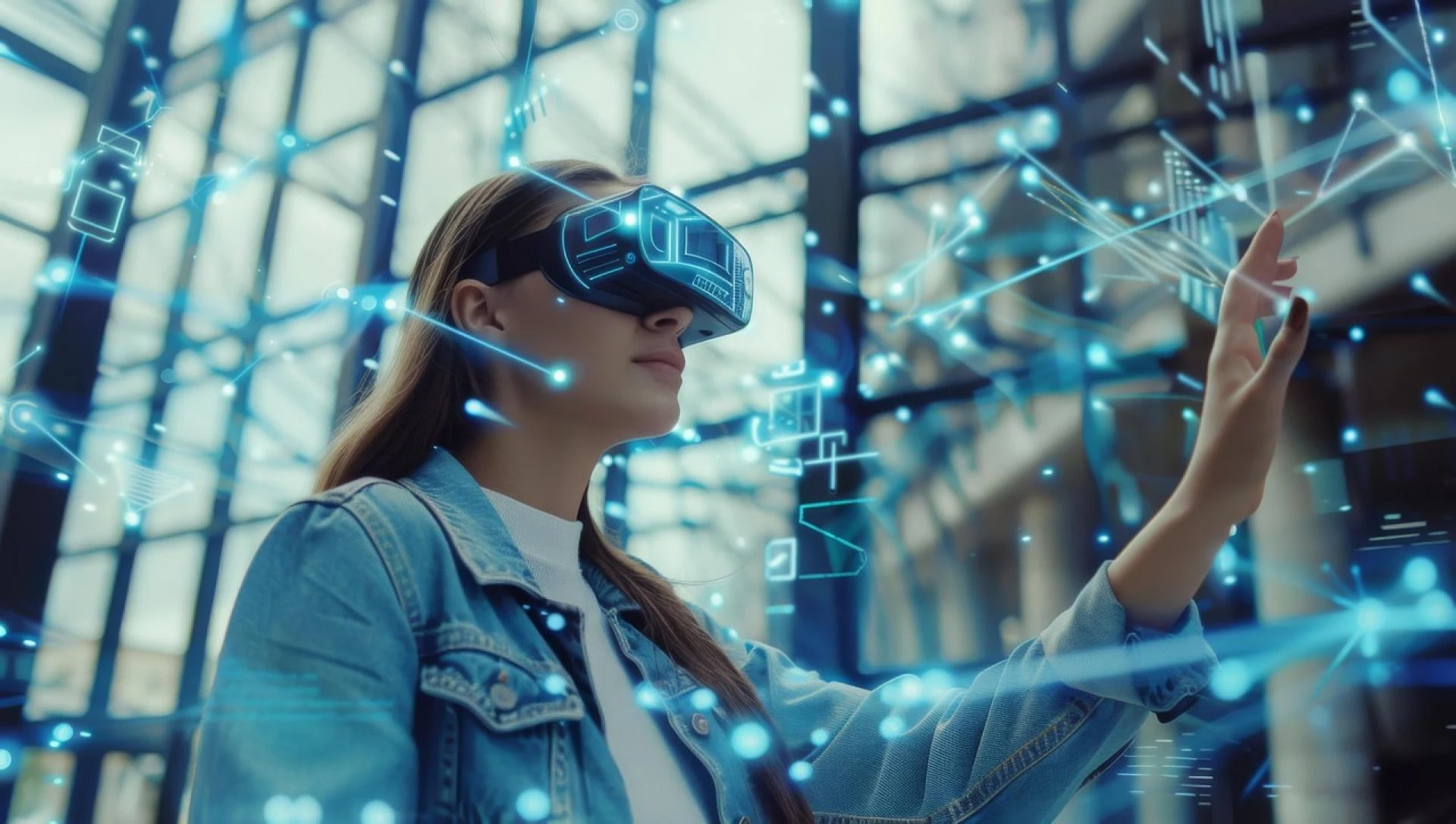
Virtual reality changes the training landscape by allowing employees to step into a simulated version of the workplace. With VR headsets, they interact with digital representations of machines, safety protocols, and even emergency events. This practice-based approach results in faster comprehension, higher retention, and stronger muscle memory.
From basic safety procedures to complex machine operations, employees can practice in a low risk environment until they build confidence and accuracy. There is no risk of equipment damage or injury during this phase, making it an ideal training medium.
Improving Hazard Awareness
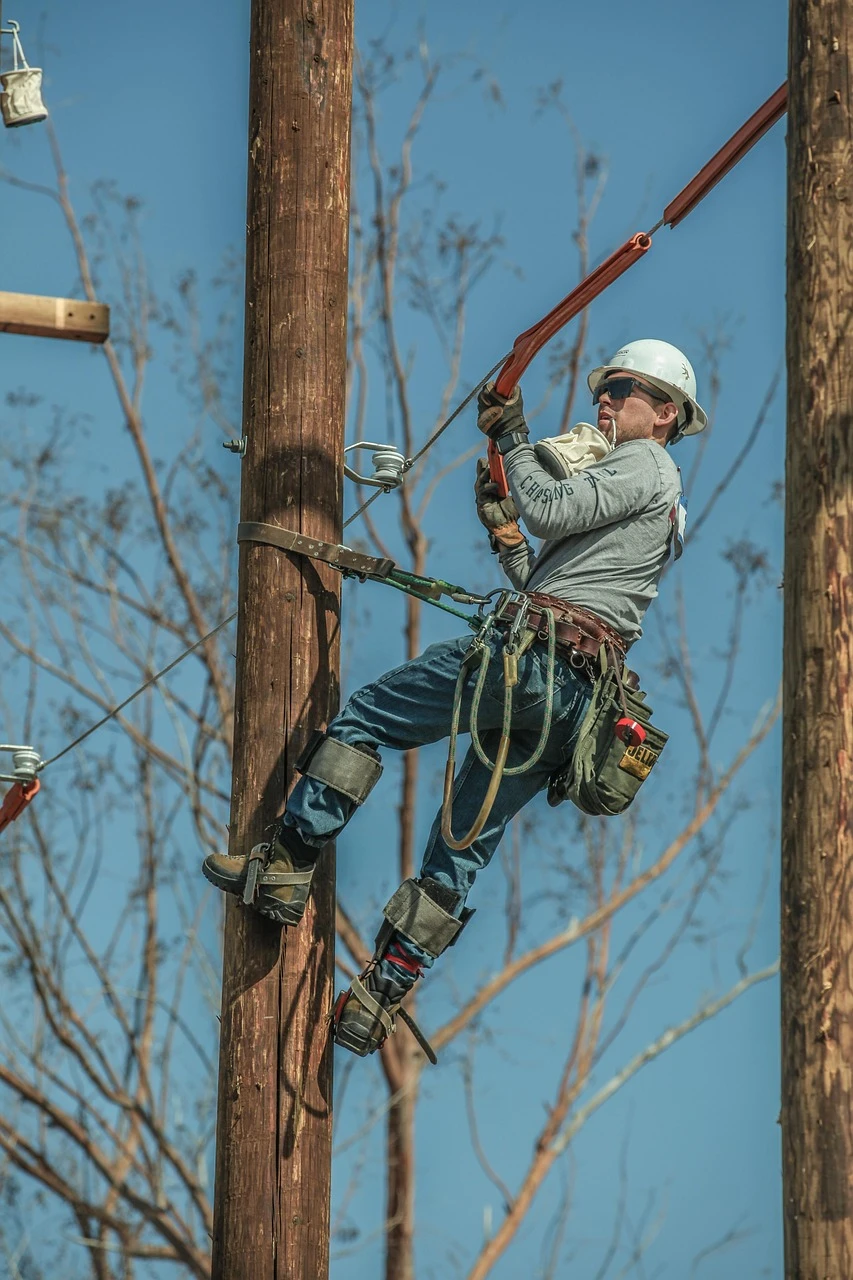
One of the key benefits of vr manufacturing training is its ability to simulate hazards in a safe environment. Trainees can experience real-life scenarios like equipment malfunctions, fire breakouts, or chemical leaks without ever being in harm's way. These simulated drills build instinctive reactions that may one day prevent a serious incident.
This kind of training goes beyond theoretical instruction. It equips workers to identify red flags, respond quickly, and follow emergency protocols with precision.
Reducing Human Error
Human error is one of the leading causes of workplace accidents. In high stakes environments like manufacturing, even small mistakes can lead to serious consequences. VR training reduces these errors by helping employees practice tasks repeatedly, receive real-time feedback, and correct techniques early on.
The ability to repeat tasks as many times as needed—without any penalty or added cost—makes VR uniquely suited to eliminate costly errors. Workers do not have to wait for a real machine or real-life incident to learn the right response.
Supporting Efficiency from Day One
Training programs that get workers production ready faster directly support operational efficiency. With traditional methods, new hires may take weeks or even months to reach expected performance levels. VR condenses this timeline significantly.
By onboarding new team members through VR, manufacturers can ensure that workers arrive on the shop floor with a deeper understanding of processes and protocols. This leads to smoother transitions, less downtime, and increased productivity from day one.
Customizable for Diverse Needs
Every manufacturing setup is different. A one-size-fits-all training module rarely delivers the desired results. VR makes it easy to customize training content for specific roles, machinery, and plant layouts. Whether the goal is to prepare operators for a complex machine or reinforce lockout tagout procedures, VR modules can be tailored accordingly.
This level of specificity ensures that training is always relevant and actionable.
Creating a Culture of Safety
When employees feel adequately trained and confident in their roles, they are more likely to follow safety protocols. VR helps build this culture by reducing anxiety associated with high-risk tasks. Workers who have already rehearsed dangerous procedures virtually are better prepared for real-life performance.
Moreover, when companies invest in innovative training tools, it sends a clear message about their commitment to safety. This fosters trust and boosts morale.
Better Metrics, Better Decisions
Unlike traditional training, which may rely on written tests or supervisor evaluations, VR platforms provide detailed analytics. Managers can review metrics like task completion time, number of errors, and areas where learners struggled. This data can be used to improve training content and identify employees who may need additional support.
The data-driven nature of VR enhances both individual development and strategic workforce planning.

Conclusion: Safety and Speed, Elevated
As manufacturing becomes more advanced, so should the methods we use to train our workforce. VR manufacturing training offers a forward-thinking solution that prioritizes safety while boosting performance. It bridges the gap between theoretical knowledge and hands-on experience, ensuring that every worker is equipped to succeed from day one.
Curious to see how immersive training looks in action? Connect with AutoVRse on LinkedIn, Instagram and Twitter. We would love to show you how we are helping teams train smarter and safer.























Sign in to leave a comment.