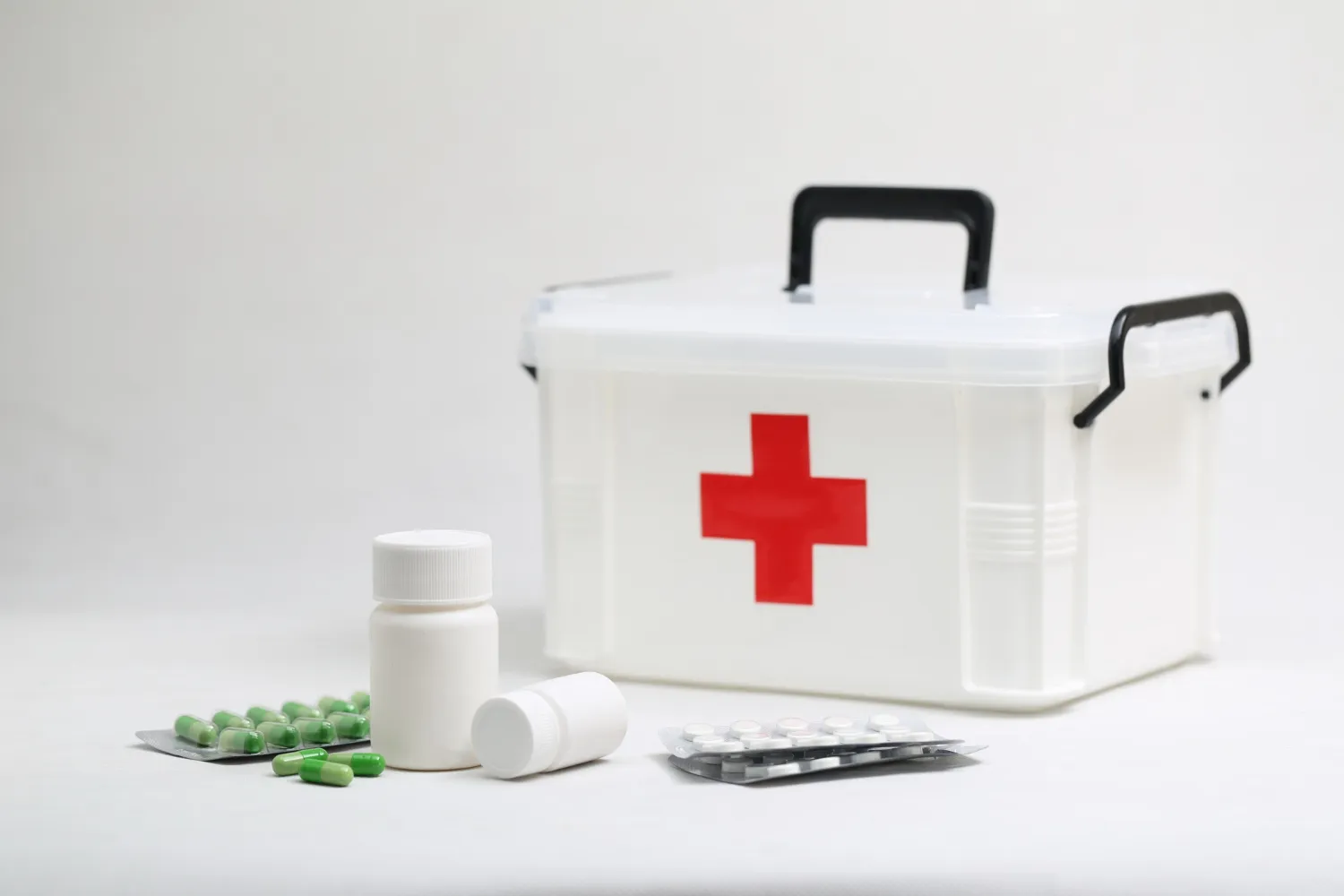

Children are naturally curious and active, which means minor injuries and everyday accidents can happen at any time. From small cuts and scrapes to minor burns and bumps, parents often find themselves handling unexpected situations at home. While not every incident requires medical attention, having a well-prepared first aid kit can help parents respond quickly and confidently when minor emergencies occur.
Keeping the right first aid essentials readily available at home is an important part of family preparedness. A properly stocked kit with first aid essentials can help parents manage common childhood mishaps, provide immediate care, and maintain a safer environment for children. Being prepared can also reduce stress and help parents act more efficiently during unexpected situations.
Every household with babies, toddlers, or young children should consider maintaining a basic first aid kit and regularly checking its contents to ensure everything is ready when needed.
Why Every Home Needs a First Aid Kit
Accidents can happen without warning, especially when children are learning, playing, and exploring their surroundings. Having a dedicated first aid kit helps ensure that basic supplies are available immediately when required.
A home first aid kit can help:
- Address minor injuries promptly
- Support basic wound care
- Reduce panic during unexpected situations
- Improve household preparedness
- Provide convenience before professional care is needed
Keeping supplies organized in one location makes them easier to access during emergencies.
Adhesive Bandages for Minor Cuts and Scrapes
Adhesive bandages are among the most commonly used items in any first aid kit. Children frequently experience small cuts, scratches, and scrapes during everyday activities.
Bandages help protect minor wounds from dirt and external irritation while supporting the healing process. Keeping a variety of sizes available can be useful for different types of minor injuries.
Parents should store bandages in a clean, dry place and replace them when necessary.
Antiseptic Solutions and Wound Cleaning Supplies
Proper cleaning is often the first step in caring for minor injuries. Antiseptic products and wound-cleaning supplies help maintain hygiene and prepare the affected area for dressing.
Useful items may include:
- Antiseptic solutions
- Sterile wipes
- Cotton pads
- Gauze pads
- Medical tape
These supplies can assist with basic wound care and help keep injuries clean.
Digital Thermometer for Health Monitoring
A thermometer is one of the most important health-related tools every parent should keep at home. Monitoring body temperature can provide valuable information when a child feels unwell.
Digital thermometers are easy to use and provide quick readings, making them a practical addition to any household first aid kit. Regularly checking that the device is functioning properly ensures it is ready when needed.
Basic Dressing Materials
Dressings are useful for covering and protecting wounds after cleaning. They help keep injuries protected while supporting comfort and hygiene.
Common dressing materials include sterile gauze, adhesive tape, and dressing pads. Having multiple sizes available can help parents manage different types of minor injuries effectively.
These items are often useful for cuts, abrasions, and small wounds that require temporary protection.
Cold Packs for Minor Bumps and Bruises
Children often experience bumps and bruises while playing or learning new activities. Reusable cold packs can help provide comfort following minor injuries.
Cold packs may be useful for:
- Minor bumps
- Bruises
- Mild swelling
- Small sports-related injuries
Keeping a reusable cold pack in the freezer ensures it is available when needed.
Child-Safe Healthcare Supplies
Depending on family needs, parents may choose to include child-appropriate healthcare supplies as part of their home preparedness plan.
Useful items may include:
- Digital thermometer
- Measuring devices for liquid medicines
- Saline solutions
- Healthcare monitoring supplies
These items can support general home healthcare and improve readiness for everyday situations.
Emergency Contact Information
A first aid kit should not only contain supplies but also important information. Keeping emergency contact details readily available can save valuable time during urgent situations.
Parents may consider including:
- Family doctor contact information
- Emergency service numbers
- Nearby healthcare facility details
- Important medical information for children
Having these details in one place can improve preparedness during emergencies.
Regularly Check and Update Your First Aid Kit
A first aid kit should be reviewed regularly to ensure all items remain clean, organized, and ready for use. Supplies may become depleted, damaged, or outdated over time.
Parents should periodically check:
- Product condition
- Stock levels
- Expiry dates are applicable
- Functionality of healthcare devices
Routine maintenance helps keep the kit reliable and effective.
Creating a Safe Home Environment
While having first aid supplies is important, prevention remains equally valuable. Childproofing the home, supervising young children, and maintaining safe play areas can help reduce the likelihood of accidents.
Combining preventive measures with a well-stocked first aid kit creates a safer environment and helps parents feel more prepared for everyday situations.
Conclusion
Having the right first aid essentials at home can help parents respond quickly to minor injuries and everyday childhood accidents. From bandages and antiseptic supplies to thermometers, cold packs, and emergency contact information, a well-prepared first aid kit supports household safety and readiness. By keeping essential supplies organized and regularly updated, parents can create a safer and more confident approach to caring for their children at home.



























Sign in to leave a comment.