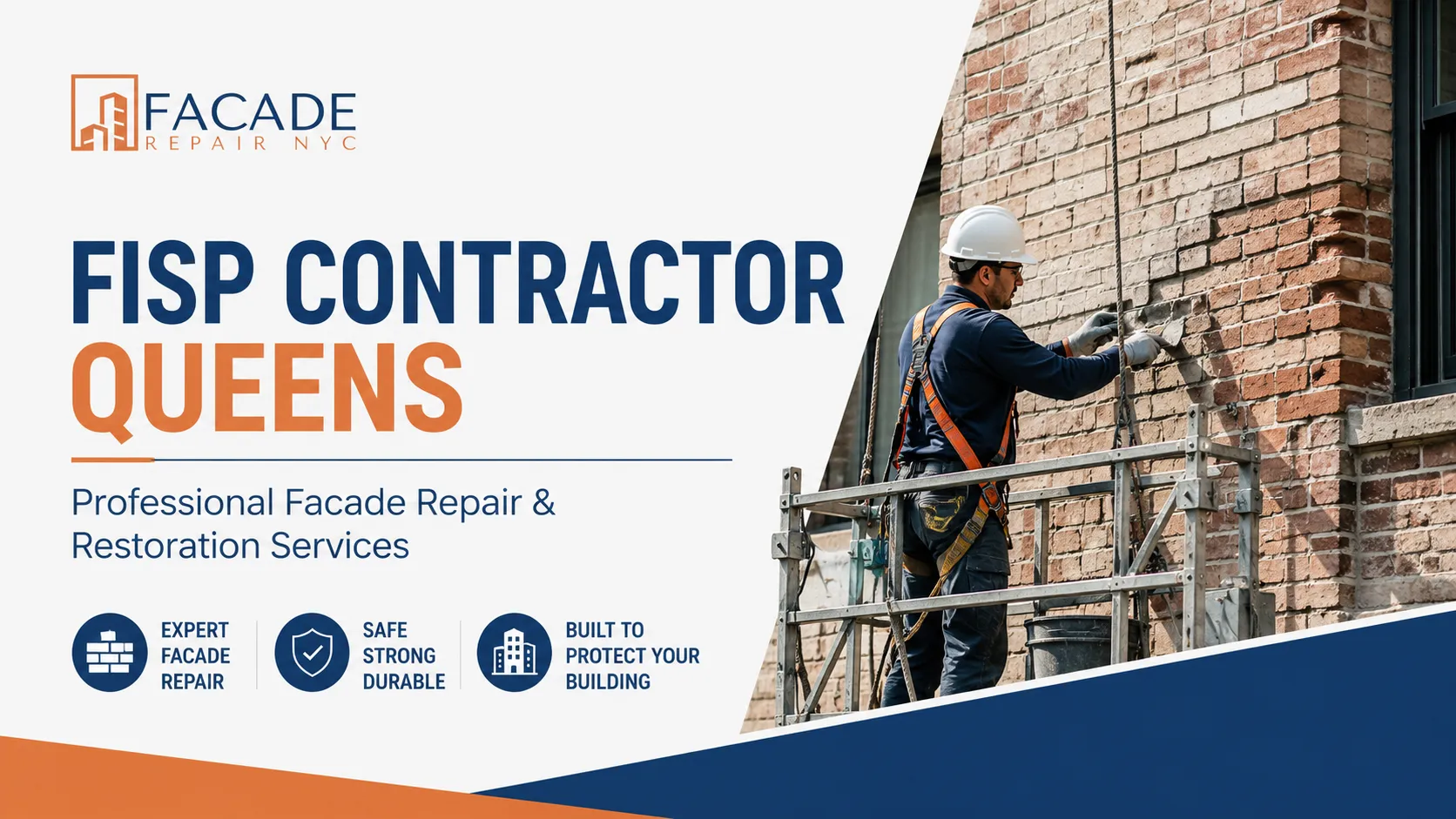

A building facade is one of the most important protective elements of any property. It shields the interior from rain, snow, wind, moisture, pollution, and changing temperatures. In Queens, where buildings experience seasonal weather conditions throughout the year, exterior walls can gradually develop cracks, deteriorated mortar, loose bricks, water infiltration, and other problems.
For property owners, addressing facade deterioration early is essential for maintaining building safety and preventing costly repairs. Working with an experienced FISP Contractor Queens can help property owners complete necessary facade repair and restoration work after exterior problems are identified.
From brick pointing and masonry restoration to waterproofing, lintel replacement, and parapet repairs, professional facade contractors provide specialized services designed to restore and protect building exteriors.
What Is FISP?
FISP stands for the Facade Inspection and Safety Program. It is New York City's program for the periodic inspection of certain building facades to help identify unsafe or deteriorated exterior conditions.
Eligible buildings are inspected by a Qualified Exterior Wall Inspector, commonly referred to as a QEWI. The inspection helps identify conditions that may require maintenance, repairs, or additional attention.
Depending on the condition of the facade, an inspection may identify:
- Cracked or damaged masonry
- Deteriorated mortar joints
- Loose bricks or stones
- Bulging masonry
- Water infiltration
- Corroded lintels
- Damaged parapets
- Concrete deterioration
- Cracked stucco
- Other unsafe facade conditions
It is important to understand that a facade inspector and a repair contractor have different roles. The inspector evaluates the condition of the facade, while contractors perform the physical construction and restoration work needed to correct identified problems.
Why Is Facade Maintenance Important in Queens?
Queens contains many different types of residential, commercial, and multi-family buildings. Exterior materials are exposed to weather conditions throughout the year.
Rain and snow can penetrate damaged mortar joints and cracks. During freezing temperatures, trapped moisture can expand and place additional pressure on masonry. Repeated freeze-thaw cycles can accelerate deterioration.
Pollution, wind, humidity, and normal aging can also affect facade materials.
Without timely maintenance, minor problems can develop into larger issues such as:
- Extensive masonry deterioration
- Interior water damage
- Corroded structural components
- Loose facade materials
- Damaged insulation
- Increased repair costs
Regular facade maintenance provides property owners with an opportunity to identify problems early and address them before they become more extensive.
Common Facade Problems Found During Inspections
Deteriorated Mortar
Mortar joints naturally deteriorate as buildings age. Crumbling, missing, or cracked mortar can allow water to enter masonry walls.
Professional repointing removes damaged mortar and replaces it with appropriate new material.
Cracked Bricks
Brick cracking may result from moisture, temperature changes, structural movement, or long-term weather exposure.
Damaged bricks should be professionally evaluated to determine whether repair or replacement is appropriate.
Loose Masonry
Loose bricks or stones can become dangerous if they detach from the building. Professional contractors can stabilize, repair, or replace affected areas.
Rusted Lintels
Lintels support masonry above windows and doors. Steel lintels may corrode when exposed to moisture.
Rust expansion can place pressure on surrounding brickwork and cause cracks or displacement.
Water Infiltration
Water can enter through damaged mortar, cracks, failed sealants, and deteriorated facade components.
If moisture problems are ignored, they can affect both exterior and interior building materials.
Parapet Deterioration
Parapet walls are highly exposed to weather. Cracks, loose masonry, deteriorated coping, and waterproofing failures can create significant maintenance concerns.
Services Offered by a FISP Contractor
An experienced FISP Contractor Queens may provide a variety of facade restoration services.
Brick Pointing and Repointing
Repointing involves removing deteriorated mortar and replacing it with new mortar. Properly completed repointing helps improve masonry strength and resistance to moisture.
Masonry Restoration
Masonry restoration may involve repairing damaged bricks, replacing severely deteriorated units, repairing stone, and restoring other exterior components.
Lintel Repair and Replacement
Corroded lintels may require repair or replacement depending on their condition. Proper restoration helps maintain support around openings.
Waterproofing
Waterproofing can help protect vulnerable facade areas from moisture infiltration.
Stucco Repair
Cracked or deteriorated stucco can be repaired to improve weather resistance and appearance.
Concrete Restoration
Cracked or spalled concrete can be repaired to help prevent further deterioration.
Parapet Restoration
Parapet repair may include masonry restoration, coping repair, waterproofing, and replacement of severely damaged materials.
Signs Your Building Needs Facade Repairs
Property owners should monitor their building exterior for visible signs of deterioration.
Look for:
- Cracks in brick or concrete
- Missing mortar
- Loose bricks
- Bulging walls
- Rust stains
- Water stains
- Peeling stucco
- Spalling concrete
- Damaged parapets
- Falling debris
These signs should not be ignored. Even relatively small defects can become more serious when exposed to moisture and temperature fluctuations.
Benefits of Professional Facade Restoration
Hiring experienced professionals can provide several benefits.
Improved Safety
Repairing loose and deteriorated facade components helps reduce potential hazards.
Better Weather Protection
Properly restored masonry and waterproofing help protect buildings from rain and moisture.
Extended Facade Lifespan
Regular maintenance and professional restoration can help exterior materials last longer.
Improved Appearance
Facade restoration can significantly improve the appearance of an aging building.
Reduced Long-Term Costs
Addressing problems early may prevent more extensive and expensive repairs later.
Better Property Value
A well-maintained exterior can improve curb appeal and help preserve property value.
How to Choose a FISP Contractor in Queens
Choosing the right contractor is an important decision. Property owners should consider several factors before starting a project.
Experience: Look for experience with masonry restoration and NYC facade projects.
Services: Choose a contractor capable of handling different facade repair requirements.
Materials: Quality materials are important for long-lasting restoration.
Safety: Facade projects often involve elevated work, making proper safety procedures essential.
Estimates: A clear estimate should explain the scope of work and expected costs.
Workmanship: Professional craftsmanship helps ensure that repairs perform effectively and blend with the existing facade.
Why Preventative Maintenance Matters
Facade restoration should not end when repairs are completed. Regular maintenance helps identify new problems before they become serious.
Property owners should monitor:
- Mortar joints
- Brickwork
- Parapet walls
- Window openings
- Sealants
- Drainage systems
- Previously repaired areas
Addressing small issues promptly can reduce future repair requirements.
Why Choose Facade Repair NYC?
Facade Repair NYC provides professional facade repair and restoration services for properties throughout Queens and New York City.
Services include brick pointing, masonry restoration, waterproofing, lintel replacement, stucco repair, concrete restoration, parapet repair, and other exterior maintenance solutions.
The team focuses on quality materials, professional workmanship, and customized restoration solutions based on each property's condition.
Frequently Asked Questions
What does a FISP contractor do?
A FISP contractor performs physical facade repair and restoration work needed to address exterior deterioration. This can include masonry repair, repointing, waterproofing, lintel work, and parapet restoration.
Is a facade contractor the same as a QEWI?
No. A QEWI performs the required facade inspection, while a contractor performs construction and repair work.
What are common facade repairs in Queens?
Common repairs include brick pointing, masonry replacement, waterproofing, lintel repair, concrete restoration, stucco repair, and parapet restoration.
Why is timely facade repair important?
Timely repairs can help prevent minor deterioration from becoming more extensive and expensive.
Conclusion
Maintaining a building facade is essential for safety, durability, weather protection, and property preservation. An experienced FISP Contractor Queens can help property owners address exterior deterioration through professional repair and restoration services.
From masonry restoration and brick pointing to waterproofing, lintel replacement, and parapet repairs, professional facade services can help extend the life of a building exterior. Regular maintenance combined with timely repairs provides a practical approach to protecting Queens properties and preserving their long-term value.



























Sign in to leave a comment.