

When replacing missing teeth, dentists and patients often compare two popular solutions: dental implants and bridges. Each option has unique advantages depending on clinical needs, budget, and treatment timeline. At Blue Sky Dental Lab, China, we support dental professionals with precision-crafted restorations that meet modern expectations. This quick comparison will help you understand the key differences and decide which solution may suit your patients best.
Understanding a Fixed Dental Bridge
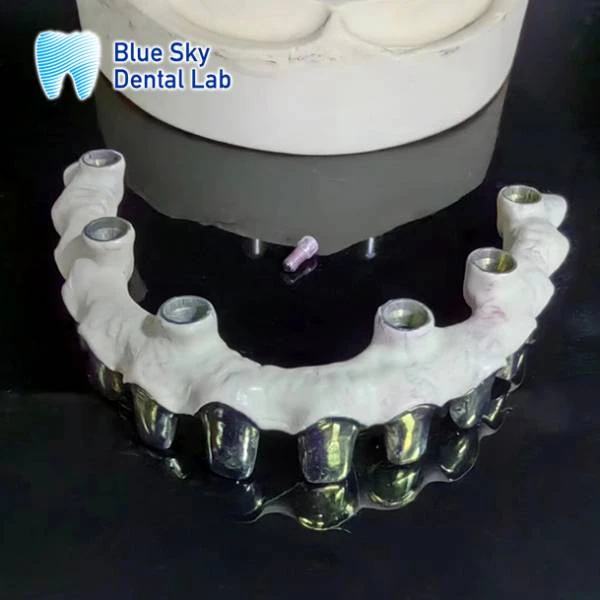
A fixed dental bridge is a non-removable prosthetic that replaces one or more missing teeth by anchoring onto adjacent natural teeth or crowns. It “bridges” the gap left by missing teeth and restores both function and appearance. This solution has been used successfully for decades and remains a reliable choice in many clinical cases.
What Are Dental Implants?
Dental implants involve surgically placing a titanium post into the jawbone, which acts as an artificial tooth root. After osseointegration, a crown is placed on top. Implants are known for their strength, longevity, and ability to preserve jawbone structure.
Key Differences at a Glance
1. Treatment Time
A fixed dental bridge typically requires fewer appointments and can often be completed within weeks. Dental implants, however, may take several months due to surgical healing and integration time.
2. Invasiveness
Bridges do not require surgery, making them a less invasive option. Implants involve a surgical procedure, which may not be suitable for all patients, especially those with insufficient bone density or medical limitations.
3. Impact on Adjacent Teeth
With a fixed dental bridge, adjacent teeth must be prepared to support the bridge. Implants stand independently and do not affect neighboring teeth, preserving natural tooth structure.
4. Durability and Longevity
Implants are often considered a long-term solution and can last decades with proper care. A fixed dental bridge also offers excellent durability but may require replacement after 10–15 years, depending on oral hygiene and bite forces.
5. Cost Considerations
In many cases, a fixed dental bridge is more cost-effective upfront. Implants generally have a higher initial cost due to surgery and components, though their longevity can balance costs over time.
Aesthetic and Functional Results
Both options restore chewing ability and improve aesthetics. Modern materials used by Blue Sky Dental Lab ensure that every fixed dental bridge delivers natural-looking results with precise color matching and contouring, meeting international quality standards.
Which Option Is Right?
The choice between implants and a fixed dental bridge depends on patient-specific factors such as oral health, bone condition, budget, and time constraints. Dentists often recommend bridges for faster rehabilitation, while implants are ideal for long-term, independent tooth replacement.
Blue Sky Dental Lab – Your Trusted Partner
Based in China, Blue Sky Dental Lab combines advanced technology, skilled technicians, and strict quality control to deliver reliable restorative solutions. Whether your case requires implants or bridges, we help dental clinics achieve predictable, high-quality outcomes.
Conclusion: Both dental implants and bridges are effective solutions. A careful clinical evaluation ensures the right choice, balancing function, aesthetics, and patient comfort.


























Sign in to leave a comment.