Every contractor reaches a point where the factory truck bed stops making sense. Loads get heavier, tools multiply, and efficiency starts to matter more than appearance. Choosing the right truck bed is not about trends or upgrades. It is about matching how you actually work to a setup that saves time, protects your equipment, and holds up under pressure.
Flatbeds, dump beds, and specialty beds each serve a different purpose. Understanding those differences clearly can help you make a decision that pays off every single day on the job.
Flatbeds: Built for Versatility and Access
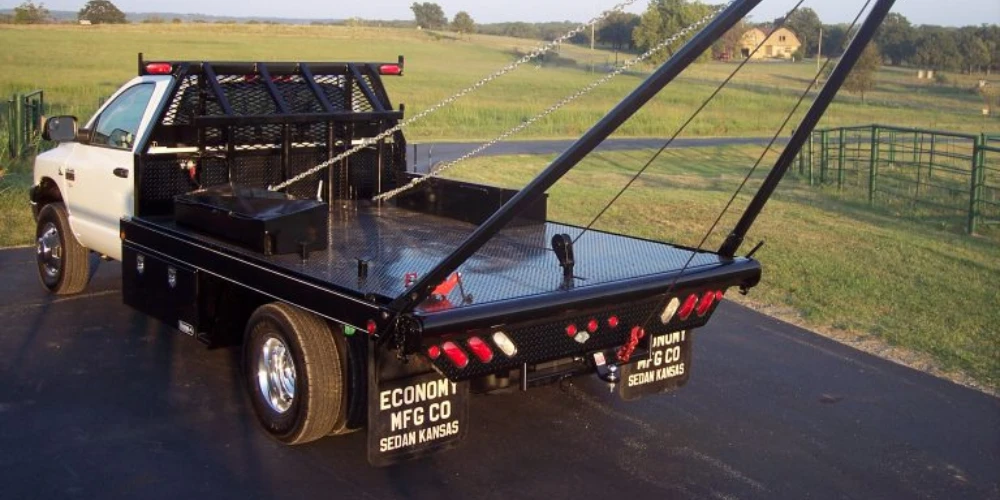
One of the most promising upgrades that contractors may make is to have flatbeds. They allow access on all four sides, are flexible on where loads are located, and have fewer restrictions compared to enclosed factory beds. A flatbed takes a lot of the daily hassle out of your life, in case you need pallets, lumber, steel, or oversized materials.
Many contractors prefer forklift-mounted flatbeds because they integrate directly into job-site workflows. Being able to load and unload with a forklift instead of manual handling speeds things up and reduces strain on crews. When properly designed, these flatbeds are reinforced where it matters most, especially around forklift pockets and deck support. Flatbeds work best for contractors who need adaptability more than containment. They are especially effective when loads change frequently from one job to the next.
Dump Beds: Designed for Volume and Movement
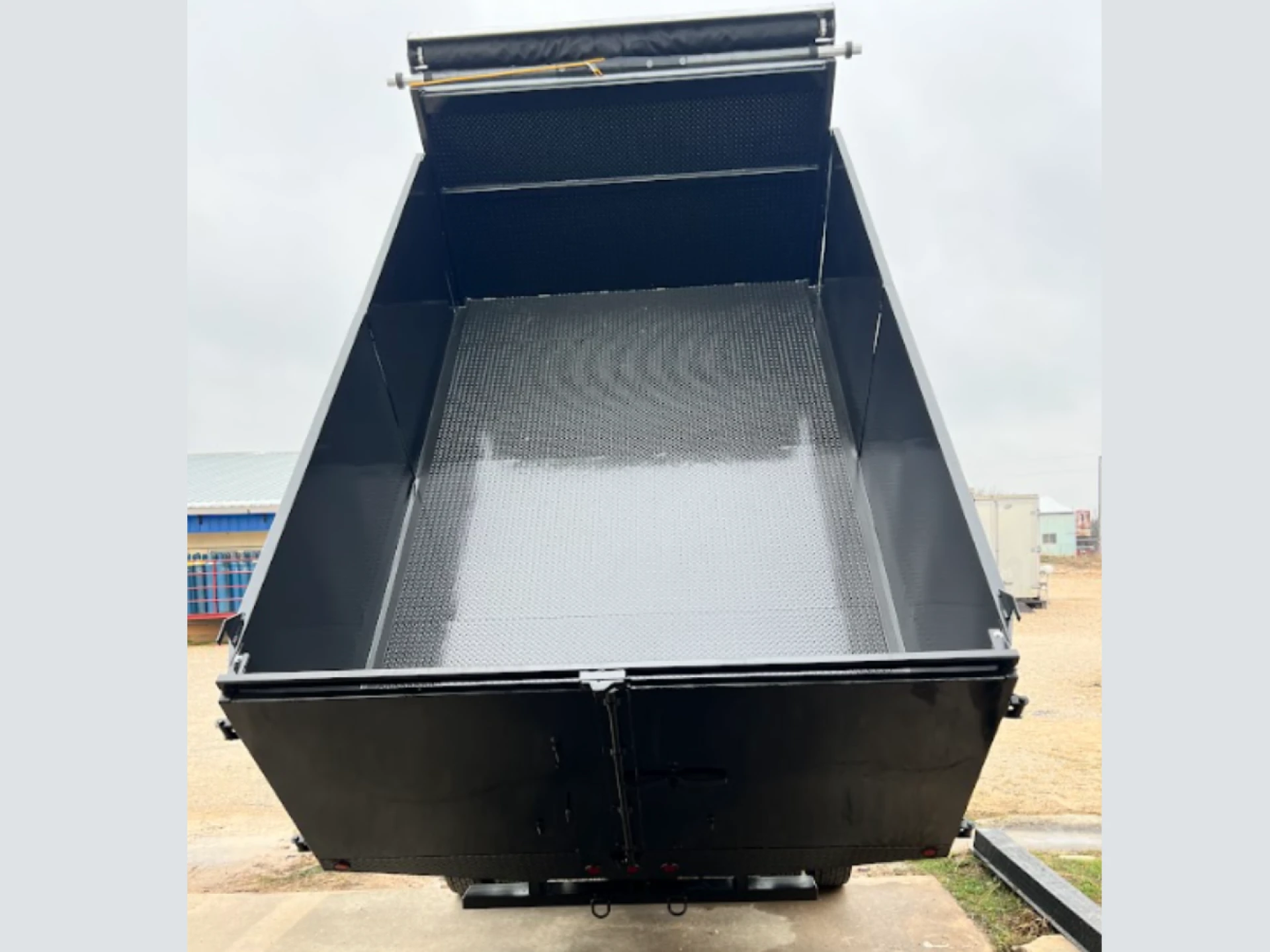
Dump beds are about moving material efficiently. Gravel, dirt, debris, and demolition waste all become easier to handle when you can unload with the push of a control instead of shovels and labor hours.
Contractors who work in landscaping, site prep, or construction cleanup often rely on dump beds to keep jobs moving. The real value shows up at the end of the day when unloading takes minutes instead of an hour. Dump beds do add weight and complexity, so they make the most sense when bulk material handling is a regular part of the job.
The key is choosing a dump bed that matches your typical load size rather than oversizing and losing payload capacity.
Specialty Beds: Built Around a Specific Job
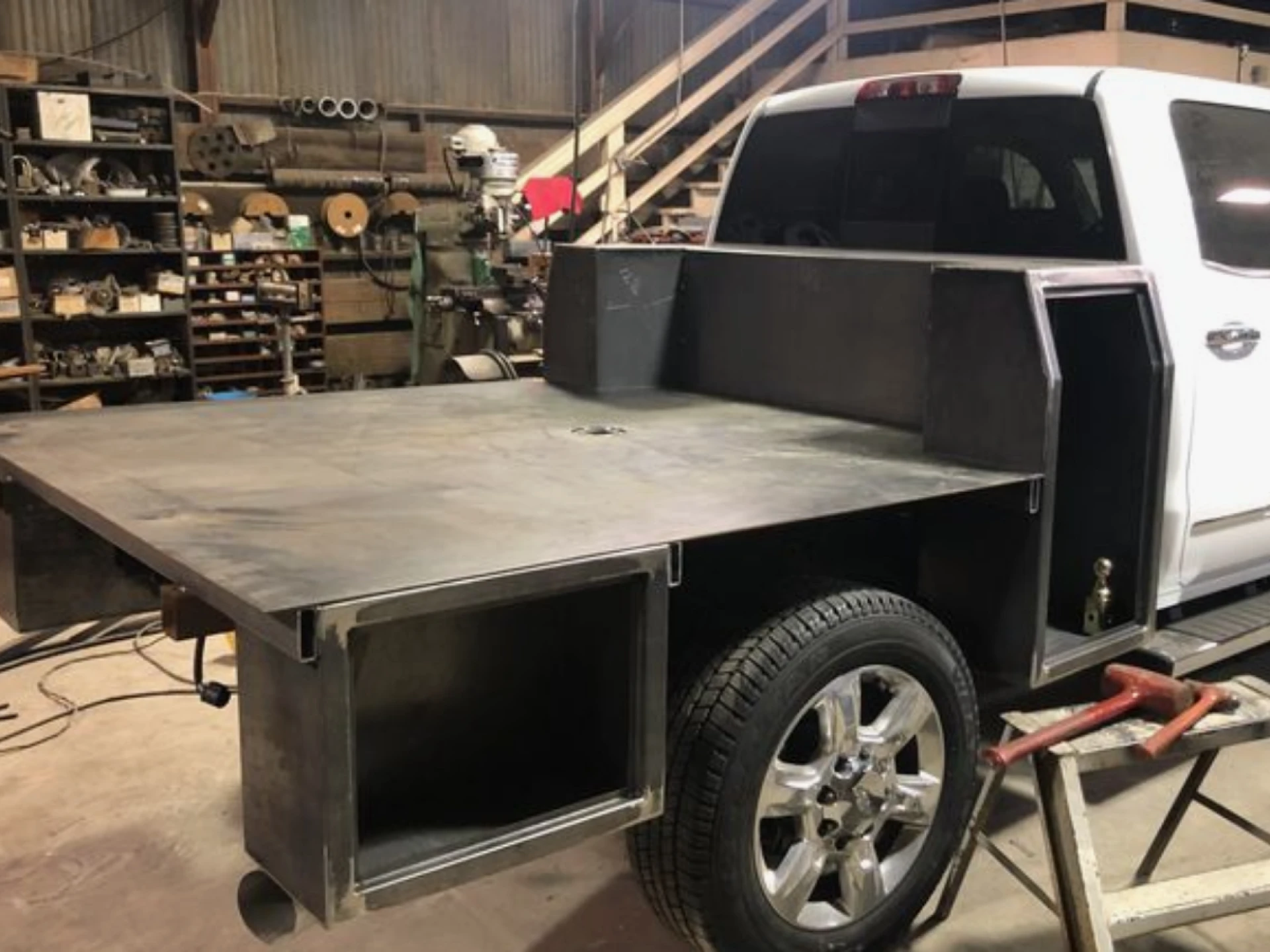
Specialty beds exist for one reason. Some work simply cannot be done efficiently with standard designs. Utility crews, welders, traffic control teams, and contractors with highly specific tools often need layouts built around their workflow.
These beds may include integrated storage, tool compartments, winches, or reinforced mounting points. The value comes from not having to adapt your work to the truck. Instead, the truck adapts to the work. For experienced operators, specialty beds often feel less like an upgrade and more like a necessity.
In many cases, contractors combine elements from different bed types to create something that fits their trade exactly.
When comparing options, it helps to pause and look at the basics in one place:
- Flatbeds offer open access and flexible loading
- Dump beds excel at moving and unloading bulk material.
- Specialty beds support highly specific tools and workflows.
Matching the Bed to How You Work
The right choice depends less on industry labels and more on daily habits. Ask yourself what you load most often, how you unload, and where time gets wasted. If forklifts are part of your routine, forklift mount flatbeds may immediately stand out as the most practical solution. If material removal defines your projects, a dump bed earns its keep quickly.
For many truck beds for contractors, the real mistake is choosing based on appearance or assumptions instead of work patterns. A well-matched bed feels natural within days. A poor match becomes a constant workaround.
Companies like Devere Truck Beds focus on this exact decision point by building around function first and helping contractors avoid overbuilding or underbuilding for their needs.
Conclusion
Your truck bed is not just storage. It is part of your workflow, your efficiency, and your earning potential. Flatbeds, dump beds, and specialty beds all have clear strengths, but only one will truly fit the way you work day after day.
Before you upgrade, you should take time and analyze your jobs fairly and discuss with a builder who knows the realities of contracting. Get in touch today to find out what is possible, pose questions, and create a truck bed as hard as you are. A more intelligent design today will save you years of headaches in the workplace.


























Sign in to leave a comment.