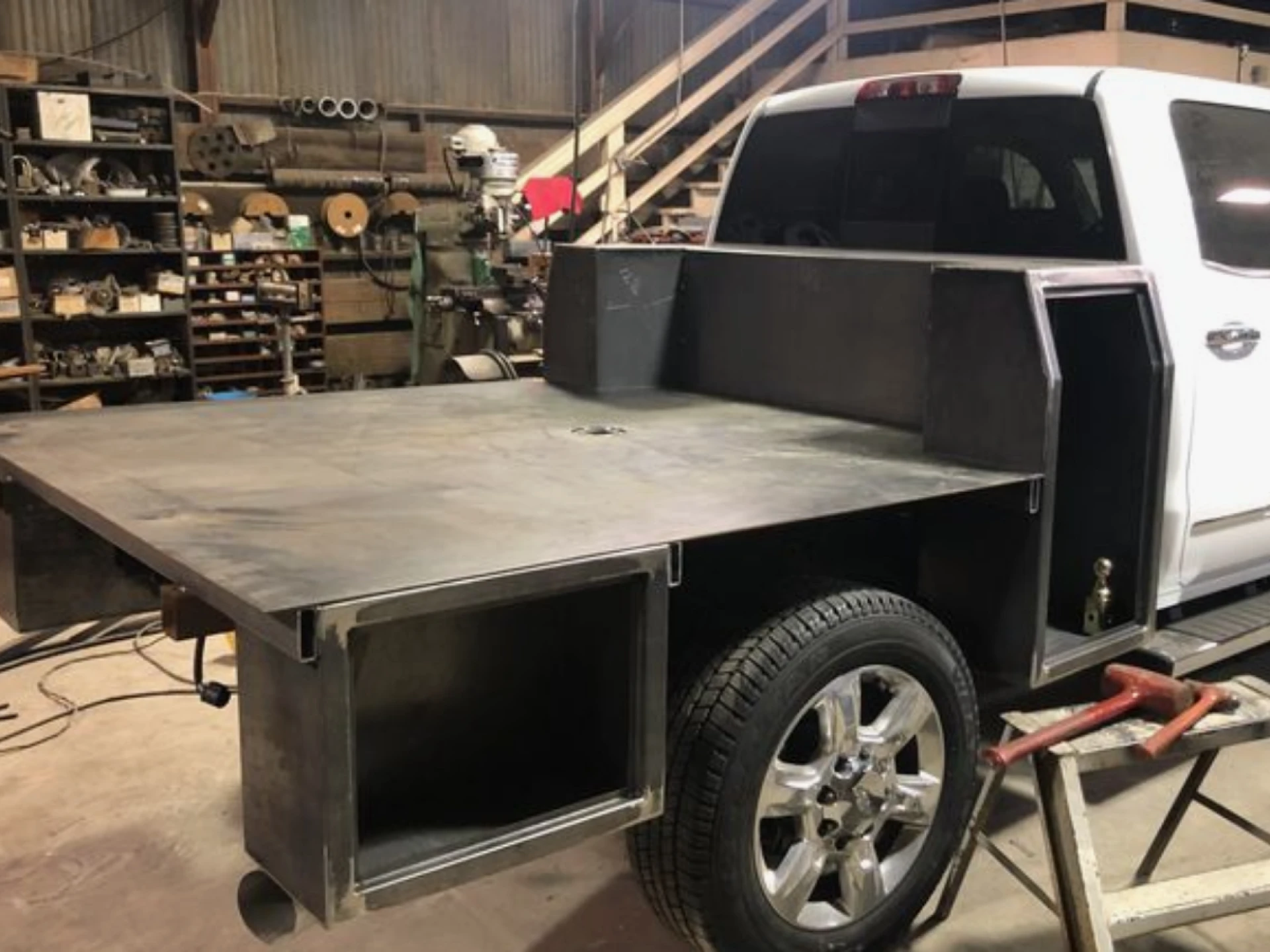
Ordering a custom truck bed is one of those decisions that looks simple on paper and gets complicated fast in real life. You start with a basic idea, add a few features, adjust a measurement here and there, and suddenly, you are staring at a final design that costs more than expected and still does not quite fit your workflow. Many buyers learn this lesson the hard way. If your goal is to get custom work truck beds without high cost, the smartest move is to understand where most people go wrong before you place an order.
Mistake 1: Not Defining Your Real Work Needs
The most common mistake is designing a bed around assumptions instead of daily reality. What looks good in a brochure rarely matches what happens on a muddy jobsite at six in the morning. Before talking to any manufacturer, take time to study your routine. What tools come off first? Where do materials pile up? Which compartments get used every day, and which ones collect dust? A bed that reflects actual habits will always outperform one built around guesses.
Mistake 2: Chasing the Lowest Price
Everyone notices the cheapest quote first. That is natural. The problem is that low prices often hide thin steel, rushed fabrication, and weak coatings. These issues rarely show up during delivery. They appear after two winters, three heavy seasons, and a few thousand miles of vibration. Real value comes from balance. Buyers looking for custom work truck beds without high cost should focus on durability per dollar, not just the initial invoice. In most cases, improving the quality of the materials will result in a lower overall cost in the long run.
Mistake 3: Ignoring Weight and Load Limits
Every truck has limits, whether people acknowledge them or not. Axle ratings, suspension capacity, and frame strength determine how much weight the vehicle can safely handle. Ordering a heavy bed without accounting for these limits reduces payload and strains critical components. Over time, this leads to suspension wear, brake issues, and driveline problems. A proper custom bed works with the truck instead of fighting it.
Mistake 4: Overlooking Bed Protection
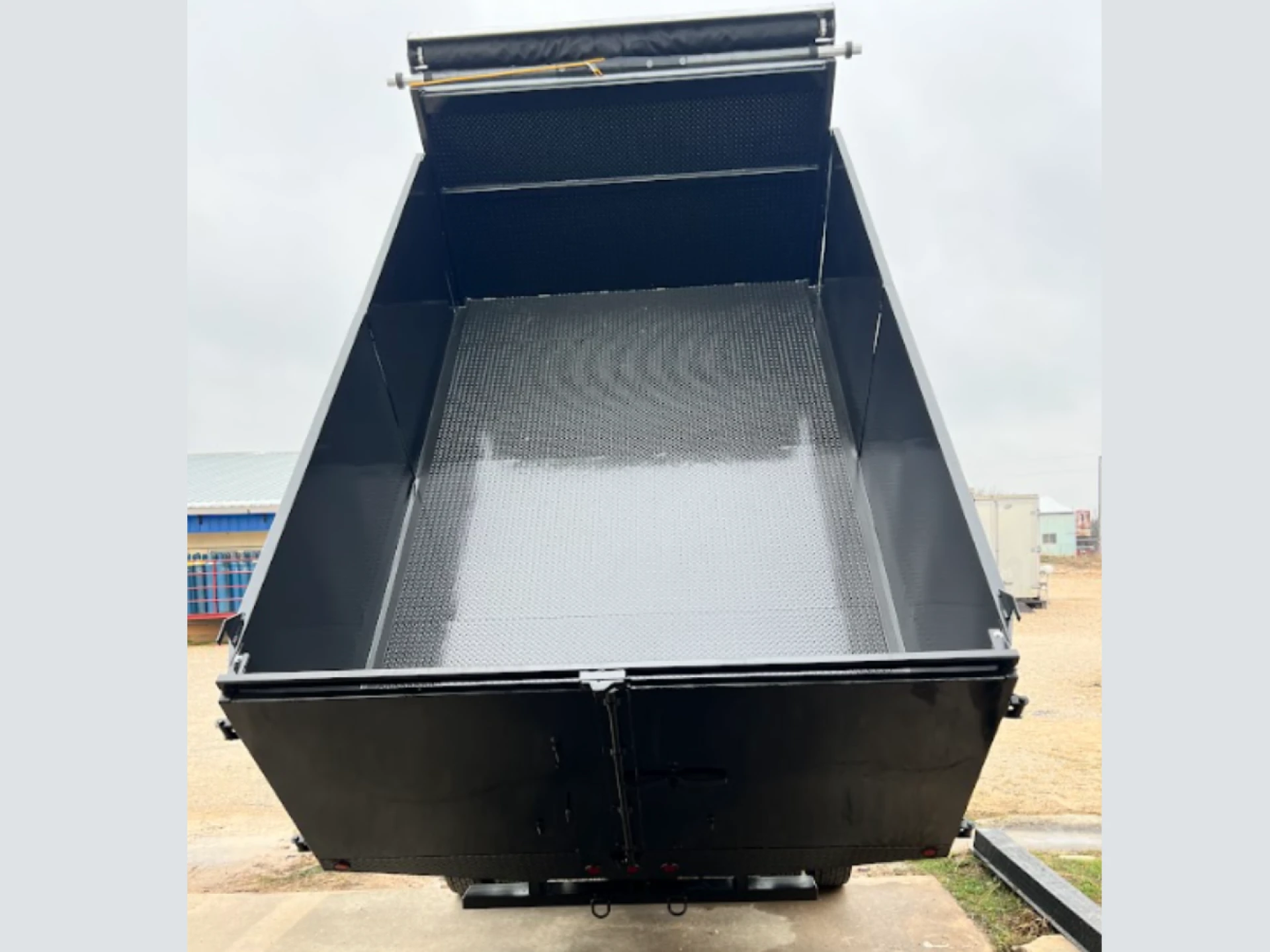
Bare steel looks fine when it is new. It does not stay that way for long. Gravel, scrap, concrete, and debris grind away coatings faster than most operators expect. Moisture finds its way into every scratch and seam. Rust follows. Planning for protection early makes a difference. Whether that means coatings or specialized systems like dump bed liners in Oklahoma, surface protection should be part of the original design conversation, not an afterthought once damage appears.
Mistake 5: Poor Communication With the Manufacturer
Custom work requires effective communication. Open-ended demands like, make it stronger, or add more storage does not work out very well. The measurements, estimated weight, loading process, and patterns of use are all important. Skilled construction professionals like input. Organizations such as DeVere Truck Beds use this information in transforming the actual requirements into feasible designs. The product displays what the buyers have taken the time to clarify on how to operate.
Mistake 6: Choosing Features You Will Not Use
It is easy to get carried away with options. Extra boxes, oversized racks, specialty mounts, and custom lighting all sound useful in theory. In practice, many of them go untouched. Every added feature increases weight, cost, and complexity. If it does not improve daily efficiency, it probably does not belong on the truck. Simple, purposeful designs usually age better than crowded ones.
Mistake 7: Forgetting About Maintenance Access
Work trucks live in the real world. Hoses leak. Bolts loosen. Wiring needs inspection. When a bed blocks access to basic components, routine maintenance turns into a frustrating chore. Good designs leave room to work. Pumps can be reached. Filters can be changed. Grease points are visible. This saves time, reduces labor costs, and keeps small problems from becoming major repairs.
Mistake 8: Rushing the Decision
Individual manufacturing pays off diligence. Orders that are hurried create an issue of missing details, inaccurate measurements, and compromises at the last minute. Using additional time on drawings, verification of specifications, and posing questions is generally rewarded. A week of hesitation at the start can save the years of small irritations in the future.
Mistake 9: Ignoring Long-Term Resale Value
A lot of buyers consider the existing jobs. They fail to remember that trucks are also sold or traded. Beds that are highly specialized or of poor design do not have a resale alternative. Multifunctional designs, symmetry, and unpolluted production are all likely to be appreciated. They are more appealing to more buyers and portray superior overall build quality.
Conclusion
Placing a custom orderforf the truck bed does not imply the addition of as many features as possible. It is concerning the construction of a working platform that takes care of your job, your crew, and your schedule. Such errors as imprecise planning, low-price search, lack of protection, and haste are quietly building funds and productivity away in the long run. Honest self-assessment, effective communication, and proper comparison of quality and cost bring about the best results. You could also spend time mapping your needs and directly discuss them with an experienced manufacturer in case you are going to order a personal bed. Call now, tell us how you are really working, and begin to make a truck bed that goes to your jobsite with you every day.






















Sign in to leave a comment.