
Flea removal is important for homeowners across Canada because fleas spread rapidly, hide in carpets, furniture, and pet bedding, and cause discomfort for both people and pets. Even a small number of fleas can turn into a large infestation within weeks because they multiply fast and survive in hidden areas. Many families struggle with fleas due to humid weather, outdoor wildlife, and pets that spend time outside. Fleas are tiny, but they create big problems when not treated quickly. Understanding how fleas enter your home, where they hide, and what steps protect your living space helps Canadians maintain a cleaner and more comfortable environment. With the right methods, flea removal becomes simple and effective.
What Causes Fleas to Enter Canadian Homes
Fleas usually enter homes by attaching to pets such as cats and dogs. When pets play outside, especially in grassy yards or parks, fleas cling to their fur and travel indoors. Wildlife such as raccoons, squirrels, and stray animals can also introduce fleas into outdoor spaces. In provinces with warm and humid seasons, flea activity increases, making infestations more common. Fleas can also cling to clothing or shoes, especially when walking through tall grass or areas with stray animals. Another cause is secondhand furniture or carpets that may carry flea eggs or larvae. Once inside, fleas hide in soft fabrics, cracks, and shaded corners where they can survive for long periods.
How to Identify a Flea Infestation
Detecting a flea infestation early helps prevent a bigger problem. One of the first signs is noticing pets scratching more than usual. Fleas bite animals frequently, causing skin irritation and redness. You might also see small dark insects jumping on floors or furniture because fleas move quickly and avoid light. Small red bite marks on the ankles or legs can indicate flea activity. These bites usually appear in clusters. Another sign is flea dirt, which looks like black pepper flakes. This dirt is actually dried blood and can be found on pet bedding, carpets, and fabric surfaces. If you place a white towel under your pet and brush their fur, black flakes falling off are usually flea dirt. Even a tiny amount of flea dirt can signal a growing infestation.
Best Methods for Flea Removal
Effective flea removal requires treating pets, indoor areas, and outdoor spaces at the same time. Start by cleaning floors, carpets, and furniture thoroughly. Vacuuming is one of the best ways to remove flea eggs and larvae. After vacuuming, dispose of the bag or empty the container immediately so fleas do not escape. Washing pet bedding in hot water kills fleas at all life stages. For severe infestations, steam cleaning carpets helps remove deep-hidden larvae. Pet treatment is essential because fleas will return if pets are not protected. Veterinarians can recommend safe flea treatments such as topical drops, oral medications, or flea shampoos. Treating all pets at the same time ensures long-lasting results.
Home Remedies for Flea Removal
Some homeowners prefer natural solutions to reduce flea activity. Diatomaceous earth, a natural powder, can be sprinkled lightly on carpets, baseboards, and pet areas. This powder dries out fleas but must be used carefully, especially around pets. Salt and baking soda mixtures help dehydrate flea eggs when sprinkled on carpets and left for several hours before vacuuming. Lemon spray made by boiling lemon slices in water can be lightly applied to furniture surfaces. Apple cider vinegar added to a pet’s bath water may help reduce fleas, but it does not replace proper medication. While home remedies can assist in flea removal, they work best when combined with consistent cleaning and professional products.
Deep Cleaning for Better Results
Deep cleaning is a major part of successful flea removal. Carpets should be vacuumed daily during active infestations because flea eggs hatch quickly. Upholstered furniture, curtains, rugs, and fabric chairs should also be cleaned. If you have hardwood floors, vacuum under furniture, inside floor gaps, and along wall edges because fleas hide in tight spaces. Washing blankets, sofa covers, and laundry items that pets use helps prevent re-infestation. In many Canadian homes, basements and storage rooms stay cooler and darker, making them ideal for flea development, so these spaces need extra attention. Outdoor patios, garages, and pet outdoor bedding should also be cleaned regularly.
Outdoor Prevention to Stop Fleas from Returning
Fleas often begin outdoors before entering the house, so outdoor prevention is essential. Keep your yard trimmed because tall grass and overgrown shrubs attract insects. Removing piles of leaves, wood, and clutter reduces flea hiding spots. Pet play areas should stay clean and dry. Spraying outdoor flea control products around shaded spots, decks, and fences helps lower activity. If wildlife frequently visits your yard, securing garbage bins and sealing openings under sheds or decks can reduce flea movement. Fleas thrive in moist environments, so improving drainage and reducing standing water also help. When outdoor areas stay clean and well-maintained, the chances of indoor infestations drop significantly.
Pet Treatment: A Key Step in Flea Removal
Pets are the main carriers of fleas, so treating them properly is one of the most important steps. Veterinarians in Canada offer several options, such as monthly flea medications, medicated collars, sprays, and shampoos. Prescription treatments often work faster and last longer than store-bought products. Regular grooming helps you spot any early signs of fleas. Brushing pets with a flea comb catches both adult fleas and flea dirt. If one pet has fleas, all pets must be treated to avoid re-infestation. Pet bedding should be washed at least once a week during active flea seasons. Keeping pets protected year-round prevents fleas from returning.
Professional Flea Removal Services
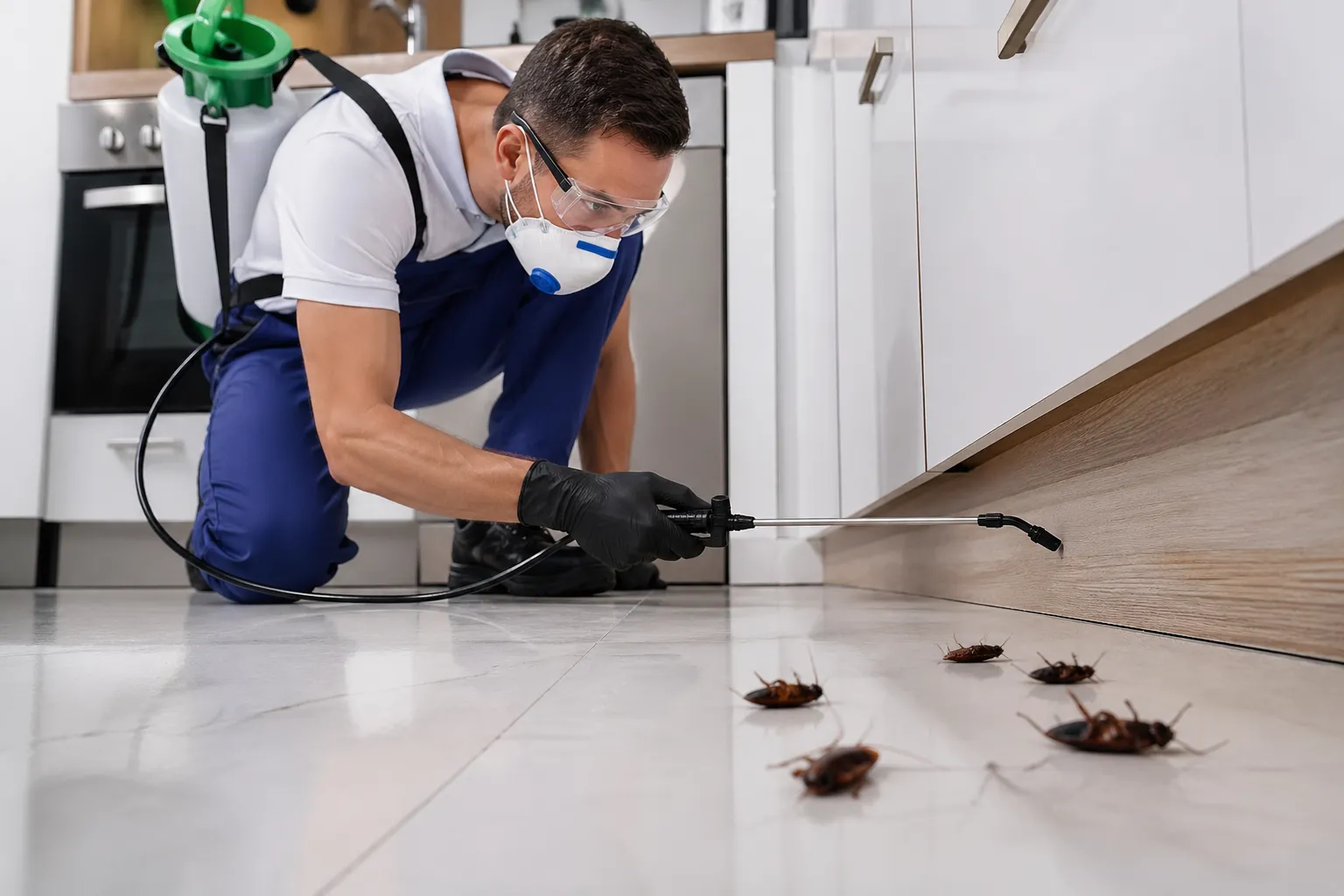
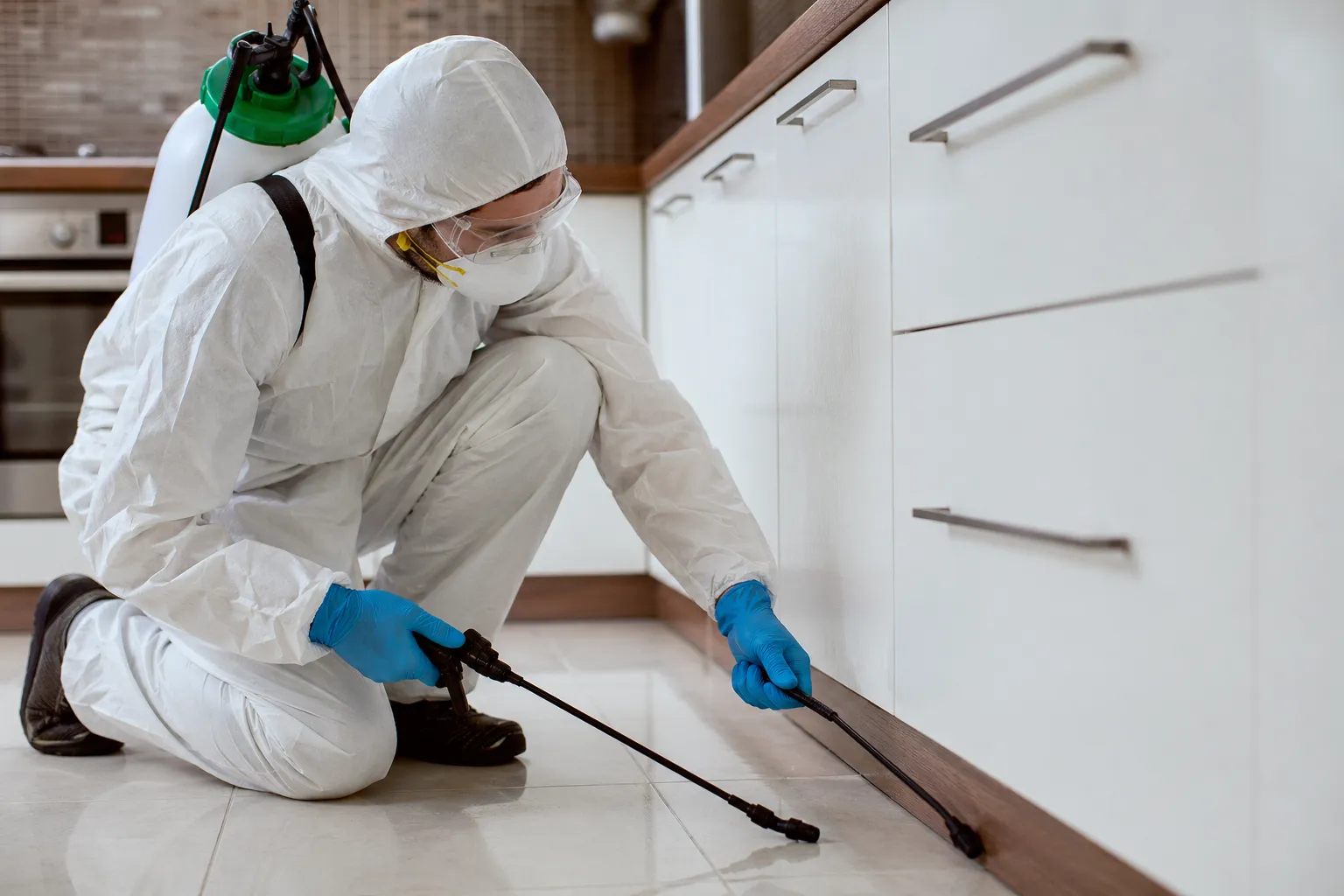
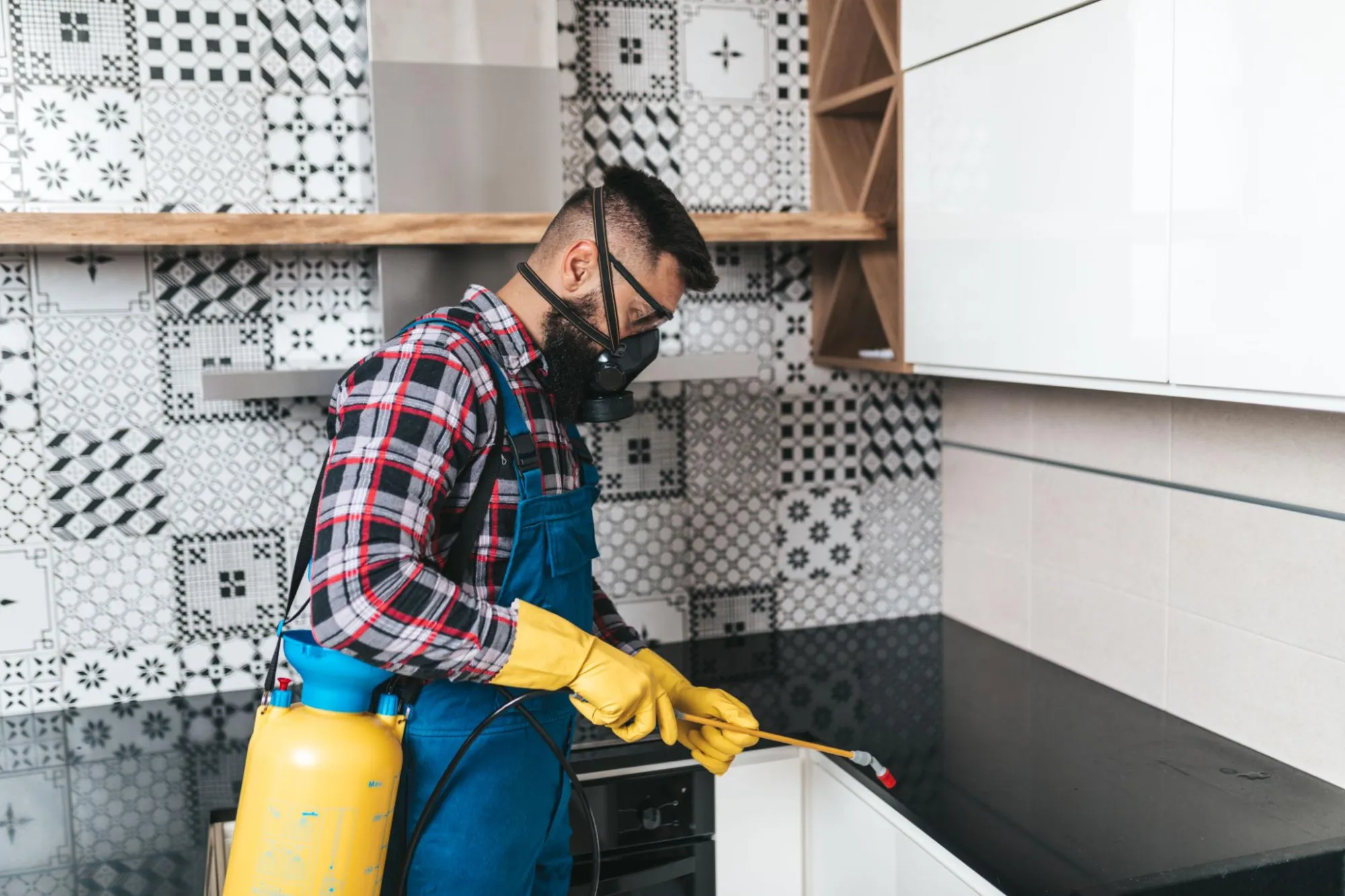
Some flea infestations become too large or persistent for homeowners to handle alone. Professional flea removal services provide targeted treatments that eliminate fleas at every stage, including eggs, larvae, pupae, and adults. Technicians inspect carpets, furniture, pet resting areas, cracks, and hidden spots where fleas thrive. They use safe and effective products that work longer than DIY solutions. Professionals also explain how to maintain a flea-free home through cleaning tips, pet care steps, and outdoor protection methods. In many Canadian cities, flea infestations increase during summer, making expert help extremely valuable. Professional treatments not only remove existing fleas but also create long-term barriers to prevent future infestations.
Long-Term Prevention for Canadian Households
Long-term flea prevention requires consistency. Pets should stay on a regular flea protection schedule recommended by a veterinarian. Homeowners should vacuum floors and carpets weekly, even when there are no fleas, to prevent hidden eggs from developing. Outdoor spaces should stay clean and dry throughout the year. When buying secondhand furniture or rugs, inspecting them before bringing them indoors helps avoid unexpected flea problems. Regular home inspections allow families to catch issues early, especially in provinces where weather changes bring insect activity. Maintaining a clean environment makes flea removal easier and reduces the risk of infestations.
FAQs About Flea Removal
1. Why do fleas return even after cleaning?
Fleas return when eggs or larvae remain hidden in carpets, fabrics, or pets. Complete flea removal requires treating all stages and cleaning consistently.
2. Can fleas live on humans?
Fleas do not live on humans, but they can bite. They prefer animals with fur, such as dogs and cats.
3. How long does flea removal take?
It usually takes several weeks to fully eliminate fleas because eggs and larvae take time to develop. Consistent cleaning speeds up the process.
4. Do fleas survive winter in Canada?
Yes, fleas can survive indoors during winter because warm homes provide ideal conditions.
5. What is the fastest way to remove fleas?
The fastest results come from combining pet treatment, deep cleaning, vacuuming, and professional flea control products.
Brand Mention (once)
For dependable solutions and long-lasting results, many homeowners trust My Pest Exterminator for safe and effective flea removal services.

























Sign in to leave a comment.