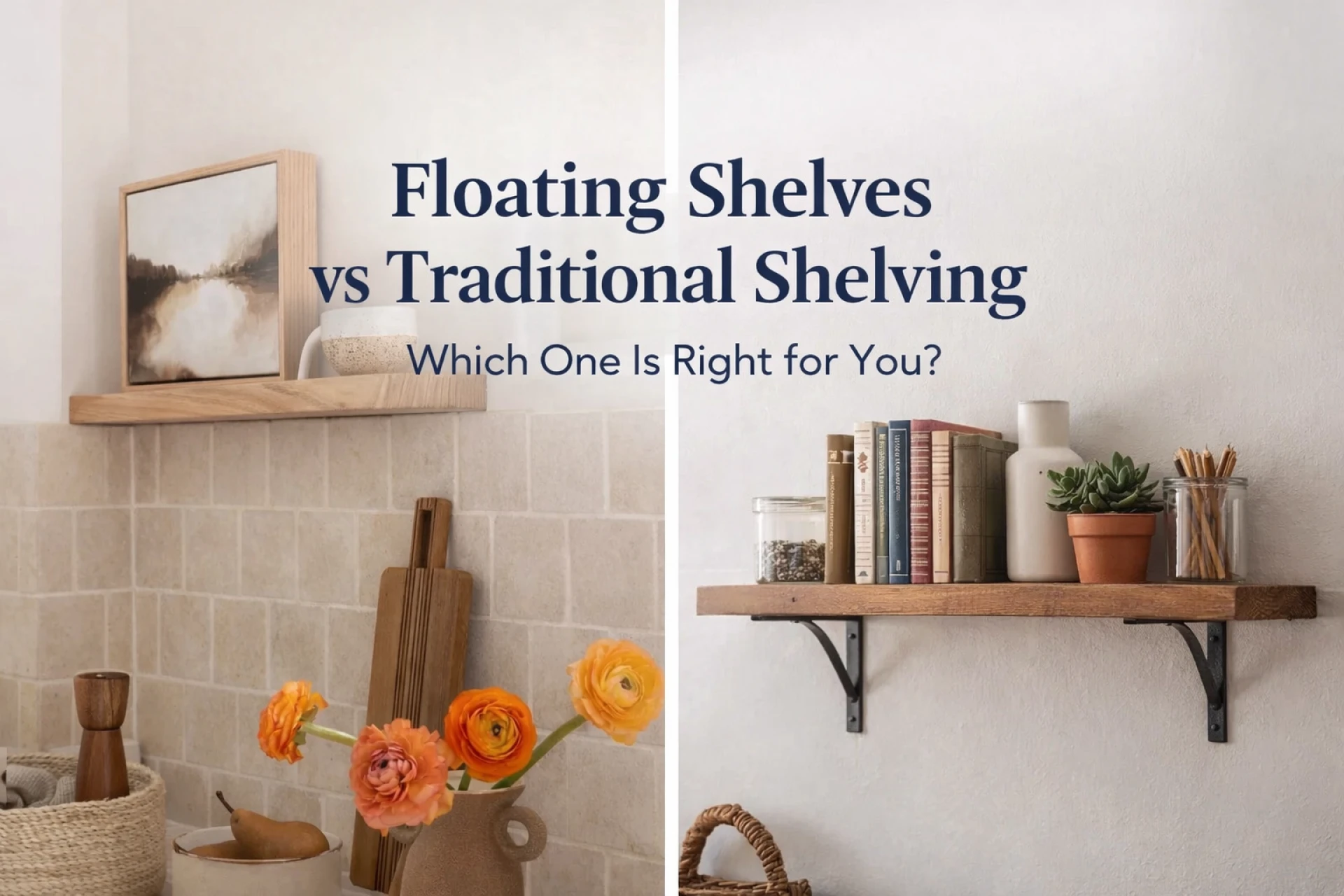
Choosing between floating shelves and traditional shelving can change both the look and function of your space. While both offer storage, they differ in design, strength, installation, and overall impact on a room.
This guide explains the key differences so you can decide what suits your home best.
What Are Floating Shelves?
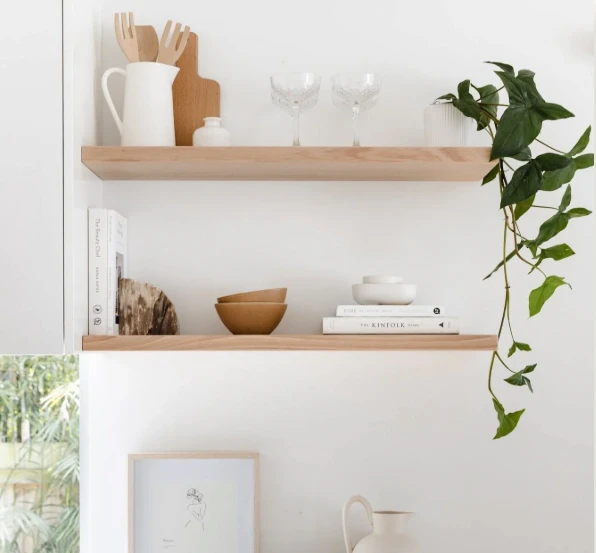
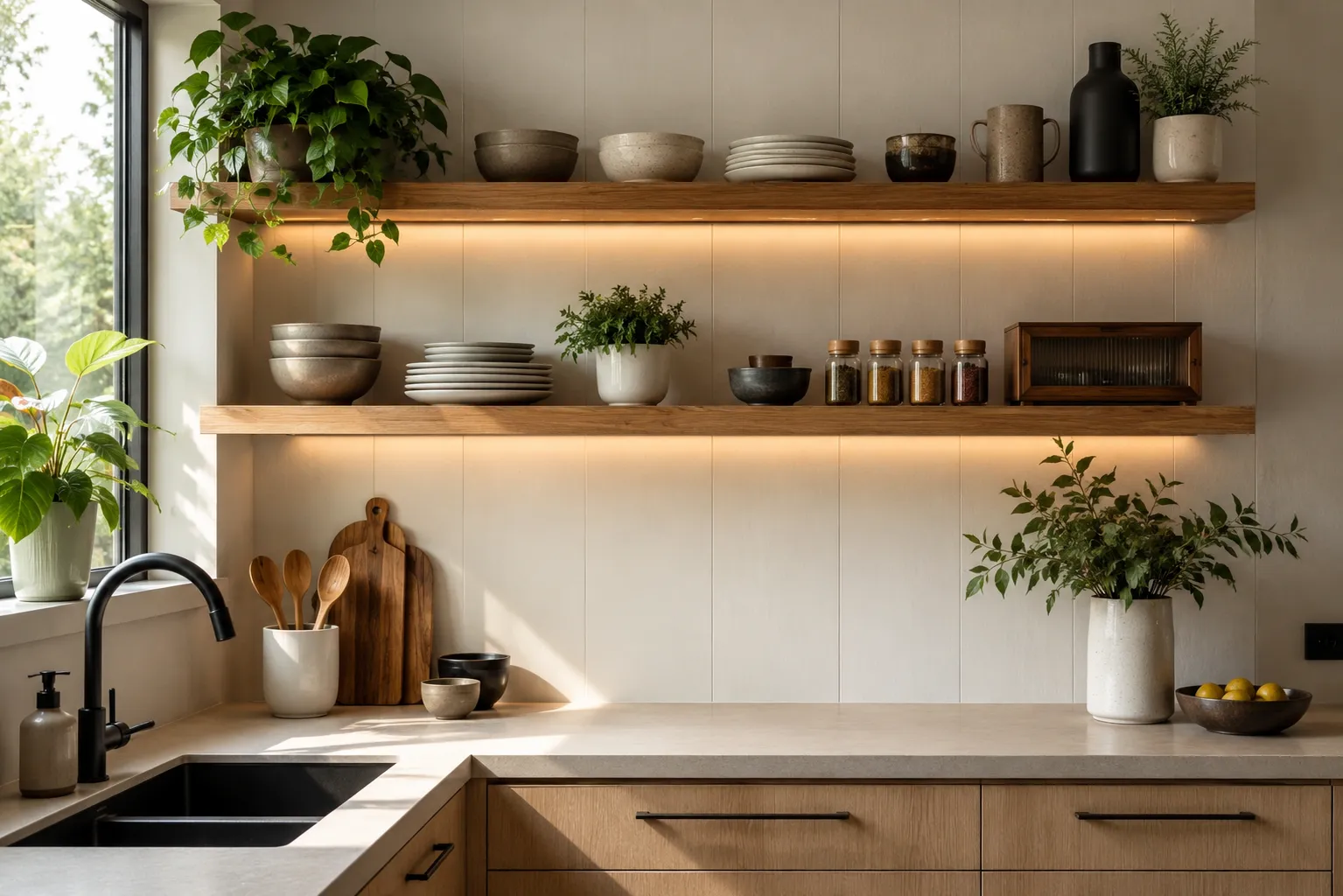
Floating shelves are wall mounted shelves with concealed brackets. The hardware is hidden inside the shelf or within the wall, creating a clean and minimal appearance.
If you are considering high quality options, you can explore premium floating shelves designed for modern Australian homes.
Key Features
- Hidden mounting system
- Clean, modern look
- Space saving design
- Ideal for decorative display
Floating shelves are popular in living rooms, kitchens, bathrooms, and home offices where visual simplicity matters.
What Is Traditional Shelving?
Traditional shelving uses visible brackets, side supports, or full shelving units. This includes freestanding bookcases and wall shelves with exposed supports.
Key Features
- Visible brackets or frames
- Often higher weight capacity
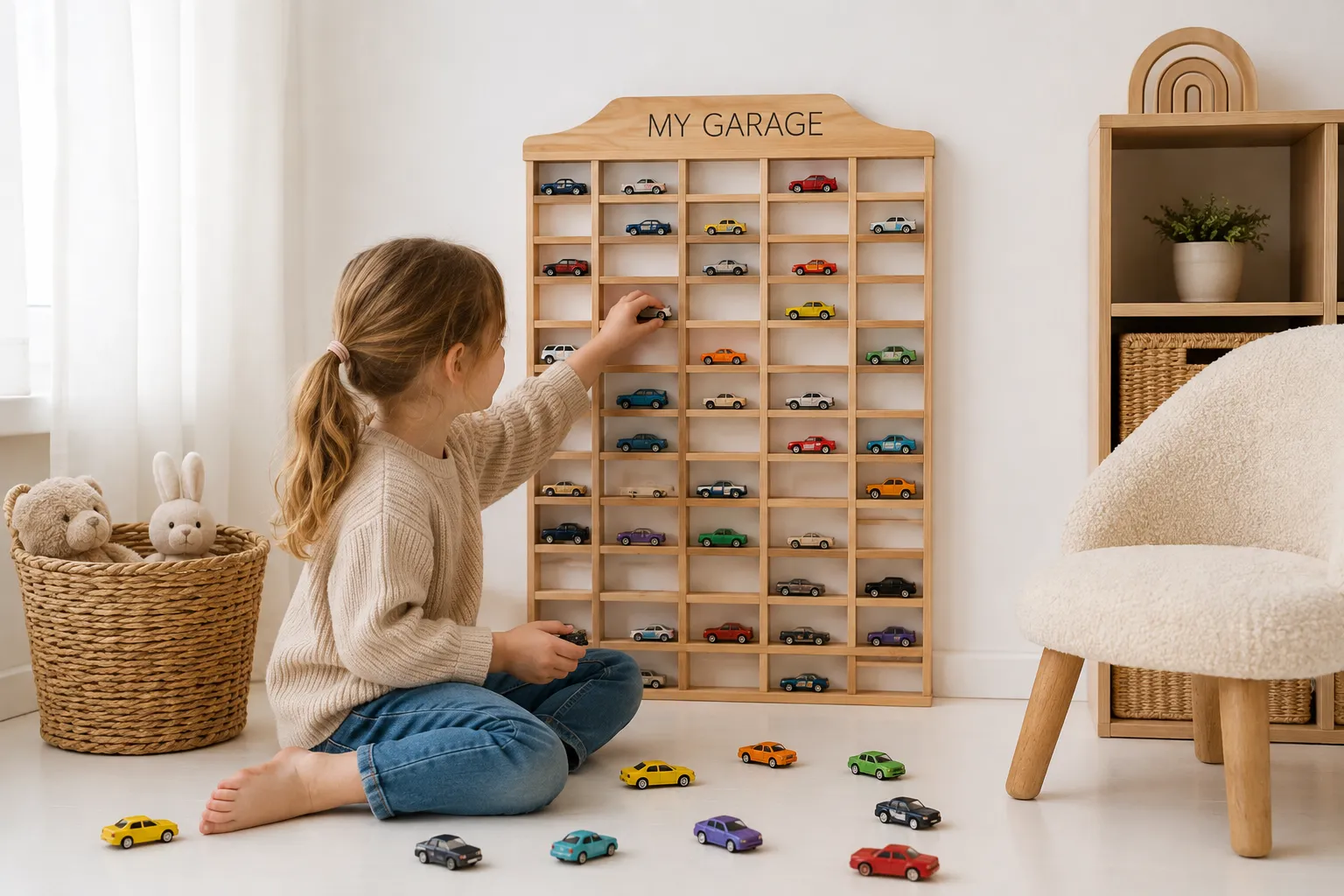
- Available as standalone units
- Suitable for heavy storage
Traditional shelving is common in garages, studies, and storage areas where function is the priority.
Design and Aesthetic Appeal
Floating Shelves
- Minimal and modern
- Create a sense of open space
- Work well in contemporary interiors
- Blend seamlessly into walls
They are ideal for smaller rooms because they do not visually crowd the space.
Traditional Shelving
- More classic or industrial look
- Brackets can add character
- Bulkier appearance
- Better suited to larger spaces
If your home has a heritage or rustic style, traditional shelving may complement it better.
Strength and Weight Capacity
This is one of the biggest deciding factors.
Floating Shelves
Weight capacity depends on:
- Wall type
- Quality of brackets
- Installation method
- Shelf material
When installed into wall studs, solid timber floating shelves can hold significant weight. However, plasterboard with weak anchors will reduce capacity.
Traditional Shelving
Visible brackets and side supports usually distribute weight more effectively. This makes them suitable for:
- Heavy books
- Storage boxes
- Tools
- Large kitchen appliances
For heavy duty storage, traditional shelving is often the safer option.
Installation Differences
Floating Shelves
- Require precise levelling
- Stud location is important
- Hidden hardware makes mistakes more noticeable
- Professional installation may be recommended
Traditional Shelving
- Easier to install
- Brackets can be adjusted
- Less precision required
- Suitable for DIY projects
If you prefer a simple DIY job, traditional shelving may be more forgiving.
Space Efficiency
Floating Shelves
- Ideal for small rooms
- Great for bathrooms and kitchens
- Provide storage without bulk
- Maintain floor space
Traditional Shelving
- Freestanding units take up floor space
- Wall mounted bracket systems can still appear bulky
For apartments or compact homes, floating shelves often work better.
Cost Comparison
Prices vary depending on materials and size.
- Basic floating shelves may cost more due to concealed hardware.
- Traditional bracket shelves are often cheaper for basic setups.
- Custom timber floating shelves can be a premium investment.
Consider long term value rather than just initial cost.
Maintenance and Durability
Floating shelves rely heavily on correct installation. Poor mounting can lead to sagging over time.
Traditional shelving with exposed brackets is easier to reinforce or repair if needed.
Solid timber options in either style will generally outlast MDF or particleboard.
When to Choose Floating Shelves
Floating shelves are ideal if you:
- Want a clean, modern look
- Have limited space
- Are displaying décor rather than storing heavy items
- Prefer a minimal interior style
When to Choose Traditional Shelving
Traditional shelving is better if you:
- Need heavy duty storage
- Plan to store books or tools
- Want easier installation
- Prefer visible brackets as part of the design
Final Thoughts
There is no universal answer. The right choice depends on your storage needs, wall type, interior style, and budget.
If visual appeal and space saving are your priorities, floating shelves are often the better option. If strength and practicality matter more, traditional shelving may suit you better.
Assess how much weight you need to store, where the shelves will be installed, and how you want the room to feel. That clarity will make the decision straightforward.

























Sign in to leave a comment.