
Imagine walking into your basement and stepping into cold, standing water. It's every homeowner's nightmare. A flooded basement can strike without warning, damaging everything from furniture to your home's foundation. Don't panic. Act fast. The first few hours after a flood are critical. Knowing what to do right away can save you thousands of dollars—and your peace of mind.
In this guide, we'll explain the steps to take immediately after your basement floods. From safety to cleanup to calling a water damage restoration service, you'll learn how to protect your home and health.
Stay Safe
Water and electricity are a dangerous mix. Before doing anything, shut off the power to the basement. If you can't reach the circuit box safely, call an electrician.
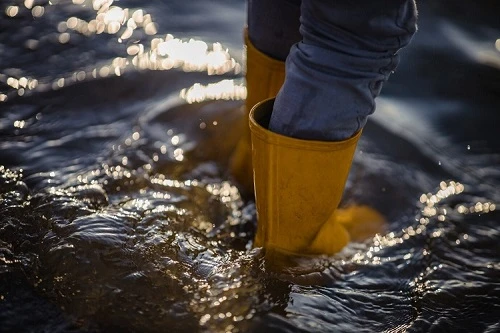
Avoid walking into standing water until you know it's safe. Floodwaters can contain sharp objects, sewage, or even snakes in some areas. Wear waterproof boots and gloves. Use a flashlight instead of candles to avoid any fire hazards.
Identify the Source of Water
Find out where the water is coming from. Is it due to heavy rain? A burst pipe? A sewage backup?
This will help you decide the next course of action. If it's a plumbing issue, turn off the main water valve. Check if the sump pump works if the flooding is from rain or groundwater.
Knowing the cause is the first step toward effective cleanup and calling a water damage restoration service if needed.
Document the Damage
Before you start removing anything, take photos or videos. Document all the damage in detail. This is vital for insurance claims.
Capture:
- Furniture damage
- Wall and floor damage
- Any appliances or personal items affected
Keep receipts for any repairs or purchases you make related to the flood. These will be helpful when you file your insurance claim later.
Call Your Insurance Company
Don't wait. Contact your insurance company as soon as possible. Explain what happened and ask what your policy covers.
They may send an adjuster to assess the damage. Share the photos and videos you took earlier. Ask about the next steps and whether you need a professional water damage restoration service for cleanup.
Remove Water Immediately
The longer water sits, the more damage it causes. Mold can start growing in just 24 to 48 hours.
Start by using:
- A wet/dry vacuum
- A sump pump (if you have one)
- Buckets and mops, if nothing else, are available.
If the flooding is severe, you'll need a water damage restoration service. They have industrial-grade equipment to remove large amounts of water quickly.
Dry Out the Area
Water removal isn't enough. You must dry everything thoroughly.
Open all windows to improve air circulation. Set up fans and dehumidifiers. Remove wet carpets, rugs, and furniture. These can hold moisture and breed mold.
Remember the hidden spots, like under flooring or behind walls. A professional water damage restoration service can use moisture meters to detect unseen dampness.
Clean and Disinfect Everything
Floodwater often carries bacteria and toxins. Even if the water looks clean, don't skip this step.
Scrub all surfaces with soap and water. Then disinfect with a solution of bleach and water (1 cup bleach to 1 gallon of water).
Clean:
- Walls and floors
- Furniture (if salvageable)
- Appliances
- Toys and personal items
If you're unsure, toss it. It's better to be safe than sorry. A water damage restoration service can guide you on what can be saved.
Check for Mold
Mold is sneaky. It can grow behind walls, under floors, or inside furniture.
Watch for:
- Musty smells
- Discoloration on walls or ceilings
- Allergy-like symptoms in family members
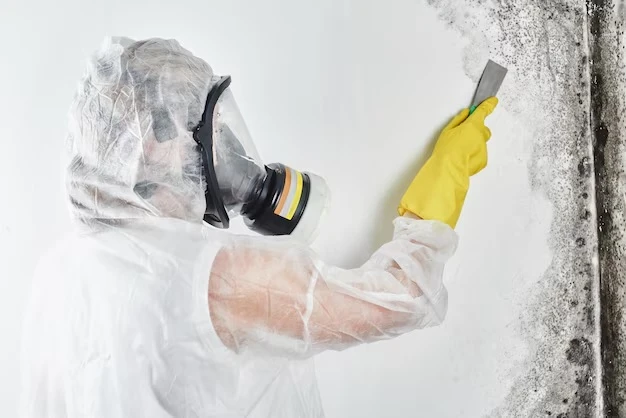
If you find mold, call a water damage restoration service specializing in mold removal. Mold can cause serious health issues and structural damage.
Prevent Future Floods
Once the basement is clean and dry, prevent this from happening again.
Consider these upgrades:
- Install a sump pump with a battery backup
- Seal basement walls and floors
- Clean gutters and downspouts regularly
- Grade your yard to slope away from the house.
Some water damage restoration service providers also offer waterproofing solutions. Investing now can save you major headaches later.
Call a Water Damage Professional
Even if the flooding seems minor, it's best to call a water damage restoration service.
Why?
- They check for hidden moisture.
- They use industrial tools for faster drying.
- They help prevent mold.
- They can assist with insurance paperwork.
Trying to DIY everything can lead to missed damage and future problems. Professionals ensure your basement is genuinely safe and dry.
Conclusion
A flooded basement is overwhelming, but acting quickly makes all the difference. Start with safety. Then stop the water, document the damage, and call your insurer. Remove the water, dry the space, and disinfect everything. Watch for mold and take steps to prevent another flood. Most importantly, don't hesitate to call a water damage restoration service. They bring the tools, expertise, and peace of mind you need.































Sign in to leave a comment.