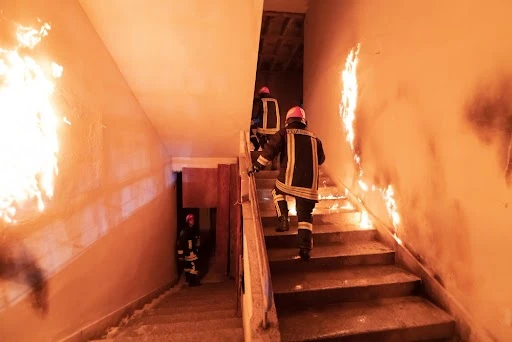

Experiencing a fire can be overwhelming, and often, the visible damage is just the beginning of the challenges ahead. Fire damage restoration is a specialized process that extends beyond repairing burnt surfaces. It involves a detailed review, thorough cleaning, and rebuilding to ensure safety and restore your home or business.
For property owners across the USA, identifying the signs that indicate the need to hire a professional fire damage restoration service is crucial for prompt and effective recovery. This blog underlines key visible and hidden signs of fire damage and explains why fast professional assistance is vital.
Visible Signs of Fire Damage You Shouldn’t Ignore
The most apparent signs are the first indicators that your property requires a fire damage restoration service. Look for:
- Burnt or Charred Surfaces: Blackened walls, ceilings, or floors are clear signs that the fire has caused substantial damage that needs repairing.
- Soot Residue: Even if fire didn’t directly touch an area, smoke leaves behind a fine layer of soot that stains surfaces and textiles.
- Discoloration and Staining: Yellow or brown stains on walls, ceilings, or fixtures result from smoke and airborne soot penetrating materials.
- Warped or Cracked Materials: Heat can warp wood, metal, or plastic. Thus, causing doors, windows, or flooring to bend or crack.
- Damaged Appliances and Fixtures: Kitchen appliances, lighting, or wiring exposed to intense heat may malfunction and pose safety risks.
Ignoring these signs can lead to deteriorating damage and costly repairs later, so prompt action is vital.
Hidden Fire Damage: The Silent Threat
Not all fire damage is visible. Many properties suffer from hidden internal damage demanding professional review:
- Lingering Smoke Odors: Persistent smoky smells indicate embedded soot and chemical residues trapped inside walls, carpets, or HVAC systems.
- Smoke Residue Inside Walls: Smoke particles infiltrate porous materials. They include drywall, insulation, and upholstery, causing long-term corrosion or health risks.
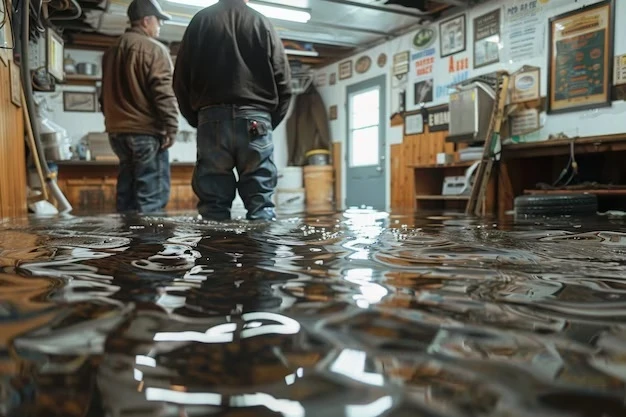
- Water Damage From Firefighting: Water used to extinguish flames causes moisture accumulation. Thus, it promotes mold growth, wood rot, and structural decay.
- Electrical System Damage: Heat and water can damage wiring inside walls, increasing fire risk or electrical failures.
- Compromised Structural Elements: Heat weakens framing, beams, and load-bearing walls that may look intact but are unsafe.
Professional fire damage restoration service providers use advanced technologies like moisture meters and infrared cameras to detect these unseen issues.
Health Risks Associated With Fire Damage
Smoke residues contain formaldehyde, benzene, and carbon monoxide that linger long after fires are extinguished. These toxic substances pose risks like:
- Respiratory problems
- Eye and throat irritation
- Allergic reactions
- Long-term exposure hazards
Fire damage restoration specialists apply meticulous cleaning and air filtration techniques. They eliminate these dangers and revive a healthy living environment.
Why Professional Fire Damage Restoration Is Crucial?
Fixing a fire-damaged property involves more than cleaning surfaces—it’s about:
- Safely removing soot, smoke residues, and water
- Repairing or replacing compromised structural elements
- Restoring electrical, plumbing, and HVAC systems
- Assisting with insurance claims documentation
- Preventing future mold and mildew infestations
Trained restoration experts bring equipment and expertise to ensure your home or business is restored safely and to code.
When to Call Fire Damage Restoration Professionals?
Reach out instantly if you see:
- Structural instability or sagging ceilings
- Persistent smoke or chemical odors
- Electrical or plumbing issues post-fire
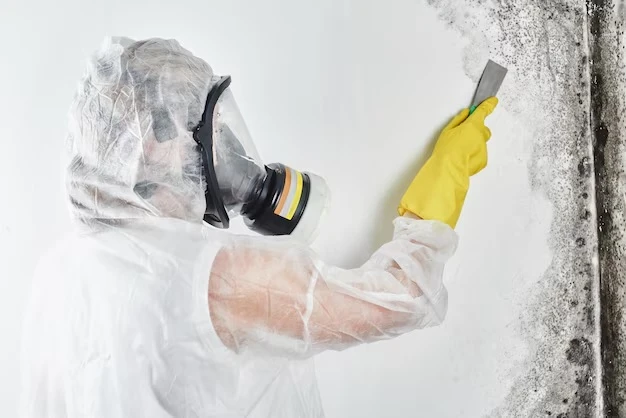
- Mold growth linked to firefighting moisture
- Extensive soot deposits beyond surface cleaning capability
Early intervention reduces losses, prevents secondary damage, and promotes smoother recovery.
Fire Damage Restoration Process: What to Expect?
A professional team providing fire damage restoration service follows these stages:
- Inspection and Damage Review: Comprehensive assessment to understand fire, smoke, and water damage levels.
- Secure and Board Up: Protecting the property from further damage or intrusion.
- Water Removal and Drying: Dehumidification and moisture control to combat water damage.
- Soot and Smoke Removal: Specialized cleaning of affected surfaces, adsorbing odors and residues.
- Repairs and Reconstruction: Fixing structural issues, replacing drywall, flooring, and restoring aesthetics.
- Final Inspection: Ensuring safety and habitability before property handover.
How Fire Damage Restoration Supports Your Insurance Claim?
Documenting damage thoroughly and communicating clearly with insurers are key aspects of restoration. Many companies assist homeowners in capturing photographic evidence, providing detailed reports, and estimating repair costs, helping secure fair and timely insurance settlements.
Tips to Prevent Future Fire Damage
Alongside restoration, professionals can recommend:
- Installing smoke detectors and fire sprinklers
- Maintaining electrical systems and safe wiring
- Removing fire hazards like excessive clutter or flammable materials
- Creating an evacuation plan for household safety
Prevention keeps your property and family safer post-restoration.
Conclusion:
Fire damage impacts more than surfaces—it threatens health, safety, and property value. Identifying visible and hidden signs early, engaging certified restoration experts promptly, and following professional recovery plans ensure your home or business regains its strength and comfort.
If you notice discoloration, odor, structural shifts, or water damage after a fire, do not wait. Call United Water Restoration, a trusted fire damage restoration service provider as soon as possible to protect your investment and well-being.




























Sign in to leave a comment.