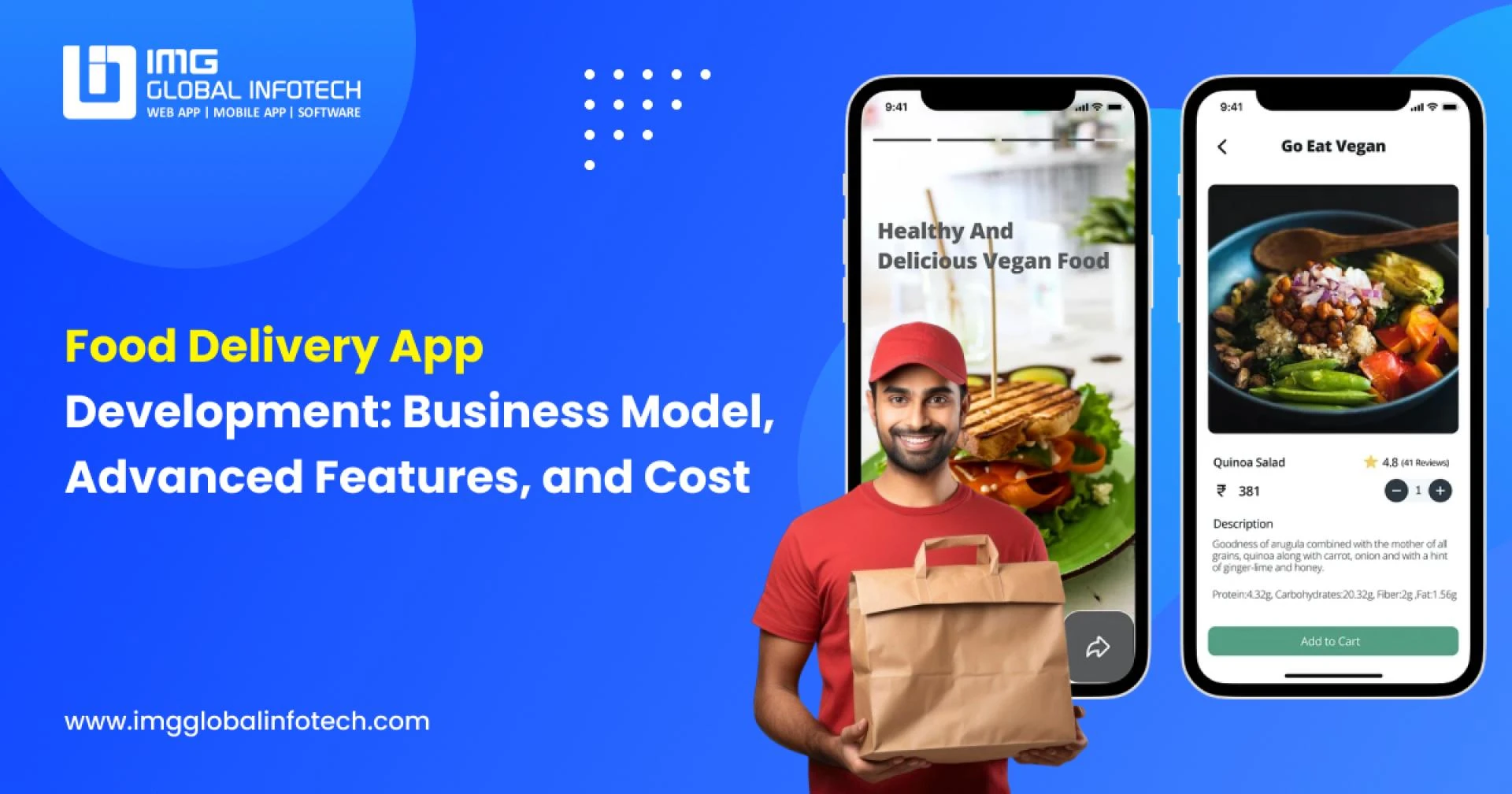

In the era of digital convenience, food delivery apps have become a part of our daily routine. With just a few taps, you can order your favorite meal and have it delivered to your doorstep within minutes. From busy professionals to students and families, these apps cater to everyone who values convenience, speed, and variety. As of 2025, the food delivery app market continues to soar, with businesses worldwide exploring innovative models and technologies to meet consumer expectations.
If you’re an entrepreneur or restaurant owner planning to enter this thriving sector, understanding the business model, advanced features, and cost structure of food delivery app development is crucial. Let’s explore what makes these apps successful and how to build one that stands out in a highly competitive market.
I. The Growth of the Food Delivery App Market
The global food delivery industry has experienced exponential growth, fueled by the rise of smartphones, improved logistics, and changing consumer lifestyles. According to Statista, the online food delivery market is projected to reach over $1 trillion by 2030. In India alone, giants like Zomato and Swiggy have transformed dining habits, empowering customers with a seamless ordering experience.
What makes this market so attractive is its diversity ranging from single-restaurant apps to multi-vendor platforms and cloud kitchen integrations. Even small eateries and startups now see mobile apps as essential tools for brand visibility and customer retention.
II. Core Business Models for Food Delivery Apps
Before starting development, it’s important to choose the right business model. Your choice determines the technical framework, target audience, and revenue potential of your app. Here are the most common models used today:
1. Order-Only Model
This model connects customers directly with restaurants. The platform facilitates the order process but doesn’t handle deliveries. The restaurant manages logistics independently.
- Pros: Low operational cost and simpler logistics.
- Cons: Limited control over delivery experience.
- Examples: Zomato (in its early stage), JustEat.
2. Order and Delivery Model
Here, the app manages both restaurant listings and delivery. It provides riders, manages logistics, and ensures timely delivery.
- Pros: Better customer experience and control over delivery speed.
- Cons: Requires investment in delivery fleet and real-time tracking systems.
- Examples: Swiggy, DoorDash.
3. Fully Integrated Model
This approach covers everything from food preparation to delivery. Often adopted by cloud kitchens or franchise restaurants, it ensures total quality control.
- Pros: Full ownership and consistent quality.
- Cons: High initial setup and operational costs.
- Examples: Domino’s, Rebel Foods.
4. Subscription-Based Model
A recurring subscription gives customers exclusive benefits like free delivery, discounts, or priority orders.
- Pros: Predictable revenue and strong customer loyalty.
- Cons: Requires constant feature updates and engagement strategies.
III. Key Components of a Food Delivery App
A successful app ecosystem includes multiple panels to streamline operations between customers, restaurants, and delivery partners.
A. Customer App
- Registration and profile setup
- Restaurant listings and filters
- Menu display with real-time prices
- Cart, checkout, and multiple payment methods
- Live order tracking and reviews
B. Restaurant App
- Menu and price management
- Order notifications
- Inventory tracking
- Analytics dashboard
C. Delivery Partner App
- Route optimization and GPS navigation
- Order acceptance and status updates
- Earnings summary and performance metrics
D. Admin Dashboard
- Centralized monitoring of orders and deliveries
- Restaurant onboarding management
- Customer support tools
- Real-time analytics and reports
Each module contributes to a smooth user experience and efficient backend management, ensuring both satisfaction and scalability.
IV. Advanced Features for a Competitive Edge
Modern consumers expect more than just ordering and tracking. Advanced features enhance usability and create long-term engagement. Let’s look at some of the most effective ones:
1. Artificial Intelligence (AI) Integration
AI enables smart recommendations based on user behavior, order history, and time of day. Predictive analytics help suggest meals users are likely to order, improving conversion rates.
2. Real-Time GPS Tracking
This feature enhances transparency by showing live delivery progress and estimated arrival times, helping build trust and reliability.
3. Chatbots and Voice Ordering
Integrating AI chatbots or voice assistants simplifies ordering through conversational commands, making the process faster and more intuitive.
4. Loyalty and Rewards Programs
Gamified rewards like points, cashback, and discounts encourage repeat purchases and customer retention.
5. Multiple Payment Gateways
Offering options like credit cards, UPI, e-wallets, and net banking enhances user convenience and ensures secure transactions.
6. Order Scheduling
Users can pre-order meals for a specific time, ideal for events or corporate lunch planning.
7. Push Notifications
Timely updates on offers, order status, and promotions boost engagement and sales.
8. Social Media Integration
Users can share food photos, reviews, or referral codes directly via social media platforms, increasing visibility.
9. AR-Based Menu Visualization
Augmented Reality allows customers to view 3D models of dishes before placing an order, making the experience interactive and appealing.
10. Advanced Analytics
Admin dashboards powered by data analytics provide valuable insights on customer preferences, sales trends, and performance metrics.
V. Step-by-Step Food Delivery App Development Process
Building a food delivery app involves strategic planning and expert execution. Below are the key steps in the development journey:
- Market Research and Strategy: Identify your niche, competitors, and target audience.
- Choose a Business Model: Select the most suitable one for your goals.
- UI/UX Design: Focus on an intuitive interface that enhances usability.
- Backend and Frontend Development: Use robust frameworks to ensure scalability.
- API Integration: Connect payment gateways, maps, and chat systems.
- Testing and Quality Assurance: Eliminate bugs, optimize performance, and test for cross-platform compatibility.
- Launch and Marketing: Deploy your app on Google Play and App Store with strong marketing strategies.
- Post-Launch Maintenance: Regularly update your app with new features and security improvements.
If you are seeking professional help, consider partnering with a company specializing in food delivery app development services. These experts understand how to create secure, high-performing apps that align with your business objectives and market trends.
VI. Tech Stack for Food Delivery App Development
The technology stack forms the foundation of your app’s performance and scalability.
- Frontend: Flutter, React Native, Swift (for iOS), Kotlin (for Android)
- Backend: Node.js, Laravel, Django
- Database: MongoDB, Firebase, MySQL
- Cloud Hosting: AWS, Google Cloud, Azure
- APIs: Google Maps, Twilio, Stripe/PayPal for payments
For businesses targeting a vast user base, leveraging android development services ensures seamless performance and compatibility across various devices.
VII. Cost of Food Delivery App Development
The cost of building a food delivery app depends on multiple factors, including complexity, features, and development team location.
1. Factors Influencing Cost
- App design and customization level
- Number of features and integrations
- Platform choice (Android, iOS, or both)
- Developer expertise and hourly rates
- Backend infrastructure and cloud hosting costs
2. Estimated Development Cost
- Basic App (MVP): $10,000 – $25,000
- Medium Complexity App: $25,000 – $50,000
- Advanced App with AI & Analytics: $50,000 – $100,000+
Outsourcing development to experienced professionals can reduce costs while maintaining high quality.
VIII. Revenue Generation Models
Once your app is live, various monetization methods can ensure consistent revenue:
- Commission per Order: Charge restaurants a percentage of each transaction.
- Delivery Charges: Customers pay a fee based on distance and order size.
- Featured Listings: Restaurants pay for premium visibility.
- Subscription Models: Offer users monthly benefits for a fixed fee.
- In-App Advertising: Generate income through sponsored ads and banners.
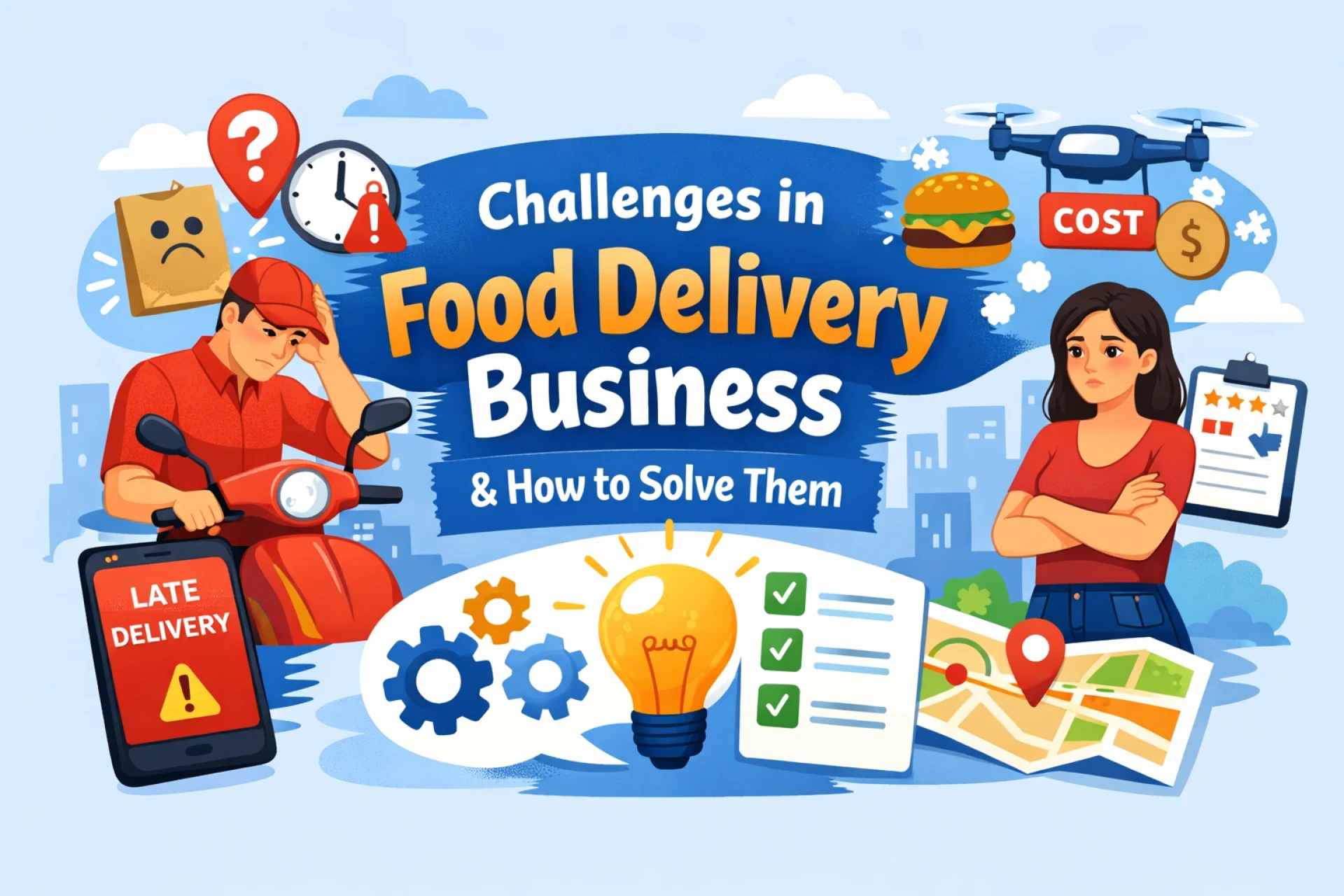
IX. Challenges in Food Delivery App Development
While profitable, building a food delivery app also comes with challenges:
- Maintaining real-time order accuracy and timely deliveries.
- Managing high server loads during peak hours.
- Retaining customers amid growing competition.
- Handling refunds, disputes, and failed transactions efficiently.
Addressing these challenges through robust technology and customer-centric design ensures a smooth, reliable experience.
X. Future Trends in Food Delivery Apps
The future of food delivery is shaped by innovation. Here’s what’s next:
- Drone Deliveries: Fast and eco-friendly delivery methods.
- Predictive Ordering: AI-based systems that predict meal preferences.
- Sustainability Focus: Eco-friendly packaging and zero-waste initiatives.
- Hyperlocal Delivery: Neighborhood-level services for quicker fulfillment.
XI. Conclusion
The food delivery app market offers immense potential for entrepreneurs and established restaurant chains alike. Success in this field depends on delivering exceptional user experiences, adopting the right technology, and constantly innovating. From business model selection to advanced feature integration, every step in the development process plays a critical role in long-term growth.
Whether you’re building a simple MVP or a high-end platform with AI and analytics, investing in the right development partner is key. With the growing demand for online convenience, there’s never been a better time to create your food delivery app and serve customers the way they want fast, personalized, and seamless.
























Sign in to leave a comment.