Forensic Animators specialize in creating evidence-based visualizations for legal cases, while general motion studios focus primarily on marketing, entertainment, and creative content. In courtroom settings, forensic animators work directly with attorneys, expert witnesses, accident reconstructionists, engineers, and medical professionals to ensure visual presentations are accurate, defensible, and admissible. This distinction can significantly impact how evidence is understood by judges and juries.
What Are Forensic Animators?
Forensic Animators are visualization specialists who transform complex evidence into clear and accurate animations for litigation. Their work is commonly used in:
- Personal injury cases
- Vehicle accident reconstruction
- Medical malpractice claims
- Product liability litigation
- Construction accidents
- Wrongful death lawsuits
Unlike traditional animation studios, forensic animators build every visual element from documented evidence, expert testimony, medical records, photographs, measurements, and scientific data.
Their primary objective is accuracy—not entertainment.
What Are General Motion Studios?
General motion studios create visual content for advertising, branding, social media campaigns, television, film, and corporate communications. Their expertise often includes:
- Motion graphics
- Commercial animation
- Brand storytelling
- Product demonstrations
- Marketing videos
While these studios may produce visually impressive work, they typically lack experience with legal standards, evidentiary requirements, and expert witness collaboration.
Why the Difference Matters in Court
Evidence Must Be Accurate
Courtroom visuals are scrutinized by opposing counsel, judges, and expert witnesses. A forensic animation must accurately represent the facts of a case.
Forensic Animators rely on:
- Accident reconstruction data
- Medical imaging
- Engineering reports
- Witness statements
- Expert analysis
General motion studios may prioritize visual appeal over evidentiary accuracy, creating potential challenges during litigation.
Legal Standards Require Specialized Knowledge
Courtroom exhibits often face admissibility reviews. Forensic Animators understand the documentation and validation processes needed to support legal presentations.
This specialized knowledge helps ensure animations align with case facts and expert testimony.
Collaboration With Subject-Matter Experts
Forensic Animators routinely work alongside:
- Neurologists
- Surgeons
- Engineers
- Accident reconstruction experts
- Human factors specialists
- Attorneys
This collaborative process ensures every animation reflects verified evidence rather than creative interpretation.
Key Entities Associated With Forensic Animation
Understanding the ecosystem surrounding forensic animation helps explain its value in litigation.
Attorneys
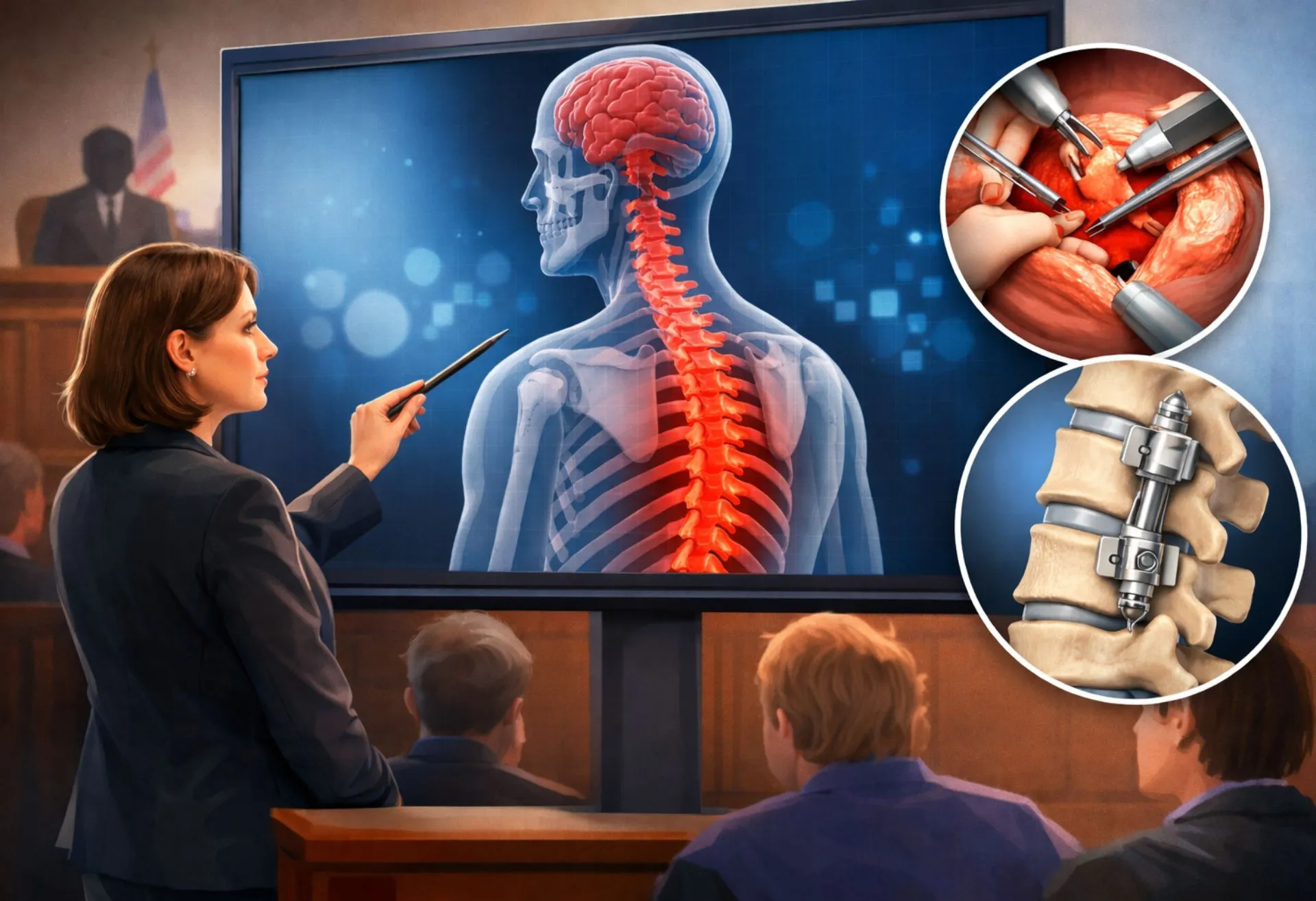
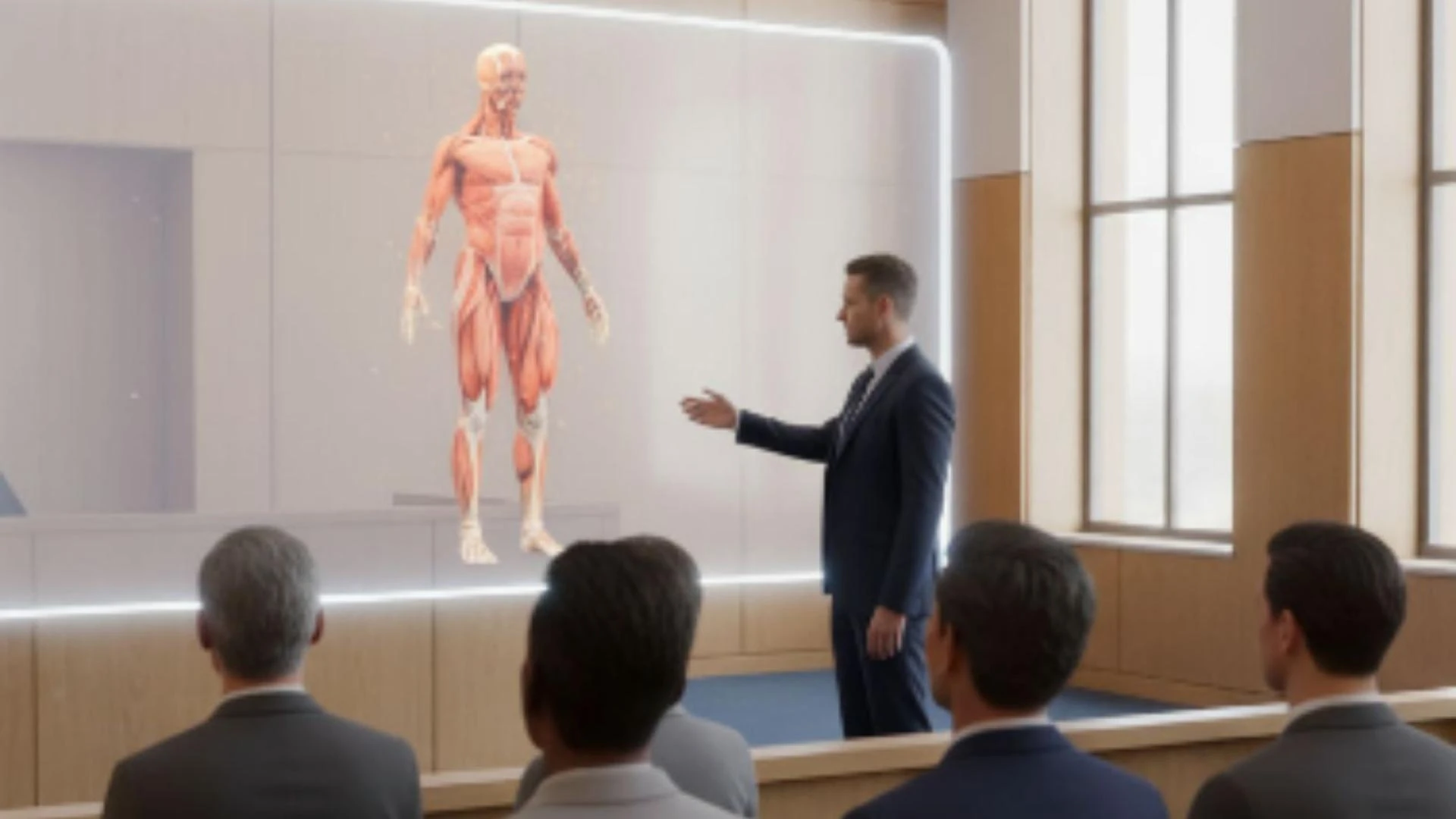
Legal teams use forensic animations to simplify complex evidence and strengthen courtroom presentations.
Expert Witnesses
Expert witnesses provide the scientific and technical foundation that supports forensic animations.
Medical Illustrators
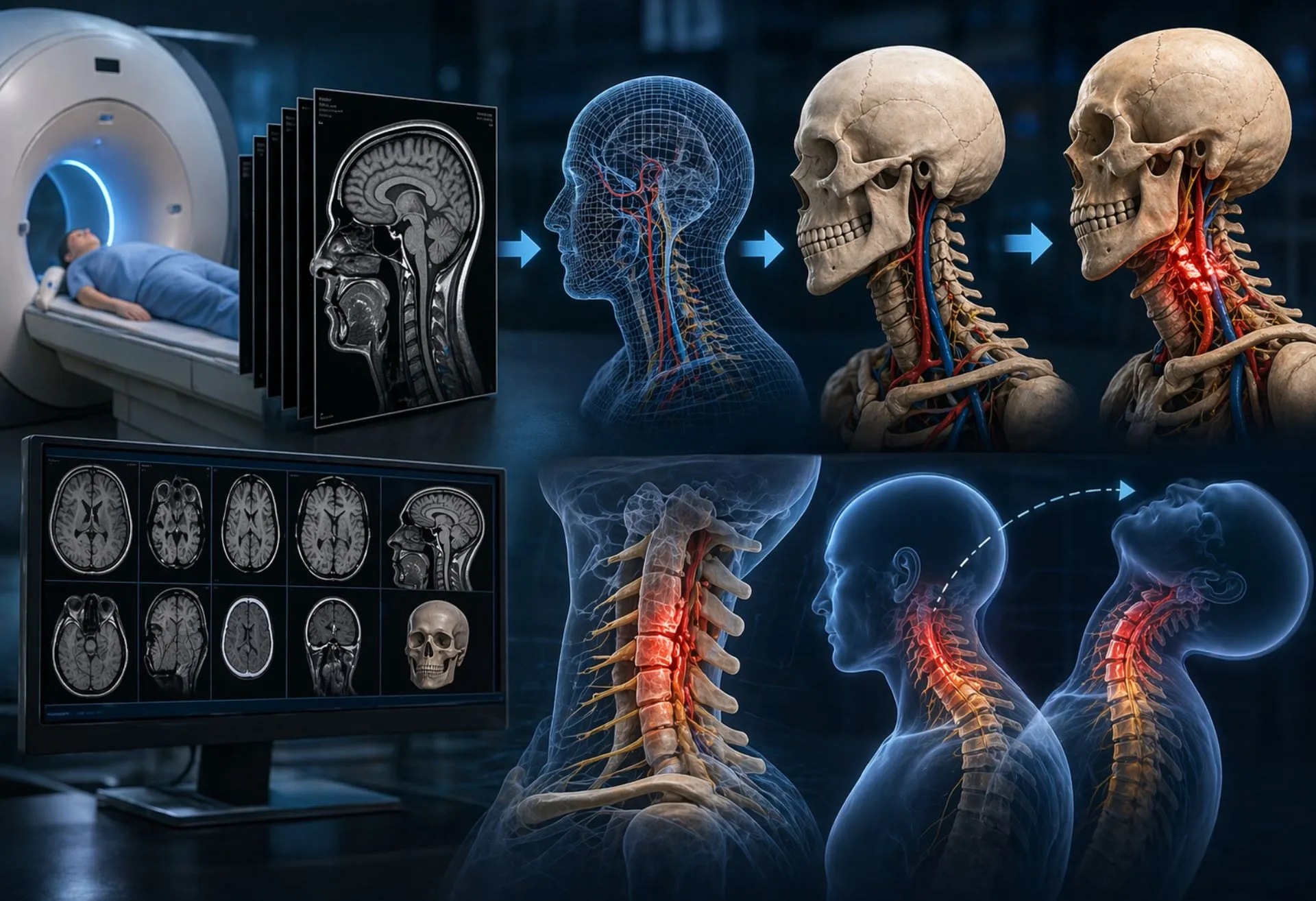
Medical illustrators often assist in visualizing injuries, surgical procedures, and traumatic brain injuries.
Accident Reconstructionists
These specialists provide data used to recreate vehicle collisions, workplace incidents, and other accident scenarios.
Why Law Firms Choose Specialized Forensic Animators
A professionally developed forensic animation can help jurors understand complicated evidence faster than written reports alone.
Benefits include:
- Improved juror comprehension
- Clear visualization of events
- Stronger expert testimony support
- Better communication of technical evidence
- Enhanced courtroom engagement
Firms such as Trial Graphics 360 focus specifically on litigation graphics, forensic animation, accident reconstruction visuals, and medical demonstratives designed for courtroom use.
Conclusion
When courtroom outcomes depend on how evidence is presented, choosing between Forensic Animators and general motion studios is not simply a creative decision. Forensic Animators bring legal experience, scientific accuracy, expert collaboration, and litigation-focused methodologies that help transform complex evidence into clear and persuasive visual presentations. For cases involving technical or medical evidence, specialized forensic animation provides a level of credibility and precision that general motion studios are rarely equipped to deliver.
Frequently Asked Questions
1.What is the difference between forensic animators and traditional animators?
Forensic Animators create evidence-based legal visualizations, while traditional animators typically create entertainment or marketing content.
2. Are forensic animations admissible in court?
Admissibility depends on jurisdiction, methodology, and evidentiary support. Properly developed forensic animations are commonly used to assist expert testimony.
3. Who uses forensic animation?
Attorneys, insurance professionals, accident reconstruction experts, medical experts, and litigation consultants frequently use forensic animation.
4. Can forensic animation improve jury understanding?
Yes. Visual presentations often help jurors understand complex medical, engineering, and accident-related evidence more effectively.





























Sign in to leave a comment.