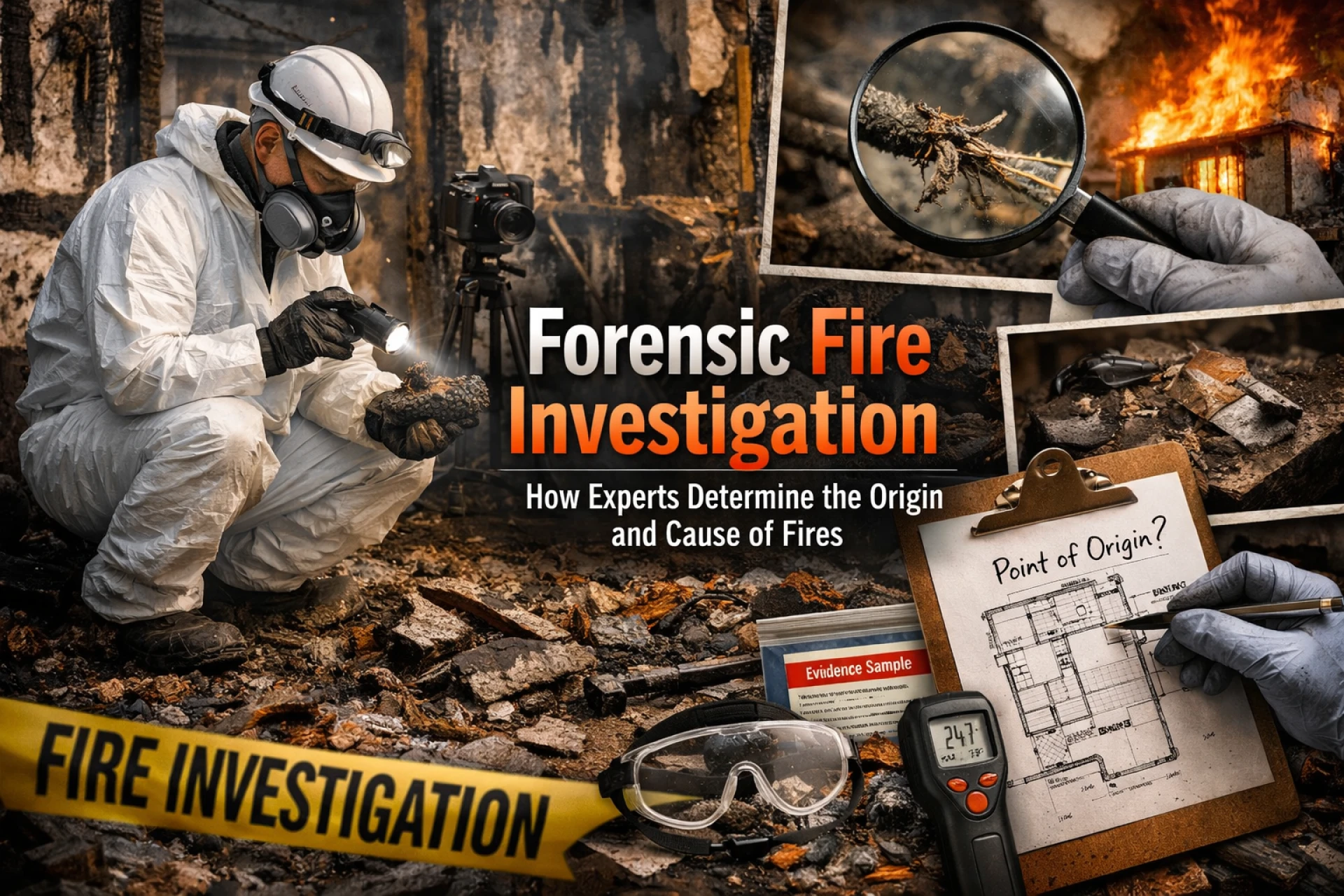
When a fire causes significant property damage, disrupts business operations, or results in injury, one critical question follows: how did it start? Determining the origin and cause of a fire requires far more than a visual inspection. Forensic fire investigation applies scientific methodology, engineering principles, and evidence-based analysis to uncover exactly what happened.
For property owners, insurers, and legal professionals, understanding the fire cause investigation process provides clarity, supports sound decision-making, and helps reduce future risk.
The Fundamentals of Forensic Fire Investigation.
Forensic fire investigation is a structured, scientific process used to determine where a fire originated and what caused it. Unlike routine safety inspections, these investigations rely on physical evidence, laboratory testing, fire dynamics, and validated investigative standards.
Investigators analyze burn patterns, heat damage, material behavior, electrical systems, and structural conditions to reconstruct the fire event. Their findings are compiled into detailed technical reports that can support insurance claims, litigation, regulatory compliance, and internal risk assessments.
Significance of Fire Cause Investigation.
Professional fire cause investigation plays a pivotal role in determining liability and financial responsibility. Establishing whether a fire was accidental, natural, mechanical, or intentional directly impacts insurance claim validation, subrogation opportunities, civil litigation outcomes, and regulatory code & compliance matters.
Insurance carriers depend on technical findings to evaluate coverage and recovery options. Attorneys rely on expert analysis to support or defend claims involving property loss, injury, or wrongful death. Proper safety practices are also enhanced by proper fire investigation services. Beyond legal implications, investigations often uncover system failures, procedural gaps, or structural weaknesses, insights that strengthen future fire prevention strategies.
How Experts Determine the Cause of a fire.
Finding the source of the fire is one of the initial goals during forensic fire investigation. The investigators will start by determining a general pattern of damage and following the movement of the fire through the structure. Patterns of heat and smoke, the depth of char and damage caused by the fire are all good leads as to how the fire advanced.
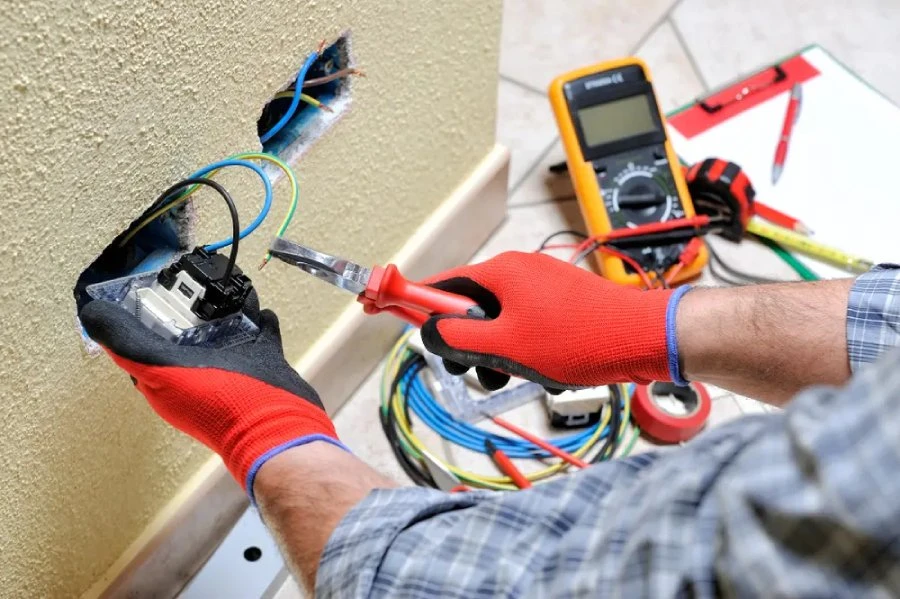
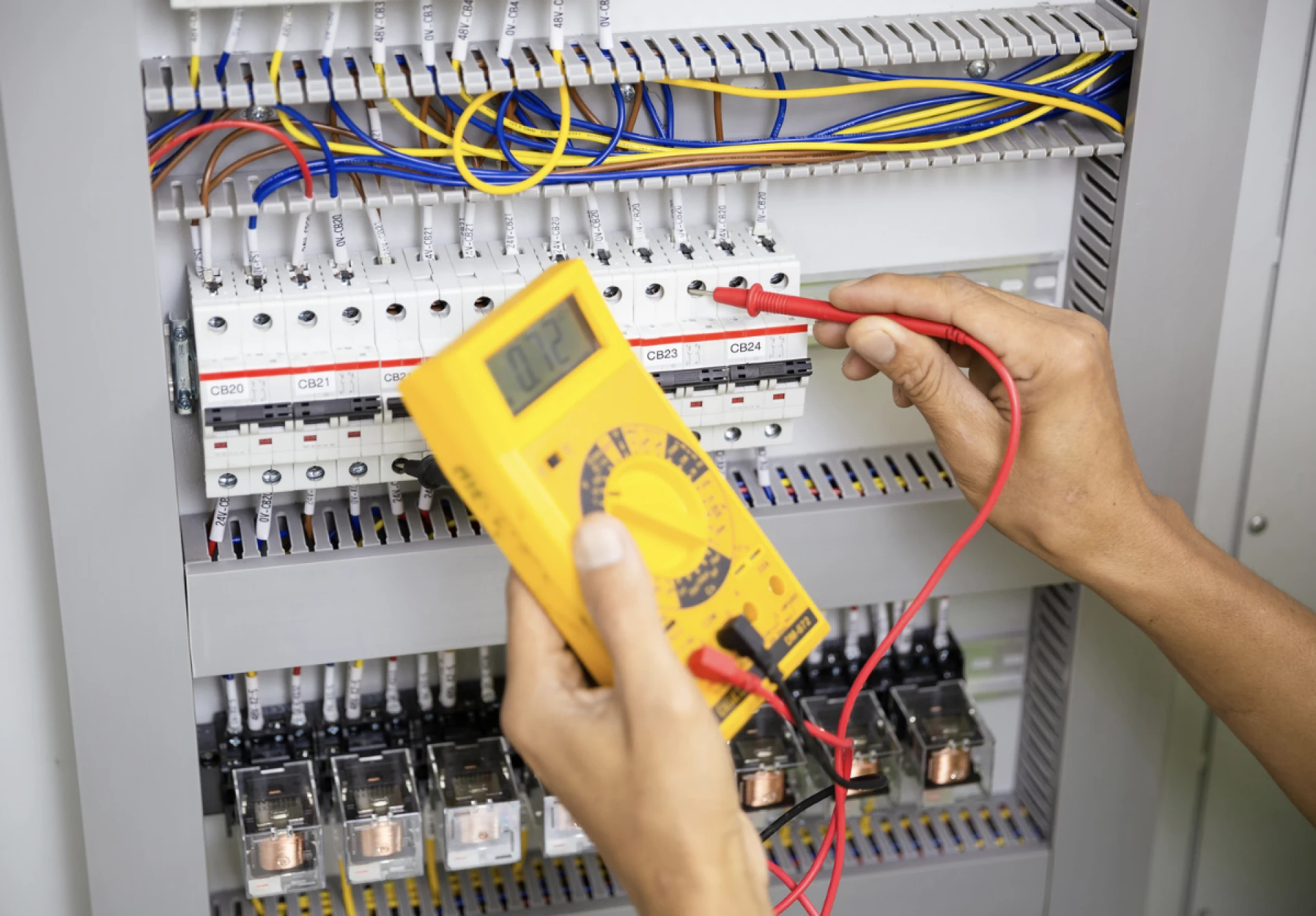
Electrical systems are also scrutinized keenly because electrical faults are a common cause of fire. When the availability of the latter exists, investigators also examine alarm system logs, sprinkler system activation logs, and surveillance footage. Physical evidence, together with documentation of the scene, helps the experts find where the fire originated.
Gathering and recording of Evidence.
Proper evidence handling is critical to maintaining the integrity of a fire investigation. Investigators document the scene using high-resolution photography, video recordings, diagrams & sketches, as well as detailed field notes.
Physical samples are collected under strict chain-of-custody protocols to preserve admissibility in court. Witness interviews provide context about pre-fire conditions, unusual observations, or system malfunctions. Comprehensive documentation enhances the credibility of the final expert report and ensures defensible findings.
Laboratory Testing and Scientific Tests
Laboratory testing is often central to forensic fire investigation. Debris samples may be analyzed using advanced techniques such as gas chromatography–mass spectrometry (GC-MS) to detect the presence of accelerants or other chemical residues.
Engineers may also test electrical components and mechanical systems to determine whether equipment malfunction contributed to ignition. These scientific analyses help eliminate assumptions and provide objective validation, particularly important in insurance disputes and legal proceedings.
Fire Dynamics and Fire Reconstruction.
Fire reconstruction involves analyzing how a fire developed and spread within a structure. Investigators apply principles of heat transfer, ventilation, and fuel load to understand fire behavior over time.
Modern fire cause investigation frequently incorporates computer modeling and simulation tools to recreate fire conditions. These reconstructions help clarify the rate of fire growth, path of flame spread, effectiveness of fire protection systems, and the impact of ventilation and structural design.
Such analysis strengthens conclusions and supports expert testimony when required.
Advanced Tools in Modern Fire Investigation Services.
Today’s fire investigation services employ advanced technologies to enhance accuracy and efficiency. Thermal imaging cameras are used to ascertain patterns of residual heat. Large or dangerous scenes are documented using drones. 3D laser scanning is used to provide measurements of the scenes in three dimensional arrangements to be reconstructed and analyzed.
Fire modeling software enables the investigator to model fire conditions and test hypotheses. Forensic laboratory equipment and electrical diagnostic equipment also assist in in-depth analysis. These technologies offer evidence-based information to reinforce the result of investigations.
Fire Investigation Standards and Best Practice.
Professional forensic fire investigation follows established industry standards. The NFPA 921 Guide for Fire and Explosion Investigations provides a widely recognized framework for scientific fire investigation.
This guide emphasizes hypothesis development, systematic testing, evidence-based conclusions, and peer-reviewed methodology. Adherence to NFPA 921 strengthens investigative integrity and ensures findings align with accepted professional practices.
Supporting Risk Reduction and Fire Prevention.
In addition to identifying the cause of a fire, fire investigation services can be used for reduction and prevention measures. Findings of an investigation may indicate system failures, lack of procedures or material weaknesses. This information can be used to enhance safety measures at organisations, enhance fire prevention systems and re-evaluate maintenance standards.
Organizations can use these insights to improve fire protection systems, update safety protocols, and strengthen preventative maintenance programs. Proactive improvements informed by investigative findings significantly reduce the likelihood of future losses.
HGI Fire: Trusted Expertise in Fire Loss Investigation.
The selection of a credible agency to conduct a forensic investigation on the fire is crucial to precise findings and proper resolution of the case. HGI Fire provides full-fledged services in fire investigation to insurers, lawyers, and property owners. They use scientific approaches, high-tech, and industry-wide criteria to provide comprehensive and justifiable results.
HGI Fire has a long history of experience in the investigation of the loss, helping customers in all stages of the procedure, including the inspection of the scene and their work in the form of an expert report and the witness. Its dedication to technical accuracy and professional integrity makes it an unrestricted part when it comes to complicated fire investigations.
Conclusion
Forensic fire investigation refers to a special field that provides a blend of science, engineering, and forensic examination of what, how, and why fires occur. Systematic fire cause investigation involves establishing the origin of the fire, analyzing the sources of fire ignition, and recreating the fire events to make credible findings.
Qualified fire investigation is important in insurance claims, civil law courts, and in identifying safety systems in need of upgrades in order to control risks. Collaboration with experienced providers such as HGI Fire allows stakeholders to gain insights, minimise uncertainties, and take the correct measures to ensure fire safety.



















Sign in to leave a comment.