
I remember sitting with a patient who was clearly anxious. Her hands were shaking as she filled out the intake form. When I asked what brought her in, she told me she'd been putting off testing for over a year. She was scared. Not just of the results, but of the whole process. She didn't know where to go, what to expect, or how much it would cost.
After we talked through everything and she got her results, she looked at me with relief. "That was nothing like I expected," she said. "Why didn't I do this sooner?"
Her story is one I hear often. The fear and uncertainty around STD and HIV testing stops so many people from getting the care they need. But here's what I want you to know. Getting tested doesn't have to be complicated or expensive. If you're looking for free STD and HIV testing clinics, there are options available that make testing accessible to everyone.
Why Testing Matters for Everyone
Let's be real about something. STDs and HIV don't discriminate. They affect people of all ages, backgrounds, and lifestyles. And many people who have an infection don't know it because they don't have symptoms.
The Silent Spread
I've treated patients who were shocked to learn they had an STD. They felt fine. They had no symptoms. And yet, they were carrying an infection that could have caused serious health problems if left untreated.
That's why regular testing is so important. It's not about judging anyone's choices. It's about taking responsibility for your health and the health of your partners.
What Testing Actually Does
Testing gives you information. And information gives you power. When you know your status, you can make informed decisions. You can get treatment if you need it. You can take steps to protect yourself and your partners. You can stop worrying about what you don't know.
What Free STD and HIV Testing Clinics Offer
When people search for free STD and HIV testing clinics, they often wonder what they'll actually get. Let me break it down for you.
Comprehensive Testing
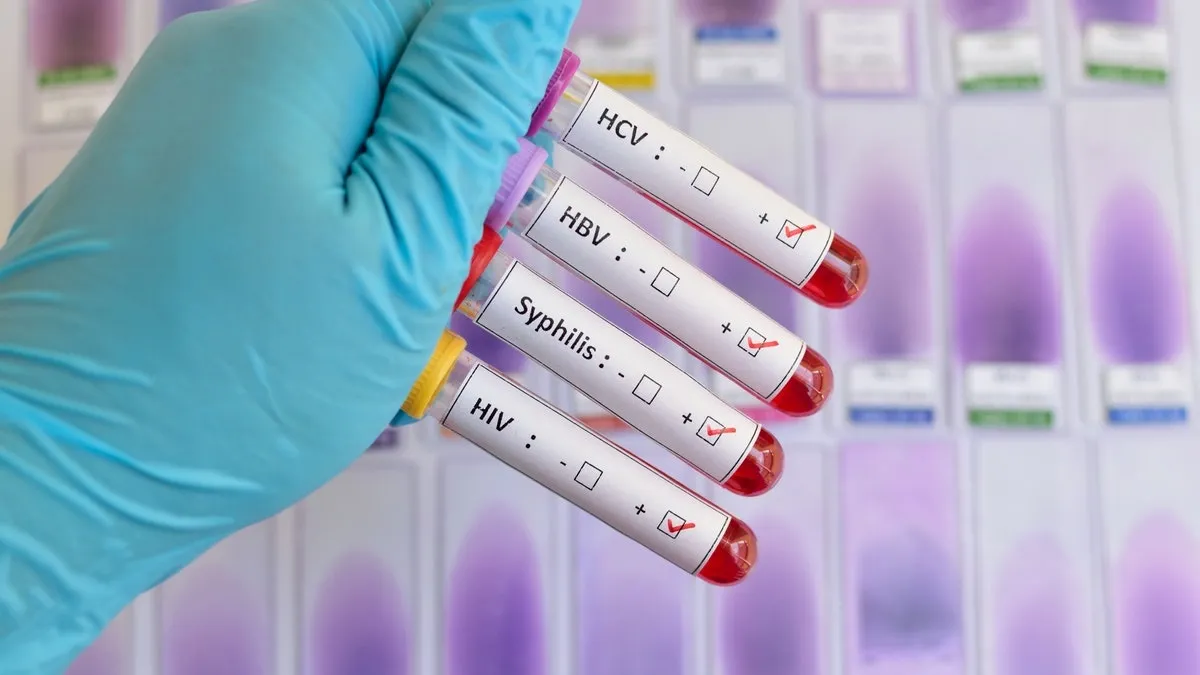
A good clinic doesn't just test for HIV. They offer a range of tests. HIV, hepatitis C, chlamydia, gonorrhea, syphilis, and more. Different infections require different tests. A comprehensive approach gives you a complete picture of your health.
Rapid Results
Many clinics offer rapid testing. For HIV, you can get results in about 30 minutes. This is huge. You don't have to spend days or weeks waiting anxiously for answers.
For some other STDs, results might take a few days. But even that's faster than what you'd get through some other healthcare channels.
Confidential Services
Privacy is a big concern for many people. Free testing clinics take this seriously. Your results are protected by law. Your information is not shared without your consent.
Some clinics even offer anonymous testing. You don't have to give your name. Your results are linked to a code number instead of your identity.
No Cost or Low Cost
The name says it all. These clinics provide testing at little to no cost. Some offer completely free testing to everyone. Others use a sliding scale based on income. If you have insurance, they might bill your insurance. If you don't, they'll cover the cost through other funding sources.
What to Expect When You Visit
I want to walk you through what happens at a free HIV and STD testing appointment. Knowing what to expect can make the whole process less intimidating.
Step One: The Check-In
When you arrive, you'll check in at the front desk. You'll fill out some basic paperwork. If you have insurance, they'll ask for your card. If you don't, they'll tell you about your options.
Step Two: The Consultation
You'll meet with a healthcare provider. They'll ask about your sexual history and any symptoms you might have. This helps them determine which tests are right for you.
I want to be clear about this. The provider isn't judging you. They're gathering information so they can give you the best care possible. Everything you share is confidential.
Step Three: The Testing
The actual testing is quick and simple. For HIV, it might be a finger prick or an oral swab. For other STDs, you might need to provide a urine sample or have a swab taken.
The staff will explain everything as they go. You won't be left wondering what's happening.
Step Four: Getting Results
For rapid tests, you'll get your results during your visit. For lab tests, you'll get results in a few days. The clinic will contact you with your results.
Step Five: Next Steps
If you test negative, great. You'll get some education on staying healthy and reducing your risk in the future.
If you test positive for something, don't panic. Many STDs are curable. Others are manageable with medication. The provider will discuss treatment options with you. You'll get the support you need to move forward.
Treatment Options You Should Know About
Free clinics don't just test. They also treat.
HIV Treatment
If you test positive for HIV, there are excellent treatments available. Medications like BIKTARVY® help people with HIV live long, healthy lives. With proper treatment, you can keep the virus under control and maintain your health.
Hepatitis C Treatment
Hepatitis C is curable. Treatments like EPCLUSA® have a 98% cure rate over 12 weeks. That means taking a pill once a day for about three months, and you're cured.
STD Treatment
Many STDs are treated with antibiotics. Chlamydia, gonorrhea, and syphilis are all curable. Treatment is usually simple and effective.
Prevention Services
Free clinics also offer prevention services. If you're at high risk for HIV, you might be a candidate for PrEP. This is a daily medication that can reduce your risk of contracting HIV.
If you've had a potential exposure, PEP can be taken within 72 hours to minimize the risk of transmission. These options give you more control over your health.
Frequently Asked Questions
1. How do I find free STD and HIV testing clinics near me?
You can search online, contact your local health department, or ask your primary care provider for recommendations. Many nonprofit organizations also provide testing services.
2. Do I need insurance to get tested at these clinics?
No, most free clinics provide testing regardless of insurance status. If you have insurance, they may bill your insurance. If you don't, they'll cover the cost through other funding sources.
3. Are the tests really free?
Yes, many clinics provide completely free testing. Some use a sliding scale based on income. But the goal is to make testing accessible to everyone, regardless of ability to pay.
4. How long does testing take?
Rapid tests can provide results in about 30 minutes. The total visit time might be an hour or so. Lab tests typically take a few days to a week.
5. Will the clinic tell my family or partner?
No. Testing is confidential. Your results are protected by privacy laws. The clinic cannot share your information without your consent.
6. What happens if I test positive for something?
You'll receive counseling and treatment options. Many STDs are curable. Others are manageable with medication. You'll get the support you need.
7. What is PrEP and who should consider it?
PrEP stands for Pre-Exposure Prophylaxis. It's a daily medication that can reduce your risk of contracting HIV. It's recommended for people who are at high risk of HIV exposure.
8. What is PEP and when should I consider it?
PEP stands for Post-Exposure Prophylaxis. It's a treatment taken within 72 hours of potential HIV exposure to minimize the risk of transmission. If you think you've been exposed to HIV, seek medical attention immediately.
9. Do I need a referral to visit a free testing clinic?
No, most clinics accept walk-ins or appointments without a referral. You can schedule an appointment directly or visit during open hours.
10. How often should I get tested?
The frequency depends on your risk factors. If you're sexually active, regular testing is recommended. You should get tested after unprotected sex, with new partners, or if you experience any symptoms.
Taking care of your sexual health is one of the most important things you can do for yourself. It's not something to feel ashamed about. It's not something to put off. It's a normal, responsible part of being an adult.
If you're searching for free STD and HIV testing clinics, or you're specifically looking for free HIV and STD testing, know that there are options available. You don't need insurance. You don't need to be wealthy. You just need to take that first step.
The people at these clinics aren't there to judge you. They're there to help you. They see people from all walks of life. They understand that sexual health is a normal part of life. They'll treat you with kindness and respect.
Make the call. Schedule the appointment. Your health is worth it.






























Sign in to leave a comment.