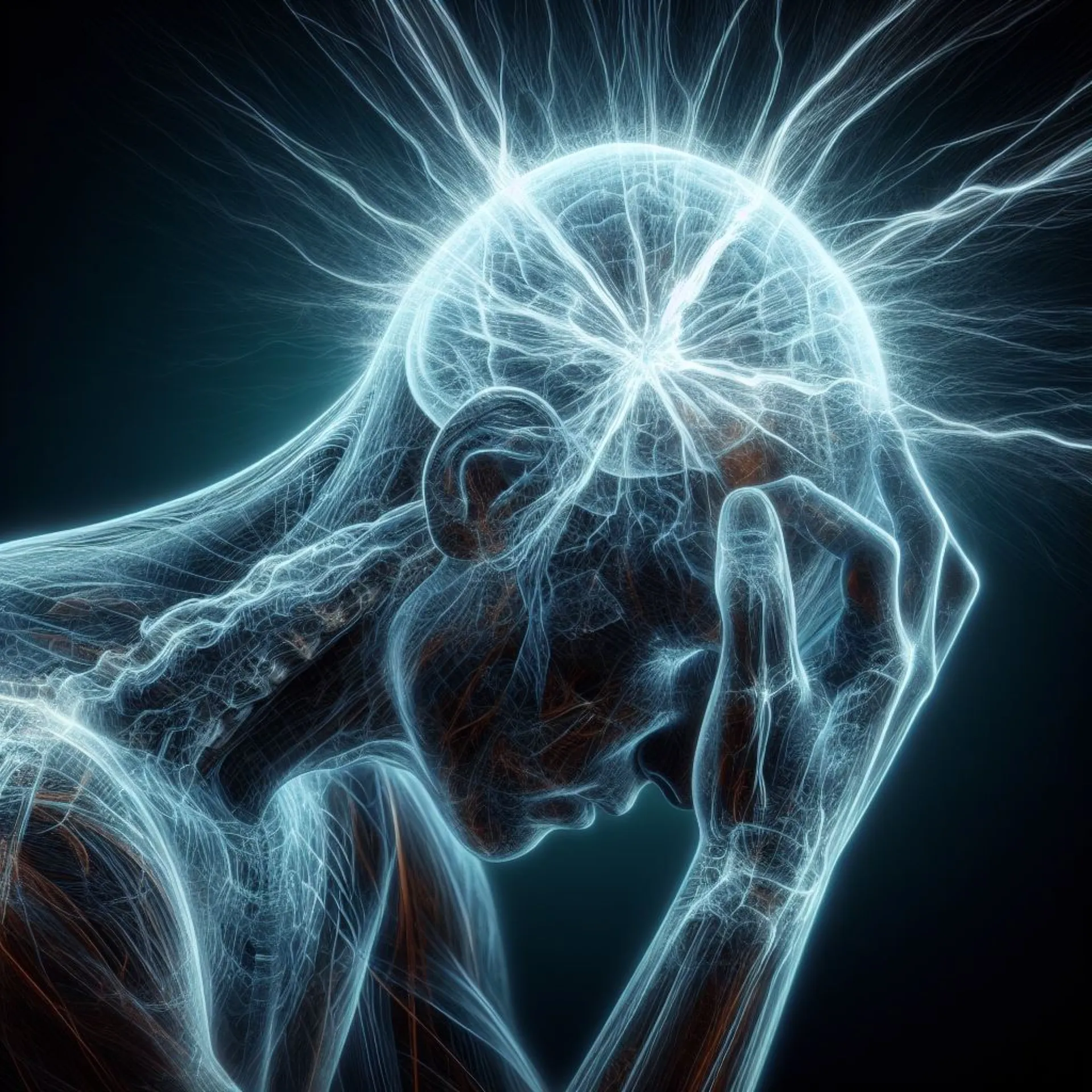

Everyone gets headaches. A bad night's sleep, a skipped lunch, too little water, and the body sends the bill soon enough. But not every headache is a migraine, and the two are frequently confused. Doctors from Bangalore Hospitals encourage anyone dealing with frequent or severe head pain to understand the cause before reaching for a treatment.
The difference between a headache and migraine matters more than most people realise. Migraines are rarely just pain. They interfere with vision, concentration, and entire days. Understanding migraine headache types and symptoms, the available migraine treatment options, and what actually triggers an attack is where better management starts.
Difference Between a Headache and Migraine
Both cause head pain. There the similarity ends.
| Headache | Migraine |
| Usually mild to moderate pain | Often moderate to severe pain |
| Pain may affect the whole head | Pain usually affects one side |
| Rarely causes nausea | Often brings nausea or vomiting |
| Light and sound sensitivity uncommon | Sensitivity to light, sound, or smell is common |
| Daily activities usually continue | Daily activities often become impossible |
Knowing the difference between a headache and migraine tells a person when to manage it at home and when to get evaluated.
What Is a Migraine?
A migraine is a neurological condition, not a bad headache with a fancy name.
Common migraine headache types and symptoms include:
- Throbbing head pain
- Pain on one side of the head
- Nausea
- Vomiting
- Sensitivity to light
- Sensitivity to sound
- Blurred vision
- Difficulty concentrating
An attack can last a few hours. Or several days.
Migraine Headache Types and Symptoms
Migraine headache types and symptoms vary considerably from person to person.
Migraine Without Aura
The most common form. Moderate to severe pain, arriving with no warning at all.
Migraine With Aura
Flashing lights, blind spots, or tingling sensations show up first. The headache follows.
Chronic Migraine
Headaches on 15 or more days a month, with migraine features on many of them.
Vestibular Migraine
Dizziness, balance problems, and motion sensitivity dominate, alongside the usual symptoms.
Understanding the Four Stages of a Migraine
Not everyone goes through all four. But recognising them early can change how an attack unfolds.
1. Prodrome
This starts hours, sometimes days, before the pain.
Symptoms may include:
- Mood changes
- Fatigue
- Food cravings
- Neck stiffness
2. Aura
Temporary neurological symptoms arrive before the headache.
These may include:
- Flashing lights
- Blurred vision
- Tingling sensations
- Difficulty speaking
3. Headache Phase
The severe, throbbing pain everyone associates with migraines. Nausea and sensitivity to light or sound usually join in.
4. Postdrome
The headache lifts, but the fog stays. People often feel drained, weak, and unable to focus for a day afterwards.
Foods That Trigger Migraines
For some people, the trigger is on the plate.
Common foods that trigger migraines include:
- Aged cheese
- Processed meats
- Chocolate
- Alcohol
- Artificial sweeteners
- Monosodium glutamate (MSG)
- Excess caffeine
- Skipping meals
Triggers are personal. A food diary is the least glamorous and most effective way to find yours.
Home Remedies for Migraines
Several home remedies for migraines can take the edge off an attack.
These include:
- Resting in a quiet, dark room
- Drinking plenty of water
- Applying a cold compress
- Sleeping, if sleep will come
- Practising relaxation techniques
- Staying away from bright screens
They help. They don't cure. Persistent migraines still need proper medical evaluation.
Migraine Treatment
The right migraine treatment depends on how often attacks come and how hard they hit.
Options may include:
- Pain-relieving medications
- Migraine-specific prescription medicines
- Preventive medications
- Lifestyle modifications
- Stress management
- Regular sleep routines
- Identifying and avoiding triggers
A personalised plan almost always beats a generic one.
Migraine Levels: When Should You Be Concerned?
Understanding migraine levels helps people know when self-management is no longer enough.
Seek medical advice if migraines:
- Become more frequent.
- Last longer than usual.
- Stop responding to medication.
- Interfere with daily life.
- Change in pattern or intensity.
That last one deserves attention. A migraine that suddenly feels different is worth investigating.
When to Seek Immediate Medical Attention
Not every headache is harmless.
Seek emergency care if a headache comes with:
- Sudden, severe pain
- Confusion
- Difficulty speaking
- Weakness on one side
- Vision loss
- Seizures
- High fever
- Loss of consciousness
These may indicate a serious condition requiring urgent treatment.
Conclusion
Telling the difference between a headache and migraine is the first step toward treating either one properly. Occasional headaches are part of life. Frequent migraines are not, and they shouldn't be endured quietly.
Understanding migraine headache types and symptoms, identifying foods that trigger migraines, and finding the right migraine treatment can genuinely give people their days back. For recurring or severe headaches, Bangalore Hospitals offers comprehensive neurological evaluation and personalised treatment plans.
Frequently Asked Questions
Can a headache turn into a migraine?
A regular headache doesn't usually become a migraine. That said, migraine attacks often begin as mild discomfort before escalating.
How do you know you have a migraine vs. headache?
Migraines typically bring throbbing pain, nausea, and sensitivity to light or sound. Ordinary headaches cause milder pain without those extras.
What are the early warning signs of a migraine?
Fatigue, mood changes, food cravings, neck stiffness, flashing lights, blurred vision, or tingling often occur hours before the pain arrives.
Is migraine 100% curable?
No permanent cure exists at present. But medication, lifestyle changes, and trigger management can reduce both the frequency and severity of attacks substantially.





























Sign in to leave a comment.