
The global food industry is undergoing significant transformation, driven by consumer demand for ethically sourced, high-quality, and culturally appropriate products. Among the most notable trends is the growing popularity of halal meats. Once primarily consumed in Muslim-majority countries, halal-certified products have now become a staple in international markets, influencing supply chains, production practices, and consumer habits worldwide. From small farms to international supermarkets, the journey of halal meat from farm to table reflects both a commitment to quality and a growing awareness of ethical food practices.
Understanding Halal Meats
Halal, meaning “permissible” in Arabic, refers to foods that comply with Islamic dietary laws. Halal certification ensures that meat is sourced, processed, and handled in a manner consistent with Islamic principles. This includes humane treatment of animals, proper slaughtering practices, and avoidance of prohibited ingredients such as pork or alcohol.
The principles of halal align closely with modern food safety and ethical practices, which is why halal meats appeal not only to Muslim consumers but also to a broader audience seeking high-quality, responsibly produced foods.
The Farm: Ethical Sourcing and Animal Welfare
The first step in the journey of halal meat is the farm. Halal certification emphasizes the humane treatment of animals. Key practices include:
- Ensuring animals are healthy and stress-free
- Feeding them with clean, halal-compliant feed
- Avoiding overcrowding and providing proper shelter
These standards have a broader impact on the global meat industry, raising awareness of animal welfare and responsible farming practices. Consumers increasingly associate halal meats with transparency, ethical sourcing, and superior quality.
The Slaughter Process: From Farm to Table Begins
Halal slaughter is performed by trained professionals following specific guidelines to ensure the animal is treated humanely and the meat is safe for consumption. This process includes:
- Making a swift, precise cut to minimize pain
- Ensuring the animal is alive and healthy at the time of slaughter
- Reciting a religious invocation during the process
These steps are not only religious requirements but also contribute to cleaner, higher-quality meat products. Certified halal meats guarantee compliance, making them a trusted choice for consumers worldwide.
Processed Halal Meats: Mortadella and Beyond
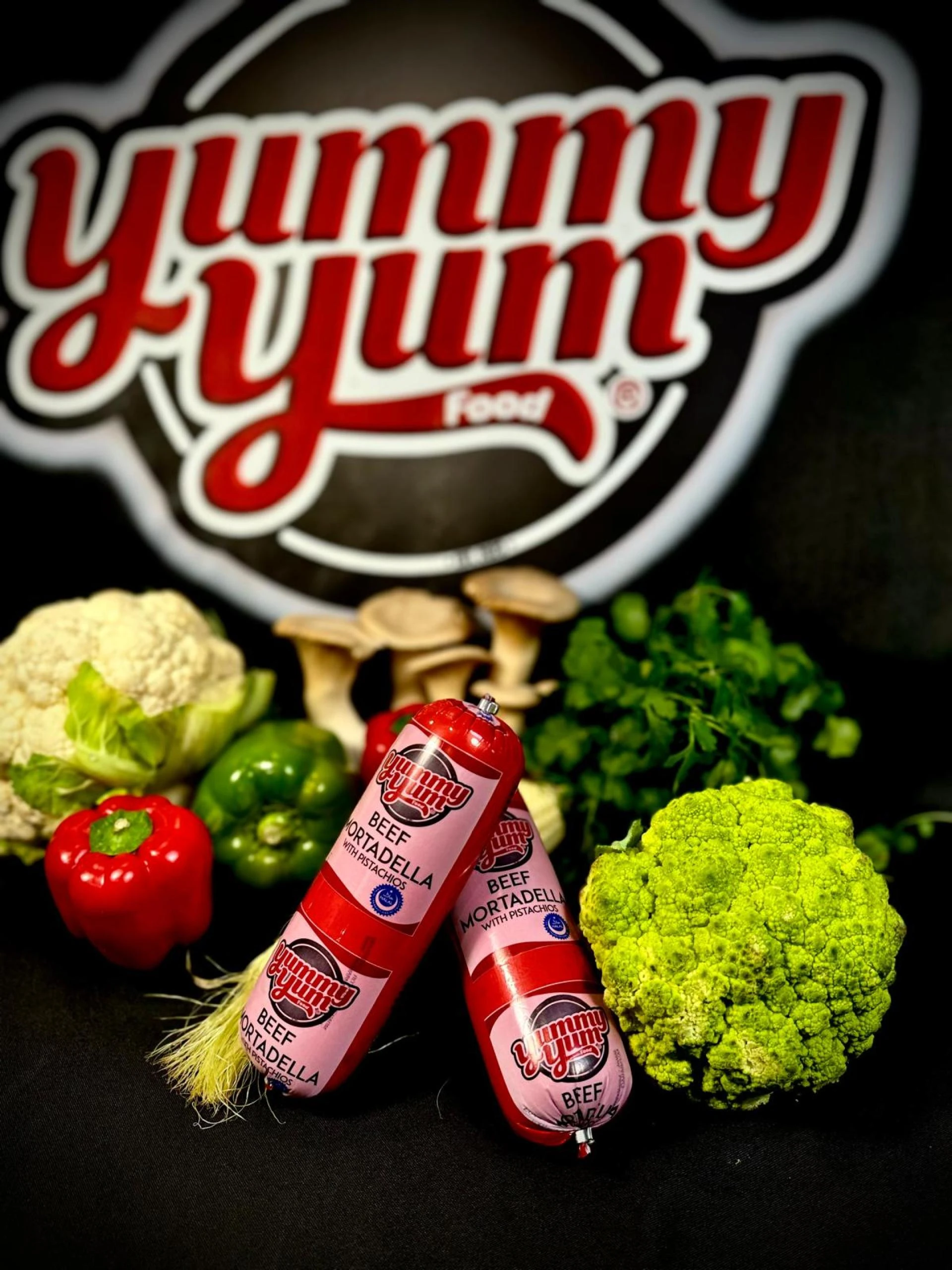
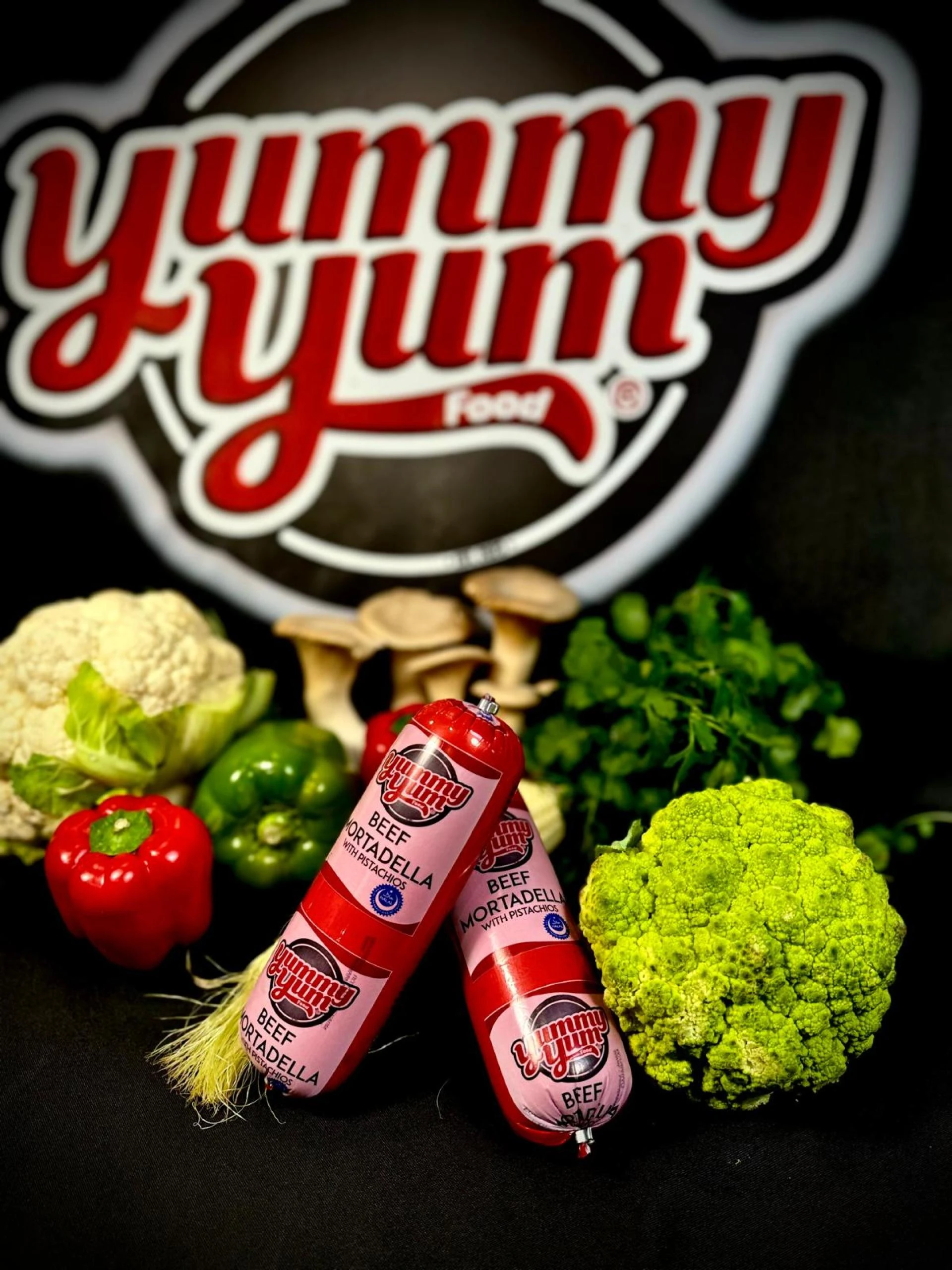
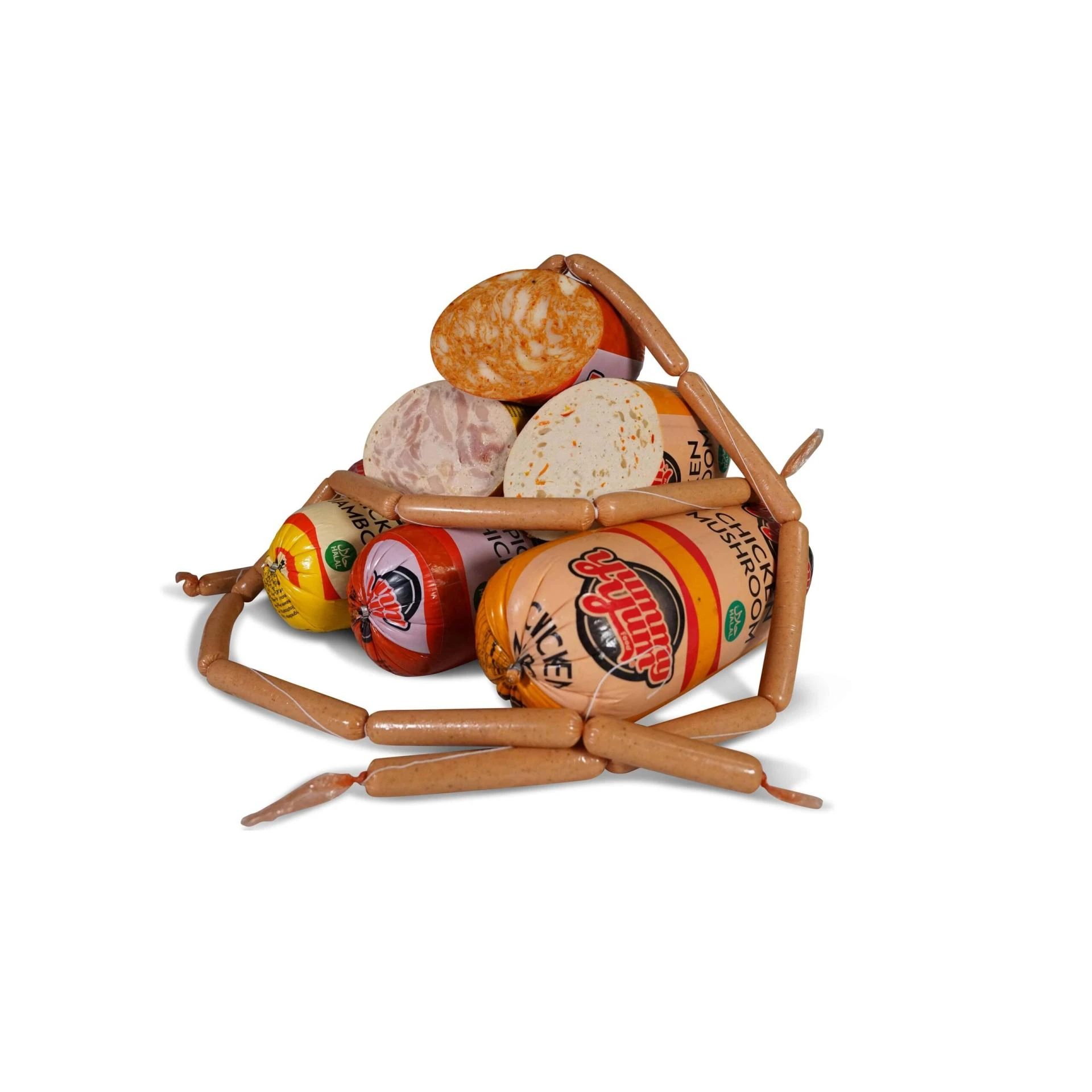
While traditional cuts of halal meat are widely available, processed products are increasingly popular. Items like mortadella halal, beef mortadella, and chicken mortadella halal combine convenience with halal certification, allowing consumers to enjoy familiar foods without compromising their dietary requirements.
Mortadella Halal
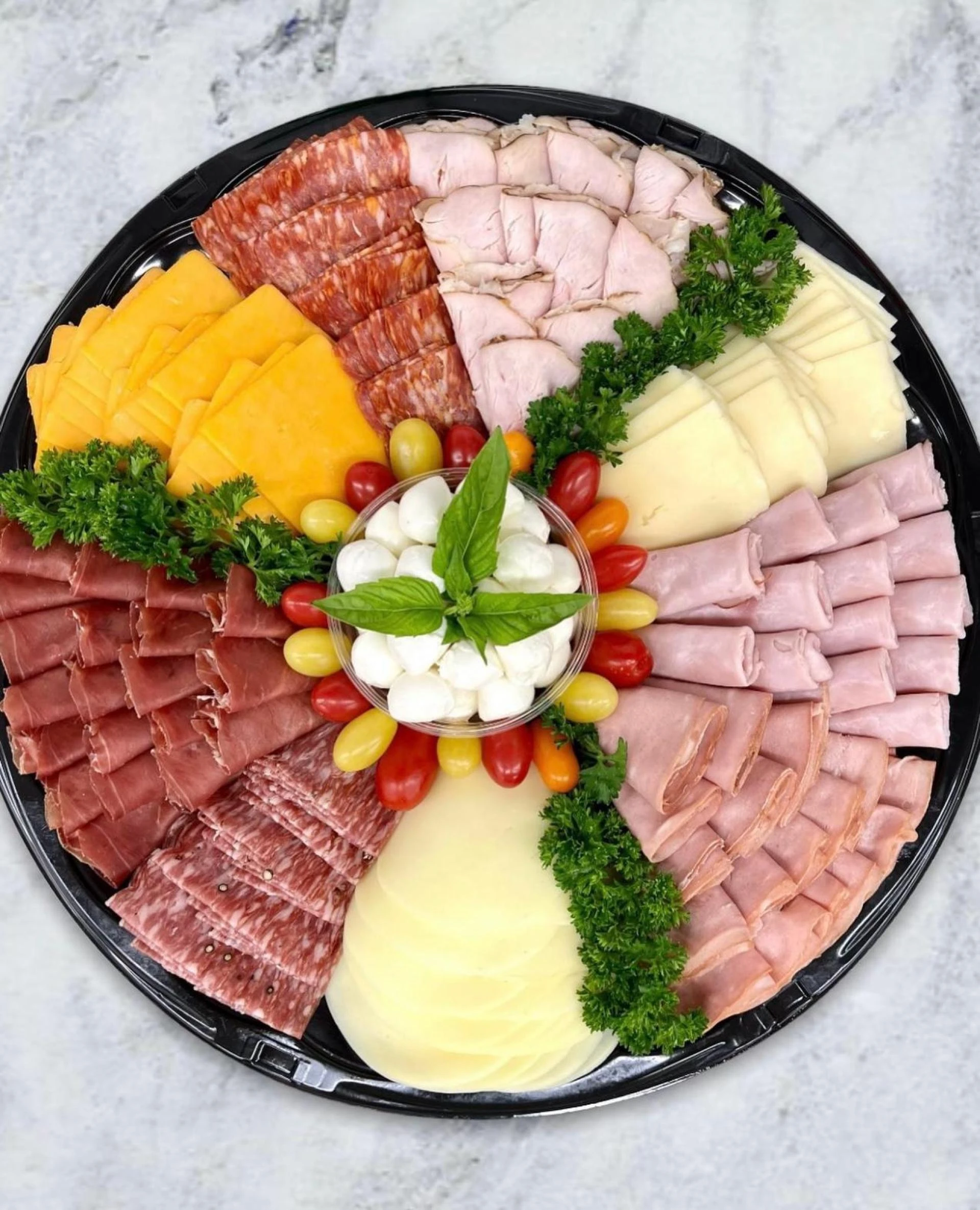
A modern take on the classic Italian cold cut, mortadella halal is made from halal-certified meats and spices. Its smooth texture and rich flavor make it ideal for sandwiches, snacks, and deli platters.
Beef Mortadella
Beef mortadella provides a protein-rich, flavorful option for consumers seeking halal-friendly deli meats. Its versatility makes it suitable for a variety of culinary applications, from cold cuts to cooked dishes.
Chicken Mortadella Halal
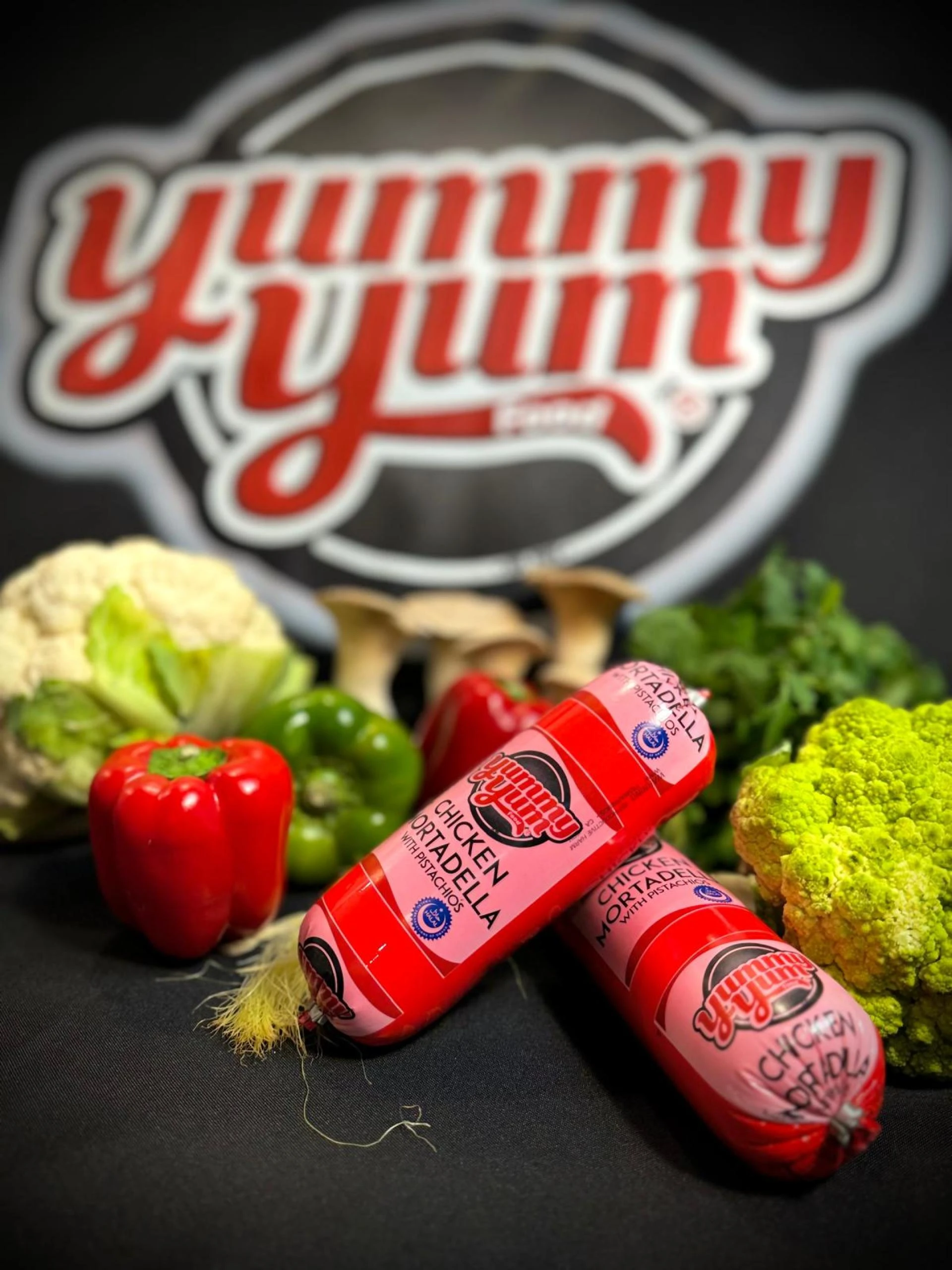
For health-conscious consumers, chicken mortadella halal offers a leaner alternative. With lower fat content and high protein, it caters to families, athletes, and those looking for lighter processed meats without sacrificing taste.
These products demonstrate the global reach of halal meats, providing both convenience and trust in international food markets.
The Global Market for Halal Meats
The market for halal meats is experiencing rapid growth, driven by:
- The increasing Muslim population worldwide, currently over 1.9 billion
- Greater cultural awareness and inclusion in international food markets
- Rising consumer interest in ethical, traceable, and safe food
Countries like Brazil, Australia, Thailand, and the United States have become major exporters of halal-certified meat, while regions such as the Middle East, Europe, and Southeast Asia are significant importers. Retailers and restaurants around the world are recognizing the value of offering halal meats, leading to expanded product ranges and increased visibility for processed halal items.
Health and Ethical Considerations
Halal meats are often associated with cleaner, safer, and higher-quality food. The strict sourcing, slaughter, and handling requirements reduce contamination risks and ensure freshness. Additionally, halal certification emphasizes ethical practices, which appeals to environmentally and socially conscious consumers.
Products like mortadella halal, beef mortadella, and chicken mortadella halal offer a practical way to enjoy processed meats while adhering to these high standards. By combining traditional flavors with ethical production, halal meats bridge the gap between cultural authenticity and modern dietary expectations.
Challenges in the Halal Meat Industry
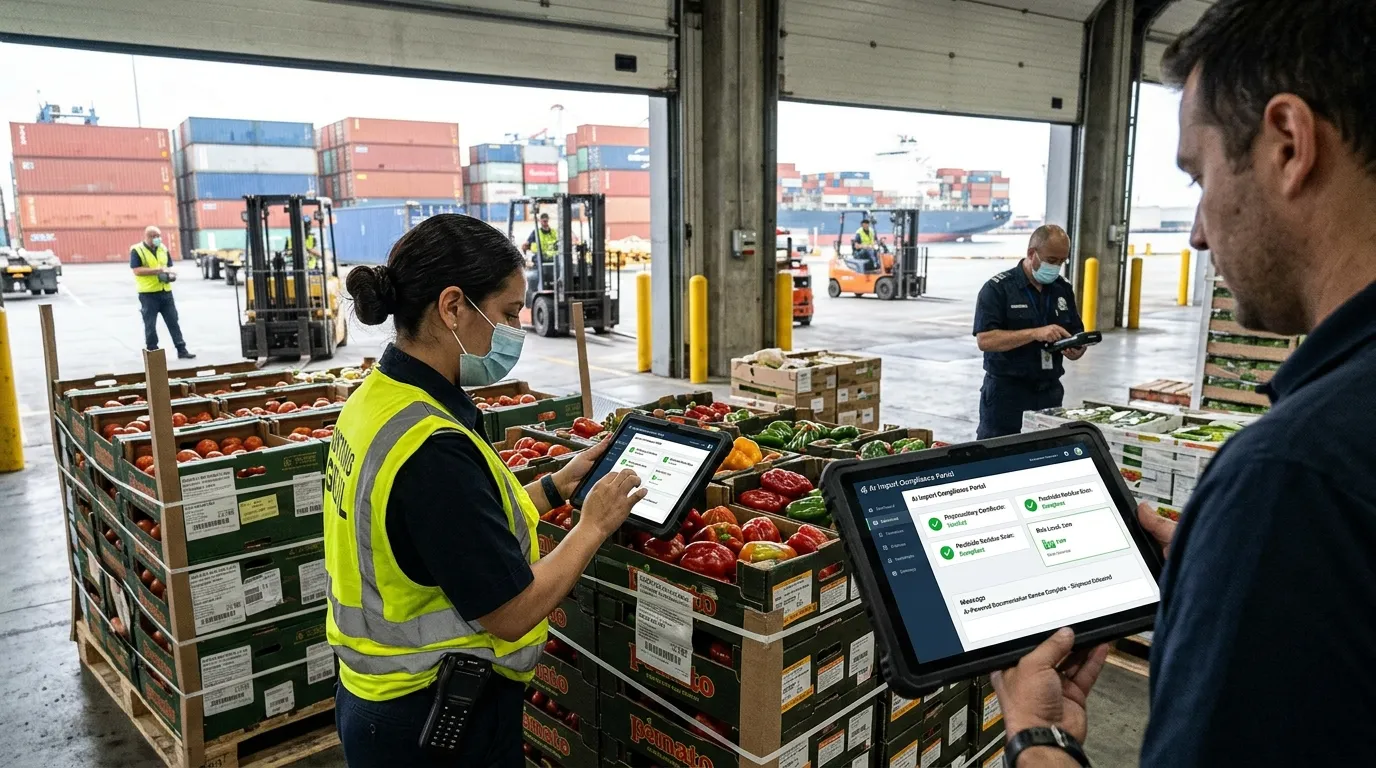
Despite its growth, the halal meat industry faces challenges. Standardizing certification across regions is complex, and varying interpretations of halal guidelines can cause confusion. Additionally, producers must maintain rigorous quality control to ensure compliance, especially when exporting products to international markets.
Consumer education is also vital. Many people outside Muslim communities are unfamiliar with halal practices, so transparency and clear labeling help build trust and encourage wider adoption.
Conclusion
From farm to table, halal meats are more than just a dietary requirement—they represent ethical sourcing, animal welfare, and quality assurance. The global demand for halal-certified products, including mortadella halal, beef mortadella, and chicken mortadella halal, reflects changing consumer priorities and growing awareness of responsible food production.
As the halal meat industry continues to expand, it influences global food markets, introduces innovative products, and sets higher standards for safety, ethics, and quality. Whether for traditional meals or modern processed products, halal meats are playing a pivotal role in shaping the future of international food consumption.

























Sign in to leave a comment.