

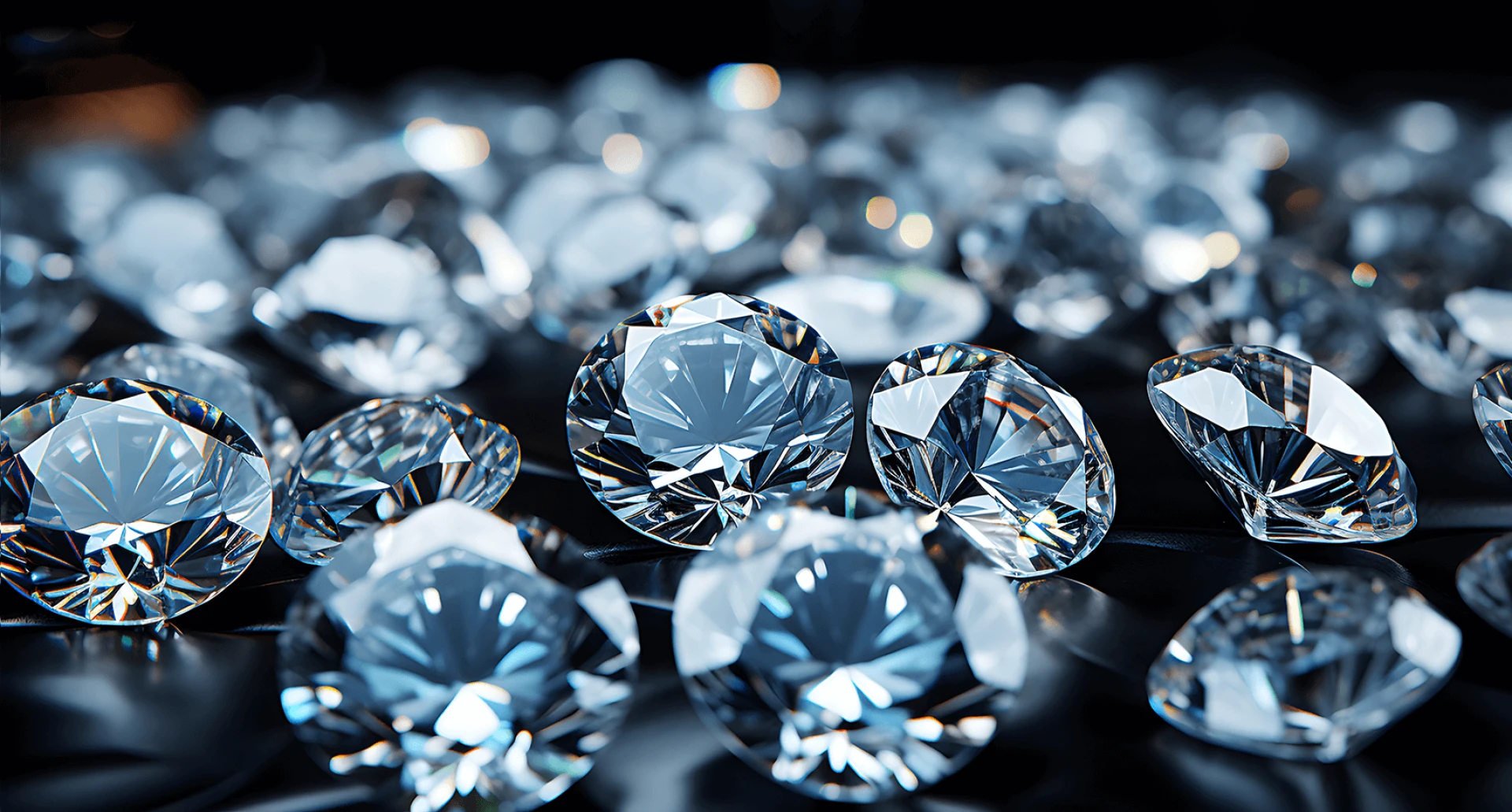
Diamonds have been symbolizing romance, prestige, and permanence for a long time. However, a new kind of diamond has emerged in the market in the past few decades. This diamond is created in a controlled environment in a lab, not within the earth. Due to this, they have got the name lab-grown diamonds. Here is the story of Lab Grown Diamonds Dallas, including how they were first created. Let’s dive into the blog.
The Early Spark: Inspiring Experiments
Back in 1797, Smithson Tennant, an English chemist, revealed that diamonds are a solid form of carbon. After this, numerous scientists and inventors employed various techniques and attempted to recreate diamonds in a lab. Henri Moissan made a notable effort in 1892 by heating charcoal to extremely high temperatures, in the hope of growing a diamond. However, his experiment was never conclusively replicated. These experiments laid the groundwork for creating lab diamonds.
Birth of Diamond in the Lab (1950s Onwards)
The real turning point came in the 1950s when General Electric launched a project known as Project Superpressure. In this project, they attempted to replicate the extreme conditions under which natural diamonds are formed. In 1954, GE produced the very first lab diamond using the HPHT (High Pressure High Temperature) Method. In the HPHT method, carbon is dissolved in a molten catalyst, and the carbon atoms precipitate onto a seed crystal that grows into a diamond. The early diamonds were tiny and suited for industrial use.
Introducing the CVD Method of Growing Lab
After HPHT, the CVD (Chemical Vapor Deposition) method emerged in the market, and it quickly gained popularity. With time, the CVD technique provided better control over purity and structure and helped make gem-grade diamonds.
Commercialization of Lab Diamonds
By the 1970s and 1980s, gem-quality lab diamonds started to appear in the market for the general public; however, they were expensive and limited at that time. In the 2000s and 2010s, technology, scale, and cost improved and made lab-grown diamonds more accessible to the public.
Lab Diamonds Coming to the Limelight
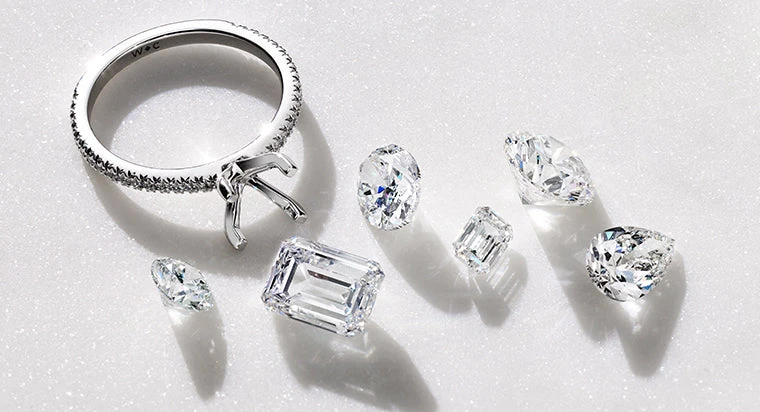
As technology advanced, businesses started combining lab diamonds with fine jewelry pieces. Their USPs were convincing: lower cost, no mining, and the same chemical and physical properties of natural stones.
By the 2010s, more brands began offering lab diamonds, and consumers became more comfortable with them. At present, these diamonds have attained a significant market share, and it is expected to grow by 21% by the end of 2025. Grading labs, including the GIA (Gemological Institute of America), issue reports for lab diamonds, treating them as natural gems.
Although some people still value mined diamonds, lab diamonds have become significantly popular in recent times. There are brands that use lab diamonds in jewelry. Do you need lab-grown diamonds in Dallas? Then visit Easton Custom Jewelers. Here, we provide you with a wide variety of jewelry, including bands, bracelets, earrings, fashion rings, gemstone rings, necklaces, pendants, etc. All our jewelry pieces are available at an economical price, so you don’t need to break the bank.
























Sign in to leave a comment.