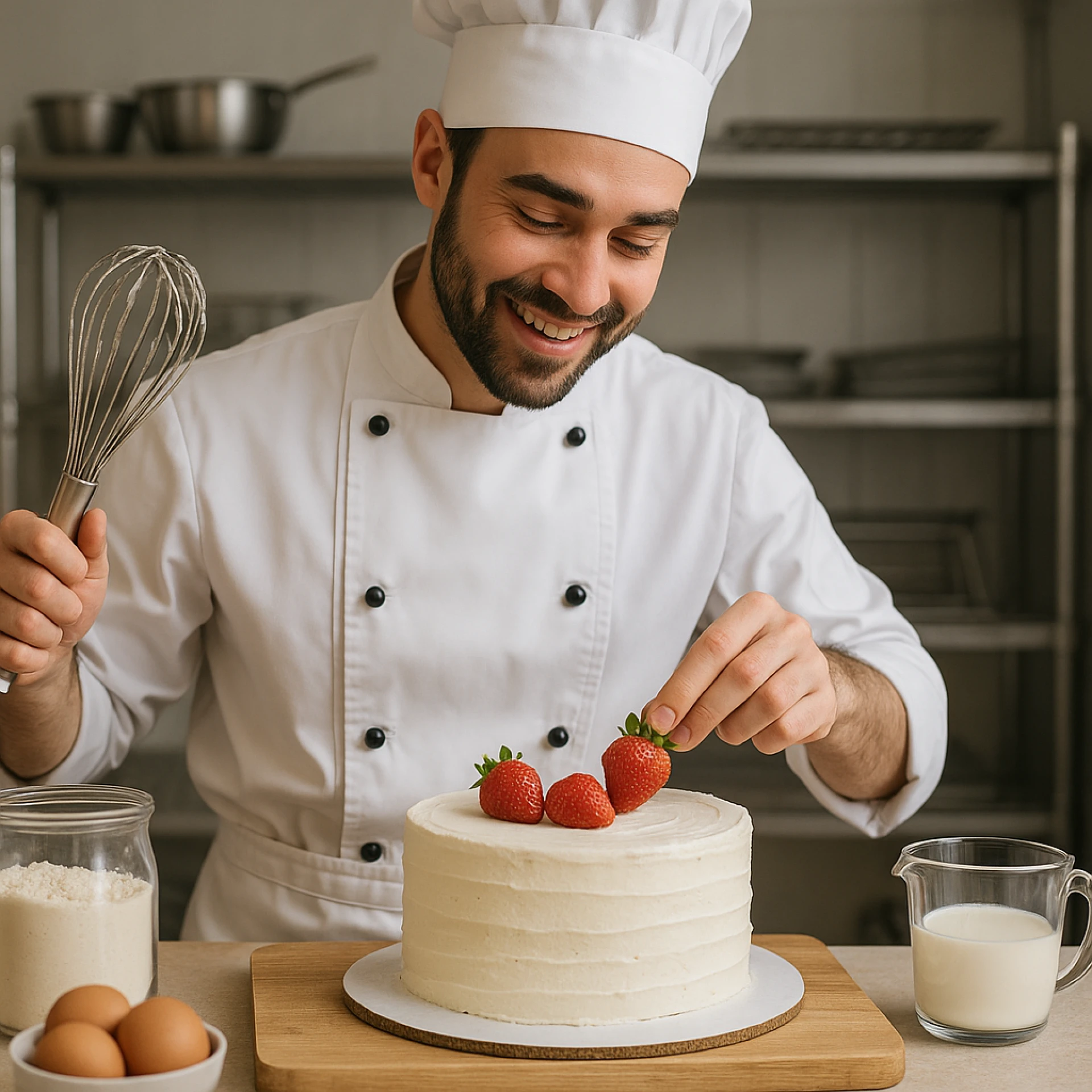

For many, the idea of baking a perfect cake seems intimidating — precise measurements, controlled temperatures, and flawless decoration can feel like a tall order. But the truth is, learning to bake doesn’t have to be stressful or complex. Today’s Baking Courses in Chennai are structured to make the learning process both enjoyable and effective, especially for beginners and home bakers. With hands-on guidance, interactive lessons, and a supportive learning environment, these classes help simplify baking techniques while sparking creativity and confidence in the kitchen.
Whether you’re dreaming of opening your own home bakery or simply want to bake better cakes for loved ones, enrolling in a structured course can make all the difference. From fundamental skills to advanced cake artistry, here’s a closer look at the top techniques you’ll master in fun and easy cake baking classes.
1. Understanding the Science of Baking
A good cake begins with understanding how ingredients work together. Baking isn't just about mixing flour and sugar; it’s a science that involves chemical reactions, temperatures, and precise ratios. You’ll learn how different types of flour, fats, and leavening agents (like baking soda and baking powder) affect the structure and texture of your cakes. These insights allow you to confidently adapt recipes and troubleshoot any issues you may face.
2. Measuring Ingredients Accurately
One of the first things emphasized in cake baking classes is the importance of accurate measurement. Too much flour or not enough liquid can drastically change the outcome. You’ll become familiar with digital scales, measuring spoons, and liquid measuring cups. Understanding the difference between weight and volume measurements helps improve consistency, especially when following professional recipes.
3. Mixing Methods for Perfect Textures
Different cakes require different mixing methods. Whether it’s creaming butter and sugar to create a light, fluffy base or gently folding ingredients to preserve air in sponge cakes, these techniques form the foundation of great baking. In hands-on practice sessions, you’ll gain clarity on:
- Creaming method for classic butter cakes
- All-in-one method for quick batters
- Whisking and folding techniques for delicate sponges
Over time, these techniques become second nature, helping you achieve perfect textures with every bake.
4. Batter Consistency and Baking Temperatures
Once you’ve mixed your ingredients, knowing what the batter should look and feel like is key. Is it too runny or too stiff? Will it rise evenly? Classes walk you through the visual and tactile cues that signal readiness. You’ll also learn how to preheat your oven properly, place pans correctly, and recognize signs of doneness — no more guessing or poking with a knife.
5. Cake Layering and Filling Techniques
Perfecting cake layers involves more than just stacking sponges. You’ll learn how to level your cakes, apply even layers of filling, and assemble tiered cakes that are structurally sound and visually appealing. Whether it’s ganache, fruit compote, mousse, or whipped cream, you’ll practice using a range of delicious fillings that complement your cake base.
Students who join Baking Classes in Mogappair often mention how transformative this module is. With personalized feedback and guided practice, learners quickly move from lopsided attempts to Instagram-worthy layer cakes.
6. Mastering Frosting and Crumb Coating
One of the most rewarding parts of cake baking is decorating your creation. You’ll start by mastering basic frosting types — buttercream, cream cheese frosting, whipped cream, and chocolate ganache. Lessons also cover:
- Crumb coating to create a smooth base
- Using offset spatulas and scrapers
- Achieving sharp edges and clean finishes
These essential techniques ensure your cakes look as good as they taste.
7. Piping Techniques and Creative Designs
Using a piping bag might seem challenging at first, but it becomes fun once you understand the mechanics. You’ll explore different piping nozzles to create borders, rosettes, stars, swirls, and even lettering. With regular practice, your confidence in decorating grows. Many classes also introduce simple floral designs and textured patterns, making every cake unique.
8. Working with Fondant and Edible Decorations
If you’ve admired those flawless wedding or theme cakes, chances are they were covered in fondant. Cake baking classes simplify the process of rolling, covering, and decorating with fondant. You’ll also get to work with edible toppers, molds, cutters, and stencils to create eye-catching, professional-level finishes.
9. Flavor Pairing and Personalization
Beyond looks, the flavor profile of your cake is crucial. Classes encourage experimentation with spices, fruits, chocolate, nuts, and flavor extracts. You’ll learn how to balance sweetness, introduce new flavor combinations, and adapt recipes for dietary preferences like eggless or gluten-free options.
10. Presentation and Storage Tips
Presentation plays a huge role in making your cakes stand out. You’ll discover simple but effective ways to garnish, plate, and package your cakes. Tips on safe storage, refrigeration, and transporting finished cakes are also covered to help your creations stay fresh and intact until serving time.
Final Thoughts
Cake baking doesn’t have to be complicated or overwhelming. With the right instruction and a relaxed, enjoyable environment, anyone can learn to bake with confidence. Whether you’re interested in improving your personal baking skills or preparing for a professional venture, cake baking classes provide the perfect platform to learn, grow, and have fun along the way.


















Sign in to leave a comment.