
Introduction
From the witty banter of virtual assistants like Apple\'s Siri or Google Assistant to the eerie realism of chatbots depicted in science fiction, AI chatbots have become a ubiquitous presence in our digital landscape. But beyond the entertainment factor, these conversational AI tools are rapidly transforming the way we interact with businesses, access information, and even find companionship.
However, the world of AI chatbots is far from homogenous. From the lighthearted to the highly functional, these chatbots serve a variety of purposes and evoke distinct user experiences. Let\'s delve into the different types of AI chatbots and explore their diverse applications.
1. The Entertaining Chatbot: Laughter is the Best Medicine (or Marketing)
Imagine a customer service interaction that leaves you with a chuckle. Enter the entertaining chatbot, designed to engage users through humor, pop culture references, and playful banter. These AI chatbots often leverage witty responses, storytelling capabilities, and even knowledge of current events to create a more enjoyable user experience.
Examples:
- Mitsuku: This award-winning chatbot is a pioneer in the field, renowned for its ability to hold engaging and humorous conversations. Users can chat with Mitsuku on a variety of topics, enjoying its witty repartee and playful personality
- XiaoIce: Developed by Microsoft, XiaoIce is a popular chatbot in China known for its ability to hold engaging conversations, write creative content like poems, and even develop emotional connections with users [invalid URL removed].
Uses:
- Brand awareness and engagement: Entertaining chatbots can attract users, introduce them to a brand\'s personality, and leave a lasting positive impression.
- Educational content delivery: Injecting humor and interactive elements into learning materials can increase user engagement and retention, especially for younger audiences.
- Customer service: Lighthearted interaction with a chatbot can improve customer satisfaction while resolving basic queries or directing users to more comprehensive resources.
The takeaway: Entertaining chatbots create a positive user experience, making interactions more enjoyable, fostering brand loyalty, and potentially increasing engagement with educational content.
2. The Informative Chatbot: Knowledge at Your Fingertips
For those seeking answers and information, the informative chatbot is an invaluable resource. These chatbots are trained on vast datasets and utilize natural language processing (NLP) to understand user queries and provide accurate responses.
Examples:
- LaMDA by Google: This advanced AI chatbot is known for its ability to engage in informative and comprehensive conversations, providing users with insightful responses to complex questions and even generating different creative text formats
- IBM Watson Assistant: This platform allows businesses to create custom chatbots that can answer customer questions, troubleshoot problems, translate languages, and even provide technical support
- Customer support: Informative chatbots can answer FAQs, troubleshoot common issues, and direct users to relevant resources, reducing the burden on human support teams and offering 24/7 assistance.
- Education and learning: These chatbots offer on-demand access to information, making learning more accessible and interactive. They can answer student queries, provide summaries of complex topics, and even guide users through learning materials.
- Public information dissemination: Chatbots can be used by government agencies to provide citizens with easy access to official information and updates, answer policy-related questions, and streamline bureaucratic processes.
The takeaway: Informative chatbots empower users by providing instant access to accurate knowledge, streamlining information retrieval, and enhancing the efficiency of customer support and public services.
3. The Transactional Chatbot: Simplifying Purchases and Payments
In today\'s fast-paced world, convenience reigns supreme. Transactional chatbots facilitate purchases, payments, and order management directly through chat interfaces, eliminating the need for users to navigate complex websites or mobile apps.
Examples:
- Sephora Beauty Assistant: This chatbot allows users to virtually try on makeup using augmented reality technology, receive personalized product recommendations based on their preferences, and even complete purchases directly within the Facebook Messenger app.
- Hilton Honors HelloNow: This chatbot by Hilton allows guests to book reservations, check-in to their rooms using a digital key, access hotel information and amenities, and even order room service, all through a convenient chat interface
The Transactional Chatbot: Simplifying Purchases and Payments
- HSBC Chat Banking: This chatbot allows HSBC bank customers to check account balances, transfer funds, pay bills, and even troubleshoot basic banking issues directly through the bank\'s mobile app or website
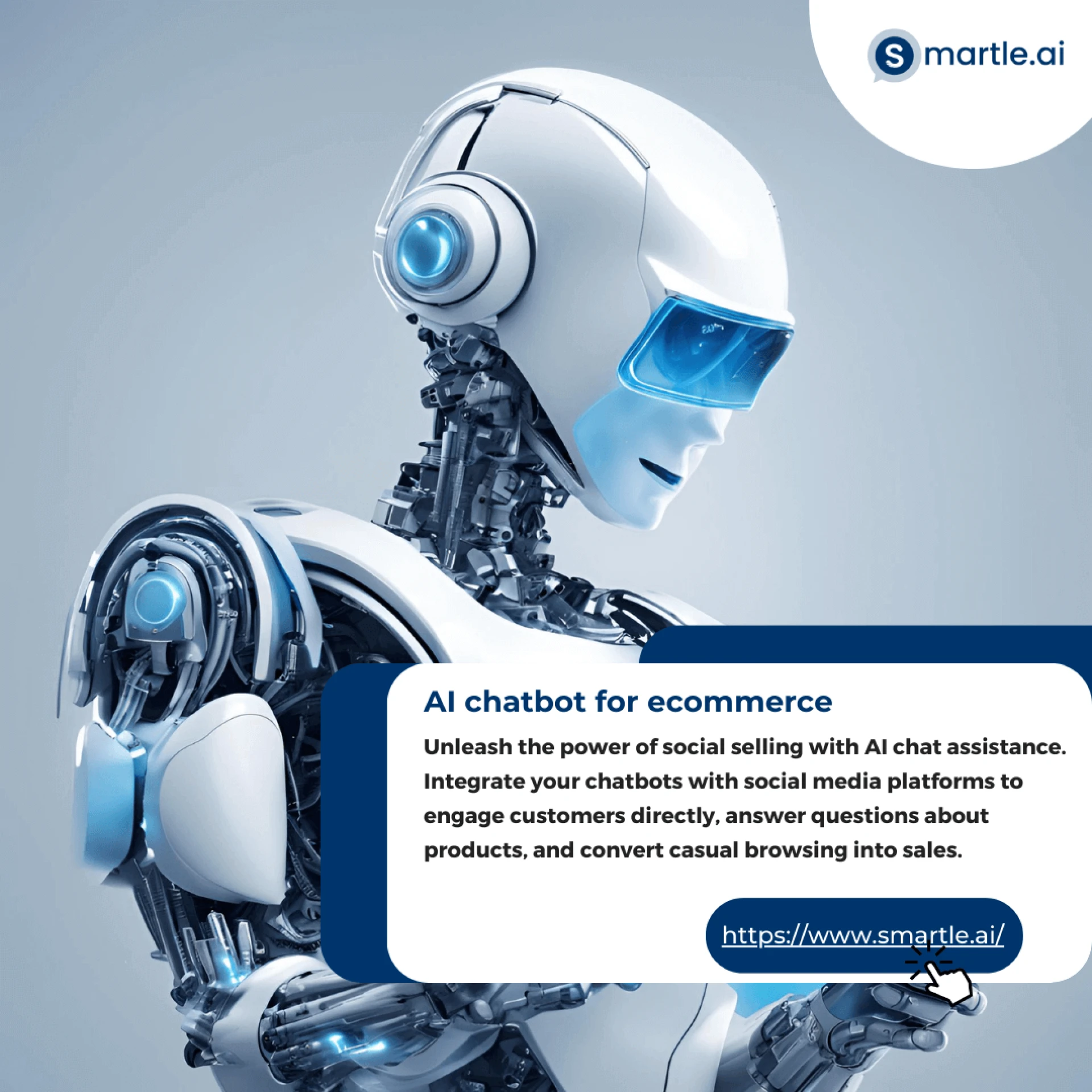
- Smartle.ai: This company specializes in creating AI chatbots specifically designed for e-commerce platforms. Their chatbots integrate seamlessly with existing e-commerce websites and messaging platforms, offering features such as product recommendations, personalized shopping assistance, and real-time order tracking, all within a chat interface
Uses:
- E-commerce: Transactional chatbots simplify the buying process, leading to increased sales and customer satisfaction by offering a convenient and personalized shopping experience.
- Banking and finance: Chatbots streamline financial transactions, allowing users to manage their finances effortlessly, anytime and anywhere.
- Travel and hospitality: These chatbots enable users to book flights, hotels, and activities, check-in for travel, and even manage travel documents, all through a user-friendly chat interface.
The takeaway: Transactional chatbots offer a seamless and convenient way to conduct business interactions, enhancing user experience, driving efficiency in various sectors, and potentially increasing sales and customer satisfaction.
The Creepy Chatbot: Navigating the Uncanny Valley
While AI chatbots have come a long way, there\'s still a risk of falling into the "uncanny valley" - a phenomenon where human-like features in artificial intelligence evoke a sense of eeriness. This can happen when chatbots lack genuine empathy, deliver unnatural responses, or collect excessive user data without proper transparency.
Here\'s how to avoid the creepy factor:
- Focus on empathy and emotional intelligence: Train chatbots to recognize and respond to user emotions in a natural way, creating a more supportive and human-like interaction.
- Prioritize transparency: Clearly communicate data collection practices and ensure user consent before gathering information. Users should be informed about how their data is used and have the option to opt-out.
- Maintain clear boundaries: Define the chatbot\'s purpose and limitations to avoid unrealistic expectations. Users should understand what the chatbot can and cannot do.
The Future of AI Chatbots: A Collaborative Dance
The future of AI chatbots is one of collaboration, where humans and AI work together to create a more efficient and user-centric experience.
Here are some exciting possibilities:
- Multimodal chatbots: These chatbots will integrate voice, text, and even video capabilities for a more natural and intuitive interaction. Imagine interacting with a customer service agent through a chat interface that can also understand your tone of voice and facial expressions.
- Personalized experiences: AI chatbots will leverage user data to personalize responses, recommendations, and support. This could include tailoring product suggestions based on past purchases or offering emotional support based on user sentiment analysis.
- Enhanced emotional intelligence: Advancements in AI will enable chatbots to better understand and respond to complex user emotions, fostering a deeper level of connection. Chatbots may be able to provide more nuanced support for mental health or offer companionship to those experiencing loneliness.
Examples of the Chatbots Mentioned:
- While there\'s no publicly available version of Quippy the Quiz Bot or Bard, the AI Storyteller, these represent the potential of entertaining chatbots.
- Babylon Health offers a similar service using AI chat consultations with virtual GPs
Conclusion
AI chatbots are rapidly transforming the way we interact with information, services, and even entertainment. By understanding their capabilities and limitations, we can harness the power of these virtual assistants to create a more user-friendly and efficient future. As AI technology continues to evolve, the line between funny, helpful, and creepy will blur further. It\'s up to us, as developers and users, to ensure that AI chatbots remain beneficial tools for good, enriching our digital experiences without venturing into the uncanny valley.
AI Chat Assistance: A Growing Industry
The rise of AI chatbots has created a booming industry with numerous players developing and deploying these virtual assistants across various sectors. Here are some key trends in AI chat assistance:
- Increased investment: Venture capitalists and tech giants are pouring resources into AI chatbot development, recognizing their vast potential in various applications.
- Focus on user experience: Companies are prioritizing user experience by developing chatbots that are natural, engaging, and efficient in addressing user needs.
- Integration with existing platforms: Chatbots are being integrated with popular messaging platforms like Facebook Messenger, WhatsApp, and Telegram, making them readily accessible.


























Sign in to leave a comment.