

Mental health affects every part of a person's life, from physical wellness to work performance and relationships. Yet many people still receive treatment in a fragmented way, where mental health providers, primary care physicians, and specialists work separately. This can make care less effective and harder for patients to manage. That is why integrated behavioral health services are becoming an important part of modern healthcare in the USA. By bringing physical and mental healthcare together, patients receive more complete, coordinated, and effective support.
Understanding Integrated Mental Health Care
Integrated mental health care combines behavioral health with primary medical care. Instead of treating physical and emotional health as separate issues, healthcare professionals work together to create a complete care plan.
This model also encourages better communication between healthcare professionals, making treatment more efficient and reducing the chances of conflicting care plans.
Why Mental and Physical Health Are Closely Connected
Research continues to show that mental and physical health influence one another.
People living with chronic illnesses often experience emotional challenges such as stress, anxiety, or depression. Likewise, untreated mental health conditions can make it harder to manage physical diseases, attend appointments, or follow medication plans.
Benefits of an Integrated Care Model
An integrated approach offers advantages for both patients and healthcare providers.
Better Communication
When providers share information and work as one team, patients receive more consistent care. There is less confusion about medications, treatment goals, and follow-up appointments.
Earlier Detection
Primary care providers often see patients more frequently than mental health specialists. They can recognize early signs of depression, anxiety, or substance use concerns and connect patients with appropriate support before conditions become more serious.
Improved Treatment Outcomes
Patients are more likely to stay engaged with treatment when services are coordinated. Addressing both physical and behavioral health needs at the same time often leads to better recovery and long-term wellness.
Reduced Healthcare Costs
Preventive care and early intervention help reduce emergency visits, hospital admissions, and unnecessary medical testing. Coordinated care also prevents duplication of services.
Who Can Benefit Most?
Integrated care supports people of all ages and backgrounds. It can be especially valuable for individuals who have:
- Chronic medical conditions
- Depression or anxiety
- Substance use disorders
- High stress levels
- Multiple healthcare providers
- Complex medication needs
- Older adults managing several health conditions
The Role of Technology in Modern Behavioral Healthcare
Technology has transformed the way healthcare providers coordinate care.
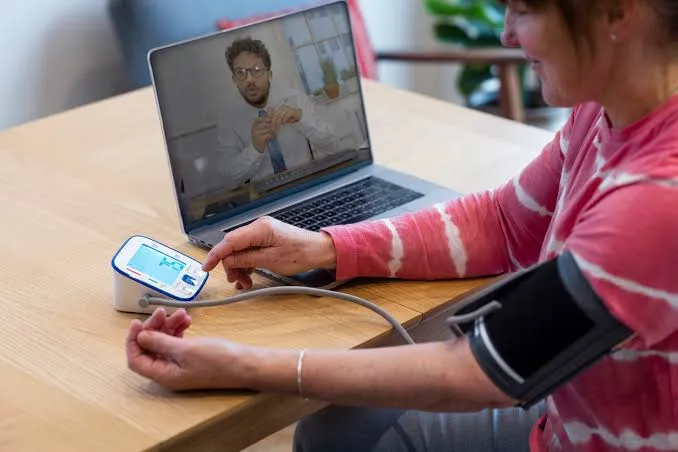
Electronic health records allow providers to securely share important information, while telehealth services make mental health support more accessible for patients living in rural or underserved communities.
Digital screening tools can identify symptoms early, allowing providers to begin treatment sooner. Secure communication platforms also help care teams stay connected, ensuring patients receive timely support throughout their healthcare journey.
As healthcare technology continues to improve, integrated care models are becoming easier to implement across hospitals, clinics, and private practices.
Breaking Down Barriers to Mental Health Care
Many people avoid seeking mental health treatment because of stigma, transportation challenges, or difficulty finding specialists.
Integrated care helps reduce these barriers by offering behavioral health support in familiar healthcare settings. Patients who visit their primary care provider can often receive screenings, counseling referrals, or behavioral health consultations during the same visit.
This approach makes mental healthcare feel like a normal part of overall wellness rather than something separate or difficult to access.
Why Team-Based Care Makes a Difference
Integrated healthcare relies on collaboration.
Primary care physicians, behavioral health specialists, nurses, care coordinators, social workers, and therapists all contribute their expertise. Each provider focuses on different aspects of a patient's health while working toward shared treatment goals.
This teamwork creates a smoother patient experience and reduces the burden of coordinating care independently.
Patients also gain confidence knowing their providers are communicating and making informed decisions together.
Looking Ahead
Healthcare in the United States continues to move toward more patient-centered care, where prevention, early intervention, and coordination play a larger role than ever before. As more organizations adopt integrated care models, patients can expect easier access to services, stronger communication among providers, and better long-term health outcomes.
Organizations such as CareIQ are supporting this shift by helping healthcare teams improve coordination and deliver more connected patient care. Their approach reflects the growing recognition that treating physical and behavioral health together leads to healthier individuals, stronger communities, and a more effective healthcare system overall.






























Sign in to leave a comment.