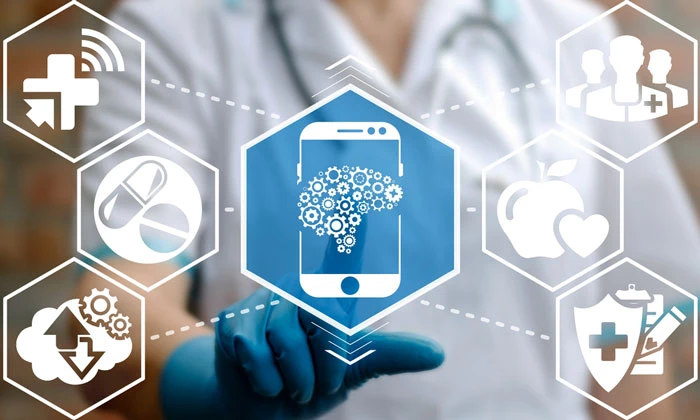

The healthcare industry is on the brink of a digital revolution. Advancements in technology, patient-centered care models, and the growing demand for operational efficiency are accelerating the adoption of healthcare IT services and healthcare software solutions. This transformation is reshaping how care is delivered, improving patient outcomes, streamlining workflows, and reducing costs.
As we look ahead, the future of healthcare will rely heavily on intelligent IT infrastructure and advanced software platforms designed to support clinicians, administrators, and patients. From predictive analytics and AI-powered diagnostics to telemedicine platforms and EHR integrations, the landscape of healthcare IT and software is rapidly evolving.
The Rise of Digital Healthcare
In the post-pandemic era, healthcare has embraced digital transformation like never before. Remote consultations, digital diagnostics, and patient engagement platforms are now essential components of modern care. Healthcare IT services have become the foundation for these capabilities, enabling real-time communication, secure data sharing, and automated decision-making processes.
Cloud computing, for instance, plays a vital role in modern healthcare by offering scalable infrastructure for hosting electronic health records (EHRs), managing large datasets, and facilitating collaboration across multiple locations. These cloud-based healthcare software solutions enhance accessibility and ensure continuity of care, even in remote or underserved regions.
Role of AI and Machine Learning
Artificial intelligence (AI) and machine learning (ML) are revolutionizing diagnostics, drug discovery, and patient care. AI-driven healthcare software solutions can analyze vast volumes of patient data, recognize patterns, and generate insights that assist clinicians in making faster and more accurate diagnoses.
Predictive analytics—powered by healthcare IT services—helps hospitals anticipate patient admission rates, reduce readmission risks, and personalize treatment plans. These intelligent systems are also being used to monitor chronic conditions remotely, triggering early interventions and reducing emergency room visits.
Healthcare providers are now investing in AI-backed IT services to improve diagnostic accuracy, optimize treatment protocols, and enhance clinical decision-making. As AI technologies mature, they will further augment the capabilities of healthcare professionals rather than replace them, creating a more effective and responsive healthcare system.
Integration of IoT and Wearables
The integration of Internet of Things (IoT) devices and wearable technology has opened new avenues for real-time patient monitoring and data collection. From fitness trackers to implantable heart monitors, these devices generate continuous streams of health data that feed into healthcare software systems.
Healthcare IT services now support seamless integration of these devices, enabling providers to track patient vitals, medication adherence, and lifestyle patterns remotely. This not only empowers patients to take control of their health but also helps clinicians detect anomalies early.
Such integration of IoT within healthcare software solutions has proven effective in chronic disease management, elder care, and post-operative recovery, making healthcare more proactive and preventive.
Cybersecurity and Compliance
With the increased digitization of healthcare, data security and regulatory compliance have become more critical than ever. Healthcare IT services are responsible for safeguarding sensitive patient information while ensuring compliance with regulations such as HIPAA, GDPR, and local data protection laws.
Advanced cybersecurity frameworks, powered by machine learning and behavioral analytics, are being implemented to detect threats in real time. Moreover, software developers are incorporating robust encryption, multi-factor authentication, and blockchain technology into healthcare software solutions to ensure data integrity and traceability.
In the future, healthcare organizations will need to adopt zero-trust security models and continuously update their IT infrastructure to prevent breaches and ensure patient trust.
Personalized and Patient-Centered Care
Personalization in healthcare is not a luxury—it’s becoming a necessity. Healthcare software solutions are increasingly focused on delivering personalized care experiences based on genetic data, lifestyle choices, and real-time monitoring inputs.
Through integrated IT services, healthcare providers can access a 360-degree view of a patient's medical history, preferences, and current health status. This enables them to deliver tailored treatment plans, improve medication adherence, and foster long-term relationships with patients.
Software platforms that offer multilingual support, AI chatbots, appointment reminders, and telehealth options are making healthcare more inclusive, convenient, and effective.
Telemedicine and Virtual Health
Telemedicine is one of the most transformative trends in healthcare. Supported by robust healthcare IT services and reliable software platforms, virtual consultations have become mainstream, offering convenience to patients and flexibility to providers.
As broadband access improves globally and 5G networks become widespread, the quality of virtual healthcare will continue to improve. Features like remote diagnostics, virtual triaging, and integrated EHR access are now standard components of telemedicine platforms.
Healthcare software solutions are also being designed to accommodate multidisciplinary teams, enabling doctors, specialists, and care coordinators to collaborate in real time, regardless of their physical location.
Data Interoperability and EHR Integration
One of the longstanding challenges in healthcare has been data silos. Disconnected systems and incompatible platforms often hinder the seamless exchange of patient information. To overcome this, modern healthcare IT services are emphasizing interoperability and standardization.
FHIR (Fast Healthcare Interoperability Resources) and HL7 standards are being widely adopted to facilitate smoother integration of EHRs, lab systems, pharmacy records, and patient apps. This improved interoperability empowers clinicians to make informed decisions quickly and enhances care coordination across departments and institutions.
Integrated healthcare software solutions ensure that the right information is available at the right time, leading to better patient outcomes and operational efficiency.
The Future: Predictive, Preventive, and Personalized
As healthcare continues to evolve, the focus is shifting toward predictive, preventive, and personalized care. With the support of advanced healthcare IT services, providers can proactively identify health risks, intervene early, and customize care plans for each individual.
Future healthcare software solutions will combine genomics, behavioral analytics, and real-world evidence to anticipate health events and optimize resource allocation. Digital twins, virtual simulations, and AI-powered modeling will help design more effective treatment paths and reduce trial-and-error in clinical practices.
Healthcare IT services will also extend beyond hospitals and clinics, powering community health initiatives, mobile health units, and smart city health infrastructure.
Conclusion
The future of healthcare hinges on how effectively organizations can adopt and integrate next-generation IT services and intelligent software solutions. With advancements in AI, IoT, cloud, cybersecurity, and data analytics, the healthcare sector is entering an era of smarter, safer, and more personalized care delivery.
Healthcare IT services will remain the backbone of this transformation, while innovative healthcare software solutions will drive agility, responsiveness, and efficiency. As patients expect more connected and convenient experiences, healthcare providers must embrace digital innovation to stay relevant and resilient in a rapidly evolving landscape.


























Sign in to leave a comment.