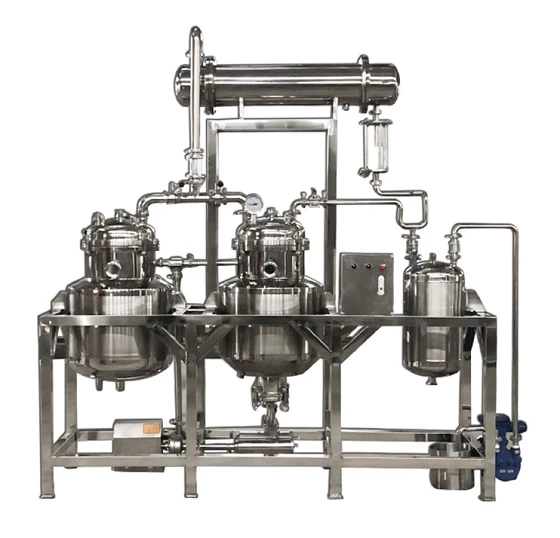

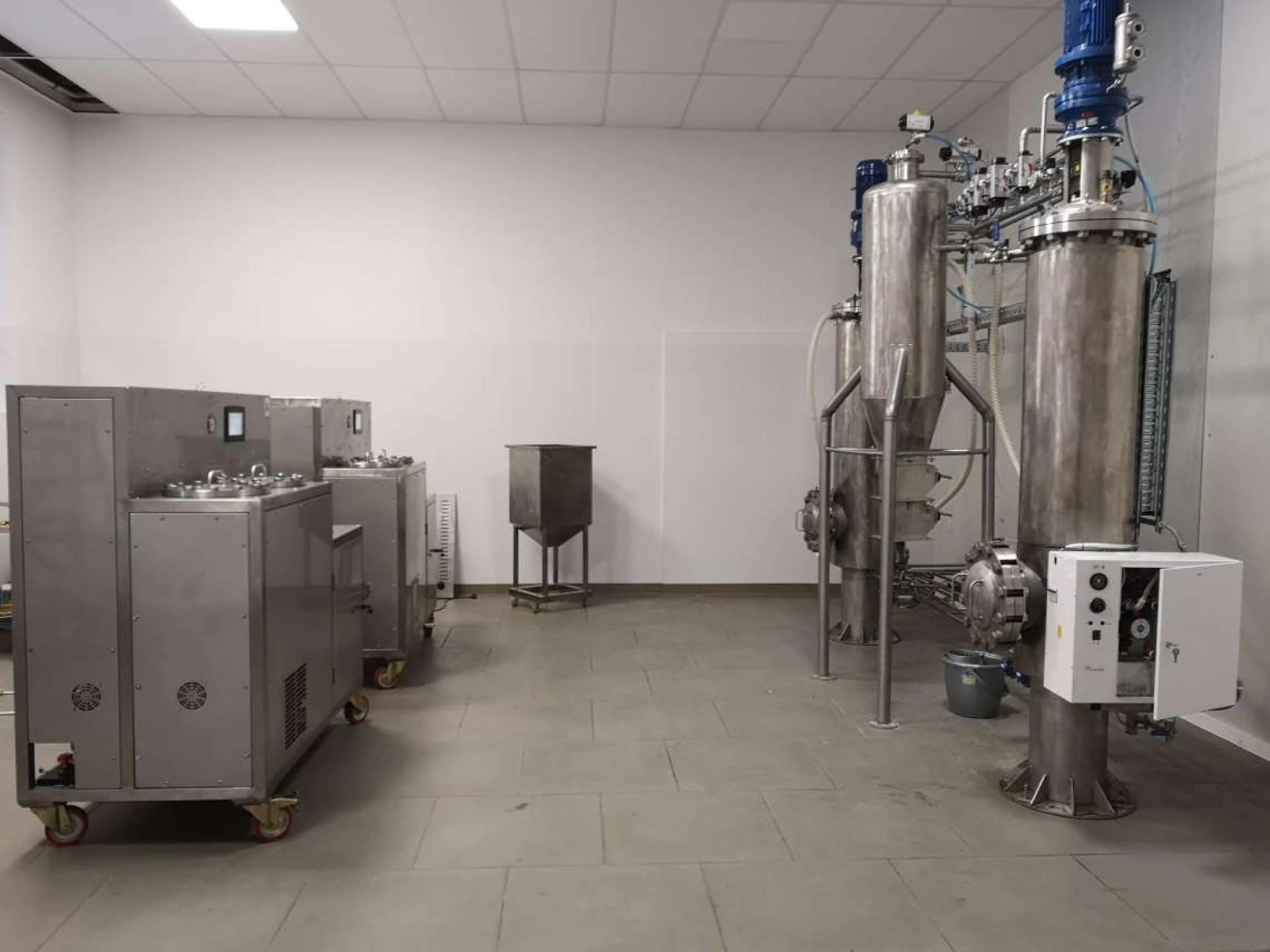
In recent years, the global market has witnessed a significant shift toward natural and plant-based products. Whether it’s in pharmaceuticals, cosmetics, food supplements, or wellness products, the demand for high-purity botanical extracts is steadily increasing. As this demand grows, so does the necessity for advanced, efficient, and clean extraction technologies. At the heart of this transformation lies a critical component that often goes unseen by the end user—botanical extraction equipment.
This sophisticated technology is designed to separate bioactive compounds such as essential oils, cannabinoids, terpenes, alkaloids, and flavonoids from raw plant materials. The process not only determines the potency and purity of the final extract but also influences its aroma, flavor, and therapeutic value. Therefore, selecting the right equipment and understanding the methodologies behind it are essential for ensuring product quality and meeting regulatory standards.
Understanding Botanical Extraction
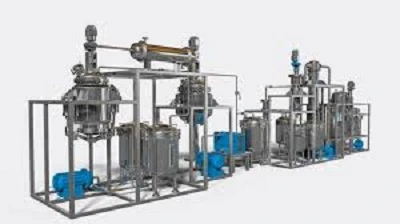
Botanical extraction refers to the process of isolating target compounds from plant materials through the use of solvents or mechanical methods. It involves several stages, including grinding, soaking, separation, purification, and sometimes concentration. The goal is to preserve the integrity of bioactive molecules while maximizing yield and minimizing unwanted compounds.
There are several types of extraction techniques commonly used, including:
- Solvent-Based Extraction
- Utilizes ethanol, butane, or hexane to dissolve and extract active compounds from botanical matter. While highly effective in yield, it may require post-processing to remove residual solvents.
- Supercritical CO2 Extraction
- A widely adopted method in the cannabis and herbal industries, this technique uses carbon dioxide under specific temperature and pressure conditions to pull active compounds from the plant material. It is considered cleaner and more environmentally friendly than solvent-based methods.
- Hydrodistillation and Steam Distillation
- Traditional methods primarily used for extracting essential oils. Steam or water breaks down plant materials and collects volatile compounds via condensation.
- Cold Pressing and Mechanical Methods
- These involve minimal heat and solvent use, making them suitable for delicate botanical components like citrus oils and certain nutraceuticals.
Each method has its advantages and drawbacks, and the choice often depends on the desired compound, processing scale, and regulatory requirements.
Why Equipment Matters
When it comes to extraction efficiency, equipment design plays a pivotal role. Botanical extraction equipment must be engineered to ensure repeatability, maintain bioactive integrity, prevent contamination, and reduce processing time. The effectiveness of the entire extraction operation is often dictated by the machinery’s capabilities—such as temperature control, pressure regulation, scalability, solvent recovery, and safety compliance.
Modern equipment integrates automation, real-time monitoring, and data logging for precision and quality assurance. Clean-in-place (CIP) features, closed-loop systems, and GMP-compliant construction materials such as stainless steel also contribute to more hygienic and consistent extractions.
Applications Across Industries
With the evolution of extraction systems, several industries have expanded their use of botanical derivatives:
- Pharmaceutical Industry
- Active pharmaceutical ingredients (APIs) such as morphine, quinine, and artemisinin are derived from plants using specialized extraction processes. Equipment must meet stringent quality control and documentation standards.
- Nutraceuticals and Supplements
- Botanical extractions like ginseng, turmeric, and echinacea are incorporated into capsules, powders, and tinctures for health benefits. Proper extraction ensures maximum bioavailability.
- Food and Beverages
- Flavors, fragrances, and colorants are increasingly sourced from botanicals. For instance, vanillin from vanilla pods or caffeine from tea leaves. Clean-label trends have made natural extractions a market preference.
- Cosmetics and Personal Care
- Essential oils, antioxidants, and plant-derived actives are integral to clean beauty formulations. Botanical extraction supports the creation of serums, creams, and shampoos without synthetic additives.
- Cannabis Industry
- Arguably one of the most prominent adopters of advanced botanical extraction, this sector focuses on obtaining THC, CBD, and minor cannabinoids from hemp or marijuana plants. Regulatory oversight makes equipment validation and solvent-free extraction crucial.
Key Trends Shaping the Future
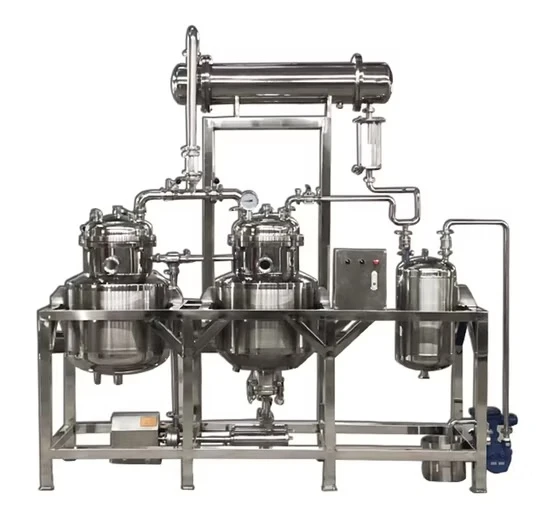
The evolution of botanical extraction equipment continues to be shaped by technology and consumer expectations. Here are some pivotal trends:
- Solvent-Free and Low-Temperature Extractions
- Demand for cleaner, safer extracts has led to innovations in low-temp, solventless technologies such as rosin pressing or ultrasonic extraction. These techniques retain delicate plant molecules and are ideal for boutique operations.
- Green Technology Integration
- Eco-conscious manufacturers are turning to CO2 and water-based systems to reduce environmental impact. Additionally, recovery and recycling systems for solvents have become standard.
- Automation and AI Optimization
- Smart extraction systems powered by AI are improving yield, reducing manual intervention, and identifying the optimal extraction parameters in real time.
- Modular and Scalable Designs
- From small-batch labs to large-scale industrial facilities, modular systems allow businesses to expand operations without overhauling infrastructure.
- Regulatory Compliance and Traceability
- With increased global oversight on product safety, the ability to track batch data and verify extraction procedures is now an operational necessity.
The Economic and Environmental Perspective
Investing in modern extraction systems not only enhances product quality but also brings financial and ecological benefits. Higher yields mean better profit margins, while solvent recovery systems reduce waste and lower operational costs. Furthermore, the shift toward energy-efficient designs supports corporate sustainability goals and aligns with green manufacturing initiatives.
On a broader level, as the natural product industry grows, regions rich in botanical biodiversity can benefit economically by establishing local extraction and formulation units. This can lead to job creation, innovation, and reduced reliance on imports for herbal ingredients.
Challenges in Implementation
Despite its benefits, implementing high-end extraction systems comes with challenges:
- Capital Investment
- Advanced machinery often requires significant upfront investment, making it less accessible to startups and small-scale operators.
- Training and Expertise
- Operating and maintaining complex systems require skilled technicians, which might be a hurdle in regions with limited expertise.
- Regulatory Navigation
- Especially in sectors like cannabis or pharmaceuticals, navigating compliance across jurisdictions can be intricate and time-consuming.
Conclusion
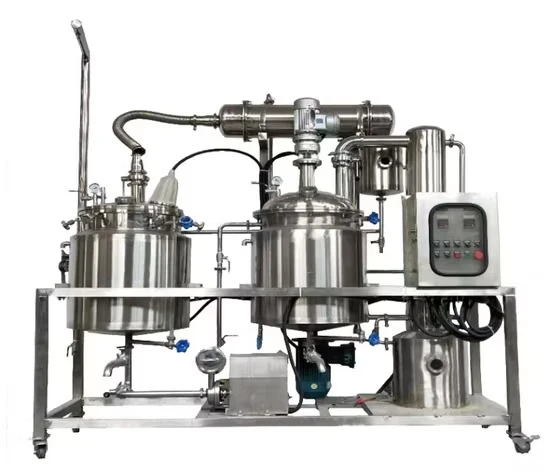
As the global market for botanical products surges, the backbone of this natural revolution lies in the equipment that makes clean, potent, and safe extraction possible. Botanical extraction equipment is no longer just an industrial necessity—it is a strategic tool that determines competitiveness, sustainability, and product excellence. With rapid technological advances, the future of botanical processing is leaning toward efficiency, eco-conscious design, and precision control.
To support this emerging industry, companies must focus not only on sourcing quality plant materials but also on leveraging modern extraction technology that guarantees consistency and safety. Whether you’re an herbal supplement manufacturer, an essential oil producer, or part of the therapeutic cannabis industry, investing in the right equipment is essential for long-term success.
For organizations looking to integrate sustainable and innovative extraction systems, PURE5 Extraction offers solutions based on low-pressure, solventless technologies designed to retain full-spectrum botanical integrity while maximizing yield and minimizing environmental impact.


























Sign in to leave a comment.