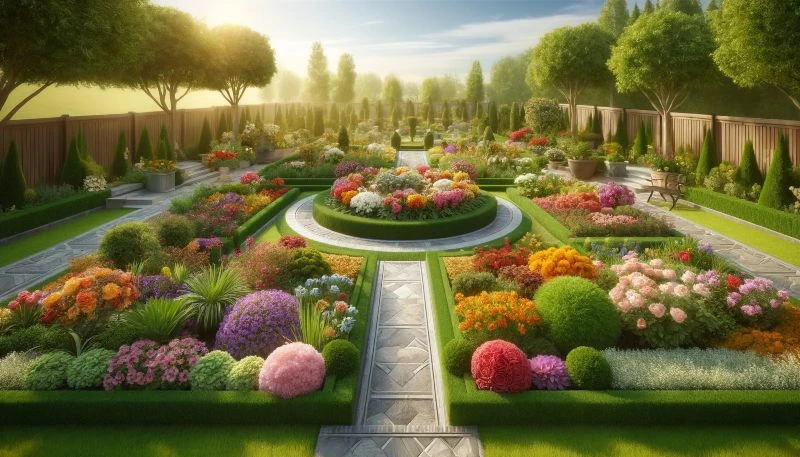

Creating the perfect flower bed can transform your garden into a vibrant and enchanting oasis. Whether you're a seasoned gardener or a novice, designing a flower bed requires thoughtful planning and a touch of creativity. A well-crafted flower bed not only adds color and fragrance to your garden but also attracts pollinators like bees and butterflies, fostering a healthy ecosystem.
This guide will walk you through the essential steps to crafting a stunning flower bed that will be the pride of your garden. It will provide you with a serene and beautiful space to enjoy year-round.
1. Choosing the Right Location
Selecting the ideal location for your flower bed is crucial. Look for a spot that receives ample sunlight, as most flowers thrive in sunny environments. Ensure the area has good drainage to prevent waterlogging, which can harm your plants. Consider the view from various angles and choose a location that enhances the overall aesthetics of your garden.
2. Planning the Design
Before planting, sketch a rough layout of your flower bed. Decide on the shape and size that will complement your garden's style. A well-designed flower bed often features a mix of heights, colors, and textures. Position taller plants at the back and shorter ones at the front to create depth and visual interest.
3. Selecting the Right Plants
Choosing the right plants is vital to a beautiful flower bed. Consider a mix of perennials and annuals to ensure year-round color. Pay attention to the bloom times of different flowers to maintain continuous interest throughout the seasons. Some popular choices include roses, tulips, daisies, and marigolds. Ensure that your chosen plants suit your climate and soil type.
4. Preparing the Soil
Healthy soil is the foundation of a thriving flower bed. Start by clearing away weeds and debris from the area. Loosen the soil to a depth of about 12 inches and mix in organic matter such as compost or well-rotted manure. This will improve soil fertility and drainage. Test the soil pH and adjust it if necessary to match your chosen plants' needs.
5. Planting and Maintenance
When planting, follow the recommended spacing for each type of flower to prevent overcrowding. Water the plants thoroughly after planting and apply a layer of mulch to retain moisture and suppress weeds. Regular maintenance is essential to keep your flower bed looking its best. This includes watering, fertilizing, deadheading spent flowers, and controlling pests.
6. Adding Decorative Elements
To enhance the beauty of your flower bed, consider adding decorative elements. Garden statues, birdbaths, or decorative rocks can add a unique touch. Edging the flower bed with bricks, stones, or metal borders can define the space and give it a polished look. Paths made of gravel or stepping stones can provide easy access for maintenance and enjoyment.
Designing the perfect flower bed is a rewarding project that can bring joy and beauty to your garden. With careful planning and regular care, you can create a stunning display that will be the envy of your neighbors. If you want to enhance your outdoor space further, consider professional residential landscaping in Calgary. Remember, even small additions like a single tree can significantly impact your garden's overall appeal and functionality.
























Sign in to leave a comment.